 flip
flipSamovar tea and cherry preserves (vishnyovoye varenye)
Samovar tea and cherry preserves (vishnyovoye varenye)
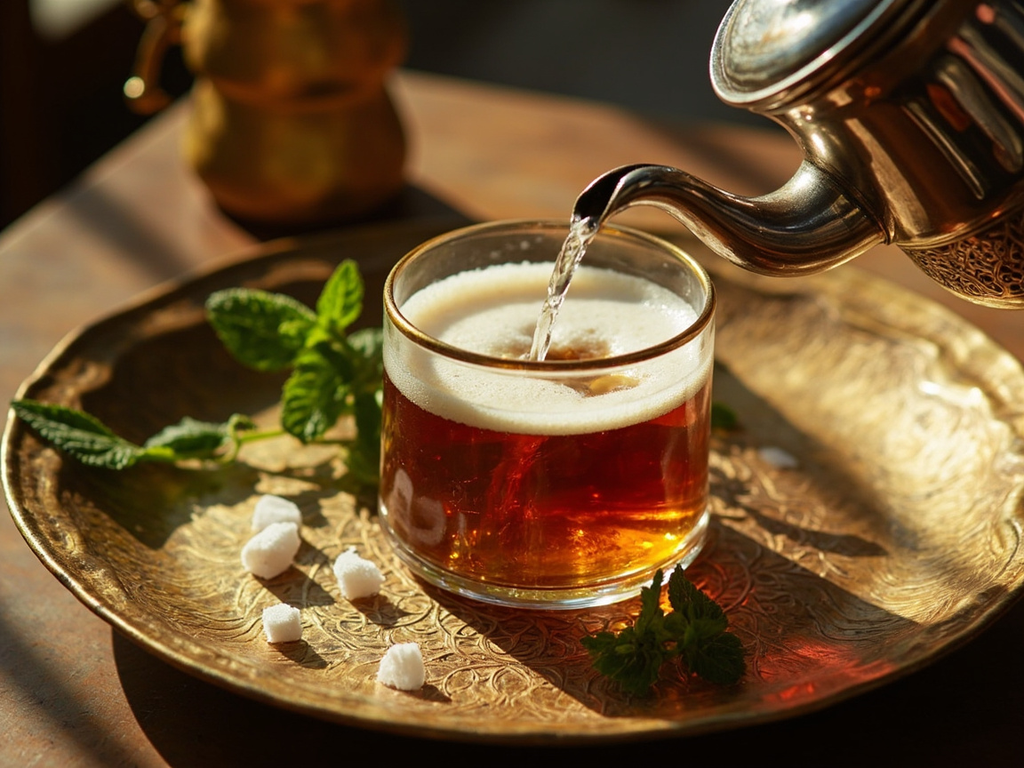
Why this dish? The "typical object" of Pasternak includes tea drunk from the samovar: at the dacha, the samovar hummed in the afternoon and conversations stretched around it. Russian tea is not sweetened in the cup — it is drunk through a spoonful of preserves held under the tongue, or *vprikusku*, biting a lump of sugar. It is the most intimate domestic ritual of his daily life.
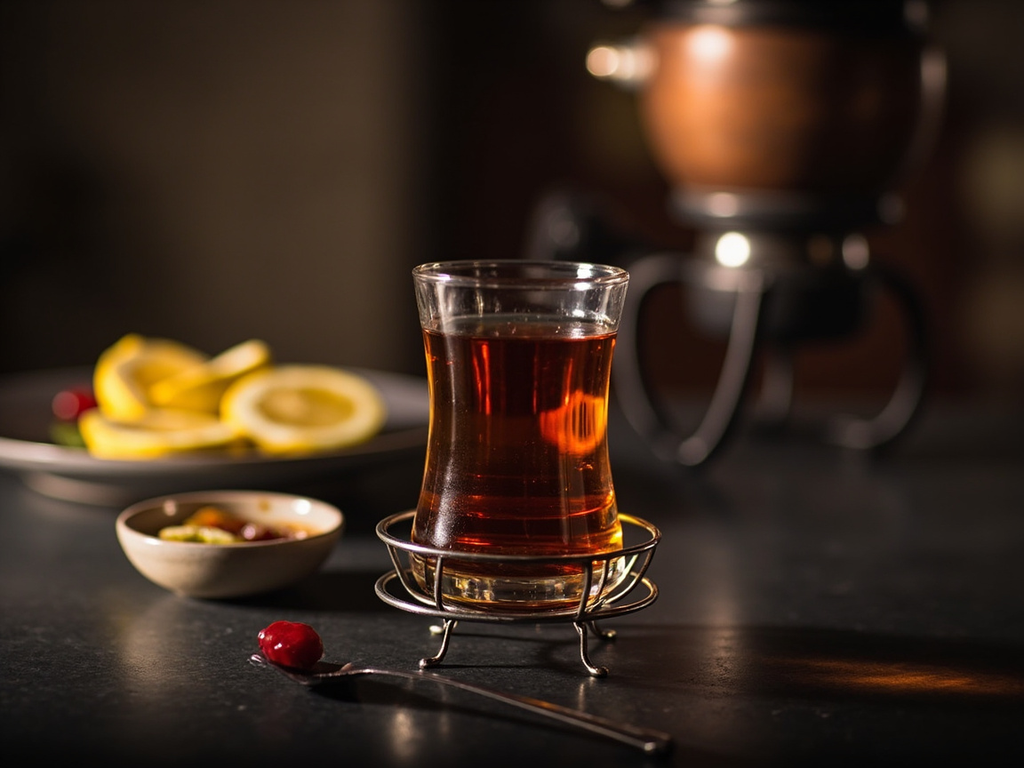
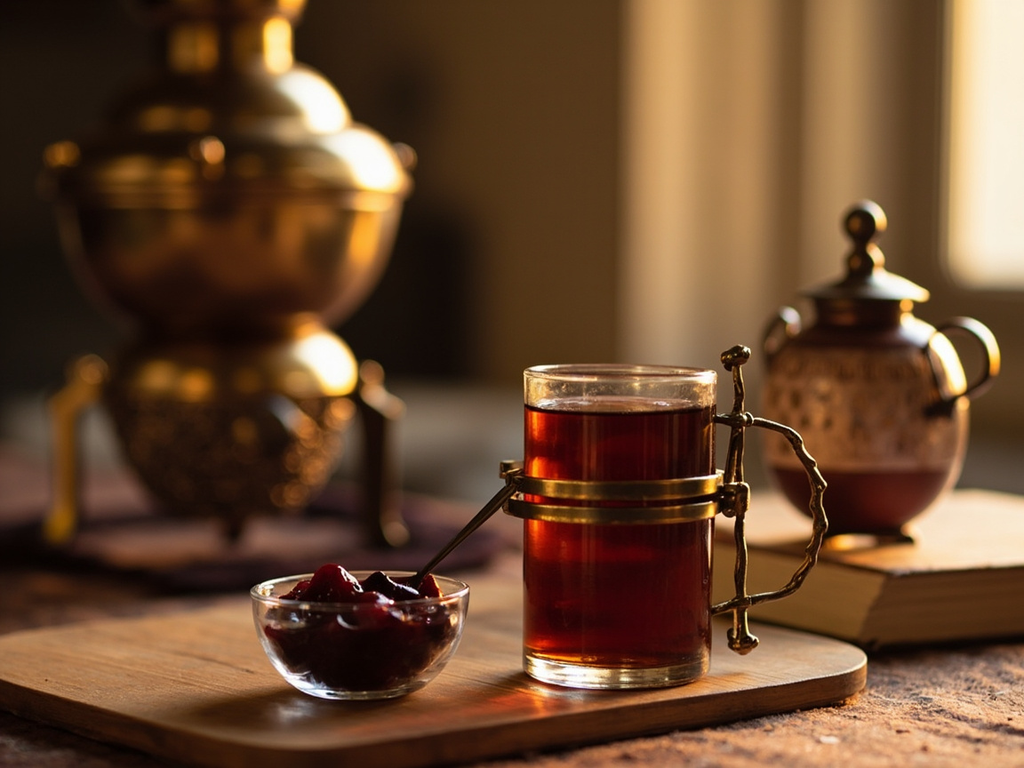
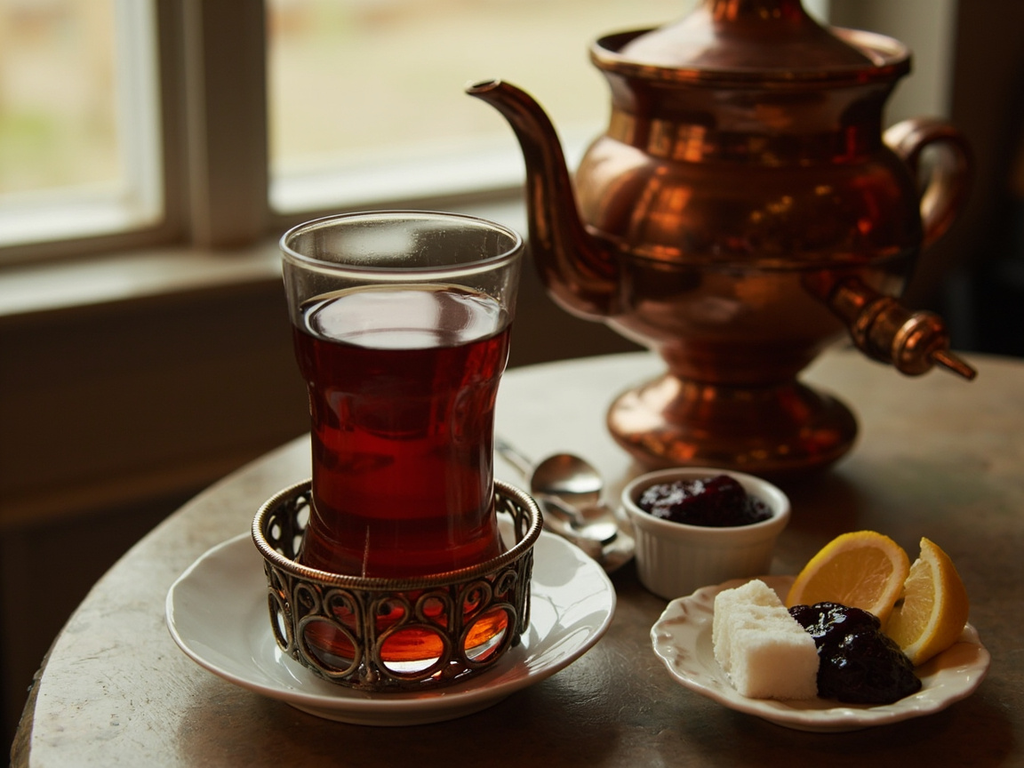
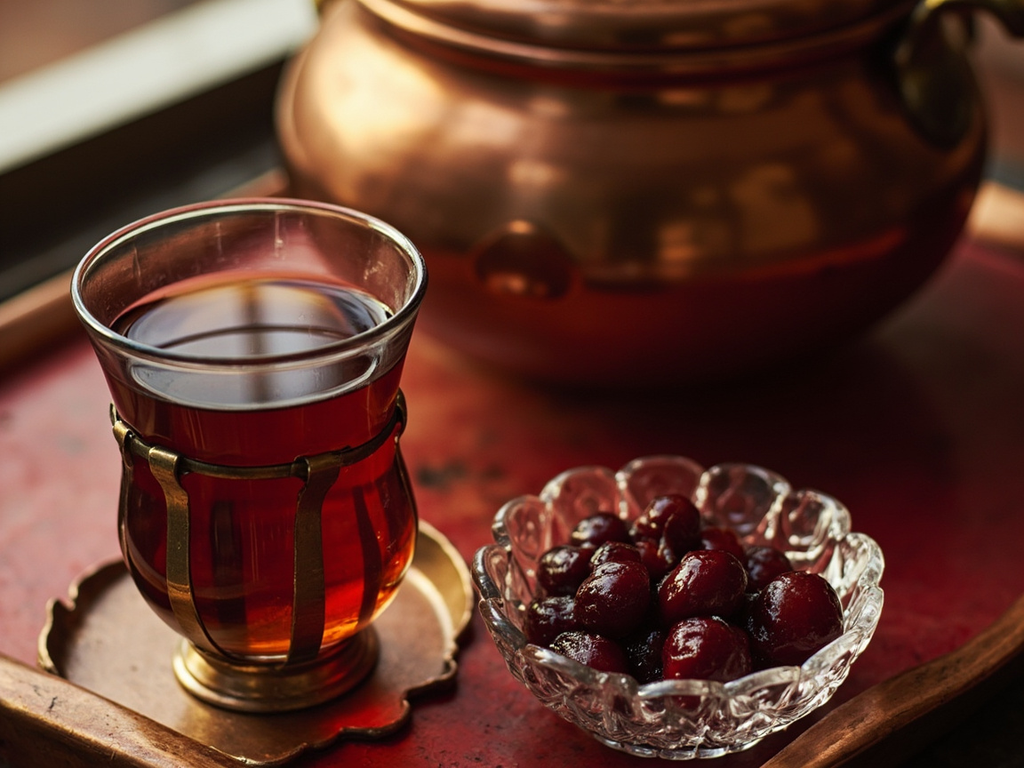
A strong black tea drawn from a concentrated brew (*zavarka*) then diluted with boiling water from the samovar, drunk unsweetened — accompanied by whole cherry preserves in translucent syrup.
The samovar, in our house, is almost a family member: it heats, it hums, it presides. You don't drop sugar into the cup like abroad — no, you take a spoonful of cherry preserves, hold it under your tongue, and the hot tea passes over it, bitter and sweet at once. The cherries, we picked them in summer from the garden and candied them whole, so that in winter each spoonful opens a window onto July. Stay, have another cup: around the samovar, time has no hour.
- •Black leaf tea — for a strong zavarka (tea concentrate)
- •Samovar water — boiling (dilution)
- •Ripe cherries — a large bowl (preserves)
- •Sugar — equal weight to cherries (preserving and conservation)
Samovar tea and cherry preserves (vishnyovoye varenye)
A strong black tea drawn from a concentrated brew (*zavarka*) then diluted with boiling water from the samovar, drunk unsweetened — accompanied by whole cherry preserves in translucent syrup.
Why this dish? The "typical object" of Pasternak includes tea drunk from the samovar: at the dacha, the samovar hummed in the afternoon and conversations stretched around it. Russian tea is not sweetened in the cup — it is drunk through a spoonful of preserves held under the tongue, or *vprikusku*, biting a lump of sugar. It is the most intimate domestic ritual of his daily life.
The samovar, in our house, is almost a family member: it heats, it hums, it presides. You don't drop sugar into the cup like abroad — no, you take a spoonful of cherry preserves, hold it under your tongue, and the hot tea passes over it, bitter and sweet at once. The cherries, we picked them in summer from the garden and candied them whole, so that in winter each spoonful opens a window onto July. Stay, have another cup: around the samovar, time has no hour.
Ingredients (period version)
- Black leaf tea — for a strong zavarka (tea concentrate)
- Samovar water — boiling (dilution)
- Ripe cherries — a large bowl (preserves)
- Sugar — equal weight to cherries (preserving and conservation)
Ingredients
- Black leaf tea (Russian or Ceylon type) — 3 tsp (zavarka)
- Simmering water — according to number of cups (dilution)
- Pitted cherries — 500 g (preserves)
- Sugar — 400 g (preserving)
- Lemon juice — 1 tbsp (balance and set)
Method
- For the preserves: mix cherries and sugar, let macerate 2 h, then cook over low heat for 30-40 min until syrupy; add lemon juice at the end. Let cool — the cherries remain whole and glossy.
- For the tea: prepare a very concentrated *zavarka* in a small teapot (tea + a little simmering water, steep 5 min).
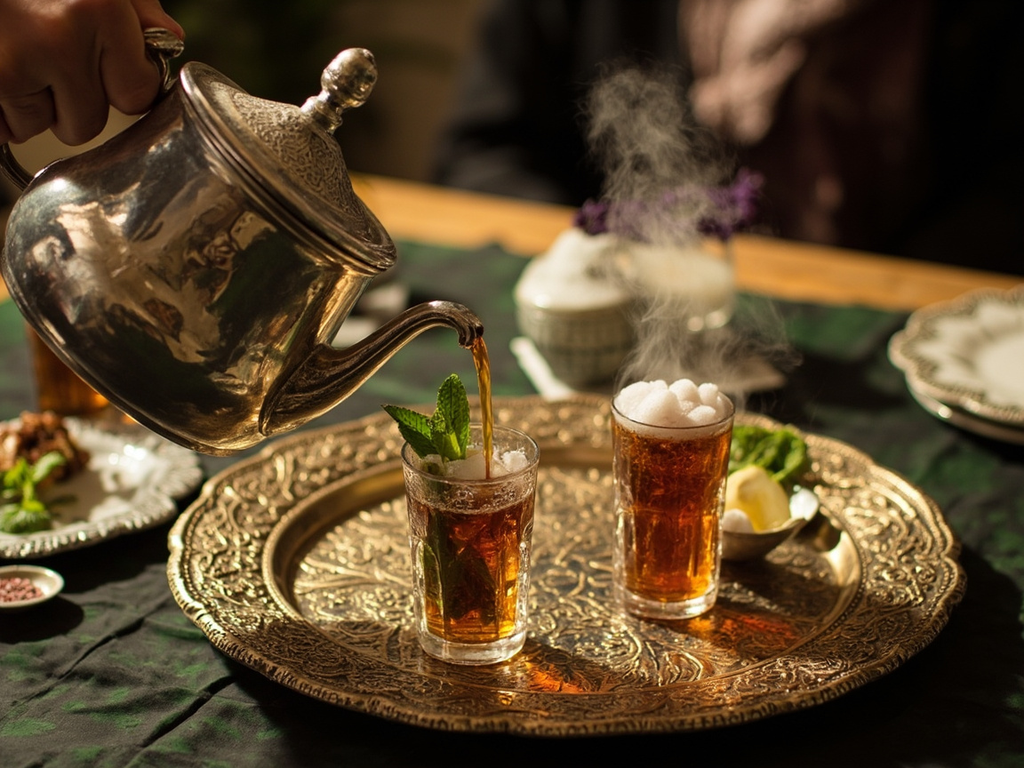
- Pour a small amount of *zavarka* into each glass or cup, then dilute with very hot water to taste.
- Serve without sweetening the tea: enjoy a spoonful of preserves separately, or let it melt slowly in your mouth between sips.
How it was made : The samovar ("self-boiler"), fueled by charcoal or pine cones, heated water while the concentrated *zavarka* matured on its lid. Drinking *vprikusku* — biting a lump of hard sugar rather than dissolving it — was the thrifty habit of families; cherry *varenye*, meanwhile, condensed summer for the long winters.
The contemporary twist : Serve the preserves in a small cut-glass dish placed on the saucer, dacha-style, with a spoon for each guest.
Sources : V. Pokhlebkin, *Чай* (Tea), Moscow · V. Pokhlebkin, *Национальные кухни наших народов*
Boris Pasternak · Charactorium