 Flip the card
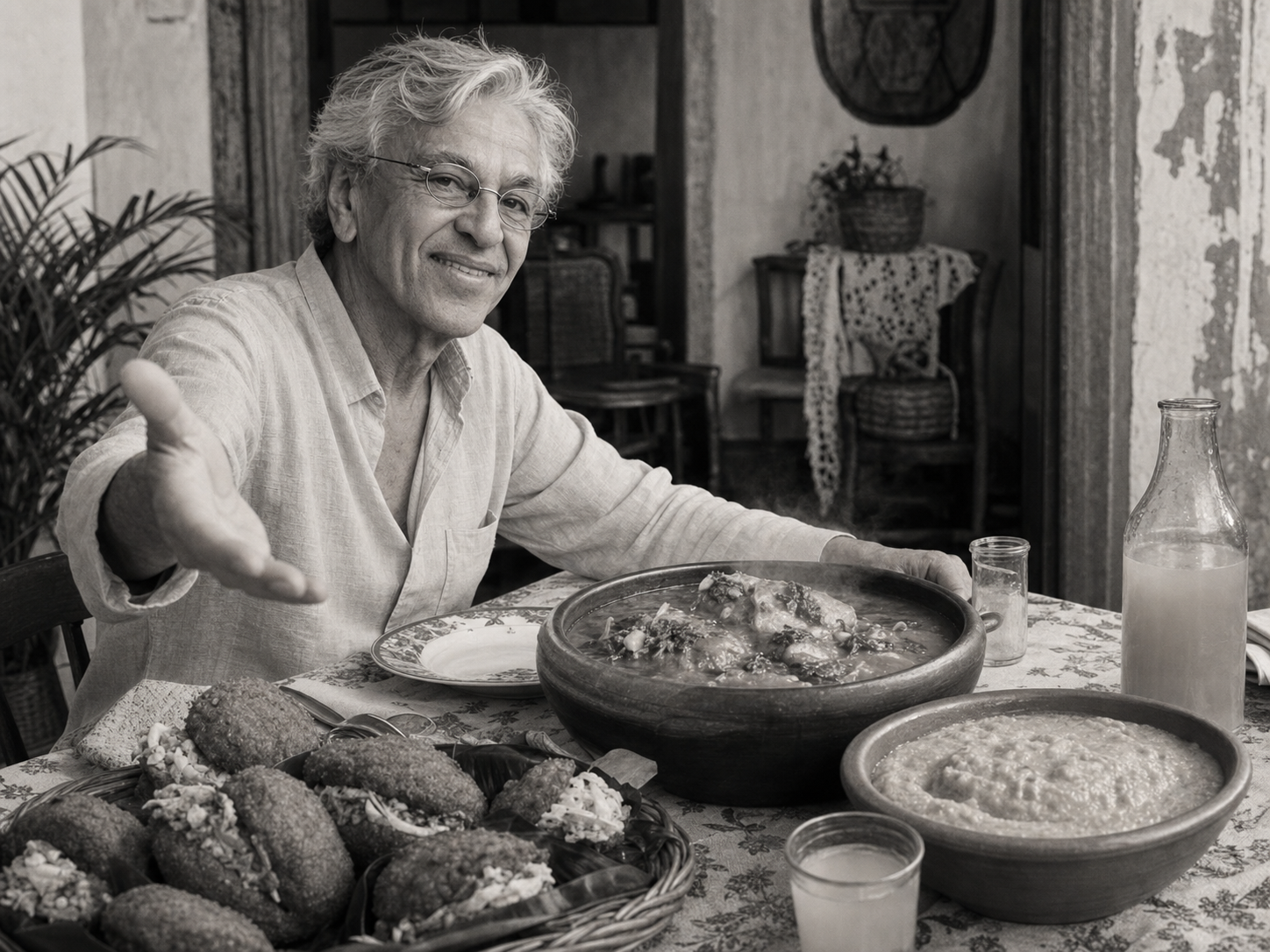
Caetano Veloso at the table
1942 — ?
On the menu
The Baiana meal and the baiana's tray
In Bahia, the Afro-Brazilian land of Caetano Veloso, meals are not thought of in terms of starter-main-dessert. The meal revolves around a large shared single dish, rich in red palm oil (dendê), accompanied by rice, manioc flour (farofa) and small spicy sauces placed on the side for everyone to serve themselves. Alongside this, there is a whole street food culture: the tabuleiro, the tray-table that the baiana, dressed all in white, sets up on street corners in Salvador, where you can buy golden fritters and coconut sweets. Fresh fruit drinks from the Northeast complete the picture.
Signature : Red palm oil (dendê)
Dendê, oil extracted from the African palm tree acclimated to Brazil, is the orange-red soul of Bahian cuisine. Brought by enslaved Africans, it gives a fiery color, deep aroma and Afro-Brazilian identity to almost all the great dishes of Bahia. For Caetano, the taste of dendê is the taste of childhood and roots.
click to flip back
Caetano Veloso at the table
1942 — ?
5 period recipes
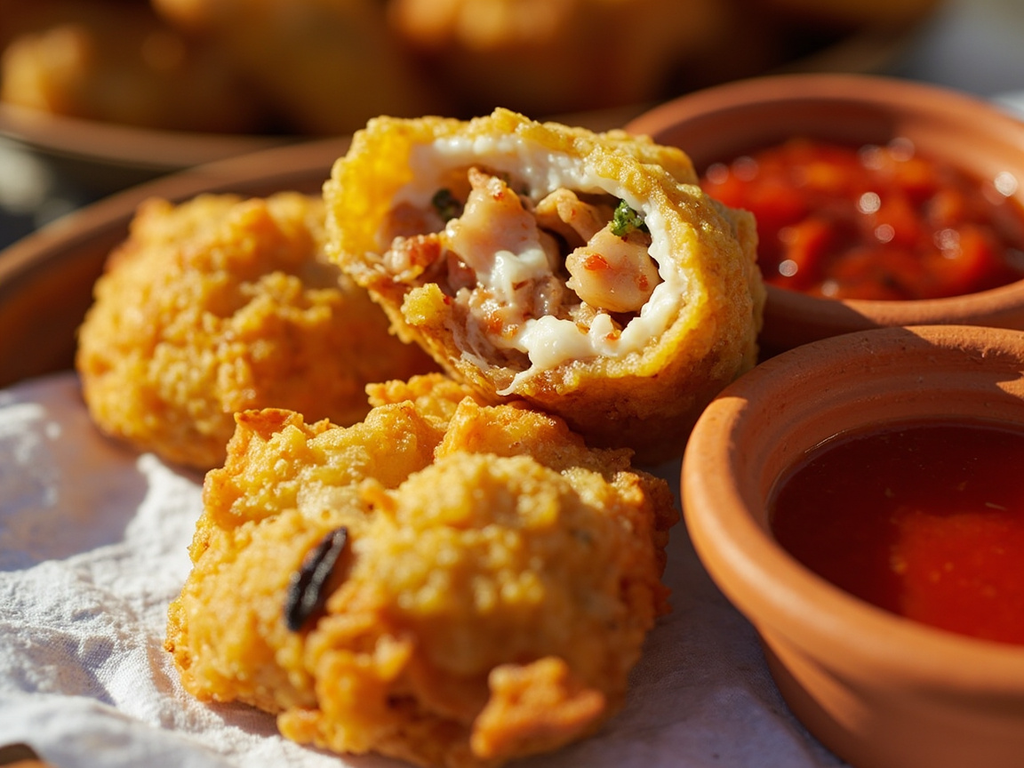 Street food
Acarajé, the golden fritter from the tabuleiro
Tabuleiro snack (baiana street food)
🧂 🍄 🌶️· 1 h (plus soaking)
View the recipe
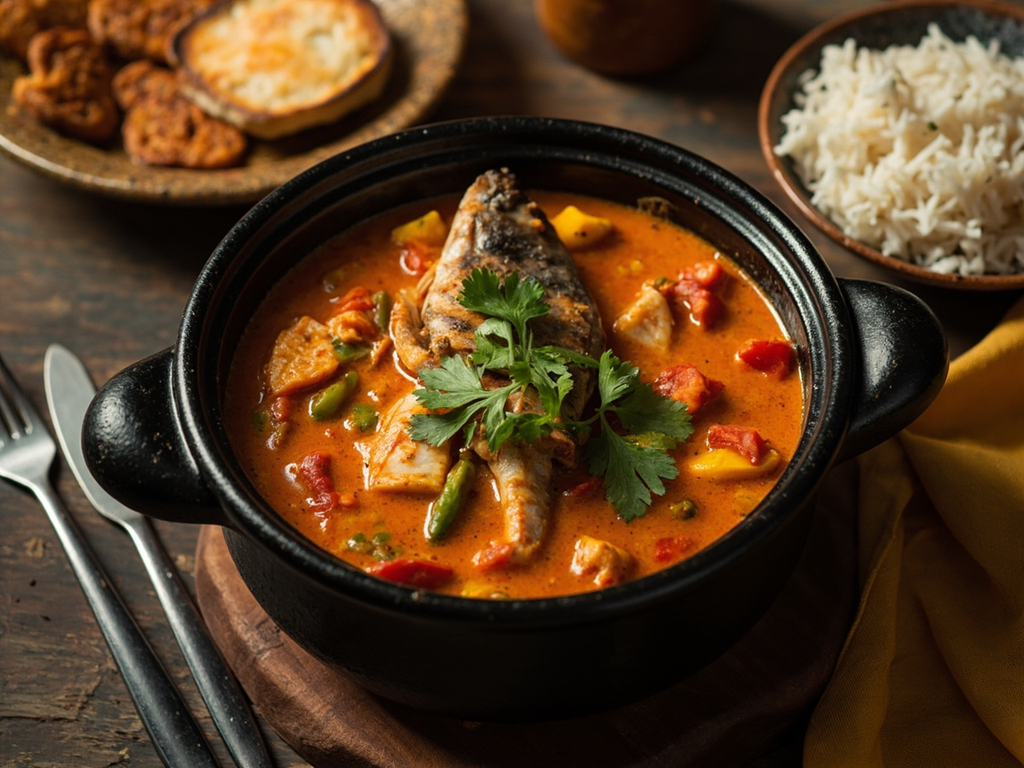 Festive
Baiana fish moqueca with dendê and coconut milk
The shared centerpiece dish of the Bahian table
🧂 🍄 🍋· 50 min
View the recipe
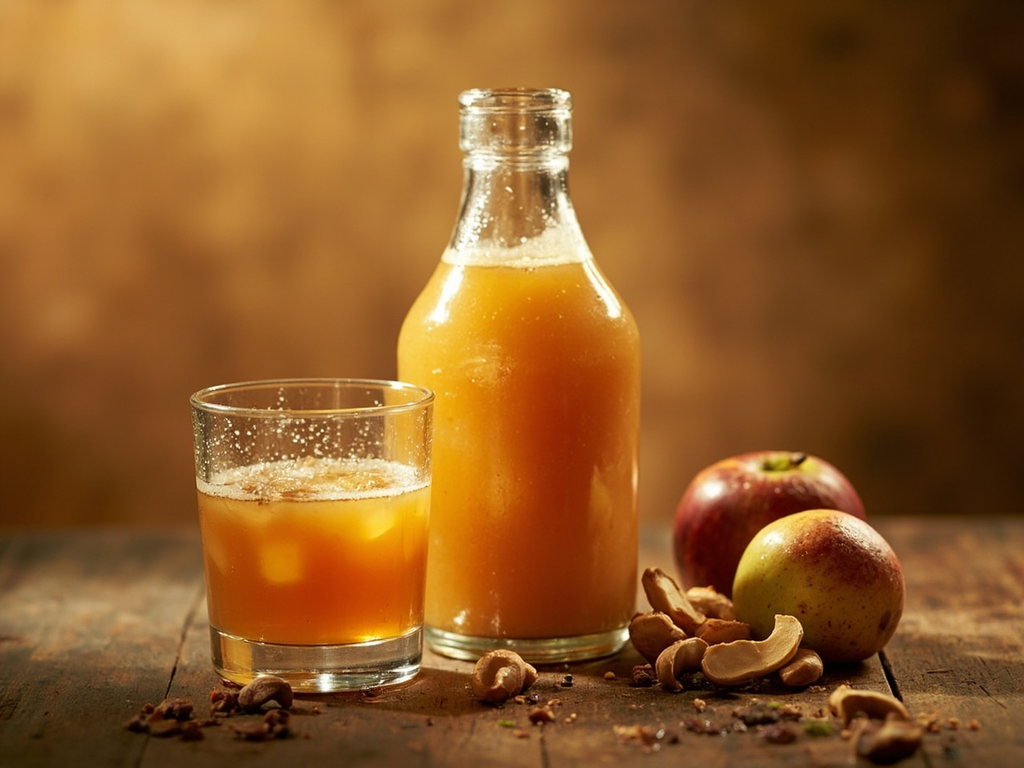 Drink
DrinkCajuína, the clarified cashew nectar
Fresh drink from the Northeast
🍯 🍋· 40 min
View the recipe
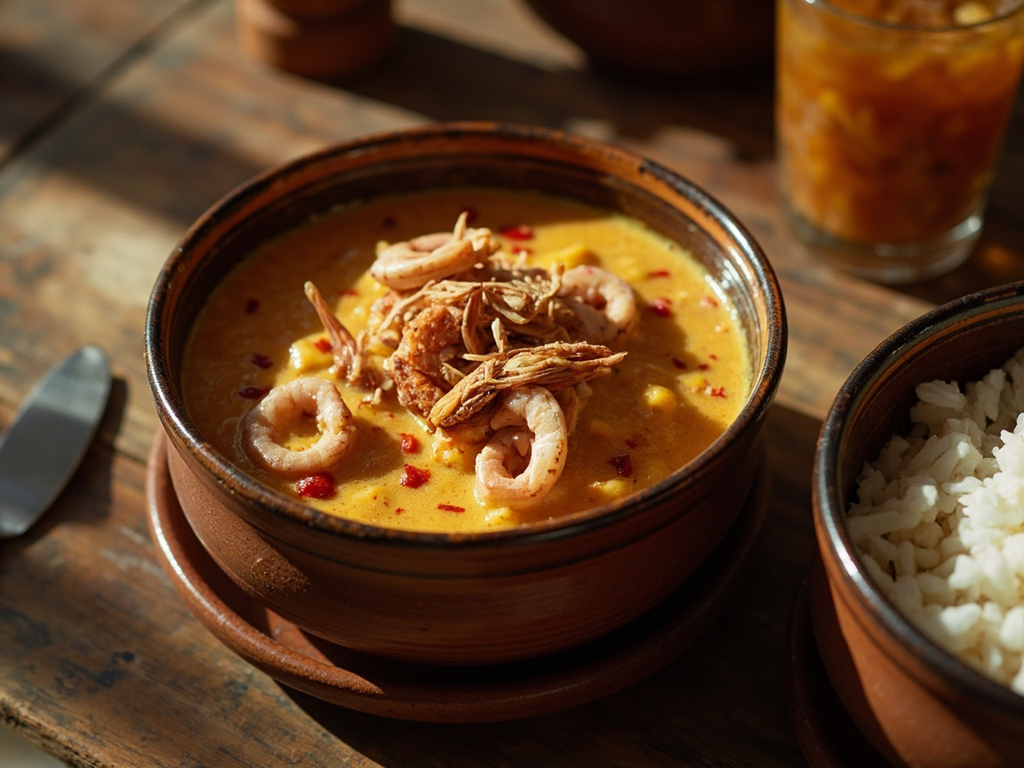 Everyday
Vatapá, the golden cream of daily Bahian life
Shared sauce-dish of the Bahian table
🧂 🍄· 45 min
View the recipe
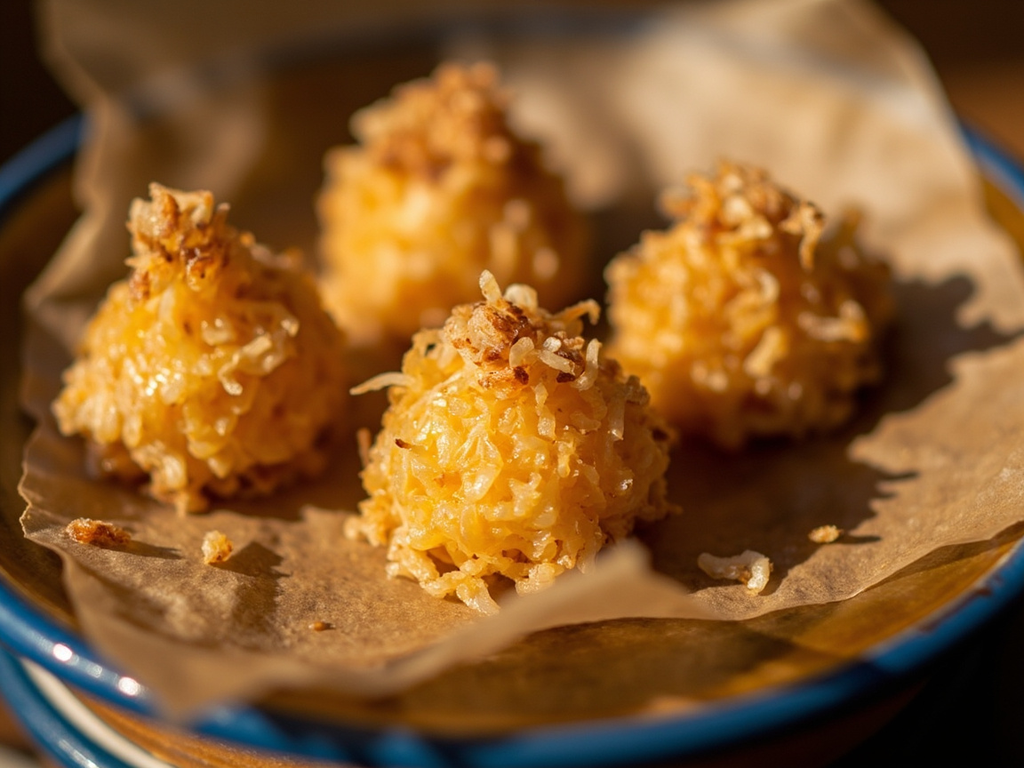 Preserving
Cocada, the coconut sweet that travels
Tabuleiro sweet (baiana street confection)
🍯· 30 min
View the recipe