A mesa cabo-verdiana (the Cape Verdean table)
In Cape Verde, the meal revolves around a single shared main dish — most often based on corn and beans that simmer for a long time — surrounded by fresh fish from the port and washed down with grogue. There is no separation into starter, main course, and dessert: everything is placed on the table, you help yourself, you go back for more, and the morna is never far away. Generosity (“to receive is to feed”) structures the meal more than the order of courses.
Signature : Le maïs concassé et le grogue de Santo Antão (crushed corn and grogue from Santo Antão)
Two pillars of Cape Verdean identity: milho (white crushed corn, the base of cachupa that simmers for hours) and grogue, a cane spirit distilled in the valleys of Santo Antão. On the arid island of São Vicente where Cesária lived, these two flavors speak of both frugality and celebration.
Cesária Évora at the table
1941 — 2011
5 period recipes
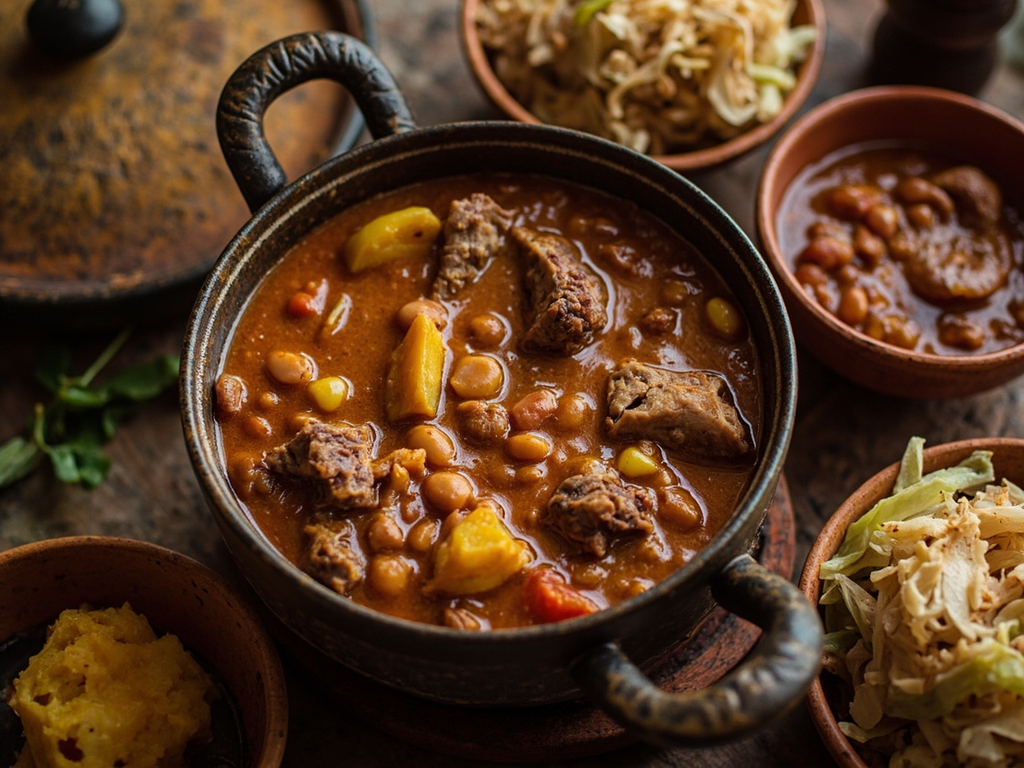 Festive
Cachupa rica des jours de fête (Festive rich cachupa)
Plat-socle de fête (prato único)
🧂 🍄· 3 h (+ trempage la veille)
View the recipe
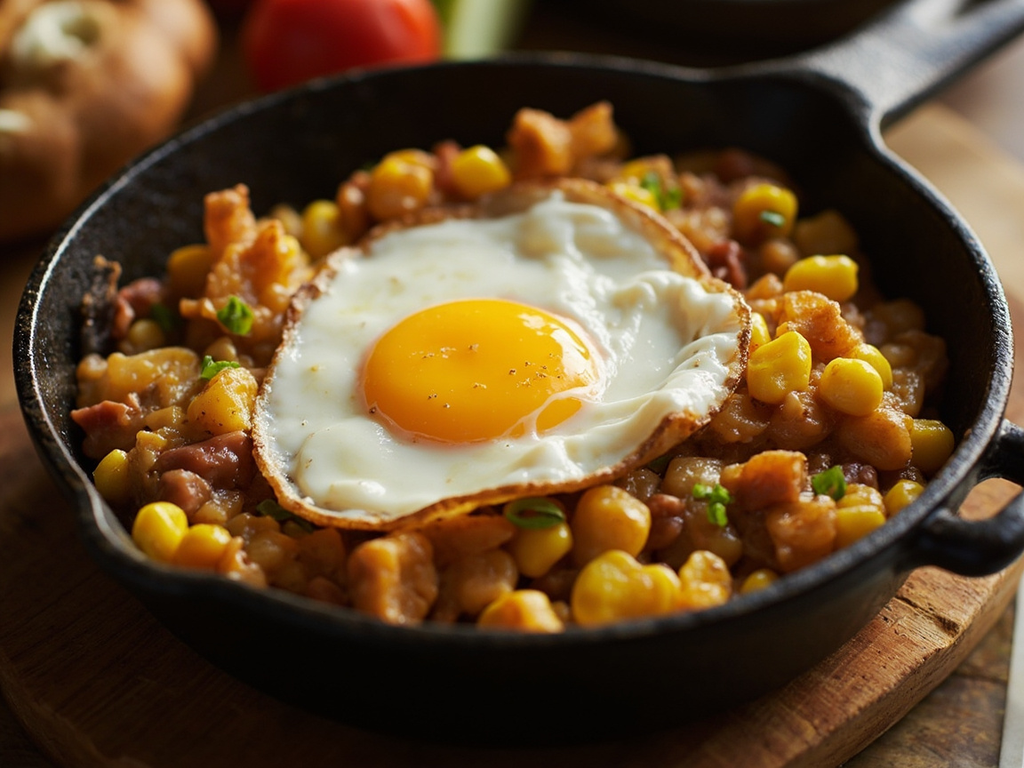 Everyday
Cachupa guisada du matin (Morning fried cachupa)
En-cas matinal (mata-bicho)
🧂 🍄· 20 min
View the recipe
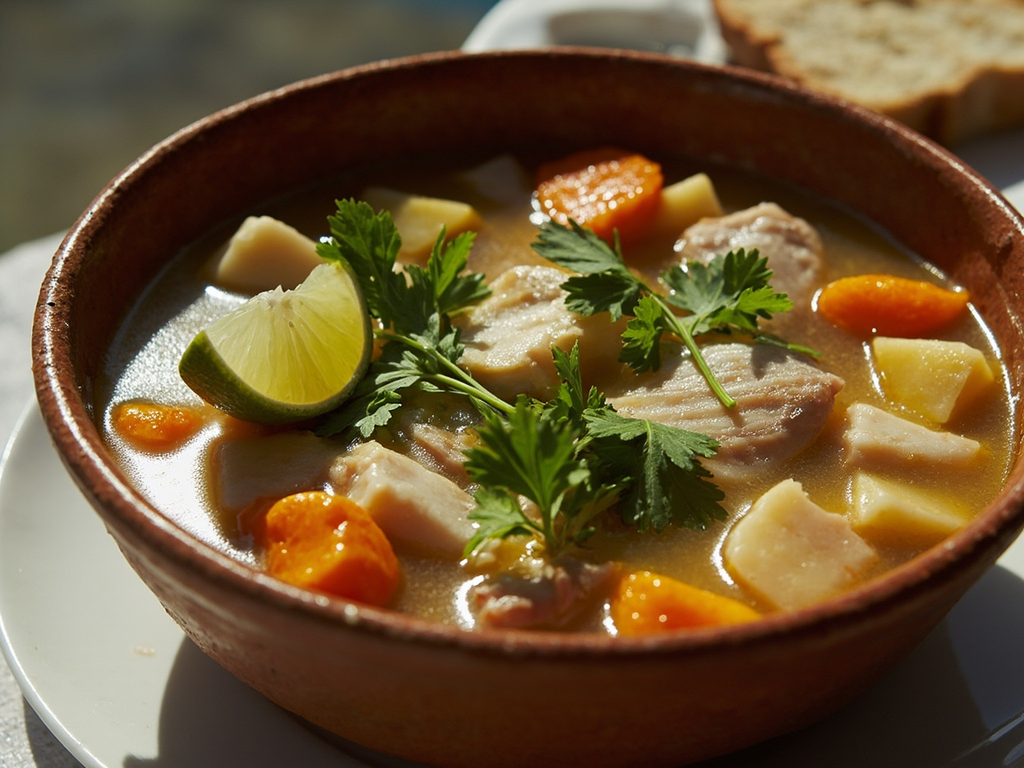 Everyday
Caldo de peixe du port de Mindelo (Mindelo harbor fish broth)
Soupe-plat du quotidien (caldo)
🧂 🍄 🍋· 45 min
View the recipe
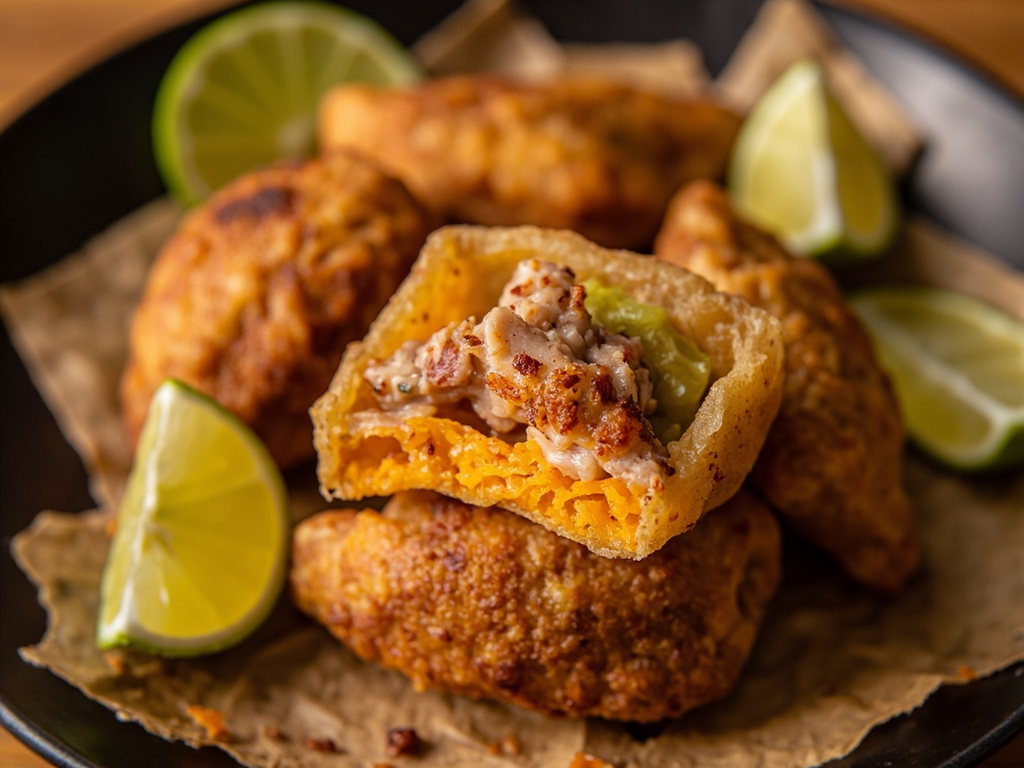 Street food
Pastel com diabo dentro (Pastry with the devil inside)
En-cas de rue (salgado)
🧂 🌶️· 1 h
View the recipe
 Drink
DrinkPonche au grogue et citron vert (Grogue and lime punch)
Boisson conviviale (ponche)
🍯 🍋· 5 min
View the recipe