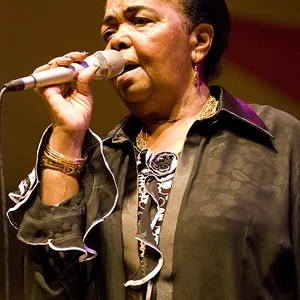

Nicknamed the “Barefoot Diva,” Cesária Évora is the iconic voice of morna, Cape Verde's melancholic musical genre. Discovered late on the international stage in the 1990s, she brought Cape Verdean Lusophone culture to every corner of the world.
Cesária Évora(1941 — 2011)
Cesária Évora
Cap-Vert
7 min read
Frequently asked questions
Famous Quotes
« I sing so that people don’t forget what sadness is, and also so that they remember to be happy.»
Key Facts
- Born on August 27, 1941, in Mindelo, São Vicente Island (Cape Verde), then a Portuguese colony
- Sang in the bars and taverns of Mindelo’s port from the 1960s onward, remaining unknown for decades
- International breakthrough in 1988 with the album “La Diva aux pieds nus” recorded in Paris
- Won the Grammy Award for Best Contemporary World Music in 2004
- Died on December 17, 2011, in Mindelo; Cape Verde honored her with a state funeral
Works & Achievements
First professional recording in Paris for the Lusafrica label, revealing Cesária beyond the borders of Cape Verde. This album marks the beginning of her international career.
International album that propelled Cesária onto the world stage, featuring 'Sodade' and 'Angola'. With over 300,000 copies sold, it remains her most iconic record.
Album produced by Caetano Veloso that confirms her status as the grande dame of world music and earns her a Grammy Awards nomination.
A tribute to her native archipelago, this album explores all facets of Cape Verdean music. Unanimously praised by international critics.
Album blending traditional morna with Brazilian and African influences, showcasing Cesária's musical openness while remaining faithful to her roots.
Album that earned her the 2004 Grammy Award for Best World Music Album, the ultimate recognition of an extraordinary career that began late in life.
Final studio album, recorded as her health was declining. Cesária delivers an intimate and poignant performance, like a musical testament addressed to the world.
Anecdotes
Cesária Évora always performed barefoot on stage, as a sign of solidarity with the poor women of Cape Verde. This simple gesture earned her the nickname 'Barefoot Diva' (Diva dos Pés Descalços) and became her worldwide signature. She explained that she could not bring herself to step on stage wearing shoes while so many of her compatriots had nothing to eat.
Cesária Évora had a remarkably late artistic longevity: she was over 47 years old when she recorded her first true international album in Paris. Before that, she sang in the bars of Mindelo for a few glasses of grogue, the local spirit, and had nearly given up music altogether. Her discovery by producer José da Silva in 1988 changed everything.
In 2004, Cesária Évora won the Grammy Award for Best World Music Album for 'Voz d'Amor'. It was a worldwide consecration for an artist who had never left her island until her fifties. She jokingly declared that she would have loved to receive that award a few decades earlier.
The song 'Sodade', which she performs masterfully, has become the unofficial anthem of the Cape Verdean diaspora. The word 'sodade' is a Creole variant of the Portuguese 'saudade', that melancholic feeling of nostalgia and longing for what is absent. By bringing this word to the world's attention, Cesária Évora introduced an entire culture and history of migration and exile.
Cesária Évora donated a portion of her performance fees to fund schools and infrastructure in Cape Verde, her home country. Despite her success, she refused to settle permanently in Paris, regularly returning to Mindelo where she lived modestly. 'I am Cape Verdean before I am a star', she would often tell those close to her.
Primary Sources
I sing sodade, that sweet sadness that every Cape Verdean knows. It is not despair, it is love for what one has left behind.
Cesária describes her years of hardship in Mindelo: 'There were days without food. I sang for a drink, sometimes for nothing. But I could not stop — morna is my breathing.'
This album establishes Cesária Évora as the international voice of Cape Verdean morna, a musical genre heir to Portuguese fado and African rhythms, an expression of the islands' saudade.
I dedicate this award to all the women of Cape Verde, to those who sang before me in the shadows, and to my island of São Vicente which gave me everything.
Key Places
Cesária's hometown, the cultural capital of Cape Verde and cradle of morna. She was born there, grew up there, sang in its bars, and died there.
Iconic cultural venue in Mindelo where Cape Verdean artists performed. Cesária sang there on many occasions and remains a guiding figure of the place.
It was in Paris that Cesária began recording her international albums in 1988, thanks to José da Silva's Lusafrica label. The city became her second artistic home.
The legendary Parisian concert hall where Cesária Évora performed several times before thousands of spectators, cementing her status as an international world music star.
Capital of the former colonial power whose language (Cape Verdean Creole) and music (fado) deeply influenced morna. Cesária regularly performed there for the Cape Verdean diaspora.
Typical Objects

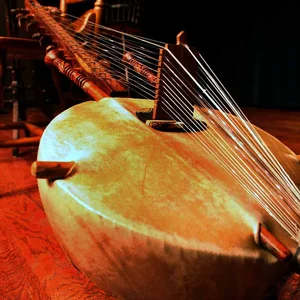
Central instrument of morna, the viola accompanies Cesária's voice with its melancholic tones. It is the heir of Portuguese fado brought to Cape Verde by colonial settlers.

More than a simple stage choice, Cesária's bare feet were a political act: a refusal of ostentatious luxury and an expression of solidarity with the poor women of her archipelago.

A traditional Cape Verdean spirit distilled from sugarcane, which Cesária drank in the bars of Mindelo while singing for her compatriots before gaining international recognition.

On stage, Cesária wore loose, colorful dresses, often in wax print or lightweight cotton fabrics, combining elegance and comfort, a symbol of her African cultural roots.
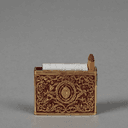
A famous smoker, Cesária often appeared cigarette in hand even on stage. This free and nonconformist image was part of her authentic and uninhibited persona.

Her early performances in the bars of Mindelo were done without amplification. The conquest of the professional microphone symbolizes her journey from obscurity to the international spotlight.
School Curriculum
Vocabulary & Tags
Key Vocabulary
Daily Life
Morning
Cesária Évora woke up late, accustomed to nights of music in the bars of Mindelo. She started her day with a strong black coffee and a cigarette on her terrace, gazing at the view over the port of São Vicente. She enjoyed listening to Cape Verdean radio and welcoming neighbors who stopped by to greet her.
Afternoon
Afternoons were devoted to rehearsals with her musicians or to strolling through the streets of Mindelo. She did her shopping at the local market, refusing any escort or star treatment. She would meet friends at small neighborhood restaurants to eat catchupa, the Cape Verdean national dish.
Evening
In the evening, Cesária would take her time getting ready for her concerts, carefully choosing her colorful dresses while always making sure to remain barefoot. After shows, she would stay for hours with the musicians and the audience, drinking grogue and singing impromptu until dawn, just as she had in her younger years in Mindelo.
Food
Cesária ate traditional Cape Verdean cuisine: catchupa (corn and vegetable stew), fresh grilled fish from the port, cachupa rica on feast days. She drank grogue, the local sugarcane spirit, and Portuguese wine. Generous by nature, she loved to cook and entertain at home.
Clothing
On stage, Cesária wore long, loose-fitting dresses in colorful African fabrics or lace, always barefoot. In daily life, she dressed simply, favoring light cotton suited to the tropical climate. She often wore discreet gold jewelry, family heirlooms.
Housing
Cesária lived in Mindelo in a modest house in a working-class neighborhood, refusing to move into a villa despite her wealth. Her home was open to everyone: musicians, childhood friends, poor neighbors. Walls covered with concert photos, instruments in every corner, always music playing in the background.
Historical Timeline
Period Vocabulary
Visual Style
Esthétique chaleureuse et mélancolique des années 1990, entre photographie documentaire de world music et lumières dorées de l'Atlantique tropical, incarnant la dignité sobre et l'authenticité culturelle cap-verdienne.
Sound Ambience
Sonorités mélancoliques de la morna cap-verdienne, entre guitare portugaise et bruits de port atlantique, imprégnées de la chaleur humide des îles et de la nostalgie de la sodade.