 flip
flipPastel com diabo dentro (Pastry with the devil inside)
Pastel com diabo dentro (Pastry with the devil inside)
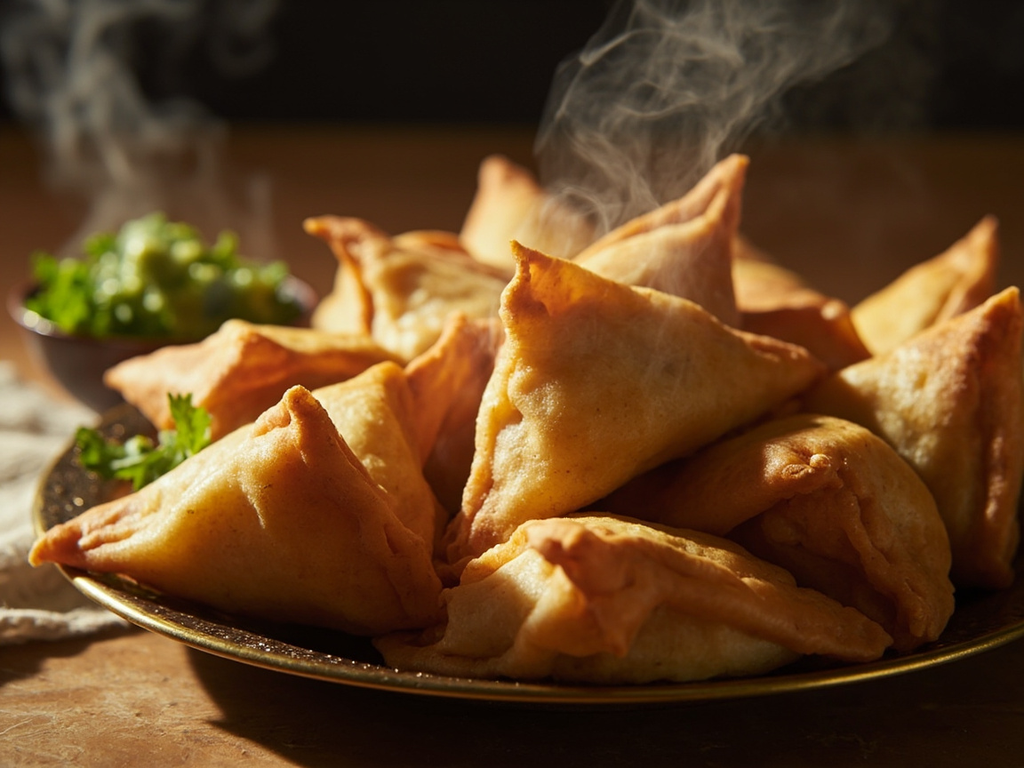
Why this dish? The 'pastel with the devil inside' is the quintessential Cape Verdean street snack: a corn and sweet potato dough filled with spiced tuna. It's sold in markets and at festivals — the snack you eat standing up between two mornas, in the neighborhood life Cesária never left.
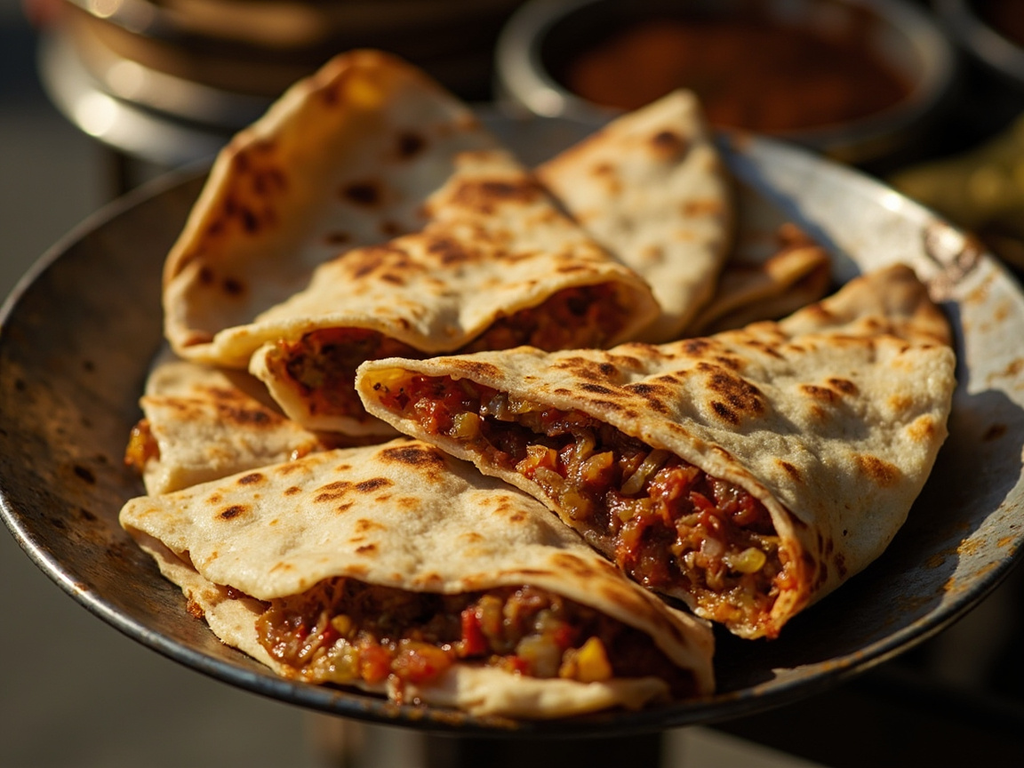
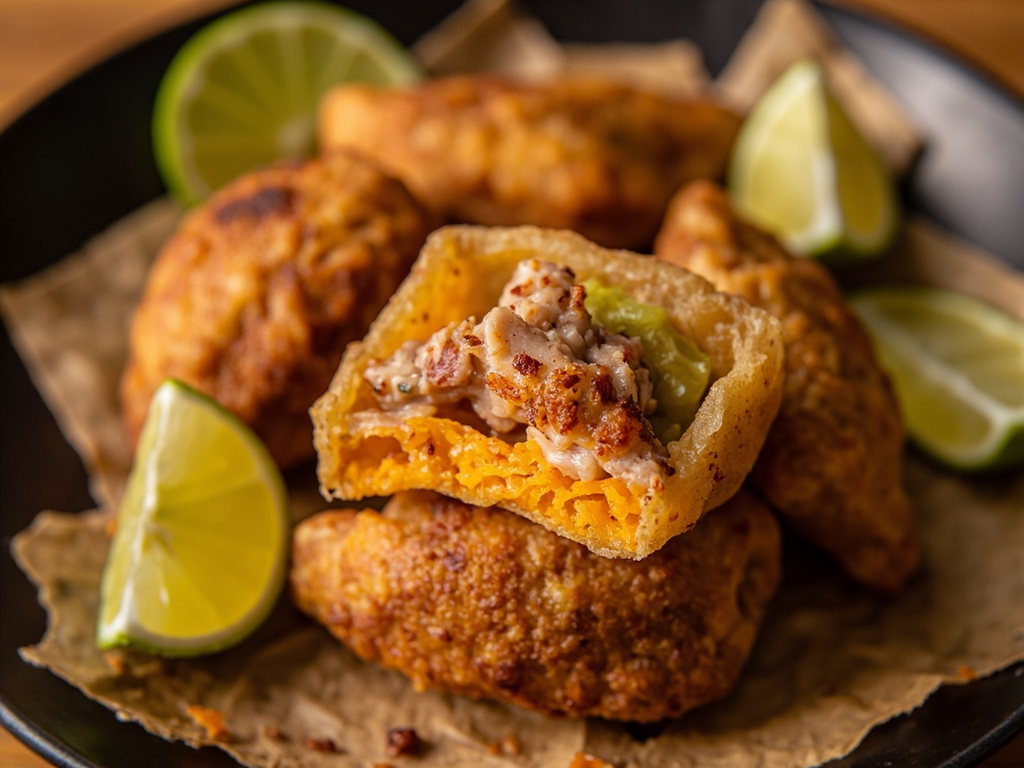
A fried turnover with a slightly sweet corn and sweet potato dough, filled with tuna simmered with onion and spiced with chili — hence the 'devil' in the name. Crispy outside, melting and spicy inside.
Pastel com diabo dentro — you hear the name? The devil is inside, because of the chili that wakes up your tongue! The dough, I make it with corn flour and sweet potato, just sweet enough, and inside I hide the tuna with well-cooked onion. They sold them in the square, and believe me, they went faster than a song. It's the taste of festive evenings, when you snack standing up waiting for the music to start.
- •Farine de maïs fine + patate douce écrasée — à parts égales (pâte du chausson)
- •Thon frais — un morceau (farce)
- •Oignon, ail, tomate — pour la farce (fond de la farce)
- •Piment (malagueta) — selon le courage (le « diable » piquant)
- •Huile pour friture — un bain (cuisson)
Pastel com diabo dentro (Pastry with the devil inside)
A fried turnover with a slightly sweet corn and sweet potato dough, filled with tuna simmered with onion and spiced with chili — hence the 'devil' in the name. Crispy outside, melting and spicy inside.
Why this dish? The 'pastel with the devil inside' is the quintessential Cape Verdean street snack: a corn and sweet potato dough filled with spiced tuna. It's sold in markets and at festivals — the snack you eat standing up between two mornas, in the neighborhood life Cesária never left.
Pastel com diabo dentro — you hear the name? The devil is inside, because of the chili that wakes up your tongue! The dough, I make it with corn flour and sweet potato, just sweet enough, and inside I hide the tuna with well-cooked onion. They sold them in the square, and believe me, they went faster than a song. It's the taste of festive evenings, when you snack standing up waiting for the music to start.
Ingredients (period version)
- Farine de maïs fine + patate douce écrasée — à parts égales (pâte du chausson)
- Thon frais — un morceau (farce)
- Oignon, ail, tomate — pour la farce (fond de la farce)
- Piment (malagueta) — selon le courage (le « diable » piquant)
- Huile pour friture — un bain (cuisson)
Ingredients
- Farine de maïs fine (masa/maïzena fine) — 200 g (pâte)
- Patate douce cuite et écrasée — 200 g (liant et douceur de la pâte)
- Thon (frais ou en boîte au naturel) — 250 g (farce)
- Oignon + 1 tomate + 1 gousse d'ail — 1 oignon, le reste (fond de farce)
- Piment frais — 1/2 à 1 (piquant signature)
- Sel, huile de friture — au goût + 1 L (assaisonnement et cuisson)
Method
- Prepare the filling: sauté onion, garlic, and tomato, add flaked tuna and chopped chili, cook until dry and fragrant; let cool.
- Mix corn flour and mashed sweet potato with a little warm water and salt to form a soft, pliable dough.
- Roll out small discs of dough, place a spoonful of filling in the center, fold into a turnover and seal the edges well.
- Fry in hot oil (170°C) until the pastéis are golden and crispy.
- Drain on paper and serve warm.
How it was made : An heir to Portuguese pastéis adapted to island resources, the Cape Verdean pastel replaces wheat flour with local corn and sweet potato. Chili, which arrived from America via Atlantic routes, became a marker of island street food.
The contemporary twist : Serve them as appetizer bites with a lime wedge — a 'tapas' version from the barefoot diva.
Cesária Évora · Charactorium