The rhythm of meals in the German bourgeoisie
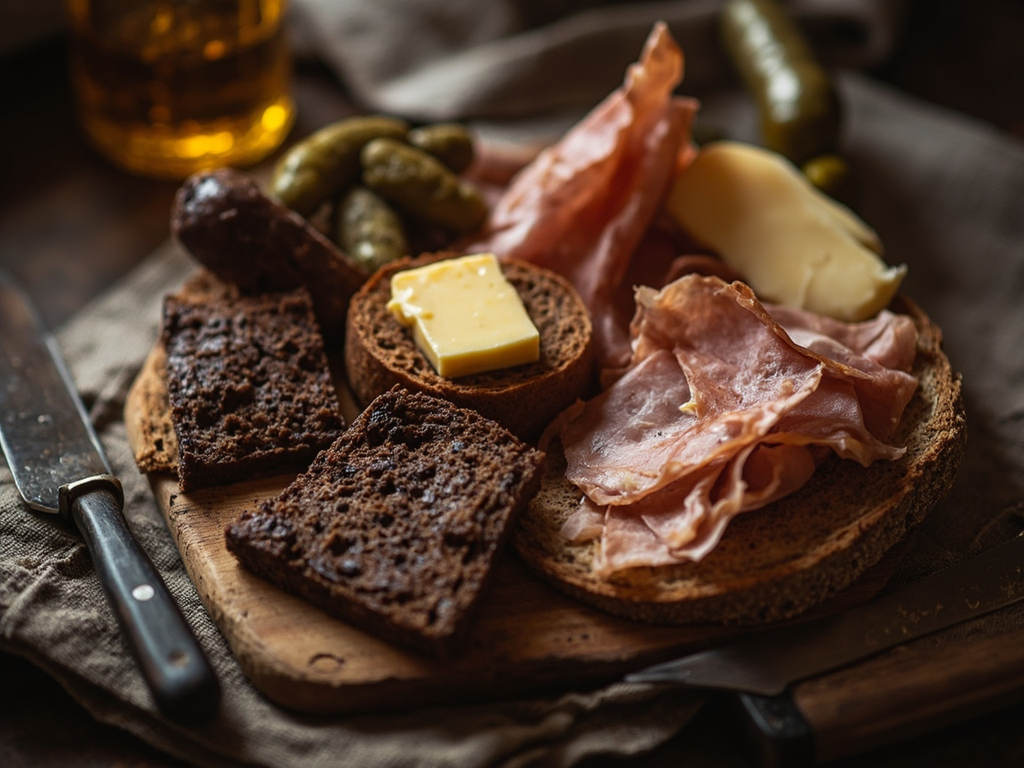
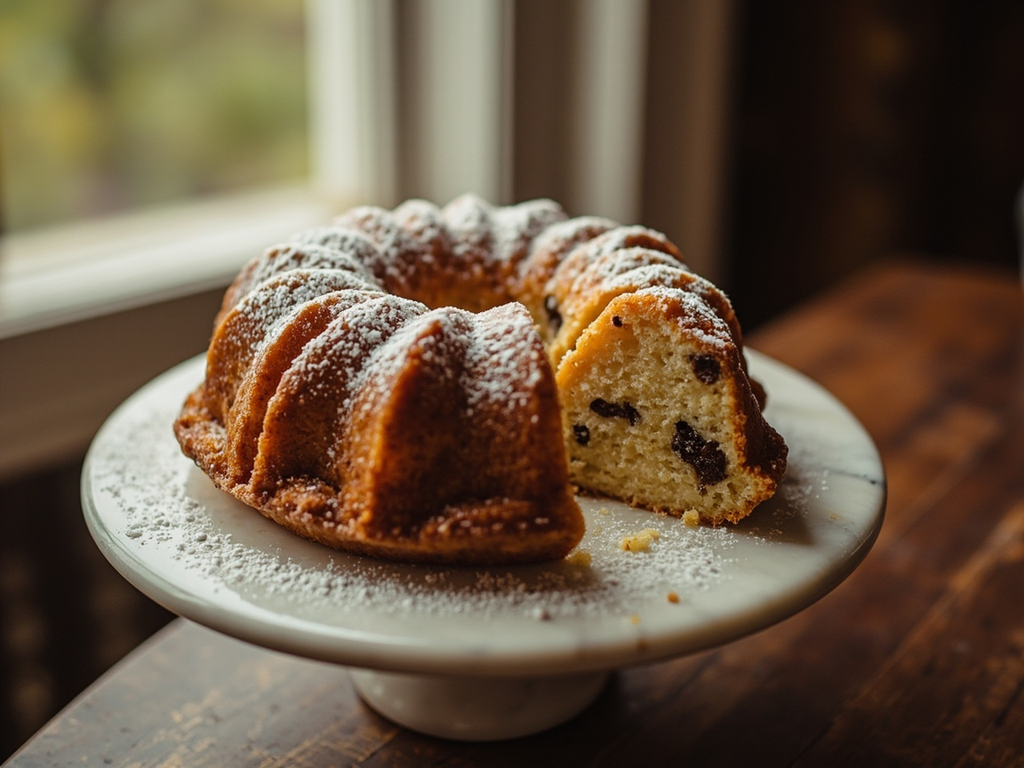
The day revolves around four moments: Frühstück (breakfast of bread, butter, and coffee), Mittagessen (hot midday meal, soup and meat in sauce), Kaffee und Kuchen (afternoon coffee-cake break, a social and intellectual ritual of the 19th century), and Abendbrot (cold supper of bread, cold cuts, and cheese). For Clara, this rhythm was disrupted by tours, but coffee and rye bread remained its pillars.
Signature : Coffee (Kaffee)
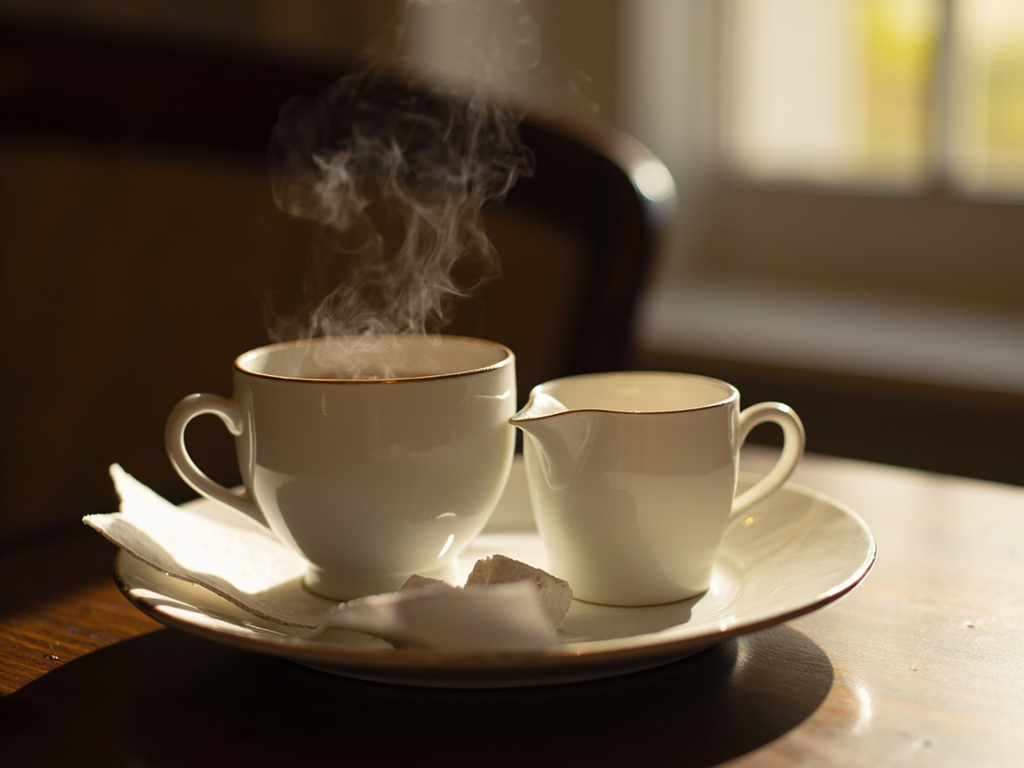
Central beverage of German intellectual and musical life. In Leipzig's salons as well as concert lodges, coffee sustained long hours of work, composition, and rehearsal. Clara drank it to endure her exhausting days as a virtuoso and mother of eight.
Clara Schumann at the table
1819 — 1896
5 period recipes
 Everyday
Abendbrot with rye bread and cold cuts
Abendbrot (cold evening supper)
🧂 🍄 🍋· 15 min
View the recipe
 Festive
Gugelhupf for Kaffee und Kuchen
Kaffee und Kuchen (afternoon coffee-cake)
🍯· 2 h 30 (including rising)
View the recipe
 Drink
DrinkCoffee Leipzig-style
Kaffee (salon and study beverage)
☕· 10 min
View the recipe
 Travel
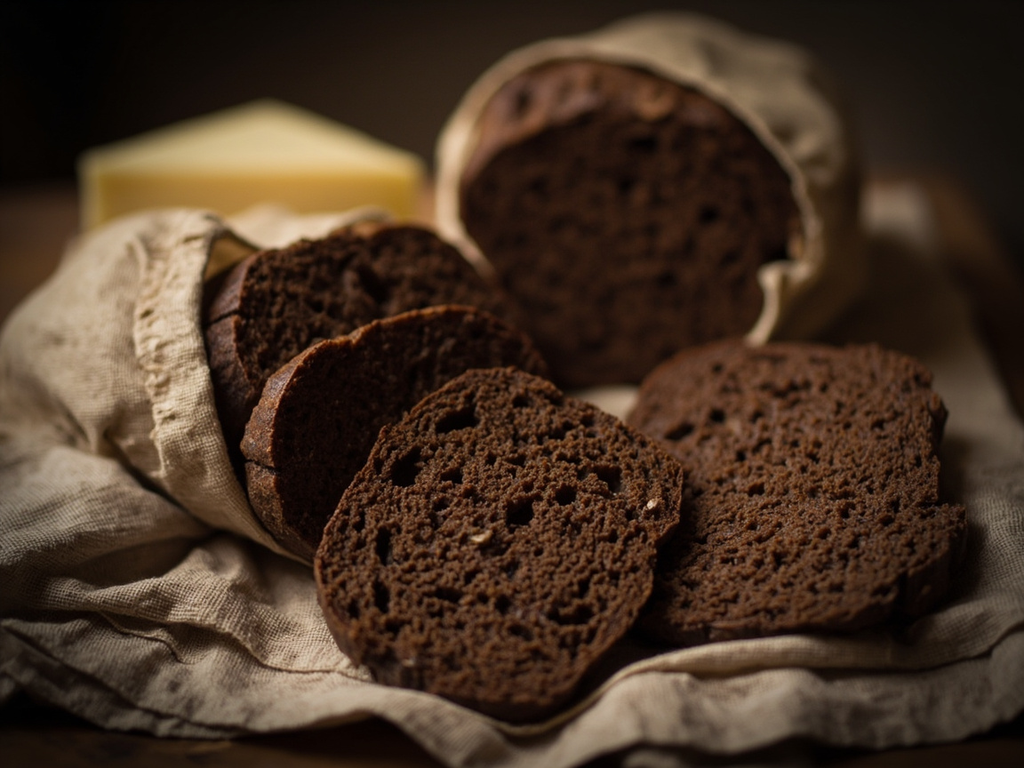
Travel Pumpernickel
Reiseproviant (tour provisions)
🍋 🍄· 2 days (fermentation + slow baking)
View the recipe
 Preserving
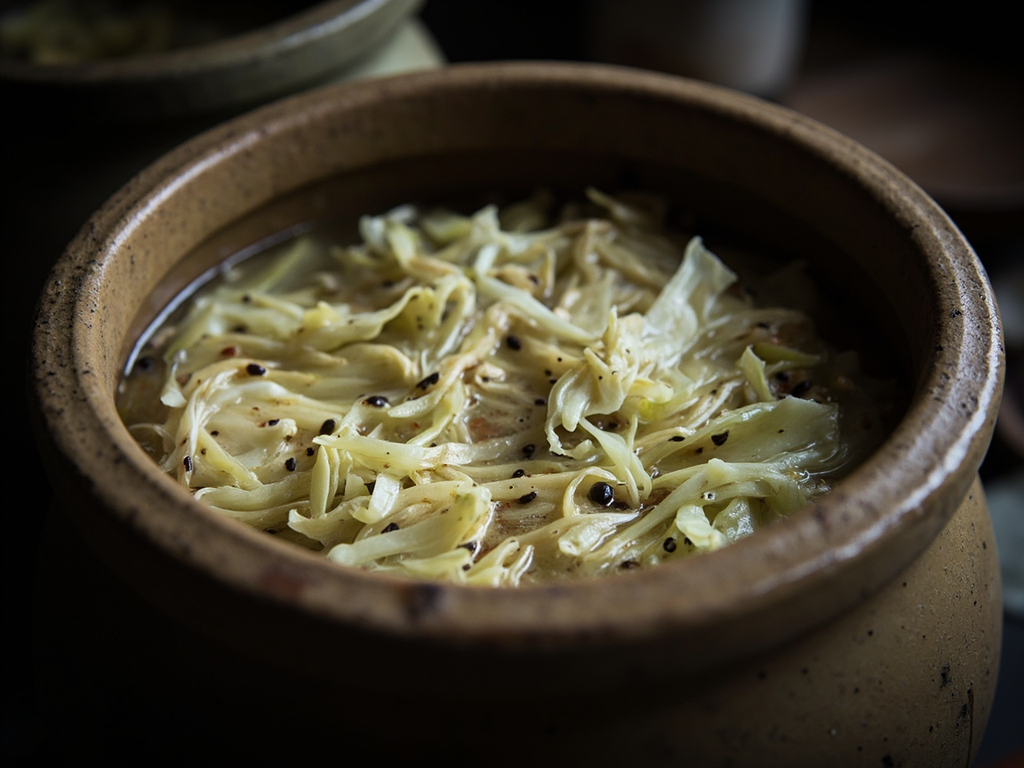
Saxon-style fermented sauerkraut
Eingemachtes (pantry preserves)
🍋 🫙 🧂· 30 min + 3 to 6 weeks fermentation
View the recipe