 Flip the card
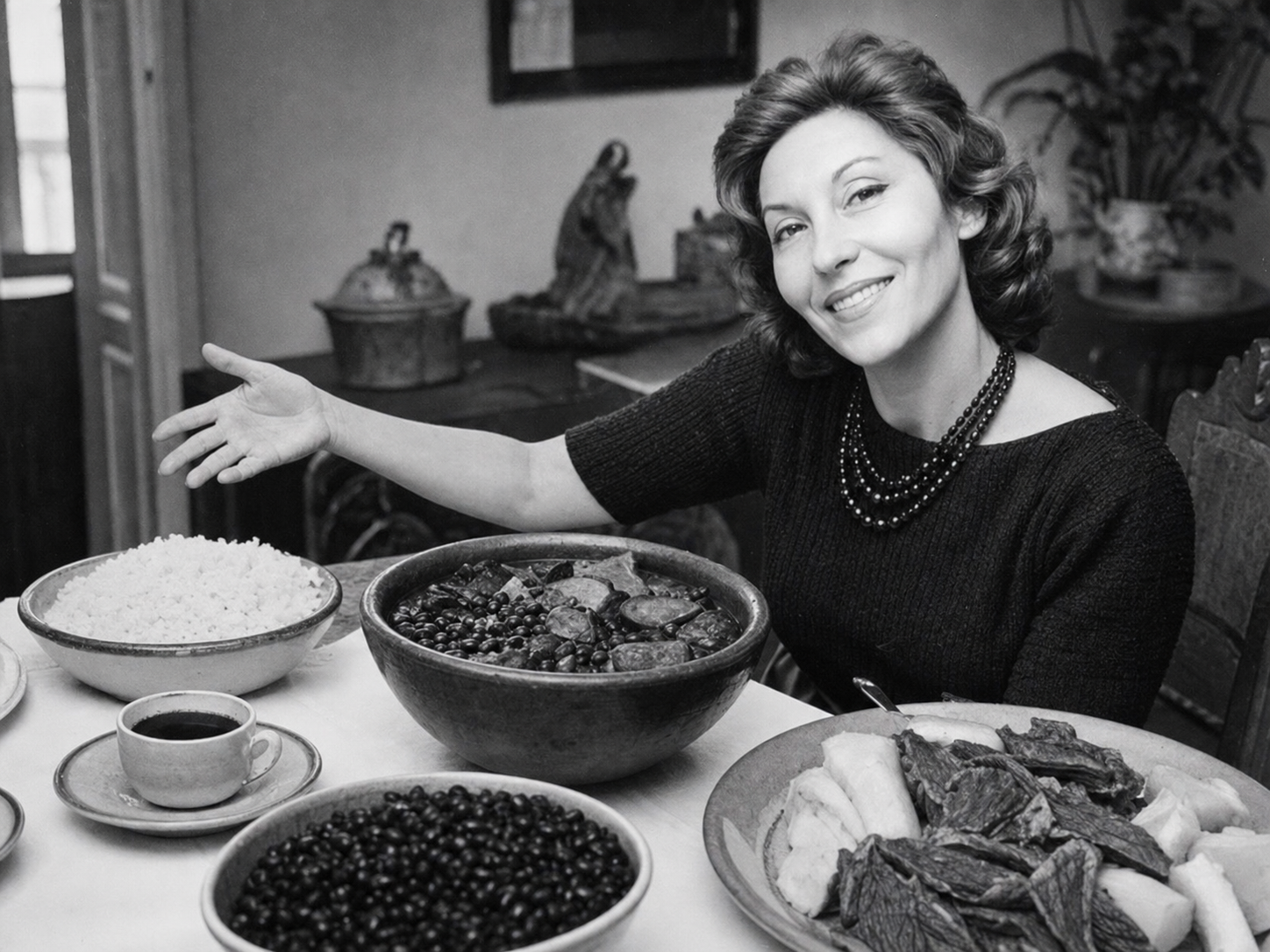
Clarice Lispector at the table
1920 — 1977
On the menu
As refeições brasileiras (the rhythm of the Brazilian meal)
The 20th-century Brazilian table revolves around café da manhã (breakfast, where black coffee reigns), the midday almoço built on the unshakable foundation of arroz-com-feijão (white rice + black beans), café da tarde (sweet afternoon break), and a lighter jantar. On Sundays, feijoada gathers the family. In the Northeast of Clarice's childhood, in Recife, the flavors of the sertão (dried meat, manioc) and sugarcane sweets sold on the street are added.
Signature : Slow-cooked black beans and very strong black coffee
Two absolute constants: the long-simmered black bean, soul of the daily Brazilian plate, and the strong cafezinho that Clarice drank endlessly while writing and smoking. One nourishes the body, the other keeps watch over the night of writing.
click to flip back
Clarice Lispector at the table
1920 — 1977
5 period recipes
 Drink
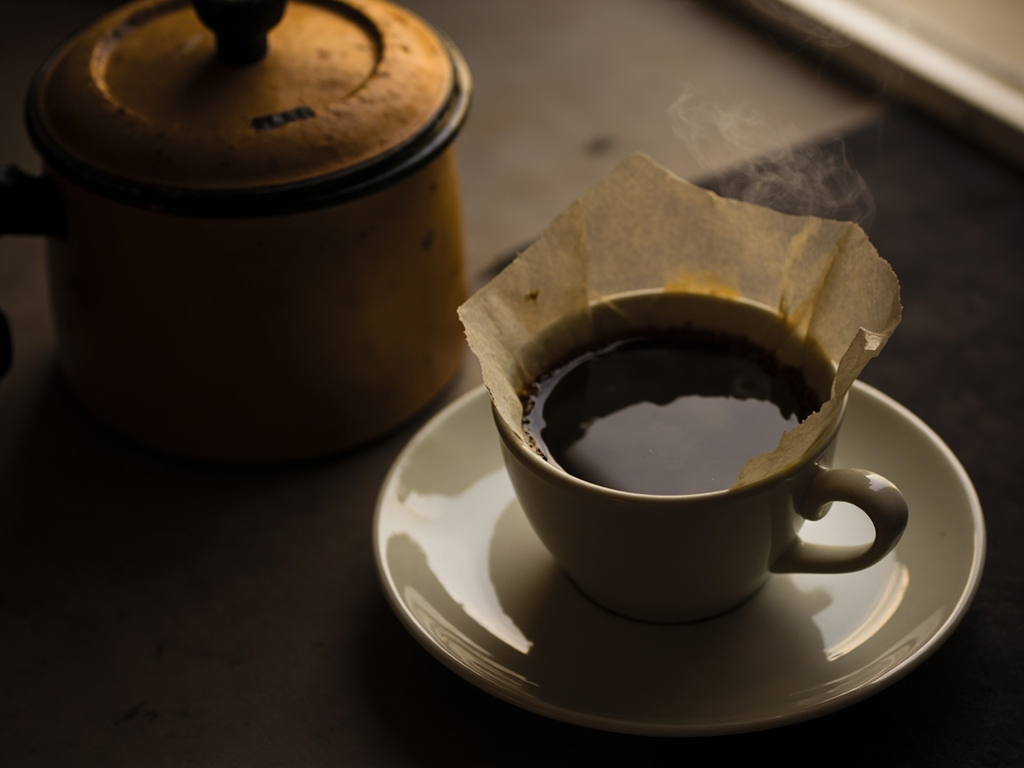
DrinkCafé preto forte (strong black coffee)
Café da manhã / cafezinho — the ritual drink that punctuates the entire Brazilian day
☕· 10 min
View the recipe
 Everyday
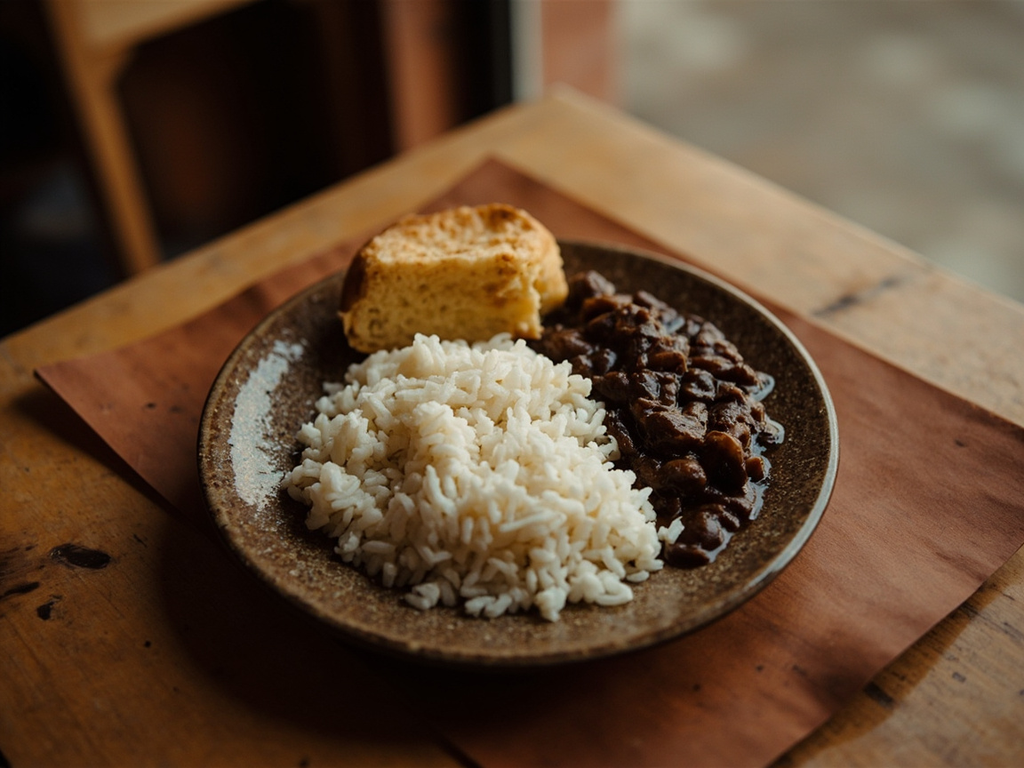
Arroz com feijão preto (white rice and black beans)
Almoço — the foundation of every Brazilian lunch, the basic plate on which the midday meal is built
🧂 🍄· 1 h 15 (plus soaking)
View the recipe
 Festive
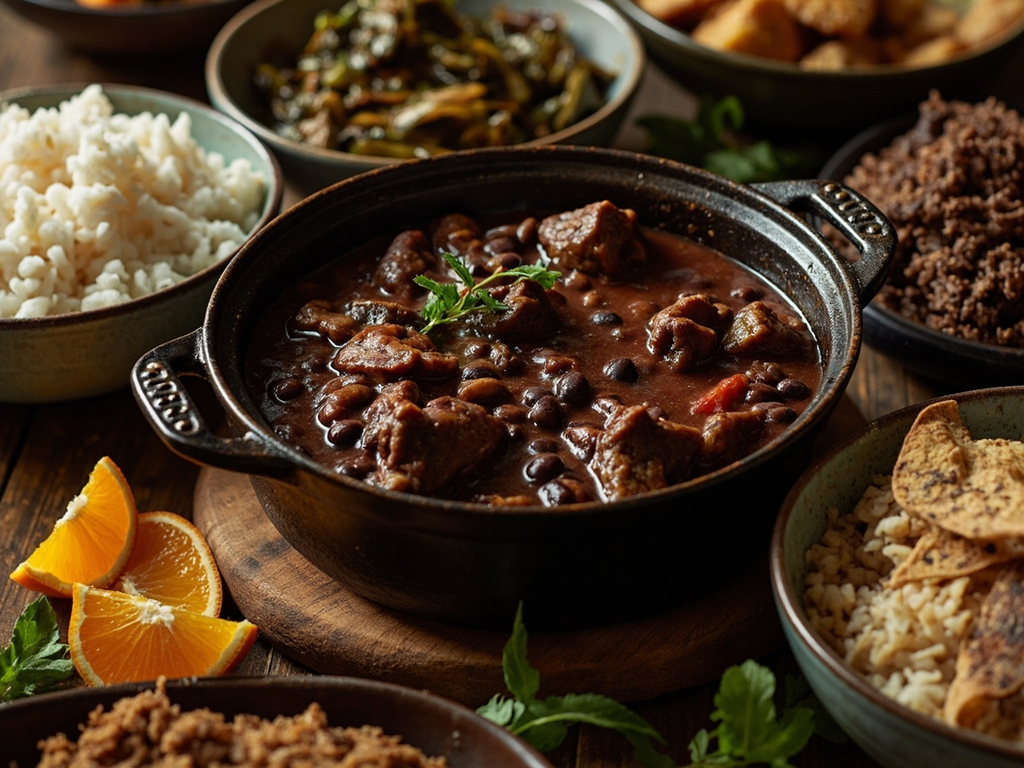
Feijoada (black beans and Sunday meats)
Almoço de domingo — the big Sunday family lunch that gathers the whole household around a single pot
🧂 🍄· 3 h (plus soaking)
View the recipe
 Preserving
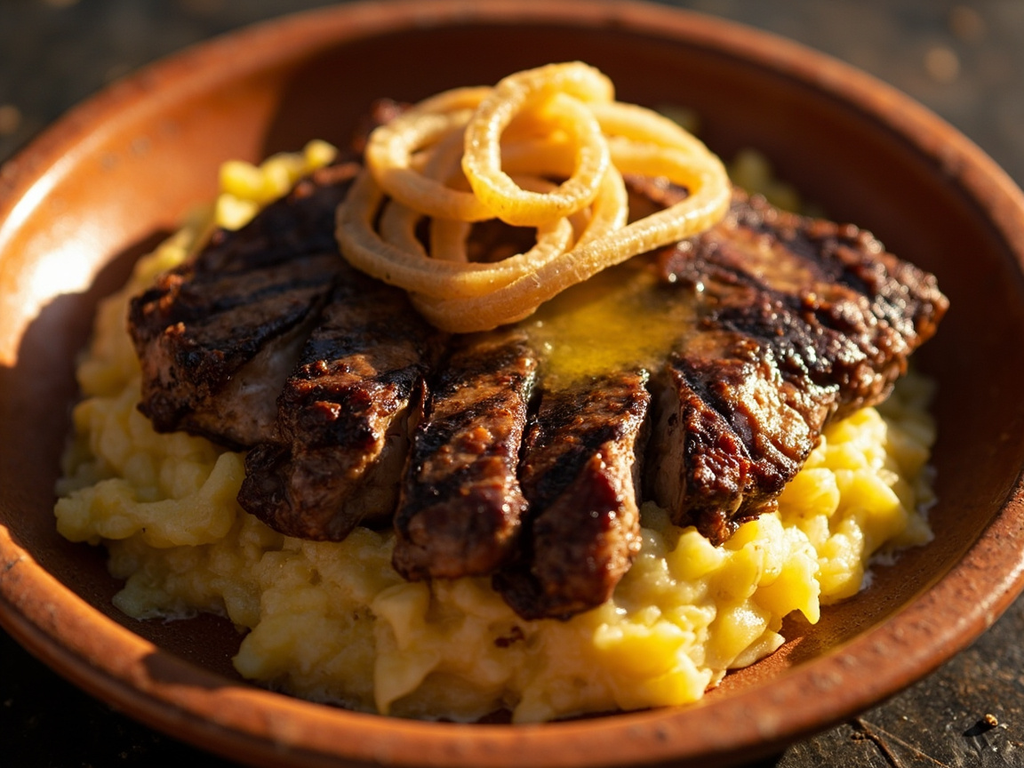
Carne de sol com macaxeira (sun-dried beef with manioc)
Comida do sertão — the pantry cuisine of the Northeast, born from the need to preserve meat under the sun of the hinterland
🧂 🍄· 1 h (plus salting/desalting)
View the recipe
 Street food
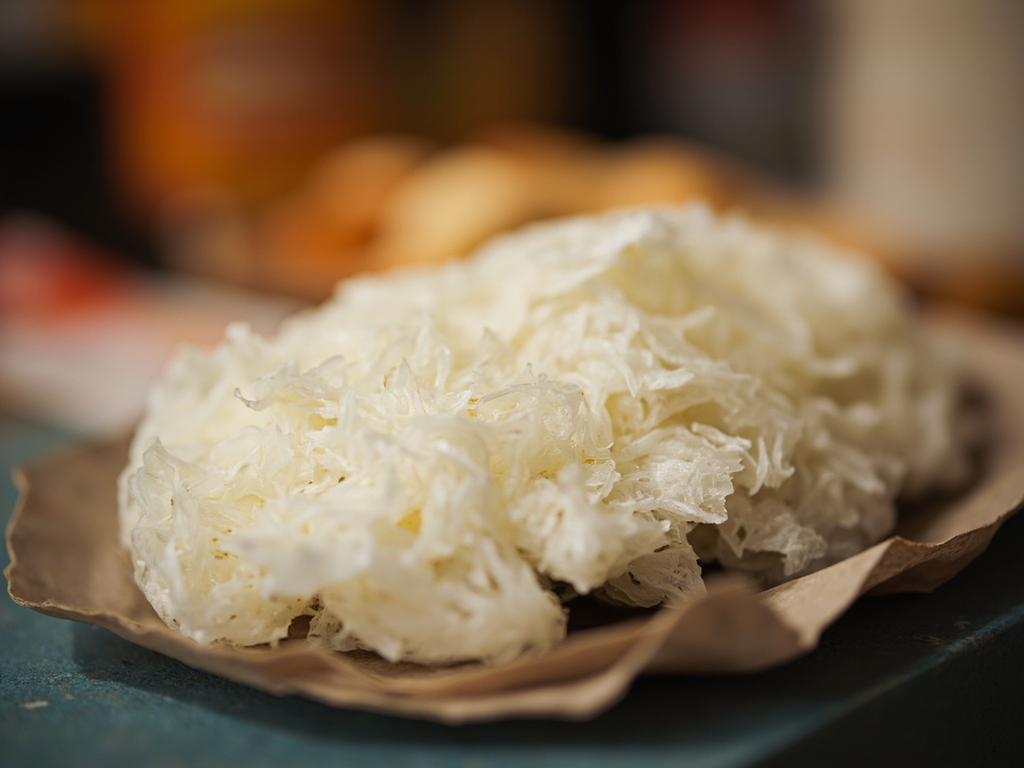
Tapioca de coco (manioc crepe filled with coconut)
Tapioca de rua — the manioc crepe of the tapioqueiras, cooked in minutes on the griddle and sold on the streets of Recife, from morning to night
🍯· 15 min
View the recipe