Courses and Entremets of the Medieval Banquet
At the table of European lords (12th–15th c.), the meal unfolds in several "courses" (or "dishes") brought in turn, each mixing roasts, soups and pies. Between two courses appear the "entremets" or "sotelties": spectacular pieces, often gilded, sometimes monstrous, made to astonish and amuse as much as to feed. Alongside this noble table live popular customs: everyday eggs, herbal remedies against poisons, and spiced wines closing the feasts. The cockatrice, a creature from bestiaries, haunts precisely this imagination of terrifying entremets and protections against poison.
Signature : Saffron Gilding (Endoring)
Key medieval technique: brushing meats, eggs or pastries with a mixture of egg yolk and diluted saffron to make them shine with a brilliant gold during cooking. Prestige dishes were thus "gilded" — and the more monstrous and golden a banquet beast appeared, the more it evoked fabulous creatures like the cockatrice or basilisk.
Cockatrice at the table
4 period recipes
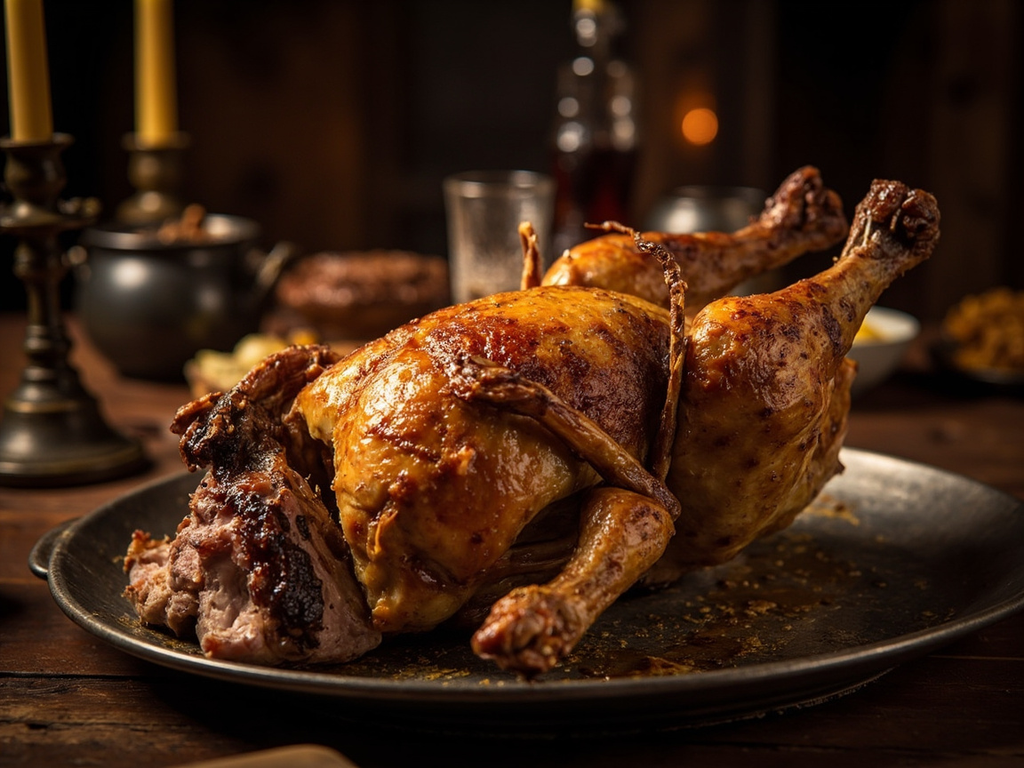 Festive
Cockentrice, the Counterfeit Entremets
Entremets (sotelty) between two courses of the banquet
🧂 🍄 🌶️· 3 h
View the recipe
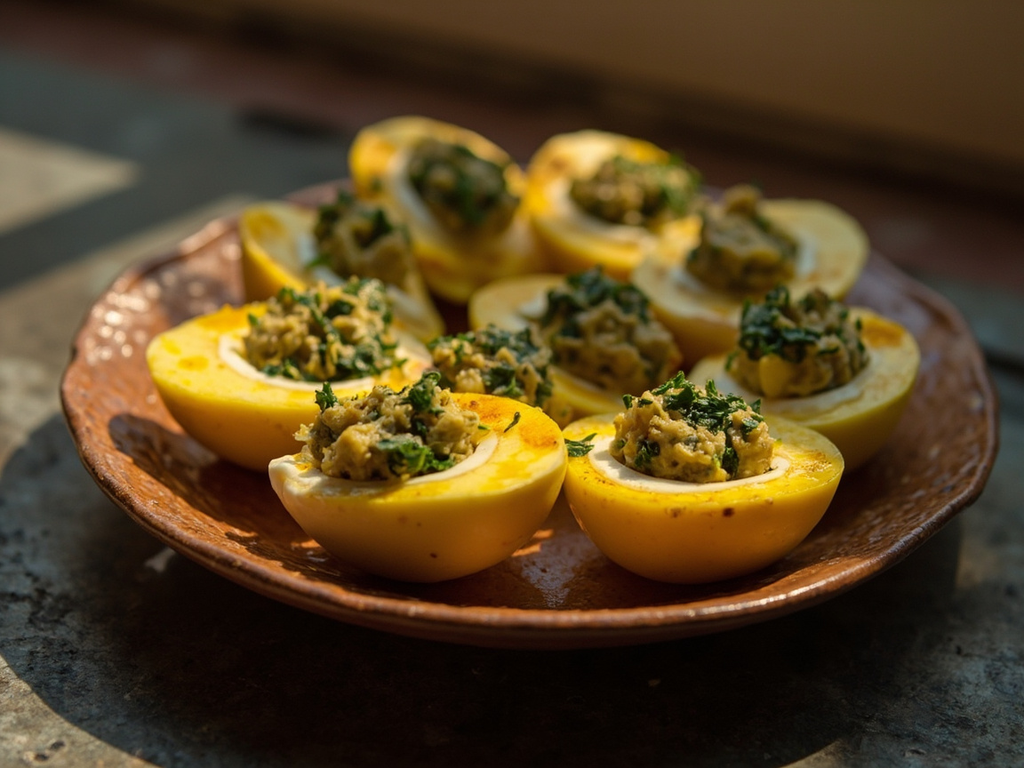 Everyday
Gilded Eggs with Herbs, Against the Cursed Egg
Potage dish/popular fare, outside banquet
🧂 🌶️· 30 min
View the recipe
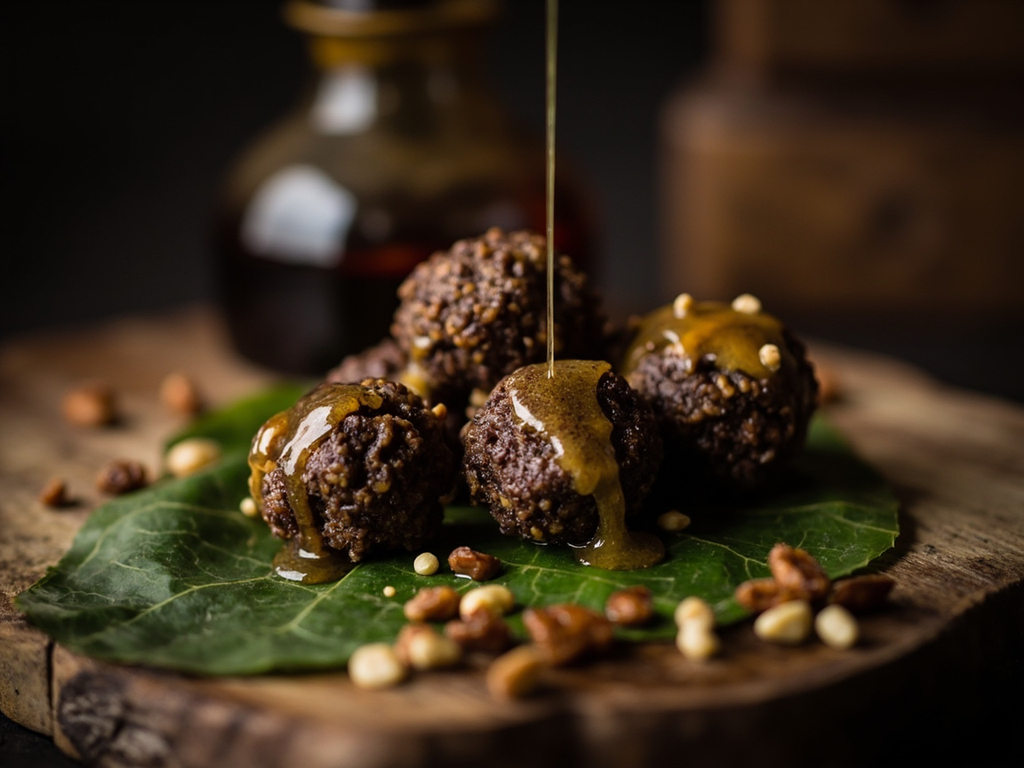 Remedy
Weasel Electuary, Remedy Against Venoms
Medicinal morning preparation (electuary) outside meals
☕ 🍯· 20 min
View the recipe
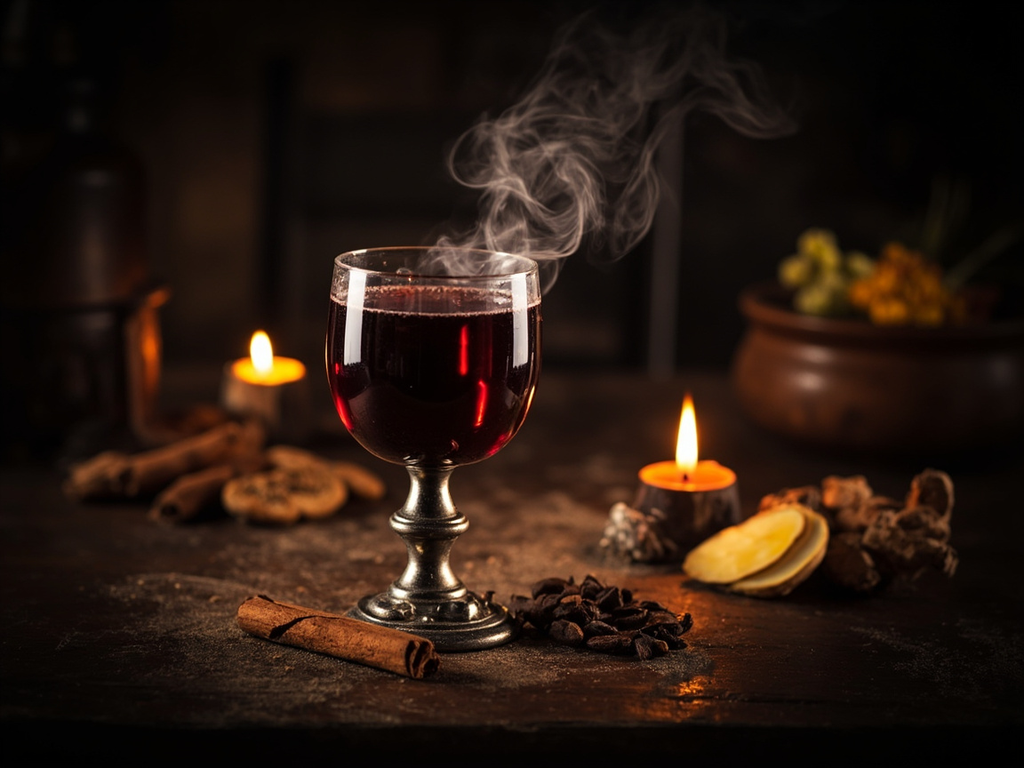 Drink
DrinkHippocras Against Venoms
Spiced drink closing the feast (table issue)
🍯 🌶️· 45 min
View the recipe