 flip
flipWeasel Electuary, Remedy Against Venoms
Weasel Electuary, Remedy Against Venoms
Why this dish? Only the weasel, which gorges on rue, is said to resist the gaze of the cockatrice and basilisk. Men copied this ruse by swallowing an electuary of rue, walnut and fig — the ancient antidote against all poison.
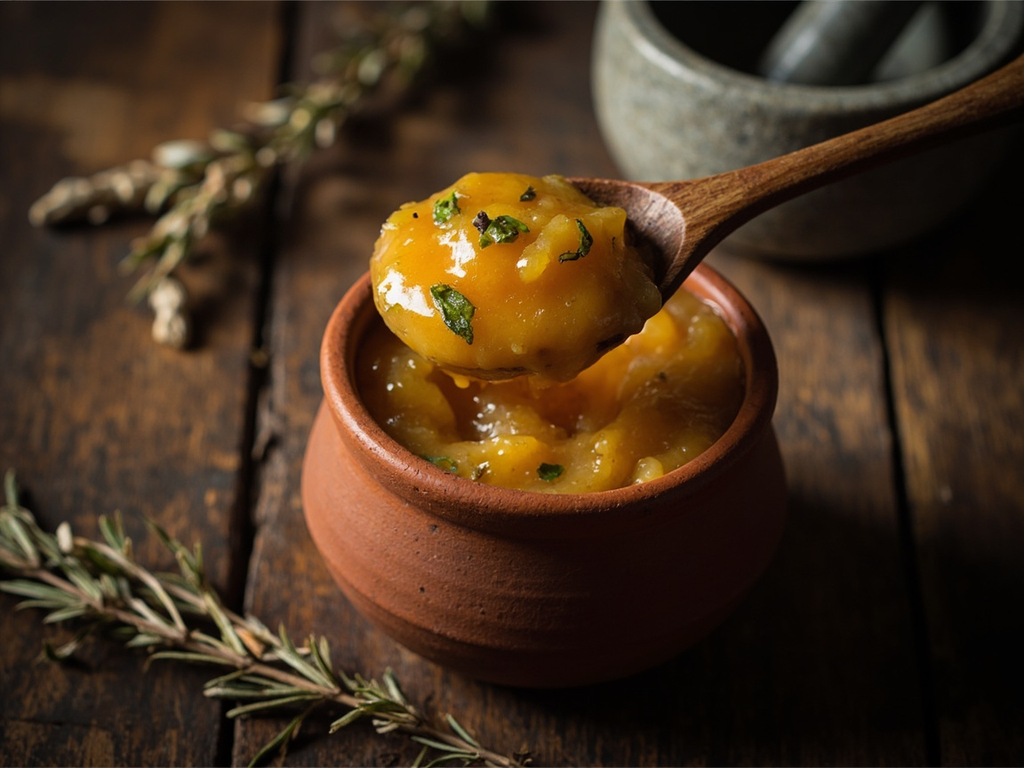
Ancient medicinal paste revived in the Middle Ages: walnuts, dried figs, rue leaves and salt pounded with honey, taken on an empty stomach to ward off poisons. Bitter and sweet at once.
Only one beast does not fear me: the puny weasel, which gorges on herb of grace before facing me and survives my gaze. Men, envious of this ruse, pounded bitter rue with walnut, fig and salt, then swallowed this paste each morning, believing themselves safe from all venom. Taste it if you dare: it is bitter as my rancor and sweet as the hope of fools. Believe in it, and perhaps my breath will spare you.
- •Rue leaves — a few (protective herb (bitterness))
- •Walnuts — two (body of the paste)
- •Dried fig — one (sweetness and binder)
- •Salt — a grain (purifying virtue)
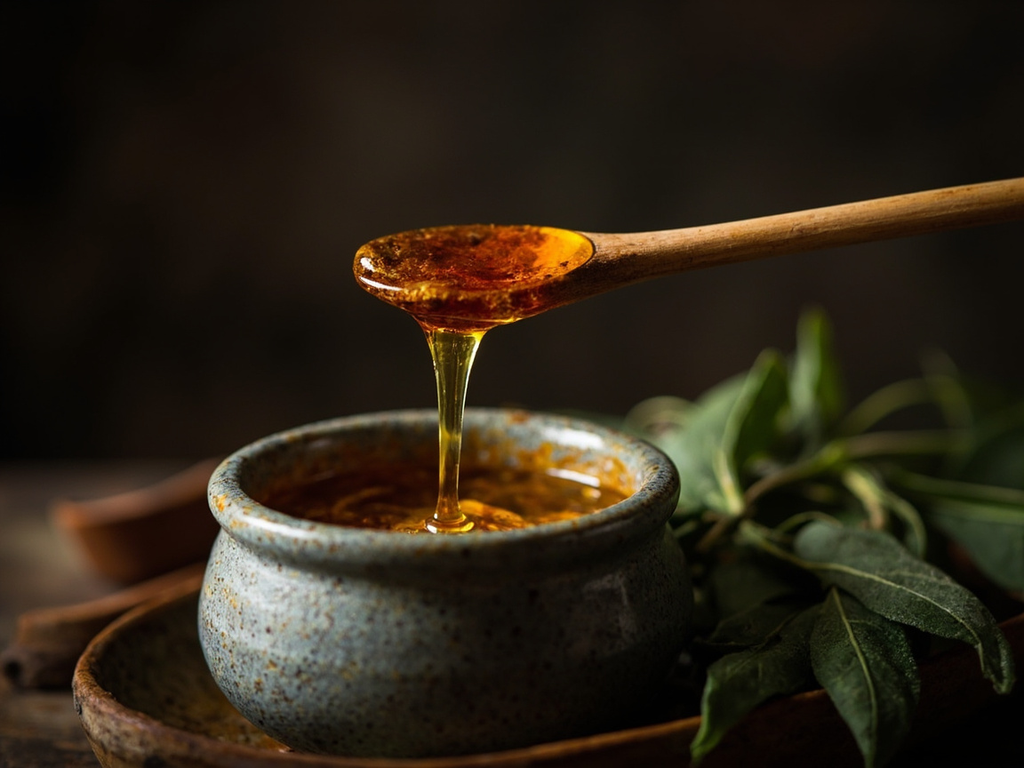
- •Honey — a drizzle (sweet binder)
Weasel Electuary, Remedy Against Venoms
Ancient medicinal paste revived in the Middle Ages: walnuts, dried figs, rue leaves and salt pounded with honey, taken on an empty stomach to ward off poisons. Bitter and sweet at once.
Why this dish? Only the weasel, which gorges on rue, is said to resist the gaze of the cockatrice and basilisk. Men copied this ruse by swallowing an electuary of rue, walnut and fig — the ancient antidote against all poison.
Only one beast does not fear me: the puny weasel, which gorges on herb of grace before facing me and survives my gaze. Men, envious of this ruse, pounded bitter rue with walnut, fig and salt, then swallowed this paste each morning, believing themselves safe from all venom. Taste it if you dare: it is bitter as my rancor and sweet as the hope of fools. Believe in it, and perhaps my breath will spare you.
Ingredients (period version)
- Rue leaves — a few (protective herb (bitterness))
- Walnuts — two (body of the paste)
- Dried fig — one (sweetness and binder)
- Salt — a grain (purifying virtue)
- Honey — a drizzle (sweet binder)
Ingredients
- Dried figs — 4 (sweet base of the paste)
- Walnut halves — 8 (body and crunch)
- Honey — 2 tbsp (binder)
- Fine salt — 1 pinch (seasoning)
- Rue leaves (optional, see safety note) or lemon thyme — 2 very small leaves OR 1/2 tsp thyme (symbolic bitter/herbaceous note)
Method
- Roughly pound or blend the walnuts with the dried figs until a thick paste forms.
- Add the honey and salt, mix into a pliable mass.
- For the symbolic bitterness, incorporate a very small amount of herb (lemon thyme recommended, or rue with extreme caution — see note).
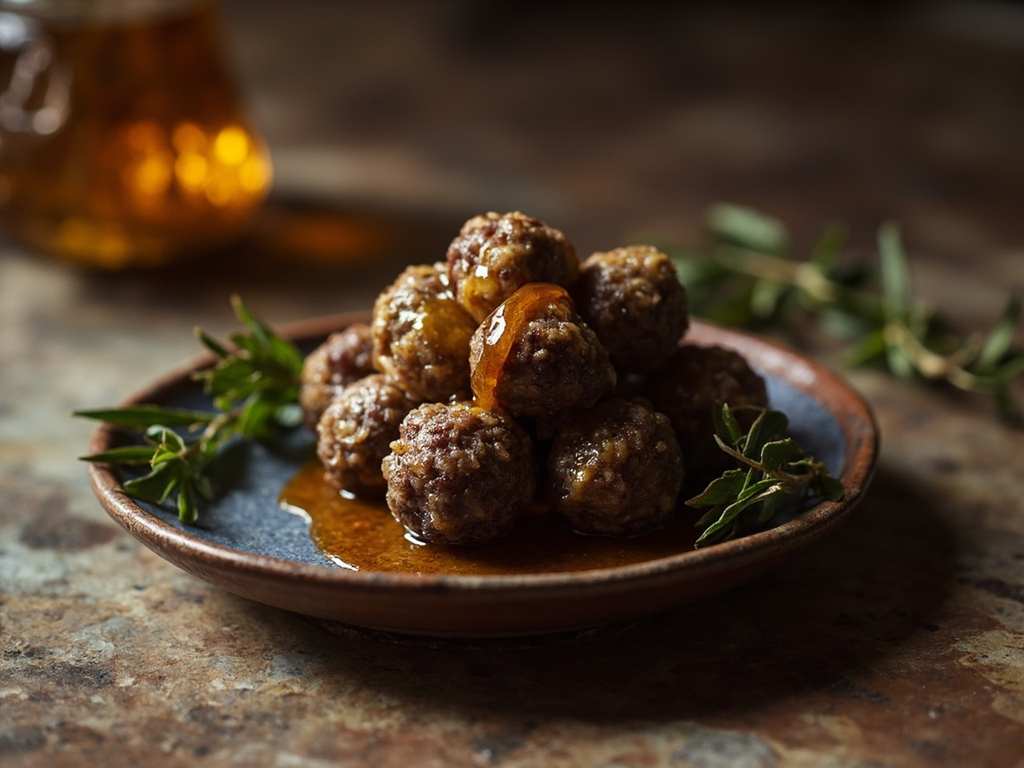
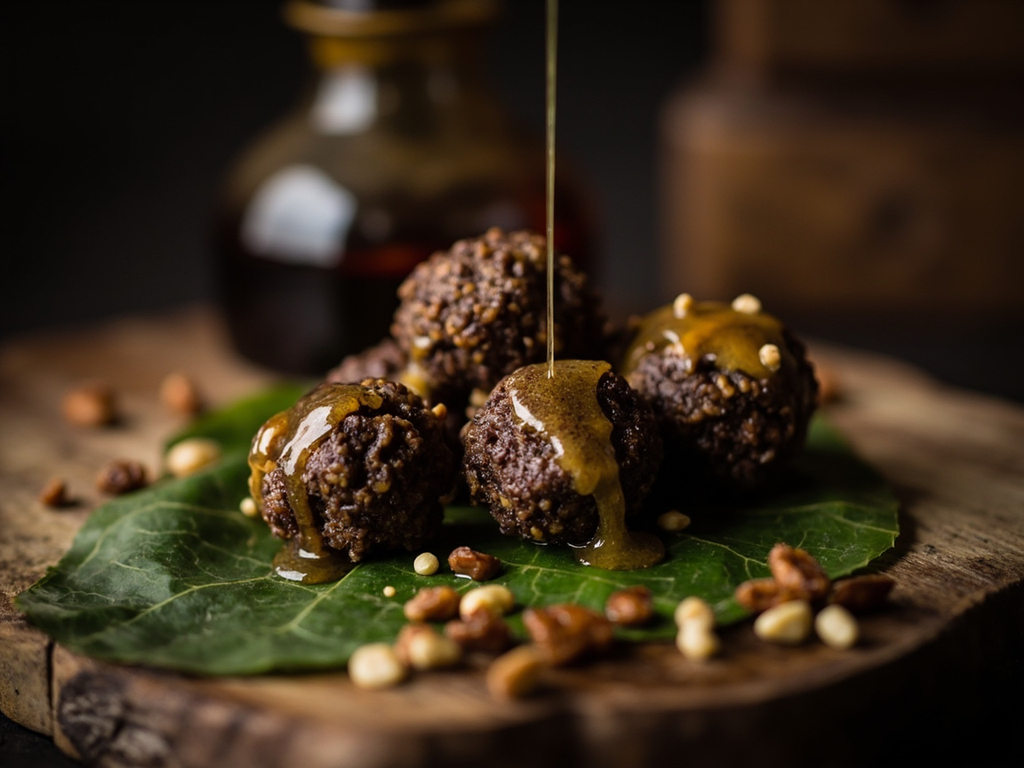
- Shape into small balls the size of a hazelnut.
- Store in a cool place and take only one, on an empty stomach in the morning, as a historical "fortifier."
How it was made : Pliny the Elder reports the so-called "Mithridatic" antidote: two walnuts, two figs, twenty rue leaves and a grain of salt, taken on an empty stomach, would protect against poisons for a day. The Middle Ages preserved this recipe in medical treatises and linked it to the rue-eating weasel, the only animal reputedly invulnerable to the basilisk. ⚠️ Rue is now discouraged for ingestion (toxic in high doses, photosensitizing, forbidden for pregnant women): it is replaced here by a harmless bitter herb.
The contemporary twist : Serve these bites as medieval-inspired "energy balls," rolled in crushed walnuts, on a fresh leaf as a nod to the weasel's herb.
Sources : Pliny the Elder, Naturalis Historia (Book XXIII, Mithridatic antidote; Book VIII, weasel and basilisk)
Cockatrice · Charactorium