La mesa criolla — from the barrio to the sobremesa
In Maradona's Argentina, a meal is not a succession of codified courses but a social rhythm. The day begins and stretches on around mate, the shared infusion that circulates from hand to hand. On weekdays, in working-class neighborhoods like Villa Fiorito, people eat a guiso or polenta that simmers and feeds many for little. On Sundays, everything revolves around the asado: meat slowly grilled on the parrilla, eaten standing then sitting, followed by the sobremesa, that long moment when you stay at the table talking about football and family. The street has its own cuisine — the choripán devoured at the stadium — and Argentine sweets revolve around dulce de leche, present from breakfast to dessert. It is a cuisine of generosity, shared abundance, inherited from the Italian and Spanish immigrants who settled the pampa.
Signature : The parrilla and chimichurri
The soul of the Argentine table comes down to two things: the wood fire under the cast-iron grate (the parrilla), which slowly cooks the meat over embers, and chimichurri, a raw sauce of garlic, parsley, oregano, vinegar, and oil spiced with dried mild chili (ají molido), of which every family keeps its own version. It is the totem seasoning that accompanies almost everything that comes off the grill.
Diego Maradona at the table
1960 — 2020
5 period recipes
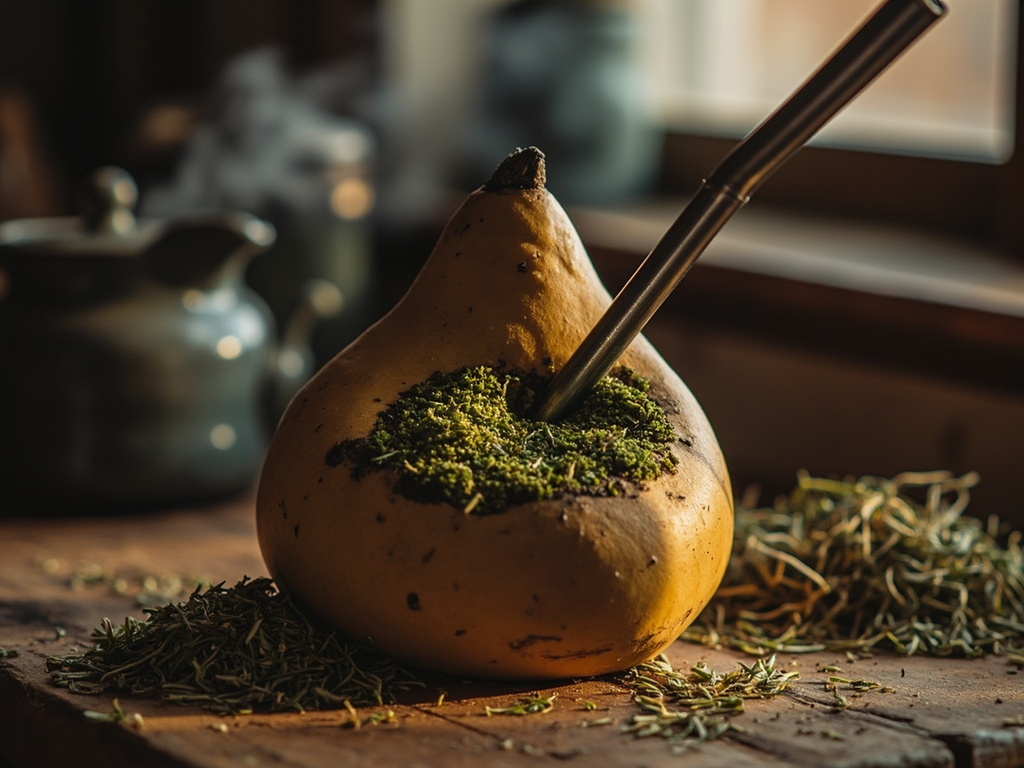 Drink
DrinkMate cebado
The mate round (the shared infusion)
☕· 10 min
View the recipe
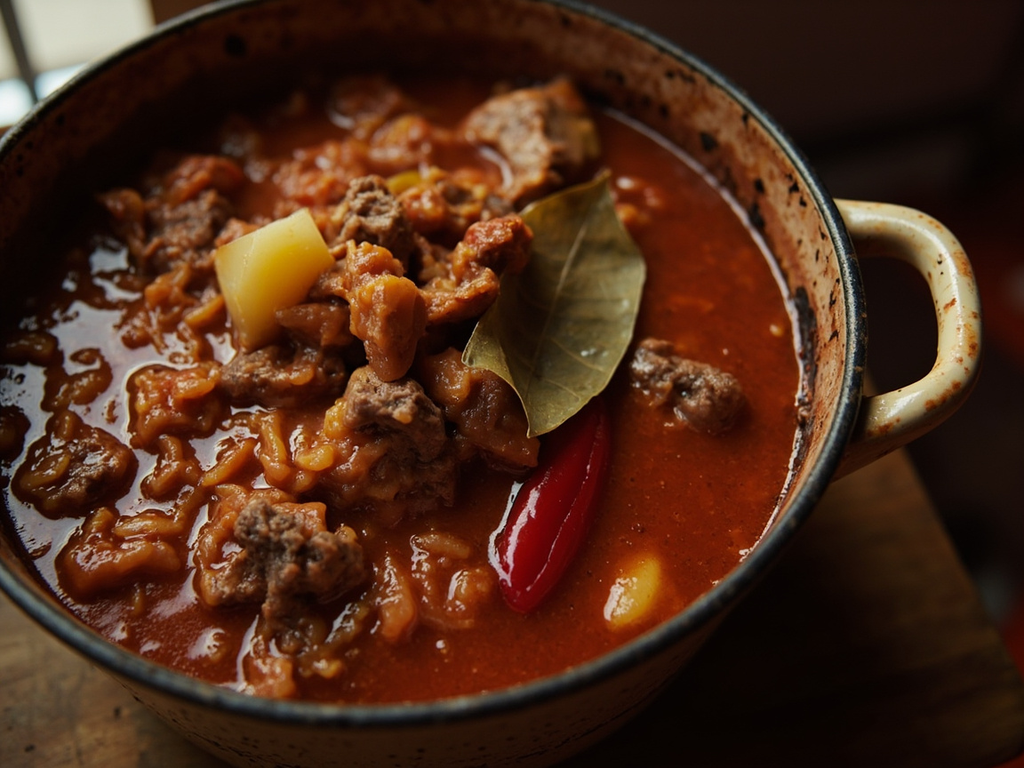 Everyday
Guiso de arroz criollo
El guiso de olla (the stew that feeds the household)
🧂 🍄· 1 h 20
View the recipe
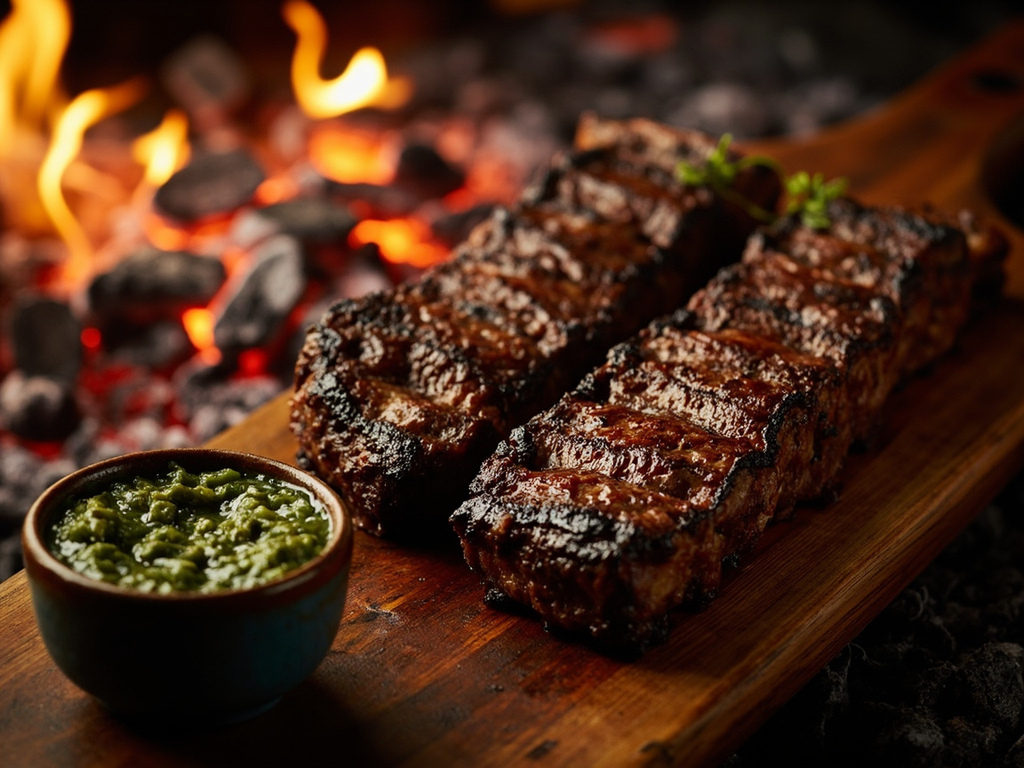 Festive
Asado de tira con chimichurri
El asado del domingo (the great grill ritual)
🧂 🍄 🍋· 1 h 30
View the recipe
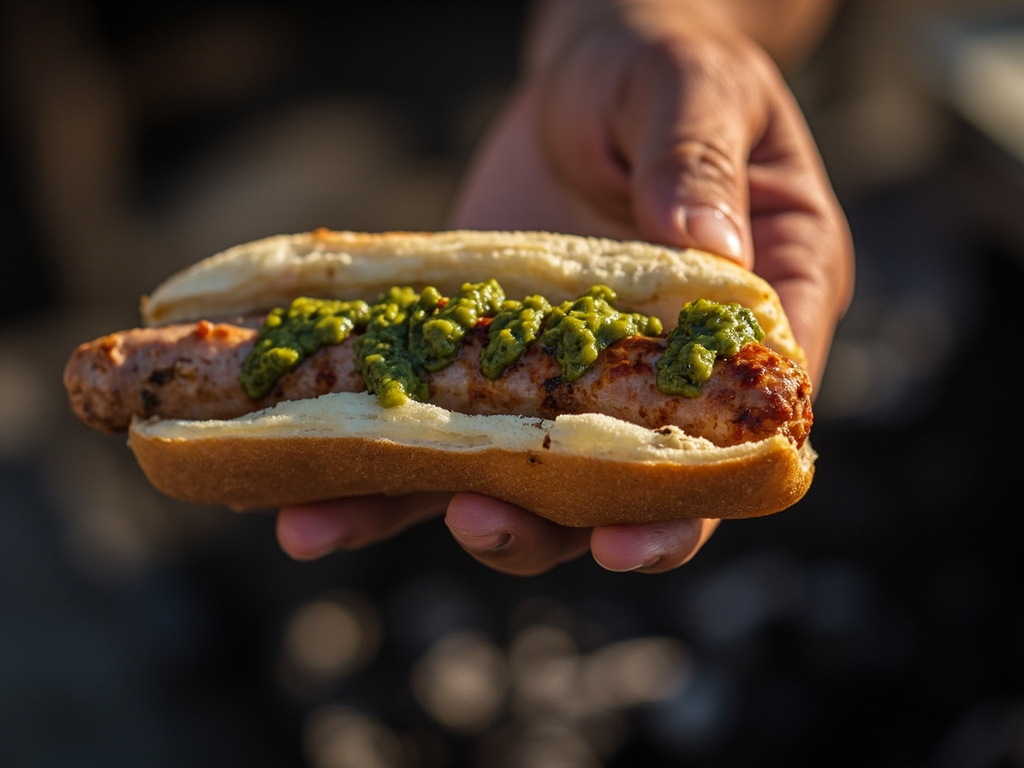 Street food
Choripán de cancha
La comida de la calle (street and stadium food)
🧂 🌶️ 🍋· 25 min
View the recipe
 Preserving
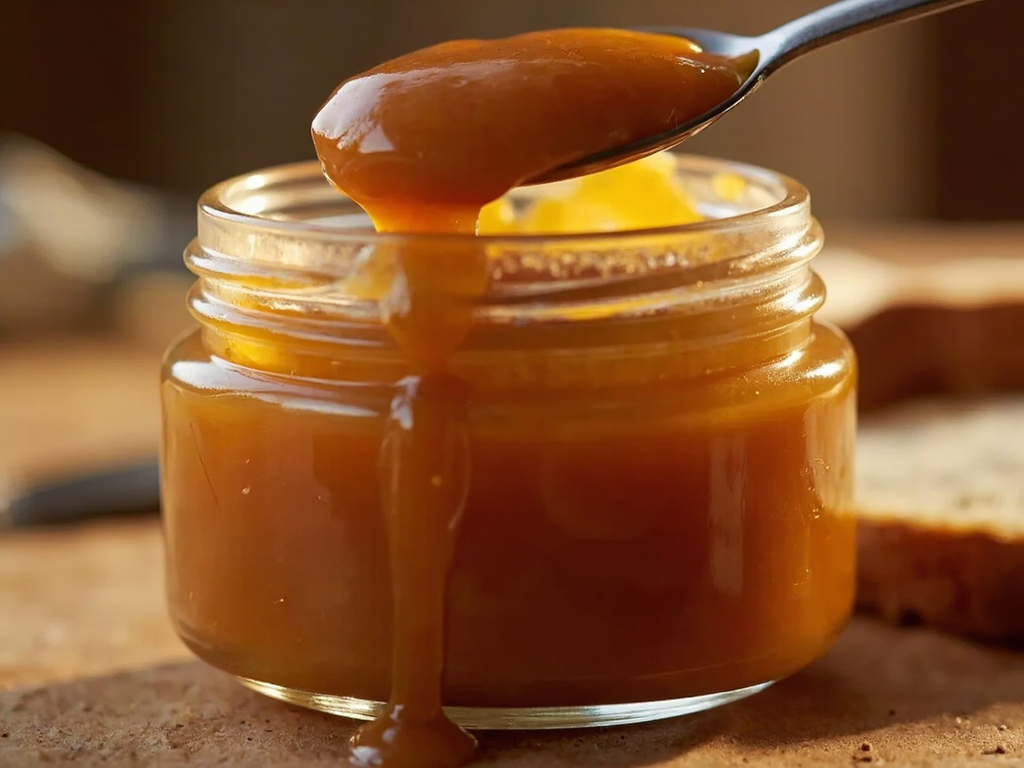
Dulce de leche casero
El dulce de despensa (the pantry sweet)
🍯· 2 h
View the recipe