 flip
flipGuiso de arroz criollo
Guiso de arroz criollo
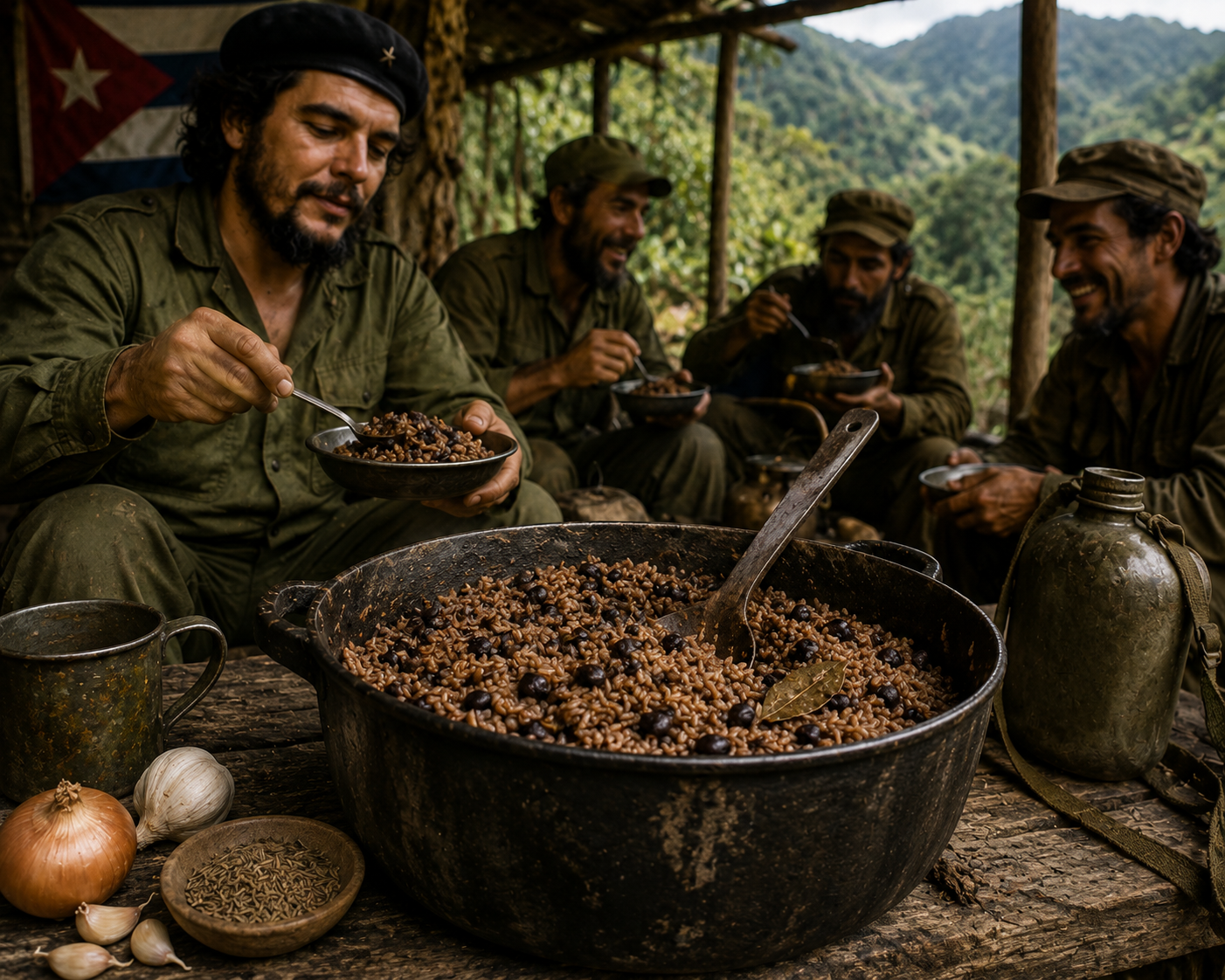
Why this dish? In the shack in Villa Fiorito, the Maradona family was large and poor. Guiso — a stew that stretches a little meat and a lot of starches — was the typical weekday meal: economical, hot, generous. It is the food that fed the 'pibe' before the stadiums.
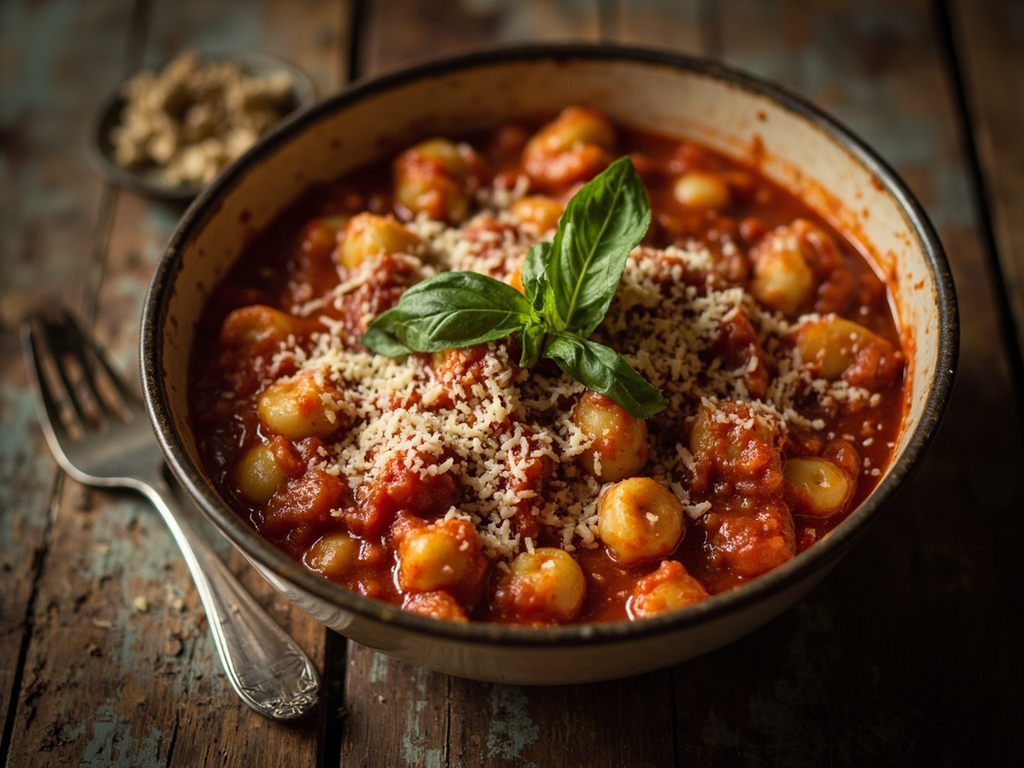
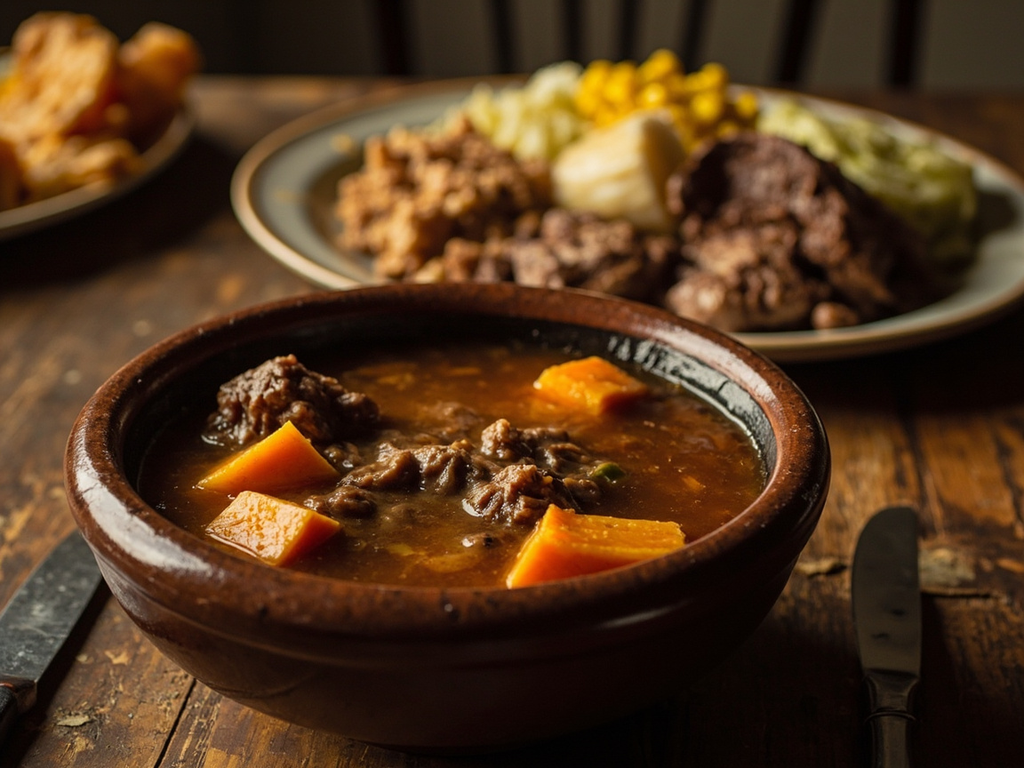
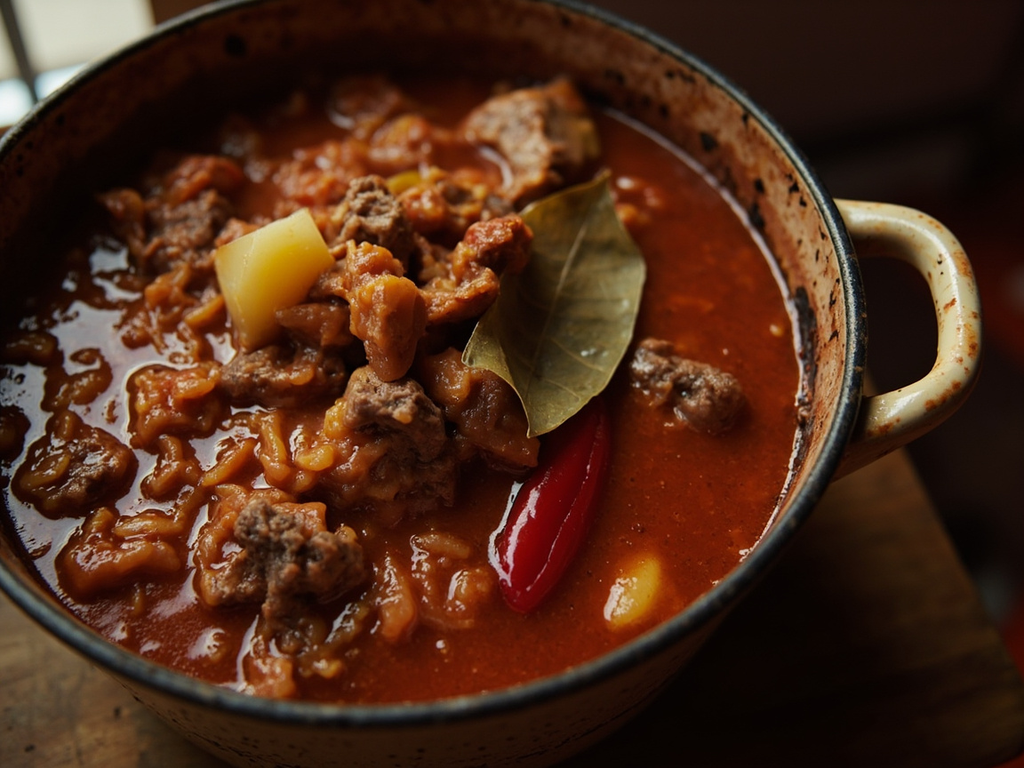
A rustic stew of rice simmered with leftover meat, vegetables, and tomato, scented with bay leaf and cumin. It is made in a large pot, fills stomachs, and reheats the next day. The comfort dish of Argentine working-class neighborhoods.
¿Sabés lo que es tener hambre de verdad, pibe? Yo sí. En casa éramos un montón y la plata no alcanzaba, pero la olla del guiso nunca faltaba en el fuego. Mi vieja agarraba lo que había — un poquito de carne, arroz, lo que sobraba — y te hacía un plato que te llenaba el alma. Le ponía su laurel, su comino, y eso olía a toda la casa. Comé despacio que hay para todos, y si querés más, hay, siempre hay.
- •Rice — a large cup (filling starch)
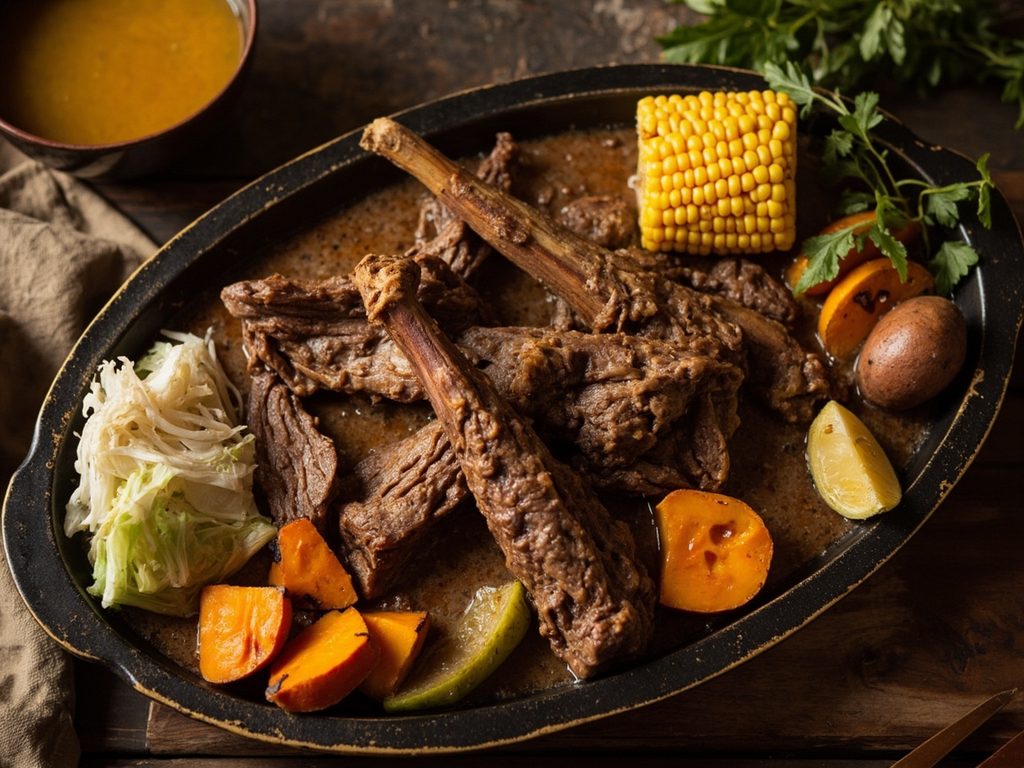
- •Beef leftovers or marrow bones — whatever you have (flavor base, umami)
- •Onion, carrot, bell pepper — whatever you have (aromatic base (sofrito))
- •Tomato (fresh or canned) — a few (tangy binder)
- •Bay leaf, cumin, salt — to taste (flavor)
- •Potatoes or squash — a few pieces (thickener, volume)
Guiso de arroz criollo
A rustic stew of rice simmered with leftover meat, vegetables, and tomato, scented with bay leaf and cumin. It is made in a large pot, fills stomachs, and reheats the next day. The comfort dish of Argentine working-class neighborhoods.
Why this dish? In the shack in Villa Fiorito, the Maradona family was large and poor. Guiso — a stew that stretches a little meat and a lot of starches — was the typical weekday meal: economical, hot, generous. It is the food that fed the 'pibe' before the stadiums.
¿Sabés lo que es tener hambre de verdad, pibe? Yo sí. En casa éramos un montón y la plata no alcanzaba, pero la olla del guiso nunca faltaba en el fuego. Mi vieja agarraba lo que había — un poquito de carne, arroz, lo que sobraba — y te hacía un plato que te llenaba el alma. Le ponía su laurel, su comino, y eso olía a toda la casa. Comé despacio que hay para todos, y si querés más, hay, siempre hay.
Ingredients (period version)
- Rice — a large cup (filling starch)
- Beef leftovers or marrow bones — whatever you have (flavor base, umami)
- Onion, carrot, bell pepper — whatever you have (aromatic base (sofrito))
- Tomato (fresh or canned) — a few (tangy binder)
- Bay leaf, cumin, salt — to taste (flavor)
- Potatoes or squash — a few pieces (thickener, volume)
Ingredients
- Round rice — 250 g (starch, thickens the broth)
- Beef for braising (chuck), diced — 300 g (protein, umami)
- Onion — 1 large (sofrito base)
- Carrot + red bell pepper — 1 + 1 (sweetness, color)
- Crushed tomatoes — 400 g (sauce, acidity)
- Potato — 2 medium (body, satiety)
- Bay leaf, ground cumin, sweet paprika, salt — 2 leaves + 1 tsp + 1 tsp (criollo seasoning)
- Beef broth — 1 liter (cooking liquid)
Method
- Sear the beef cubes in a drizzle of oil in a large pot, then set aside.
- Sauté chopped onion, carrot, and bell pepper until soft (the sofrito), add cumin and paprika.
- Return the meat, add crushed tomatoes, bay leaf, and cover with broth; simmer covered for 40 min.
- Add cubed potatoes, cook another 15 min.
- Pour in the rice, add more broth if needed, cook another 15–18 min stirring: the guiso should remain moist and coating, not dry.
- Adjust salt, remove bay leaf, serve piping hot in deep bowls.
How it was made : Guiso is the direct heir of the pot dishes of Spanish and Italian immigrants, adapted to the means of Argentine working-class families of the 20th century. Depending on the budget, you put in more or less meat; rice, lentils, or pasta (guiso de fideos) served to stretch the dish. One pot fed the whole household for several days.
The contemporary twist : Served in an individual mini cast-iron pot with a sprinkle of fresh parsley, the barrio guiso becomes an assumed comforting bistro dish.
Diego Maradona · Charactorium