Middag and kveldsmat — the rhythm of the Norwegian table
In Munch's time, the Norwegian day was not divided into starter-main-dessert, but around a single hot meal, the middag (mutton, fish, or porridge), taken in the middle of the day, flanked by cold bread-based meals: frokost in the morning and kveldsmat in the evening, where one spreads brunost and salted fish on flatbrød or rye bread. On feast days, a thick porridge, grøt, was cooked as a sign of prosperity; in summer, forest berries were bottled to last the long winter. It is a frugal cuisine, of farmers and fishermen, which became that of a painter who had returned from his excesses.
Signature : Brunost and rømme — milk, whey, and sour cream
The soul of this cuisine lies in transformed milk: brunost, a whey cheese slowly caramelized until brown and almost sweet, and rømme, thick and tangy sour cream. These dairy products, born from the need to preserve milk from the mountain pastures, flavor both the morning slice and the festive porridge.
Edvard Munch at the table
1863 — 1944
5 period recipes
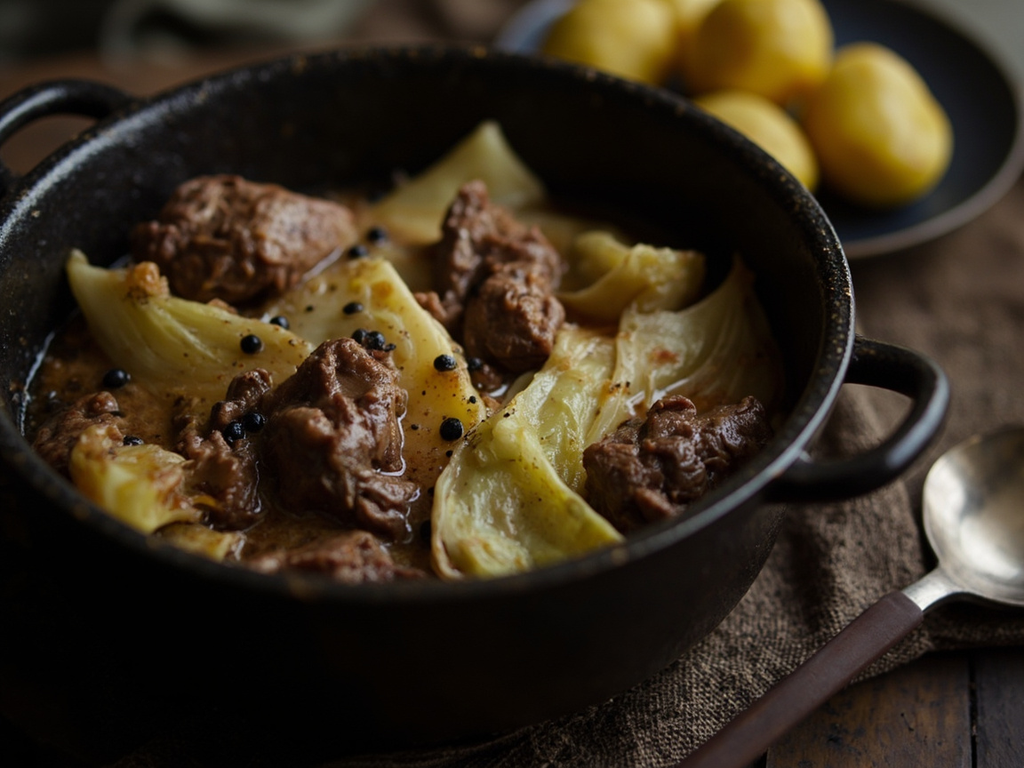 Everyday
Fårikål — mutton and cabbage with black pepper
Middag (the hot meal of the day)
🧂 🌶️· 2 h
View the recipe
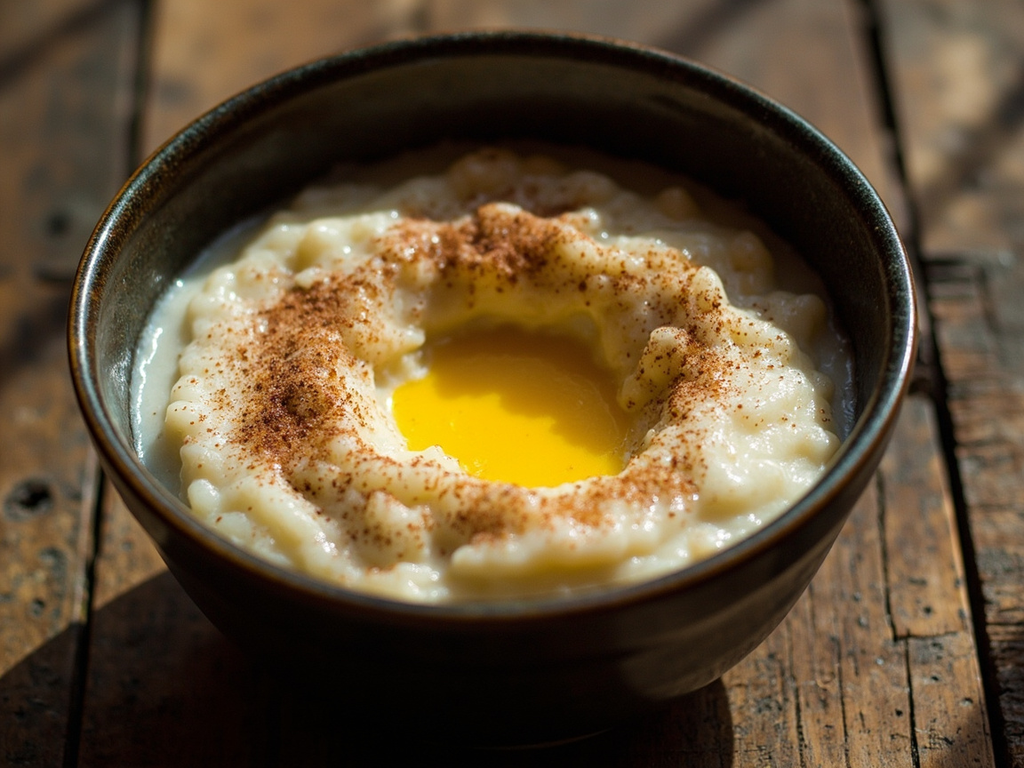 Festive
Rømmegrøt — sour cream porridge with cinnamon
Festgrøt (the feast-day porridge)
🍯· 40 min
View the recipe
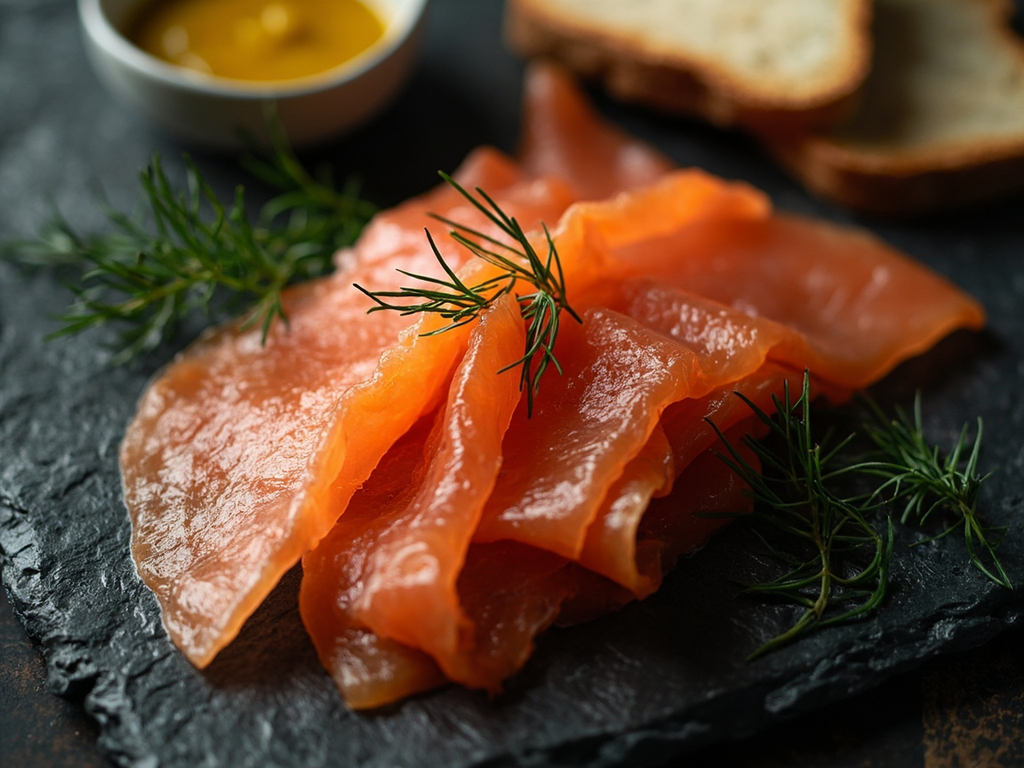 Preserving
Gravlaks — salt- and sugar-cured salmon with dill
Pålegg de fête (festive smørbrød topping)
🧂 🍋· 30 min + 48 to 72 h marinating
View the recipe
 Drink
DrinkBlåbærsaft — wild blueberry cordial
Saft (preserved berry drink)
🍯 🍋· 45 min
View the recipe
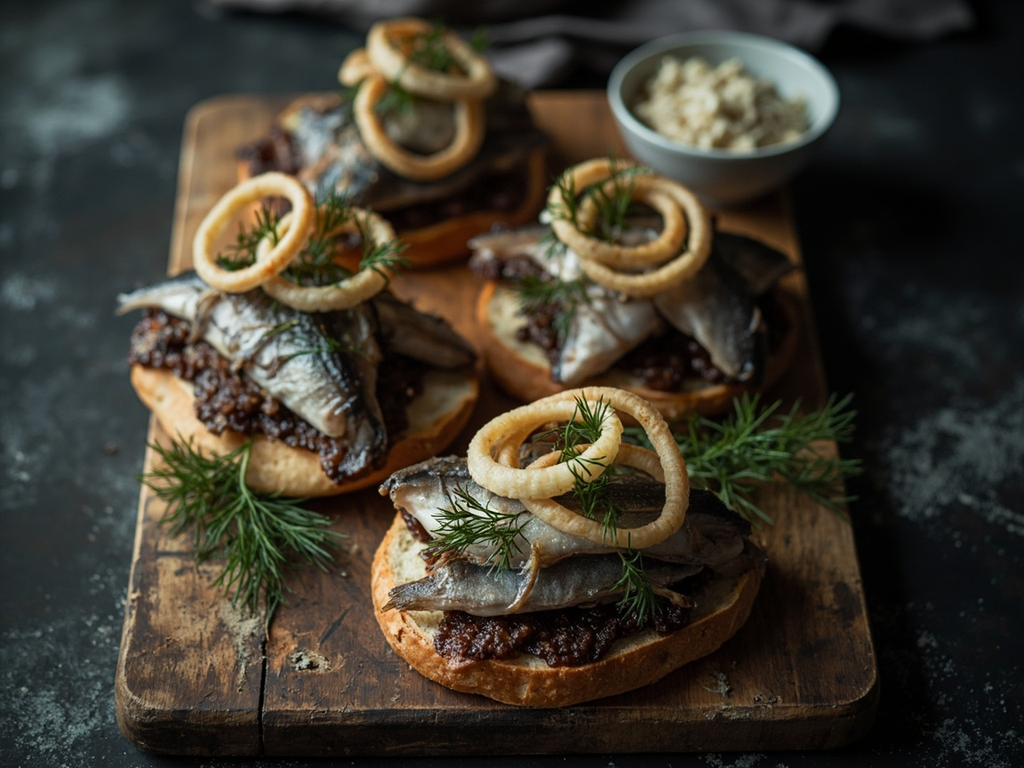 Street food
Spekesild på flatbrød — salted herring on flatbread
Kveldsmat / matpakke (cold evening snack or studio snack)
🧂 🫙 🍋· 25 min (plus desalting)
View the recipe