Imperial *stol* (Russian table with multiple services, in the 'French service' style)
At Elizabeth's court, the meal unfolds in several 'services' brought together: *zakouski* (appetizers and salted items eaten standing, sometimes with a glass of vodka), then soups and *pirogi*, roasts and river fish, and finally sweets and preserves. It is not a modern French 'starter, main, dessert' sequence, but an abundant succession where peasant Russian (black bread, *kasha*, sturgeon) and French refinement (sauces, wines, sweet entremets) coexist on the same tablecloth.
Signature : Volga sturgeon and its caviar
The king of fish in Russian rivers dominates the imperial table: its firm flesh is served roasted or in aspic, and its eggs (*ikra*) constitute the most typically Russian luxury, placed on black rye bread which serves as the foundation of all the country's cuisine.
Elizabeth I of Russia at the table
1709 — 1762
5 period recipes
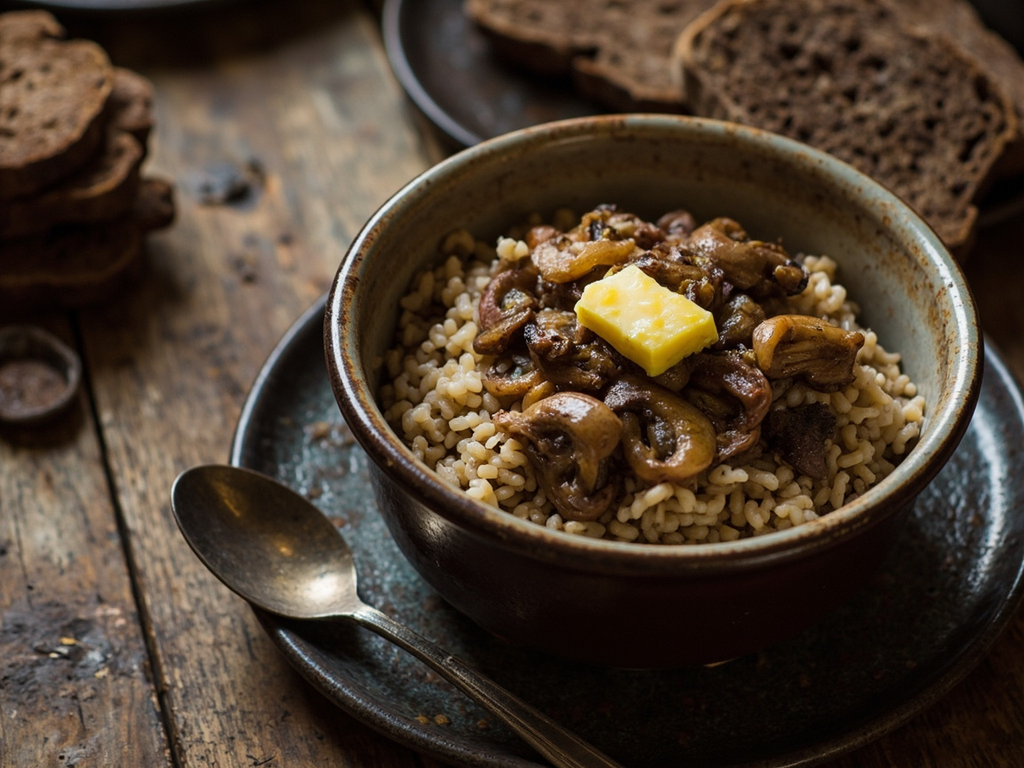 Everyday
Buckwheat *kasha* with butter and mushrooms
*Kasha* (grain porridge, daily staple of all Russian tables)
🍄 🧂· 35 min
View the recipe
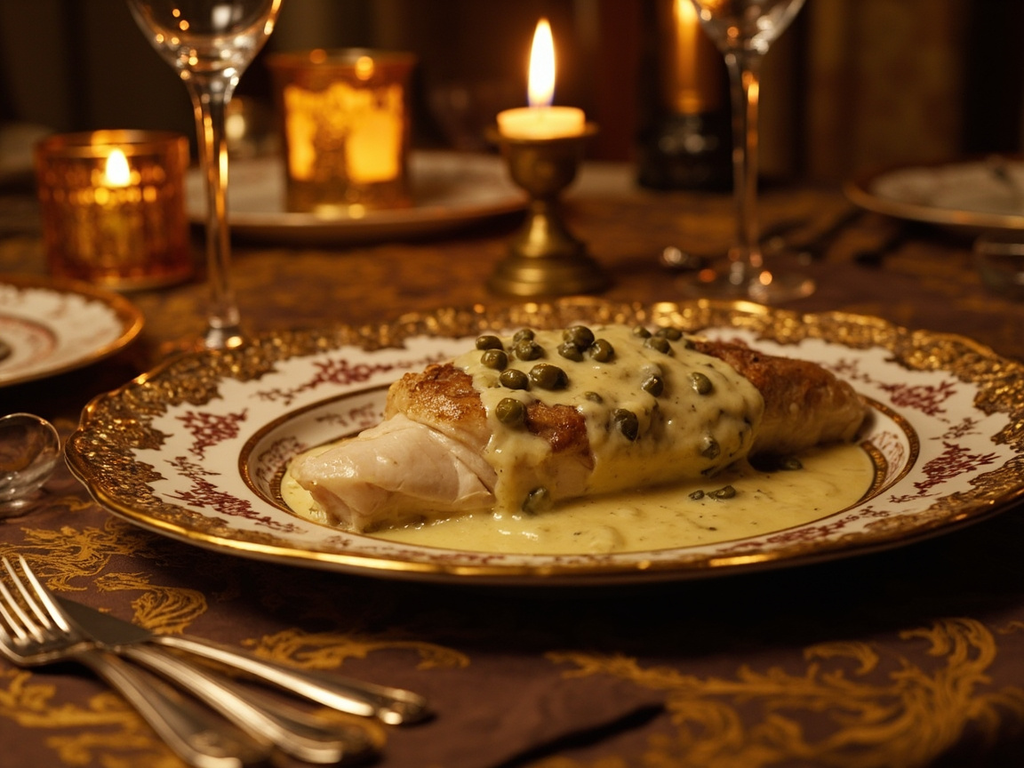 Festive
Roasted Volga sturgeon with French caper sauce
Fish service of the imperial *stol* (noble dish of grand court feasts)
🍄 🧂 🍋· 40 min
View the recipe
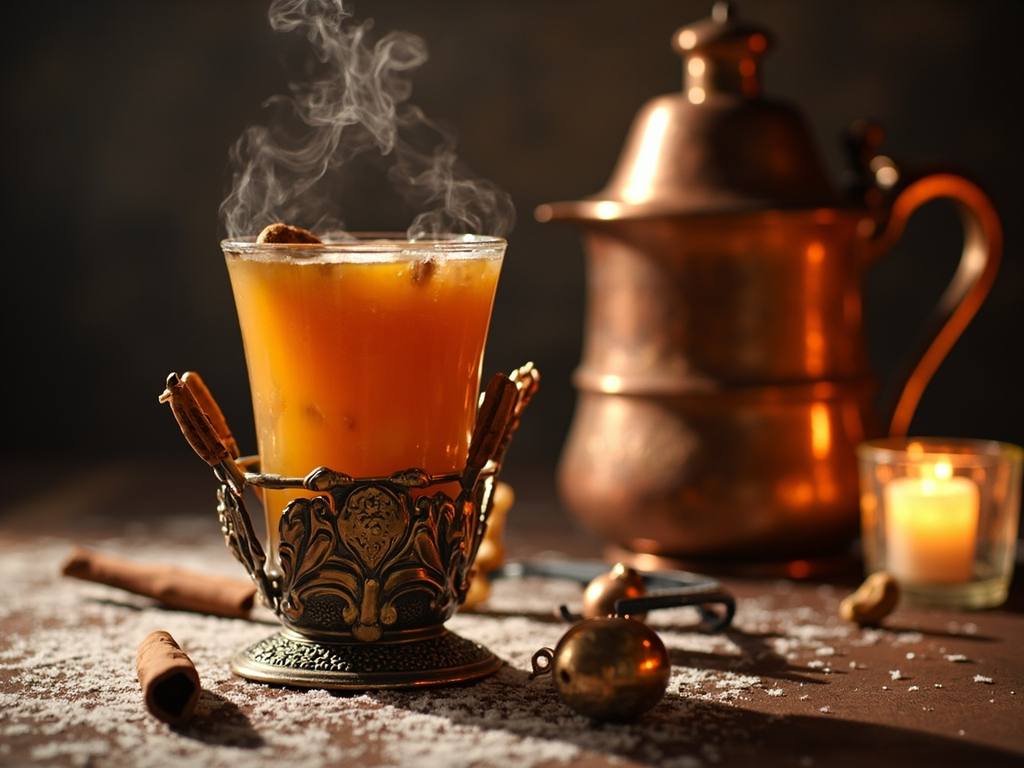 Drink
Drink*Sbiten*, hot honey-spiced drink
Russian hot drink (served from the samovar before tea, comfort for winters and way stations)
🍯 🌶️· 25 min
View the recipe
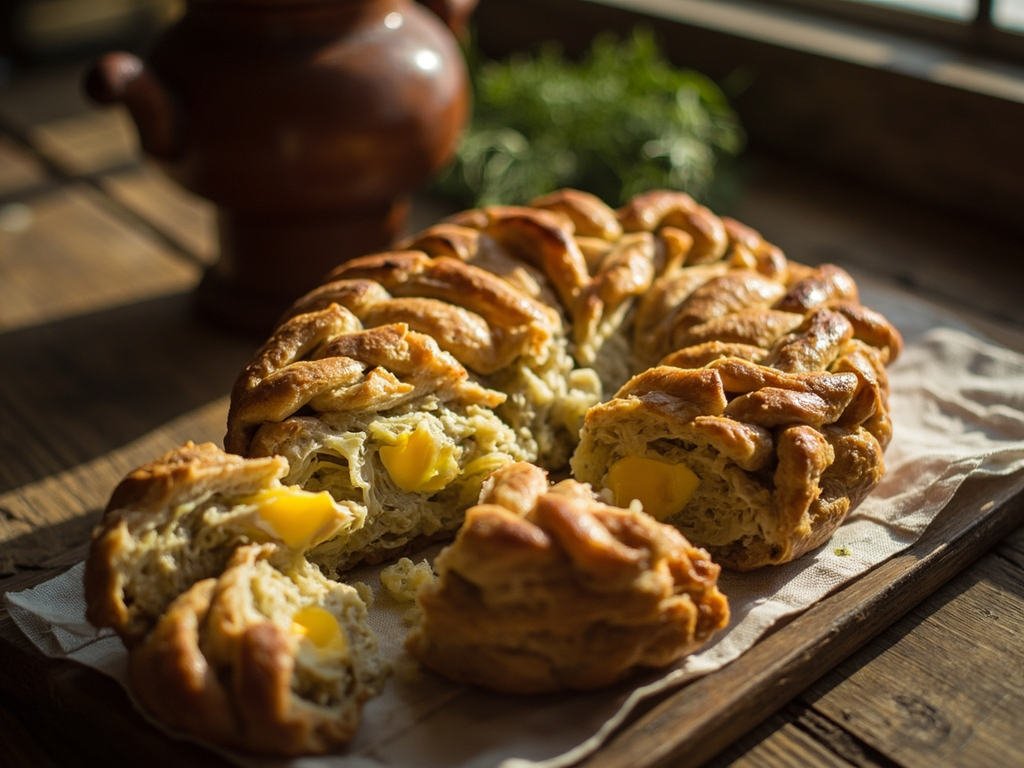 Festive
Cabbage and egg *pirog*
*Pirog* (large Russian pie in crust, centerpiece of *zakouski* and festive tables)
🧂 🍄· 2 h (including 1 h rising)
View the recipe
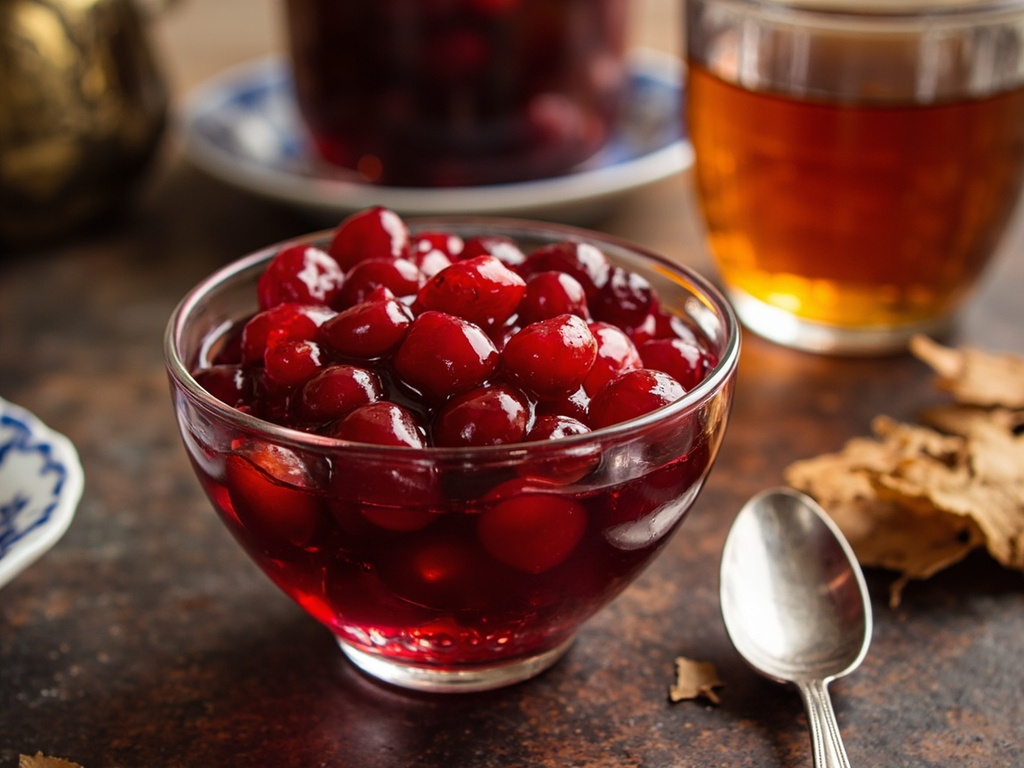 Preserving
Russian berry preserve (*varenié* of cranberries with honey)
*Varenié* (Russian preserve served with the samovar, kept to last through winter)
🍯 🍋· 45 min
View the recipe