Dagmál and náttmál
The ancient Nordic hearth did not know the starter-main-dessert sequence, but two meals that marked the day: dagmál (morning meal, taken after the first chores) and náttmál (evening meal, the most substantial, around the fire of the longhouse). In between, one snacked on flatbread, dried fish, or cheese depending on the work. Great occasions — births, returns from sea, sacrifices to the gods (blót) — overflowed this framework with a shared feast where boiled meat and mead circulated from hand to hand.
Signature : The Ferment of the North (sýra and skyr)
Lacking abundant salt and under a cold climate, Scandinavians preserved through acidity: soured whey (sýra) and cultured fresh cheese (skyr) are the signature of this cuisine. Meats and fish were dipped in them, they were drunk diluted with water, and they made living dairy products that lasted all winter. It is the tangy-fermented taste that defines the Nordic larder.
Embla at the table
5 period recipes
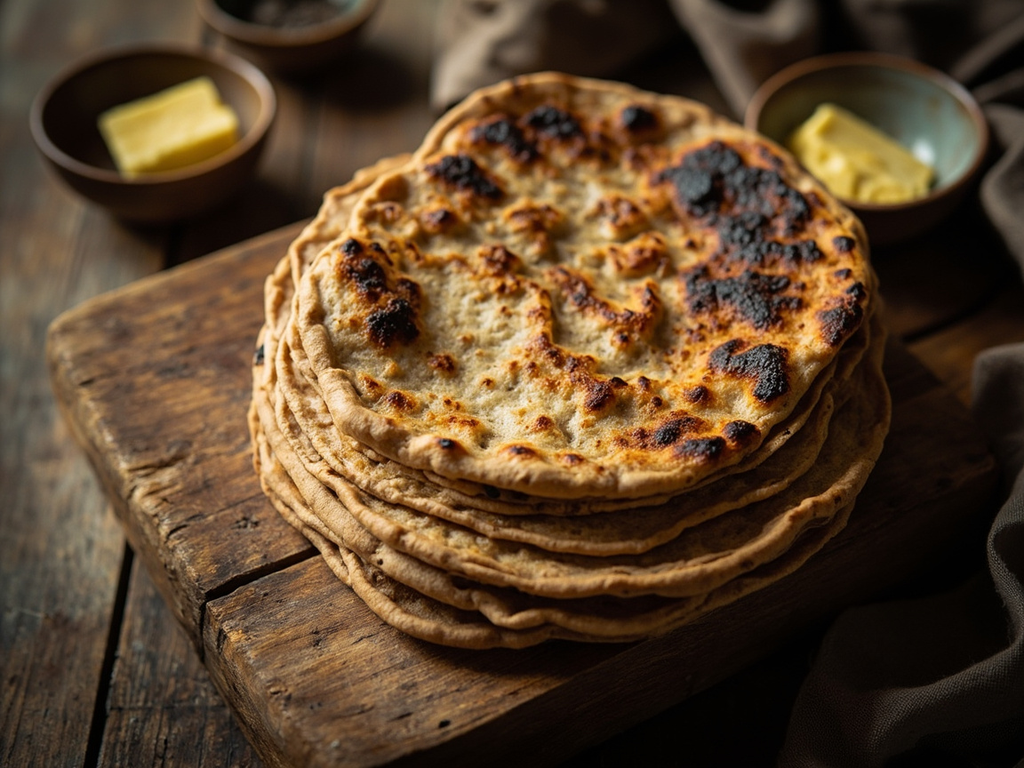 Everyday
Barley Flatbrauð over the Fire
Bread of dagmál (daily hearth griddle cake)
🧂· 30 min
View the recipe
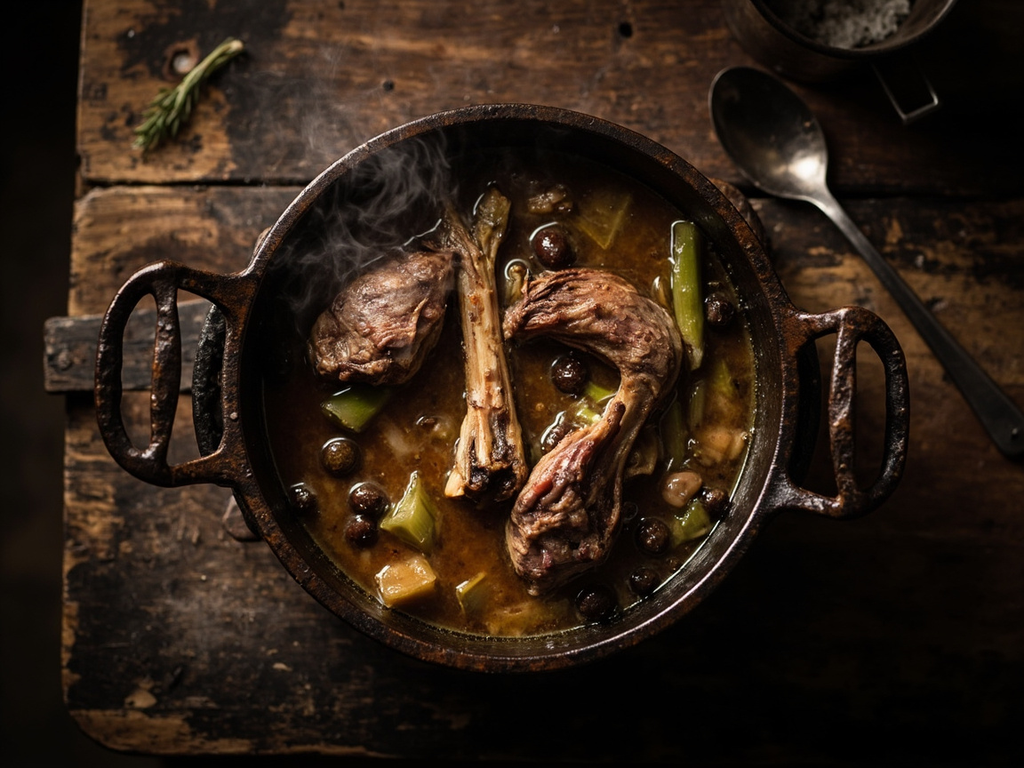 Festive
Soð of Mutton from the Blót
Feast of the longhouse (shared sacrificial meat)
🧂 🍄· 3 h
View the recipe
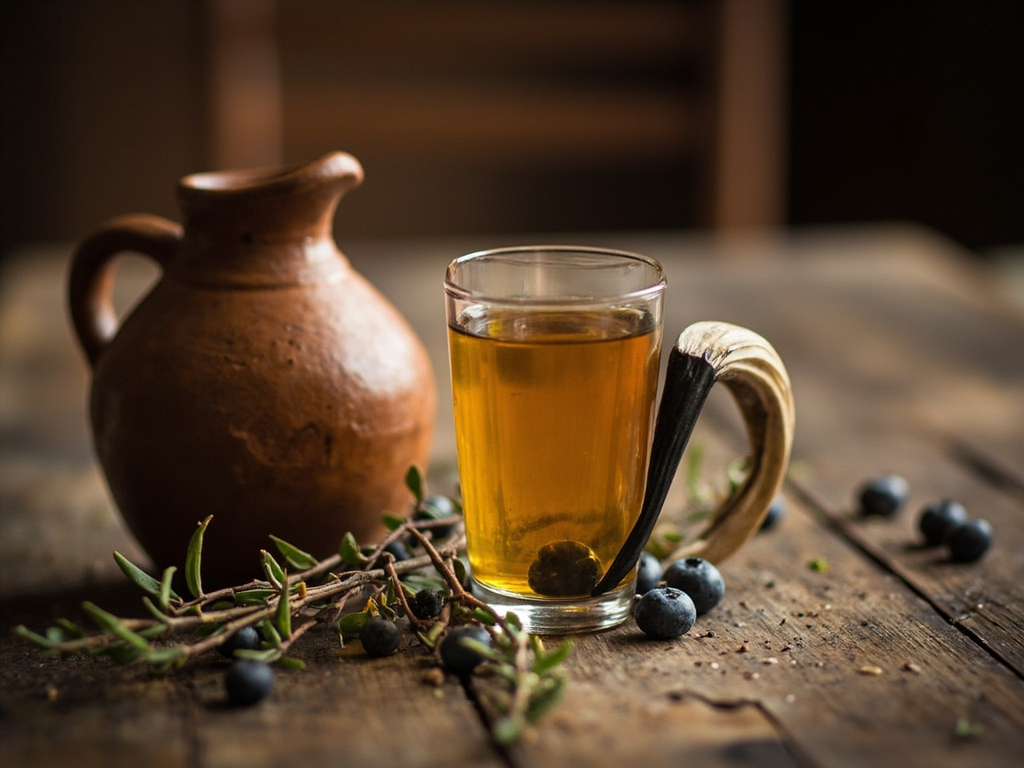 Offering
Mjöðr — Mead of the Ancestors
Cup of offering and oath (sacred drink of the sumbel)
🍯 🫙· 30 min prep + 4 to 8 weeks fermentation
View the recipe
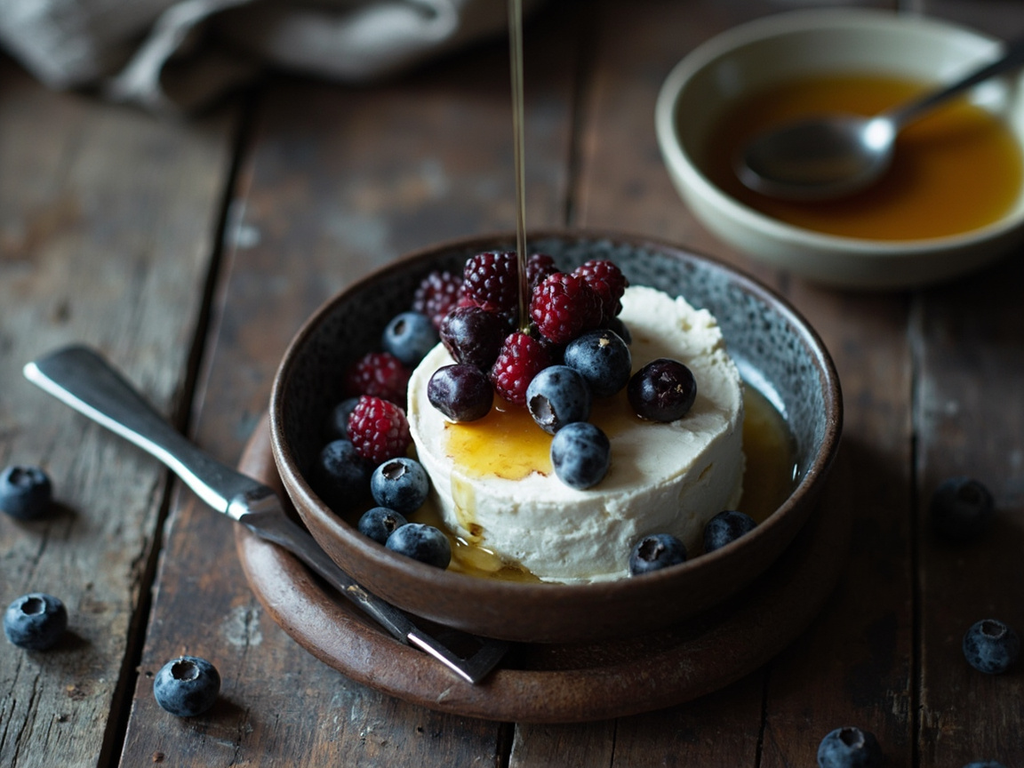 Preserving
Skyr with Wild Berries
Keeping dairy of náttmál (tangy fresh cheese)
🍋 🫙 🍯· 30 min + 12 h fermentation
View the recipe
 Travel
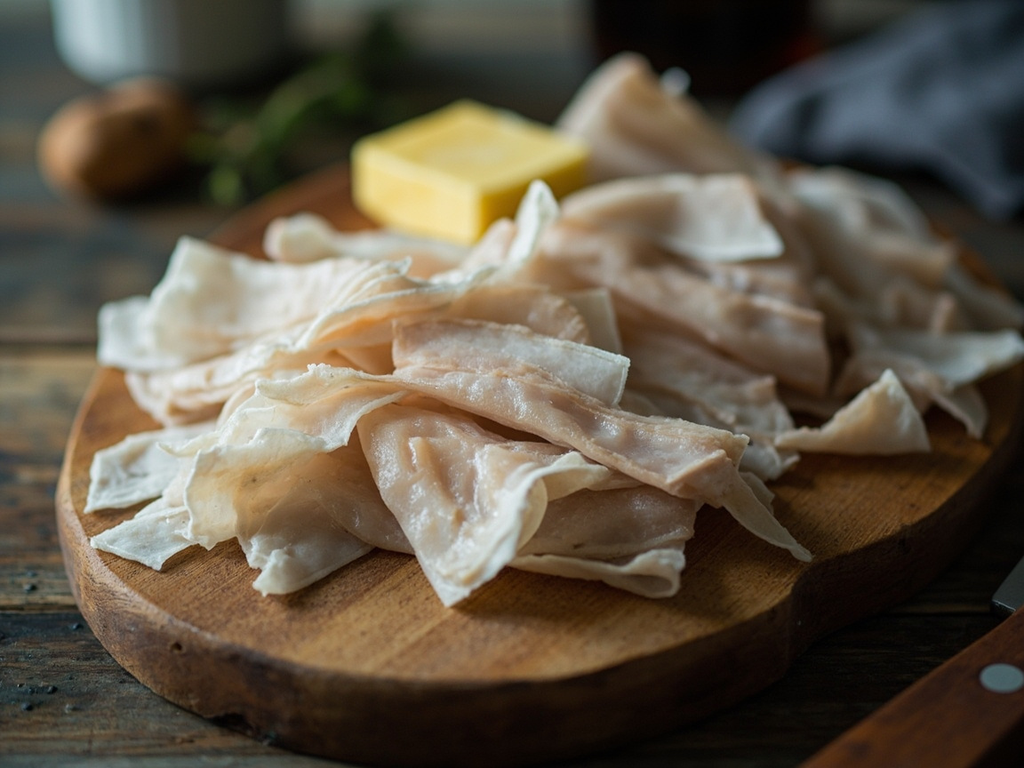
Harðfiskr — Dried Fish for the Voyager
Sea provision (travel and navigation ration)
🍄 🧂· 20 min + drying
View the recipe