The Household Table and the *Hetep* (Offering)
In Egyptian elite households, meals were not divided into starter, main course, and dessert. The day began with a light meal of bread and beer, while the main evening meal brought together wheat breads, meats and fish, vegetables, and fruits, all set out together on mats or low tables. Above all stood the *hetep*: the offering table where bread, goose, beer, and fruits were placed for the gods and the dead. The festive banquet multiplied sweet-and-savory dishes, strong beer, and lotus garlands. The structure reads vertically: from the frugal daily meal to the abundance offered to the powers.
Signature : Honey and the Date of the Nile
Elite Egyptian cuisine loved to blend sweet into savory: wild honey, dates, figs, and carob glazed meats, leavened breads, and perfumed beer. This was the mark of a wealthy table, while the common people made do with emmer bread and onion.
Potiphar's Wife at the table
5 period recipes
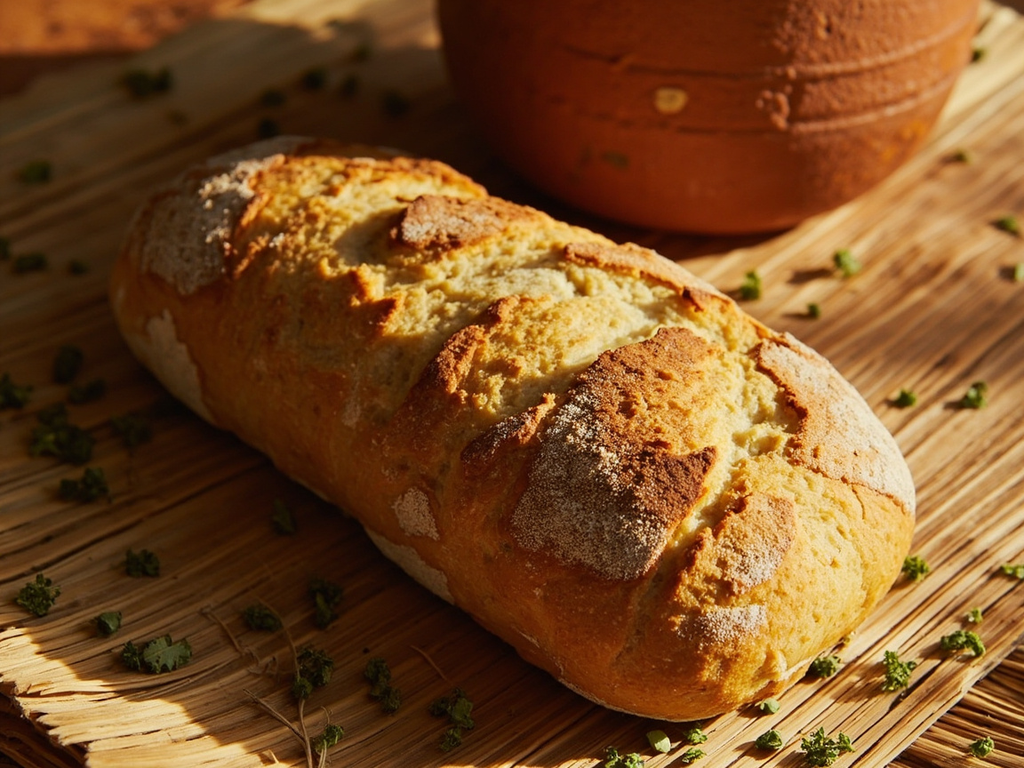 Everyday
White Emmer Bread from the House of Potiphar
Bread of the Table (*ta*)
🧂 🍄· 5 h (including rising)
View the recipe
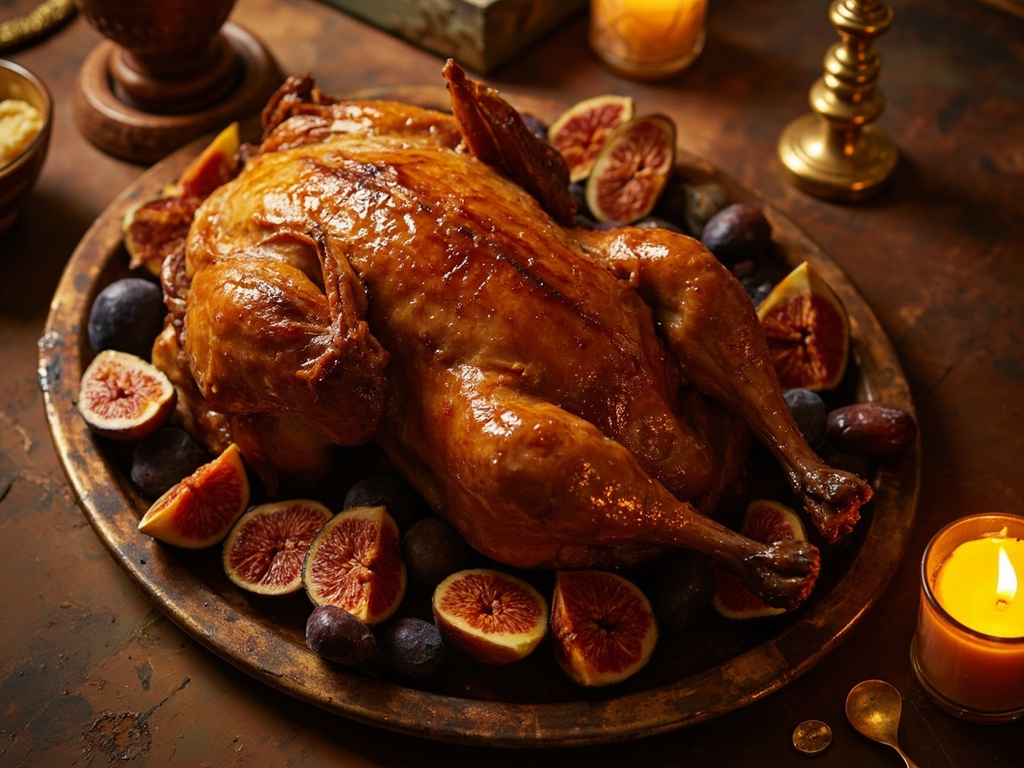 Festive
Roast Goose with Honey, Dates, and Figs
Dish of the Evening Banquet
🍯 🧂 🍄· 3 h
View the recipe
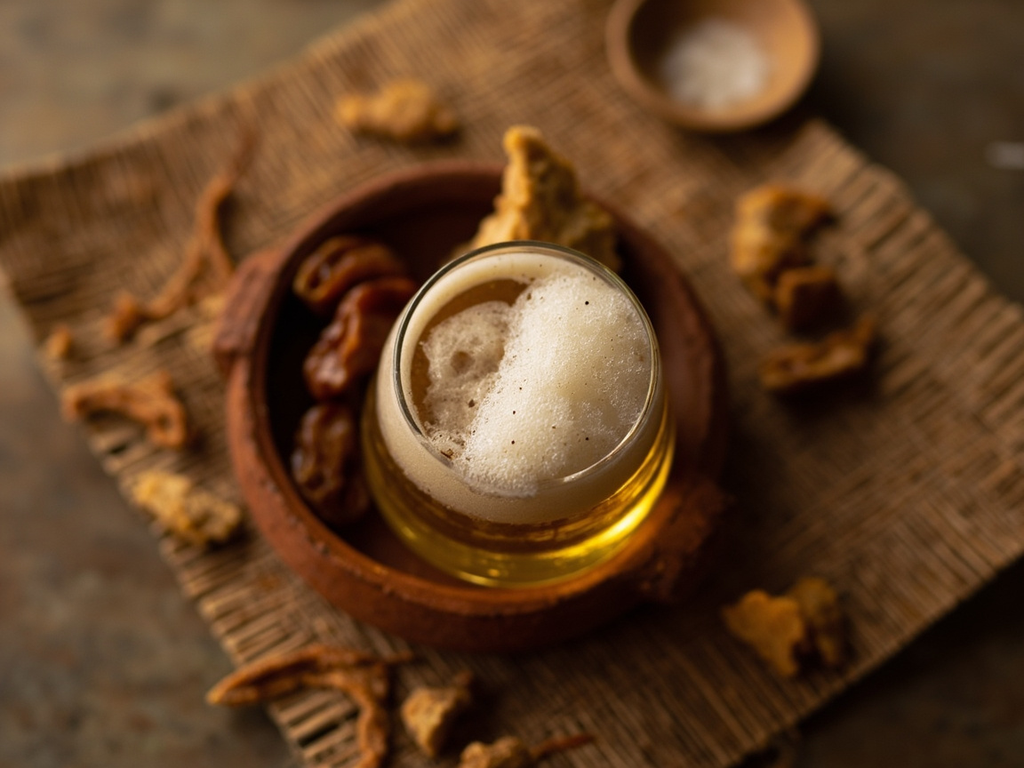 Drink
DrinkHenqet — Sweet Beer of Bread and Dates
Henqet (drink of the table and offering)
🫙 🍯· 20 min + 3 days fermentation
View the recipe
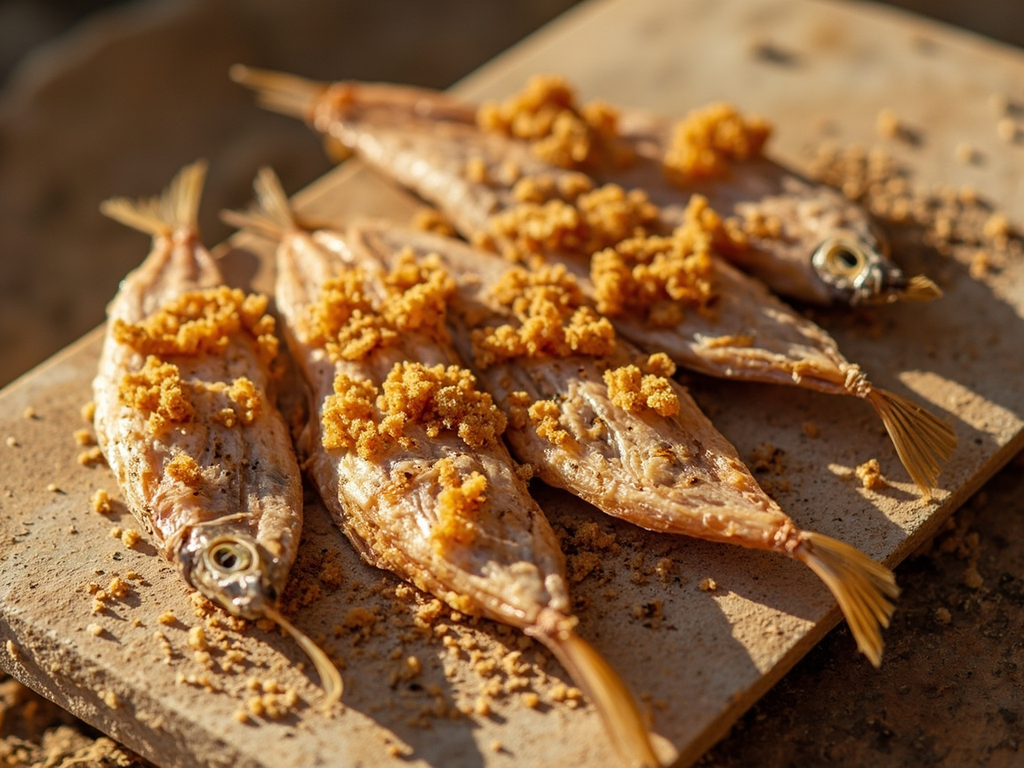 Preserving
Nile Fish Salt-Dried with Cumin
Store Provisions (preservation)
🧂 🍄 🫙· 30 min + 2 to 3 days drying
View the recipe
 Offering
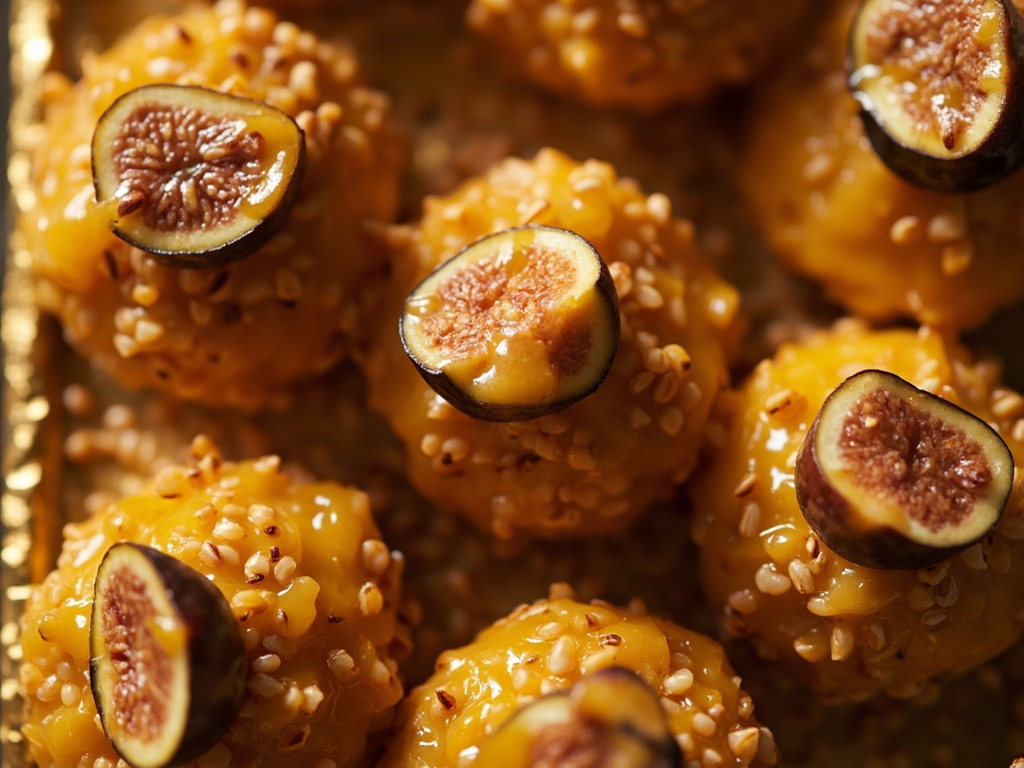
Honey, Fig, and Sesame Cakes for the *Hetep*
Sweet Offering (*hetep*, table of gods and the dead)
🍯· 40 min
View the recipe