Dagverðr ok blótveizla — from daily meal to sacrificial feast
Among the ancient Scandinavians, meals were not counted as starter-main-dessert but as two meals per day: the dagverðr (morning meal) and the náttverðr (evening meal), made of barley porridge, flatbread, dairy, and fish. Above that stood the blótveizla, the great sacrificial feast where the boiled meat of the animal offered to the gods was shared, with mead circulating in the drinking horn. Apart from that, the nestr — dried and salted travel provisions carried on the road to the þing, the assembly where justice was rendered.
Signature : Mjǫðr — mead, the drink of oaths
Fermented honey is the red thread of this table: it sweetens the morning porridge, it seals oaths sworn on the sacred ring (Eiðsringr), it flows in the horn at the feast. For a god of justice and the given word, mead is not just a drink: it is the very liquid of commitment and truth.
Forseti at the table
5 period recipes
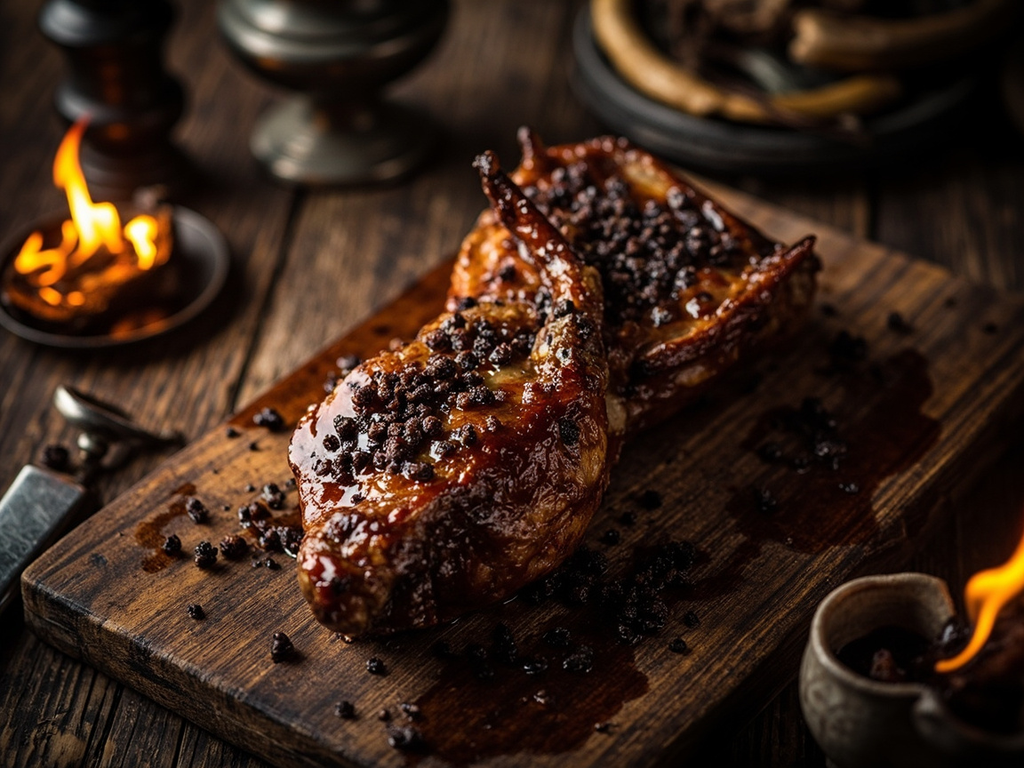 Festive
Soðinn göltr — honey-and-juniper boiled boar
Blótveizla (sacrificial feast shared in the hall)
🧂 🍄 🍯· 3 h 15
View the recipe
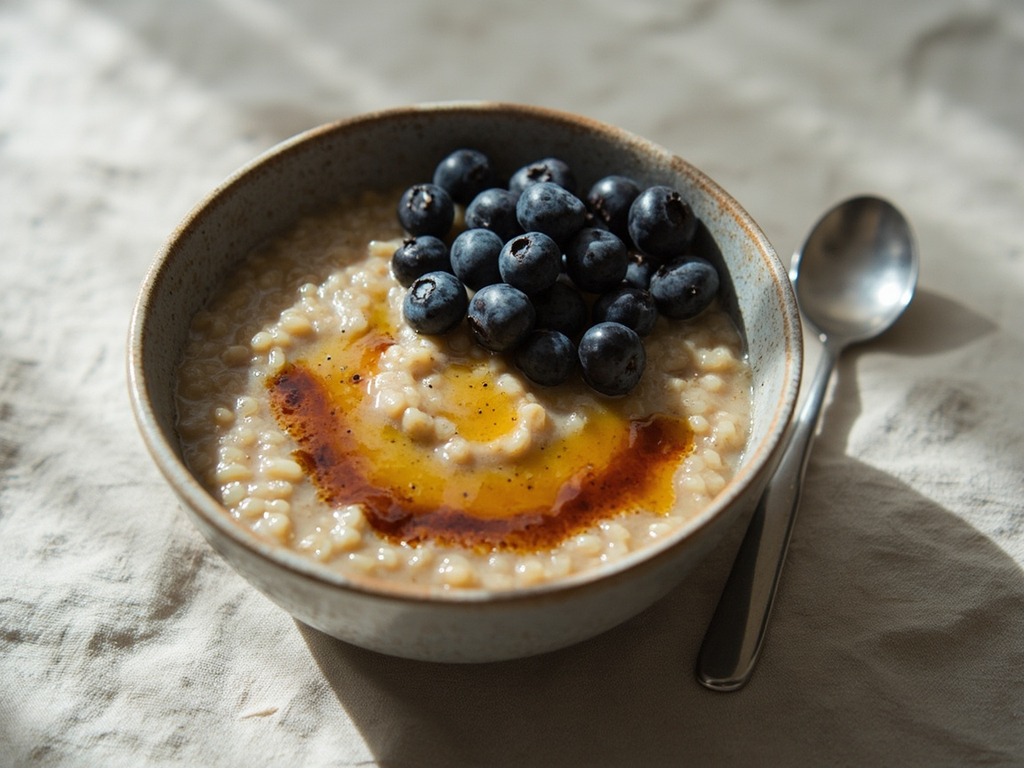 Everyday
Bygggrautr — barley porridge with honey and wild blueberries
Dagverðr (morning meal before work)
🍯 🍋· 45 min
View the recipe
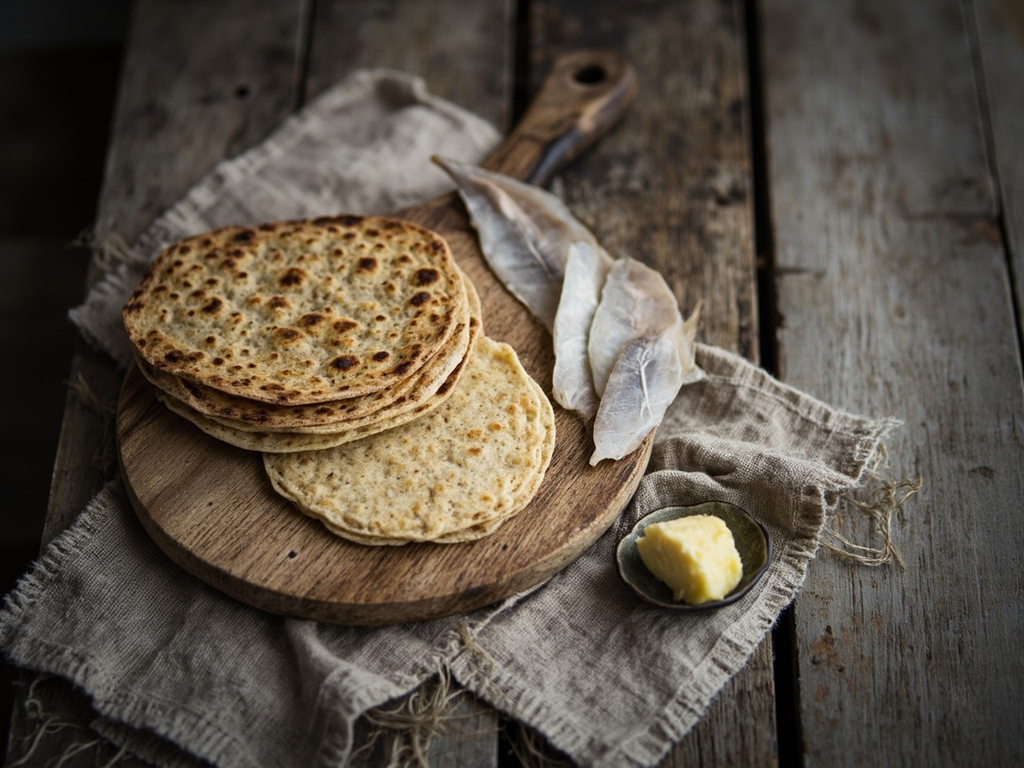 Travel
Nestr þingmanna — barley flatbread and dried fish for the traveler
Nestr (travel provisions carried to the assembly)
🧂 🍄· 40 min
View the recipe
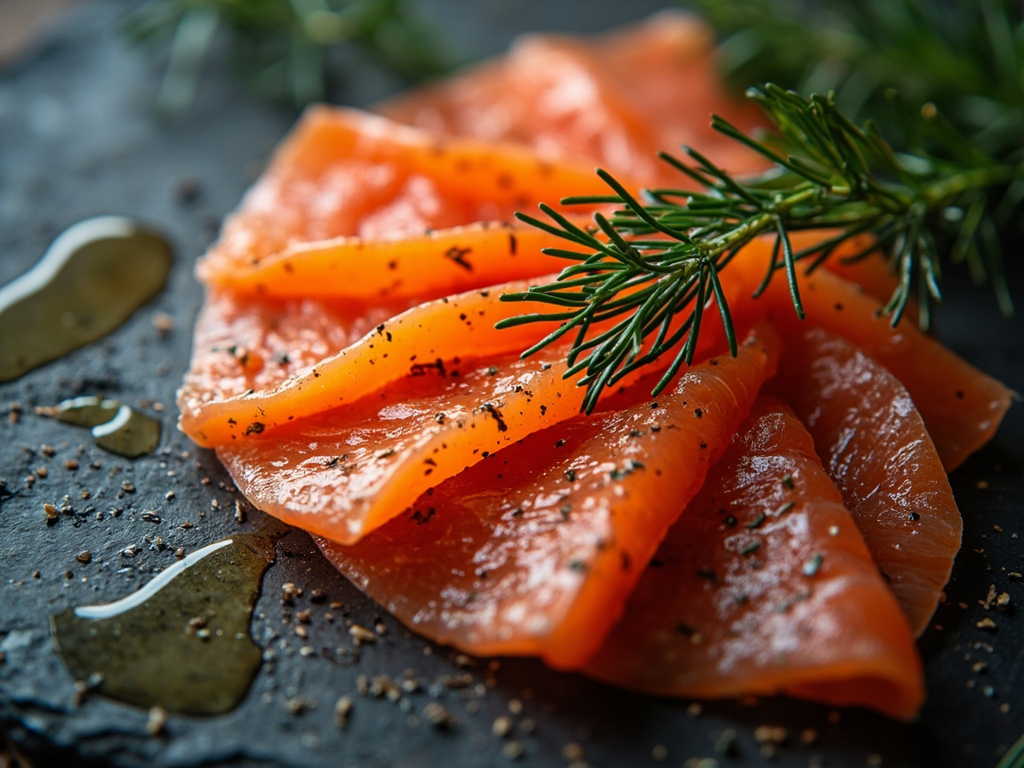 Preserving
Grafinn fiskr — 'buried' fish with dill and honey
Náttverðr (evening meal) — preserved preparation
🧂 🫙 🍋· 20 min + 48 to 72 h resting
View the recipe
 Drink
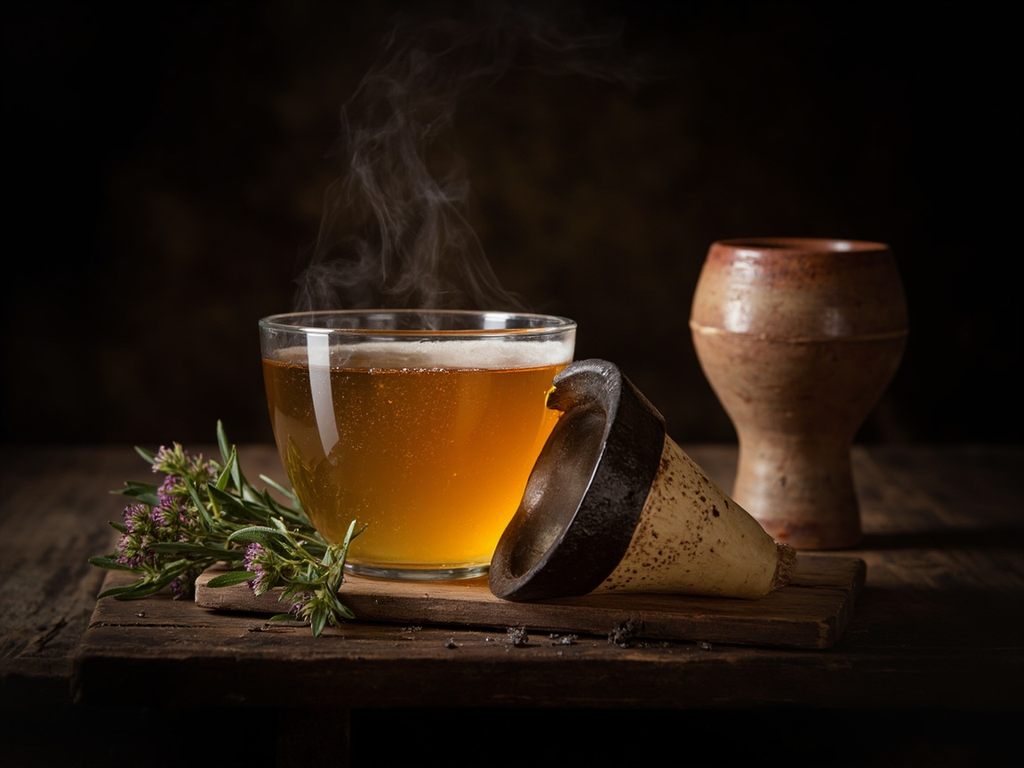
DrinkMjǫðr eiðsins — oath mead with bog myrtle
Sumbl (the drinking horn that circulates at the feast)
🍯 🫙· 30 min + 4 to 8 weeks fermentation
View the recipe