The Offering Table of Heliopolis (hetepet)
In ancient Egypt, a meal was not thought of as starter-main-dessert but as hetep, the offering placed on a mat or stone table. Bread and beer (the basic pair of every table, from peasant to pharaoh), vegetables from the silt, fruits from the orchard, and fowl from the marshes were arranged side by side. The belly of Geb is the black land (kemet) from which all this comes: people gave back to him in seeds and fruits what he made sprout. Dishes do not follow one another; they accumulate in abundance before the living or the dead.
Signature : The Black Silt and Its Seeds (emmer wheat, barley, onion, fig)
Geb's cuisine is that of the Nile flood: ancient grains (emmer, barley), onions and leeks, figs and grapes, honey and moringa or safflower oil. No refined sugar or distant spices — flavor comes from toasted grain, sweet onion, date palm, and fertile silt. The sacred goose Qenqenet recalls the waterfowl of the Delta marshes.
Geb at the table
5 period recipes
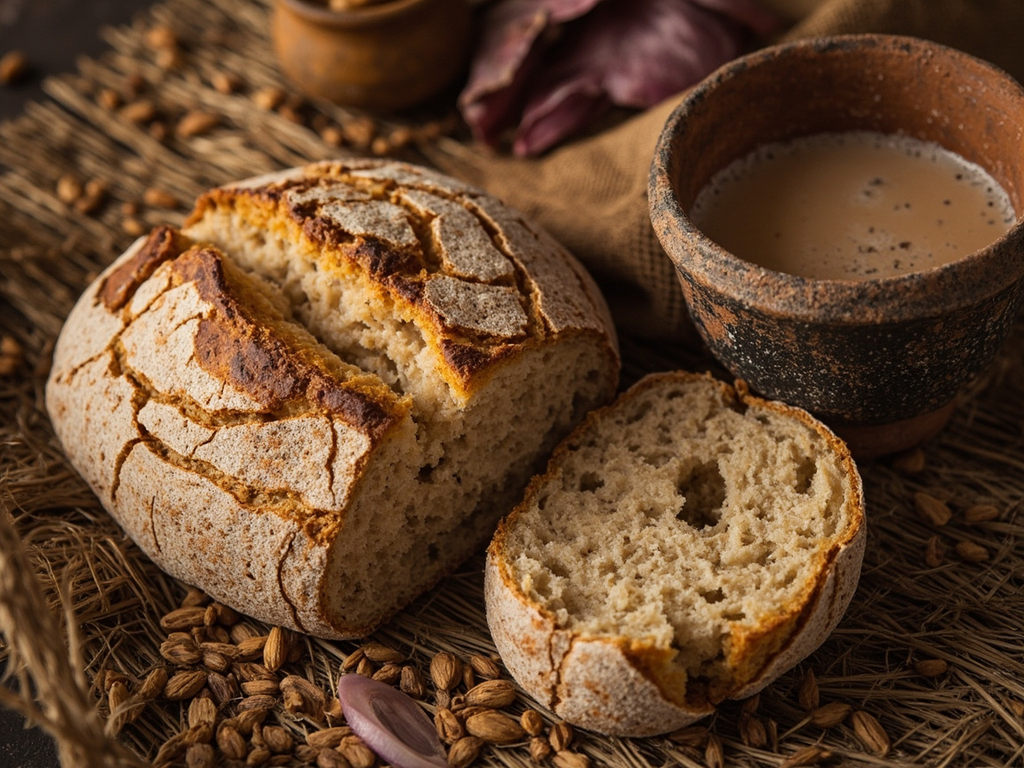 Everyday
Emmer Bread of the Silt (ta) and Sweet Beer of Geb
Ta and henqet — bread and beer, the foundation of every table
🫙 🧂· 5 h (including rising)
View the recipe
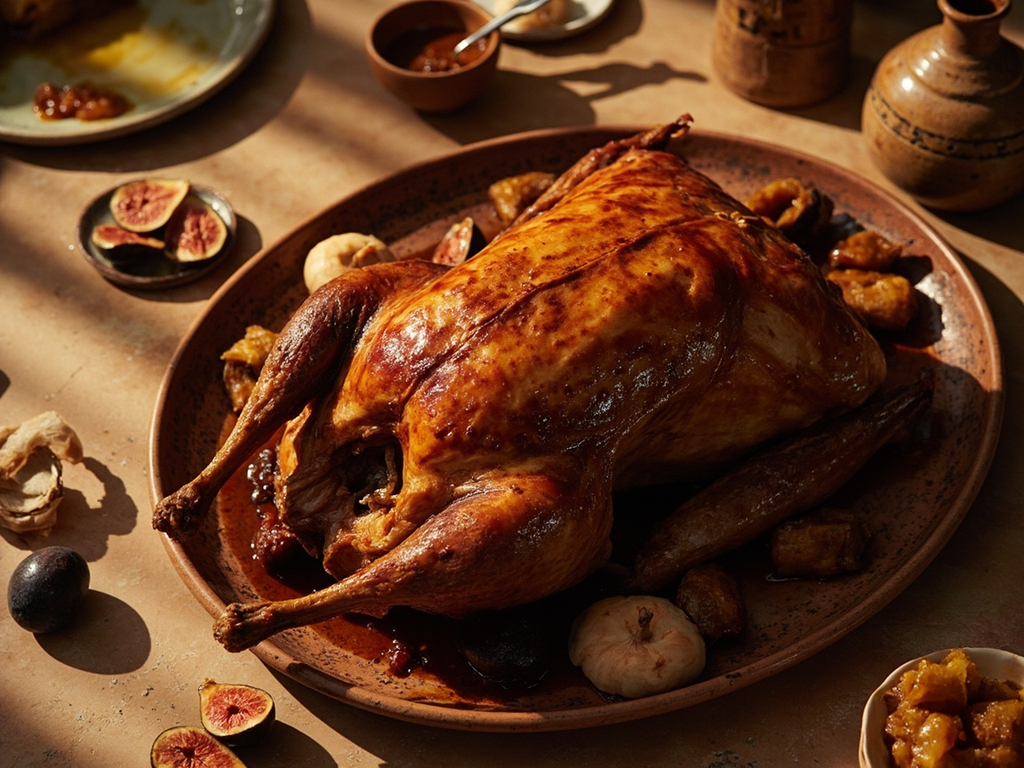 Festive
Marsh Goose Roasted with Honey and Figs (Qenqenet-style)
Hetep-neter — the festival offering placed on the altar table
🍯 🧂 🍄· 3 h
View the recipe
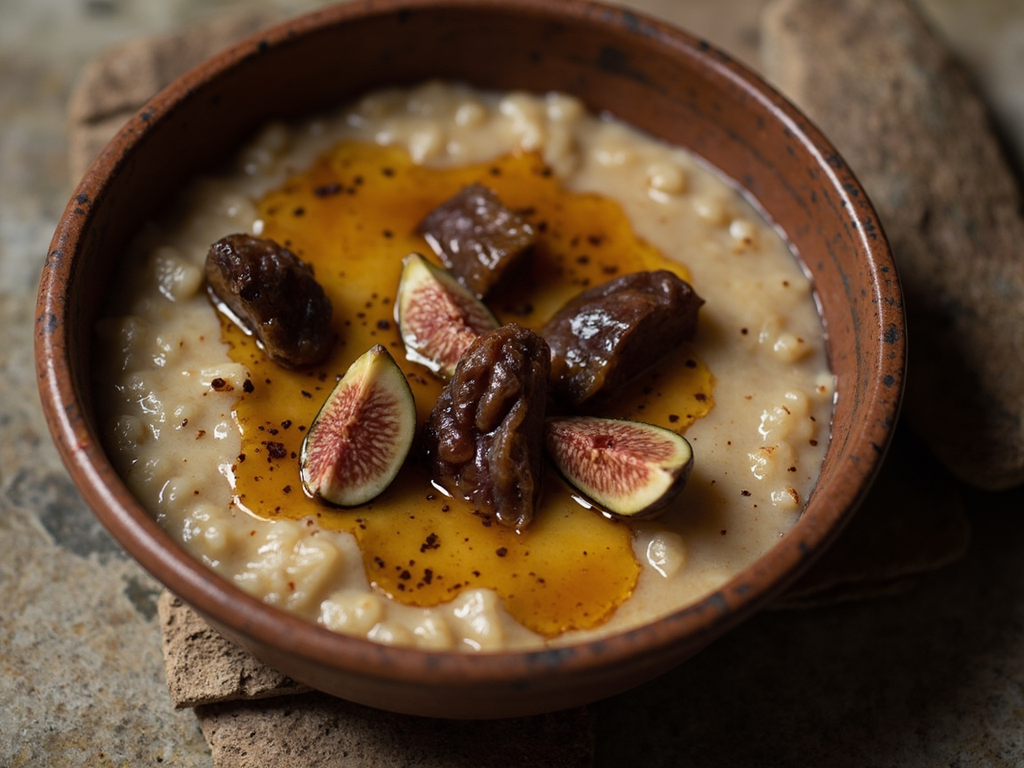 Offering
Barley Porridge with Figs and Honey (Funerary Offering for the Dead)
Per-kheru — 'that which comes forth at the voice', the nourishing offering placed in the tomb
🍯· 45 min
View the recipe
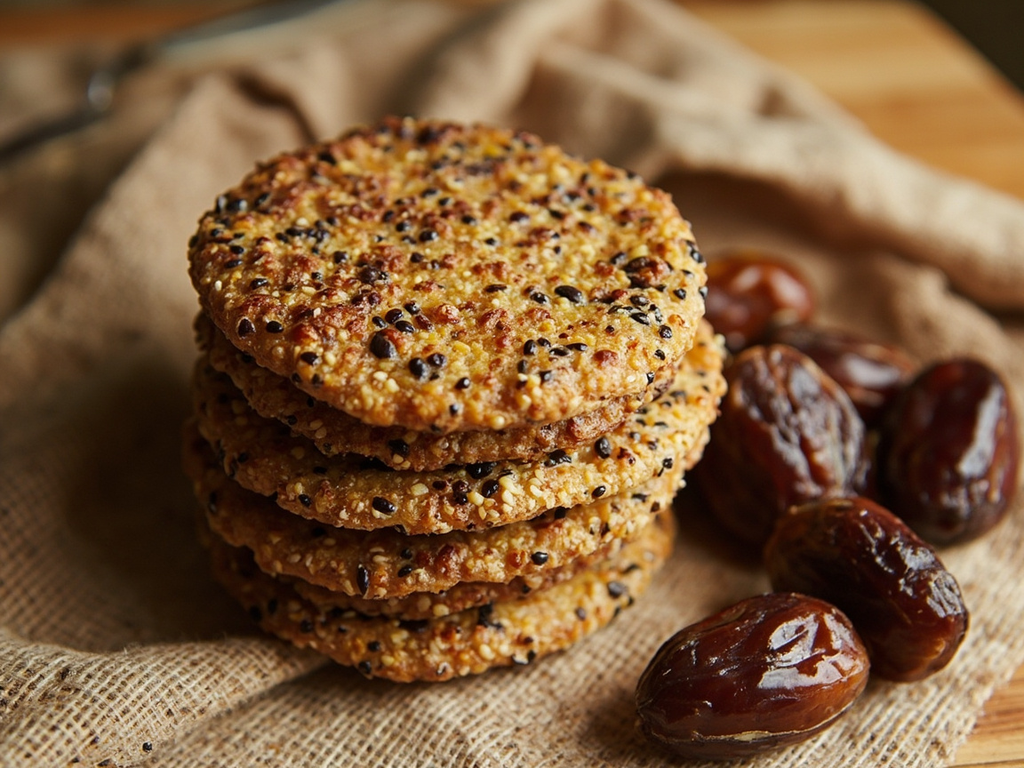 Travel
Travel Cakes with Fig and Silt Sesame
Shens — compact small loaves carried on roads and work sites
🍯 🧂· 40 min
View the recipe
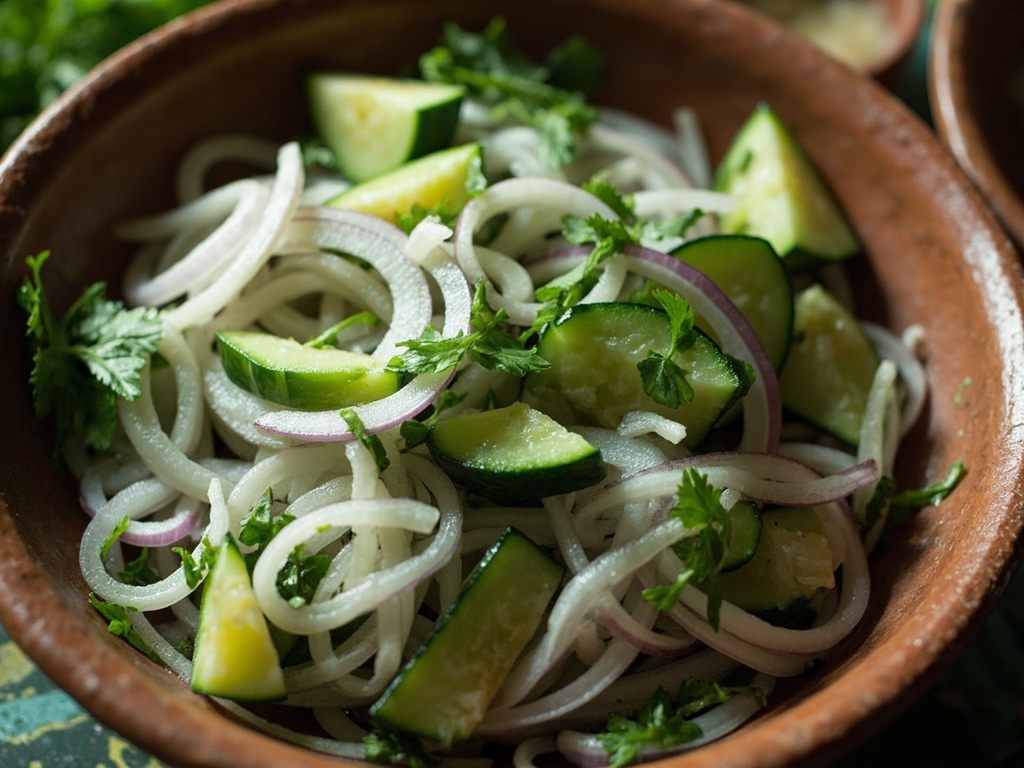 Everyday
Sweet Onion, Cucumber, and Nile Coriander Salad
Hetep of vegetables — garden greens placed as a fresh side on the table
🍋 🧂· 20 min
View the recipe