The Anglo-Indian Officer's Table
In the 19th century, the British officer in India ate neither entirely English nor entirely Indian: his table was a blend. In the field, it was camp rations — hardtack, dried meat, strong tea boiled over a bivouac fire. At headquarters in Dehra Dun or at the mess in Calcutta, it was 'tiffin' (light lunch) and mess dinner, where the cuisine of the mother country married spices, rice, and local preserves prepared by Indian servants. The day revolved around the hearty breakfast, midday tiffin, and the grand evening meal.
Signature : Curry Powder and Tamarind
Survey officers adopted the Indian spice blend (turmeric, coriander, cumin, ginger, pepper, fenugreek) and the acidity of tamarind, transforming British cuisine into 'Anglo-Indian' cuisine. This fusion is the gustatory signature of Everest's entire table.
George Everest at the table
1790 — 1866
5 period recipes
 Travel
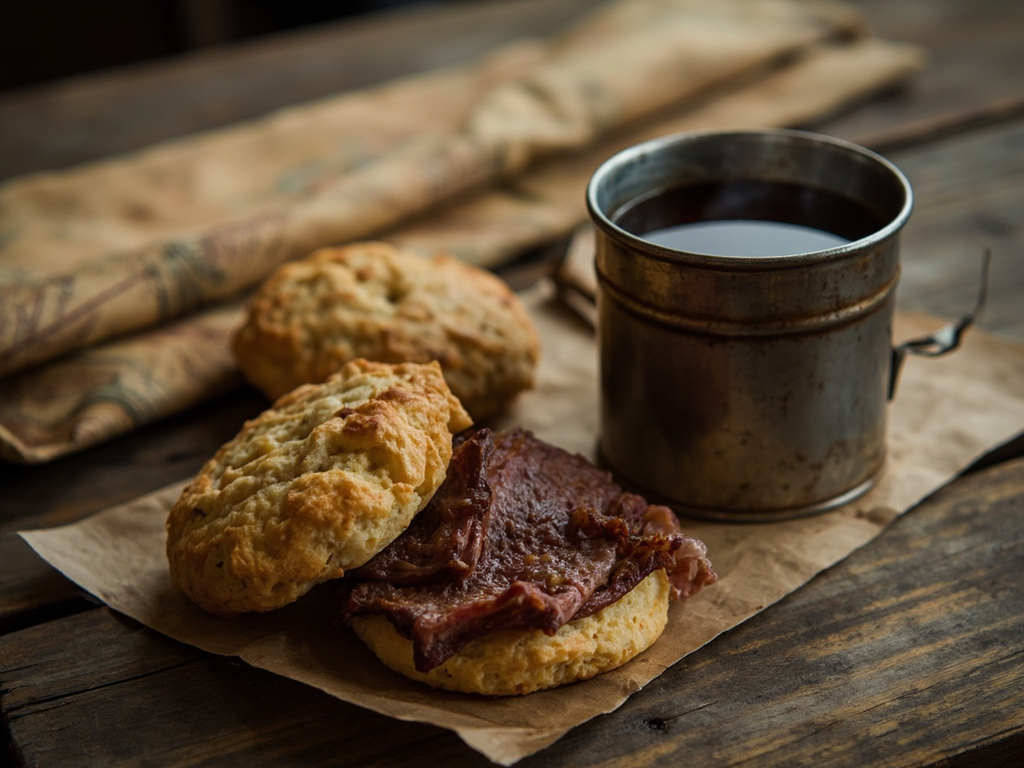
Bivouac Ration: Hardtack, Dried Beef, and Camp Tea
Camp ration (Survey field supplies)
🧂 ☕· 1 h 15 (+ rest overnight)
View the recipe
 Festive
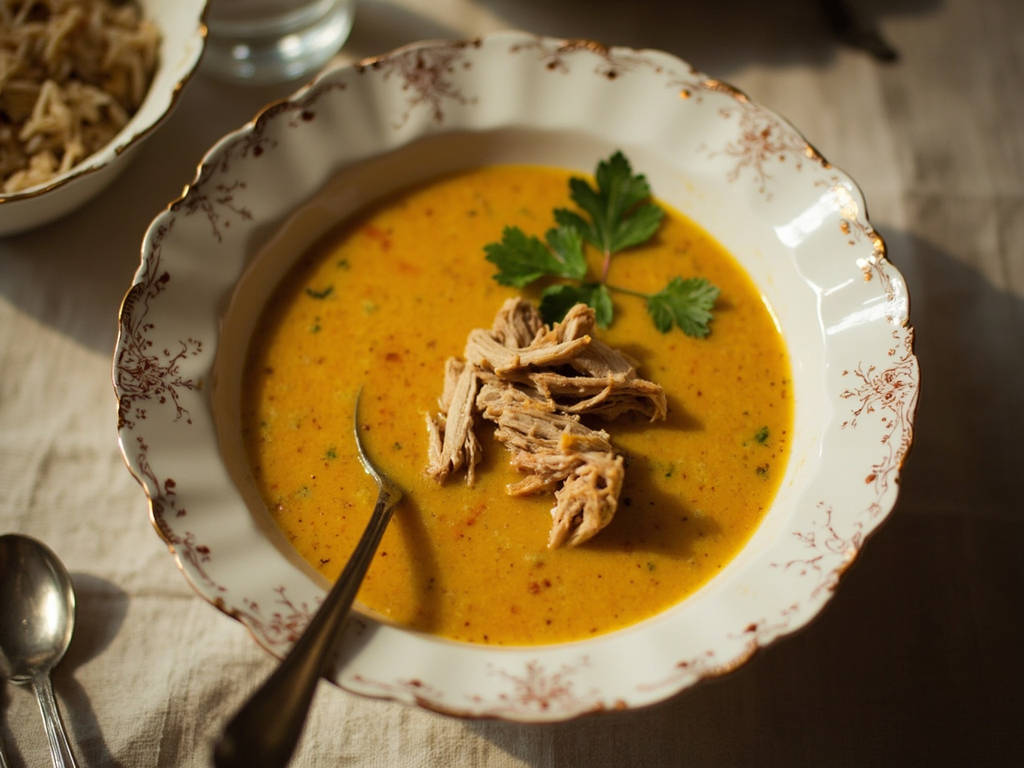
Mulligatawny — the Officers' Pepper Soup
Soup course of the Anglo-Indian mess dinner
🌶️ 🍋· 1 h
View the recipe
 Everyday
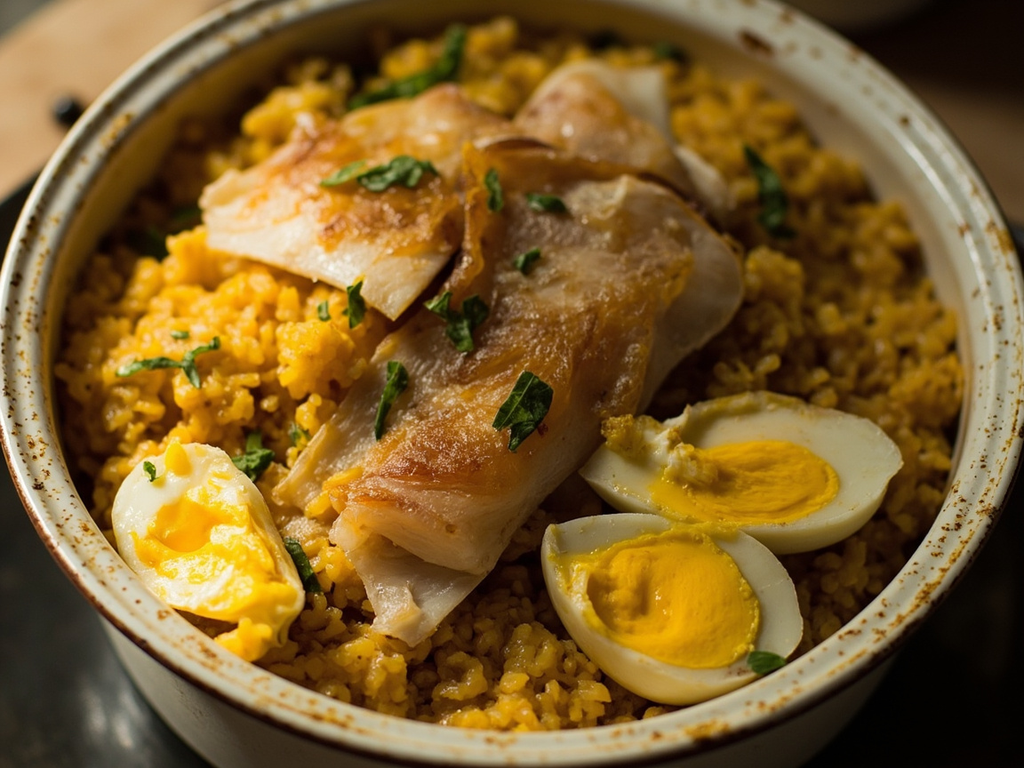
Kedgeree — the Breakfast Rice with Fish
Breakfast / tiffin of the colonial house
🧂 🌶️· 35 min
View the recipe
 Preserving
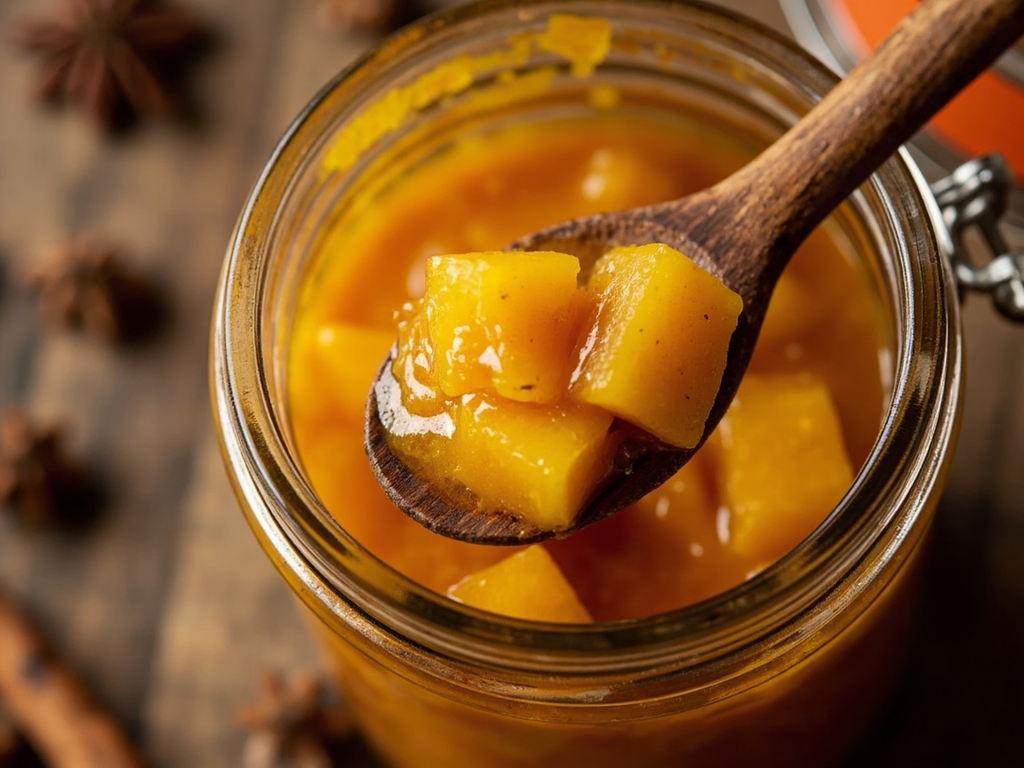
Store-Room Mango Chutney
Pickle / condiment of the colonial house stores
🍯 🍋 🌶️· 1 h 15
View the recipe
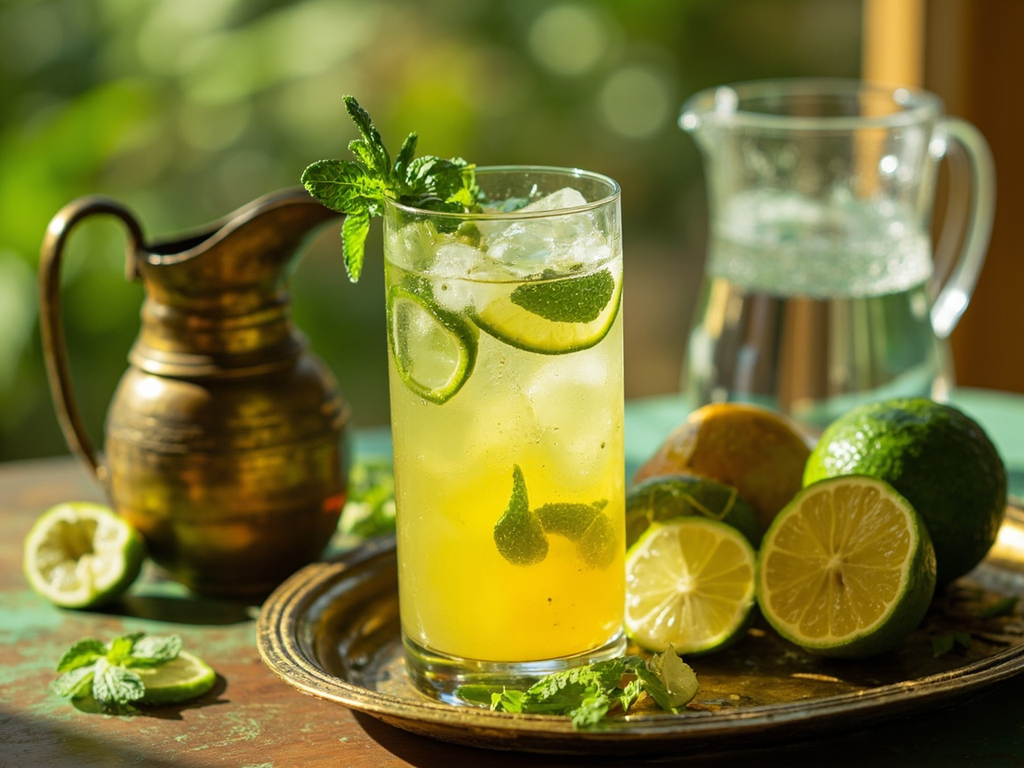 Drink
DrinkNimbu Pani — the Field Lime Water
Refreshing beverage of the colonial day
🍋 🍯· 10 min
View the recipe