 Flip the card
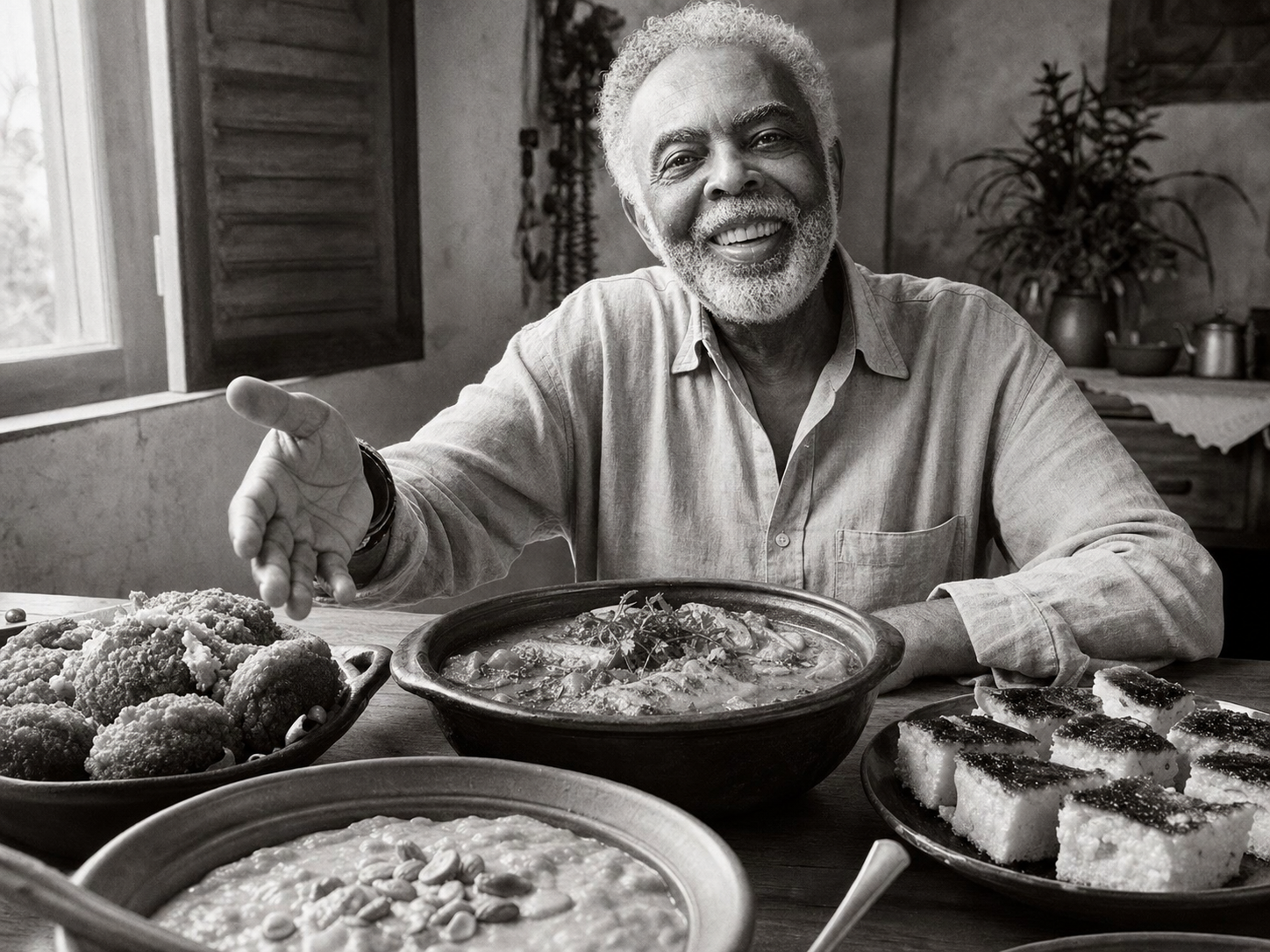
Gilberto Gil at the table
1942 — ?
On the menu
A mesa baiana — the Afro-Brazilian table of Bahia
In Salvador, the meal is not organized into starter-main-dessert: it is built around the *tabuleiro* (the street-food tray of the *baiana*), the family *almoço* based on rice, beans, and a stew with red palm oil (*dendê*), then *doces* (coconut and sugar sweets) and *refrescos* (cool drinks, sometimes fermented). This cuisine, born from the encounter between enslaved Yoruba Africa, Portugal, and tropical fruits, places *dendê* and coconut milk at the heart of everything, both savory and sweet.
Signature : Dendê — Bahian red palm oil
Oil extracted from the African palm (*dendezeiro*), deep orange, with an earthy and warm flavor. Brought by Africans, it is the coloring and fragrant soul of Bahian cuisine. It is the signature that Gil carried all his life, from the street fries of Salvador to his more vegetarian choices, where *dendê* remains the common thread of the taste of home.
click to flip back
Gilberto Gil at the table
1942 — ?
5 period recipes
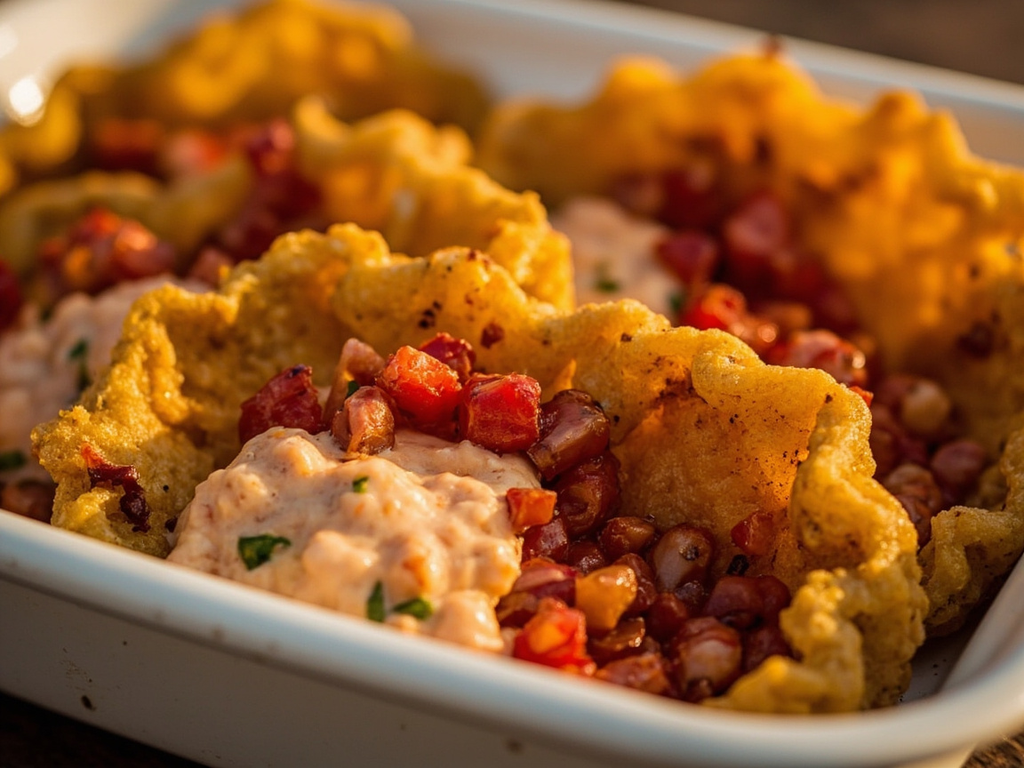 Street food
Acarajé
Comida de tabuleiro (street fry of the baiana)
🧂 🍄 🌶️· 1 h (plus soaking)
View the recipe
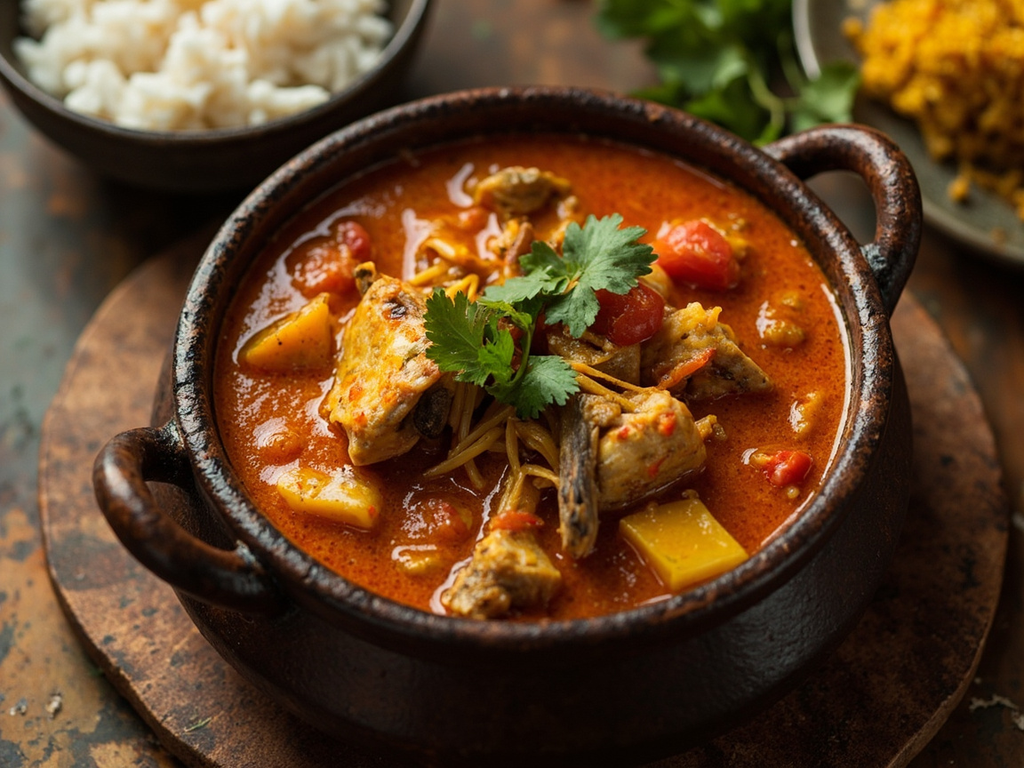 Festive
Moqueca de peixe baiana
Almoço de festa (main stew of the festive meal)
🧂 🍄 🍋· 50 min
View the recipe
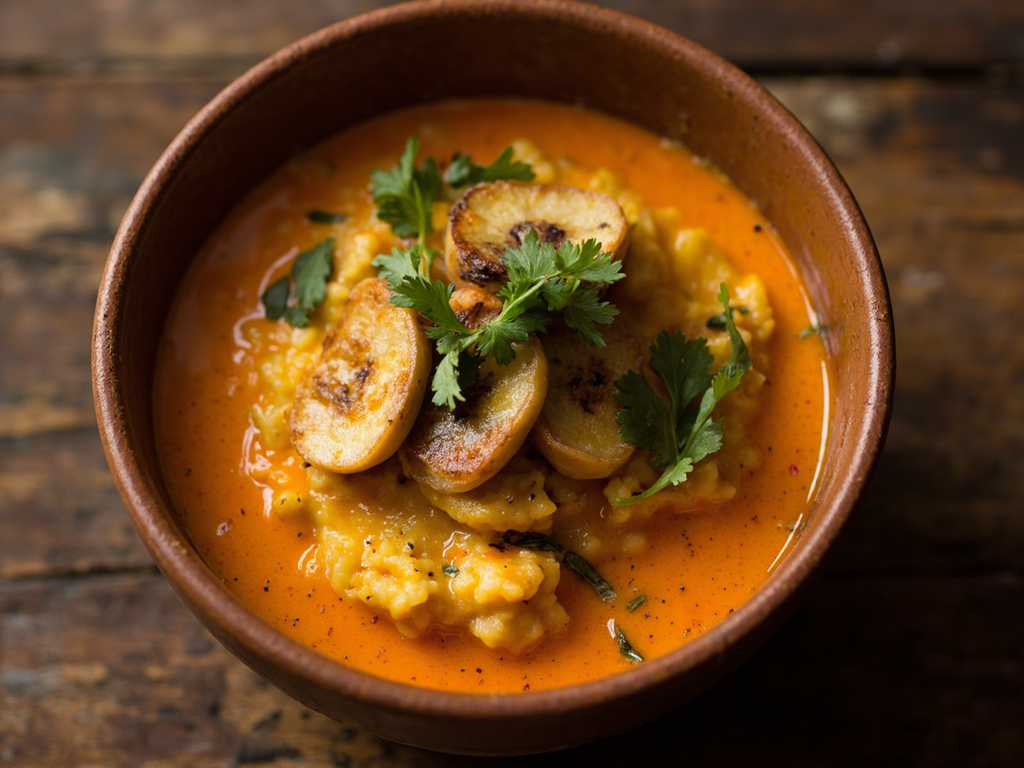 Everyday
Bobó de banana-da-terra (vegetarian version)
Almoço do dia a dia (everyday home stew)
🧂 🍄· 55 min
View the recipe
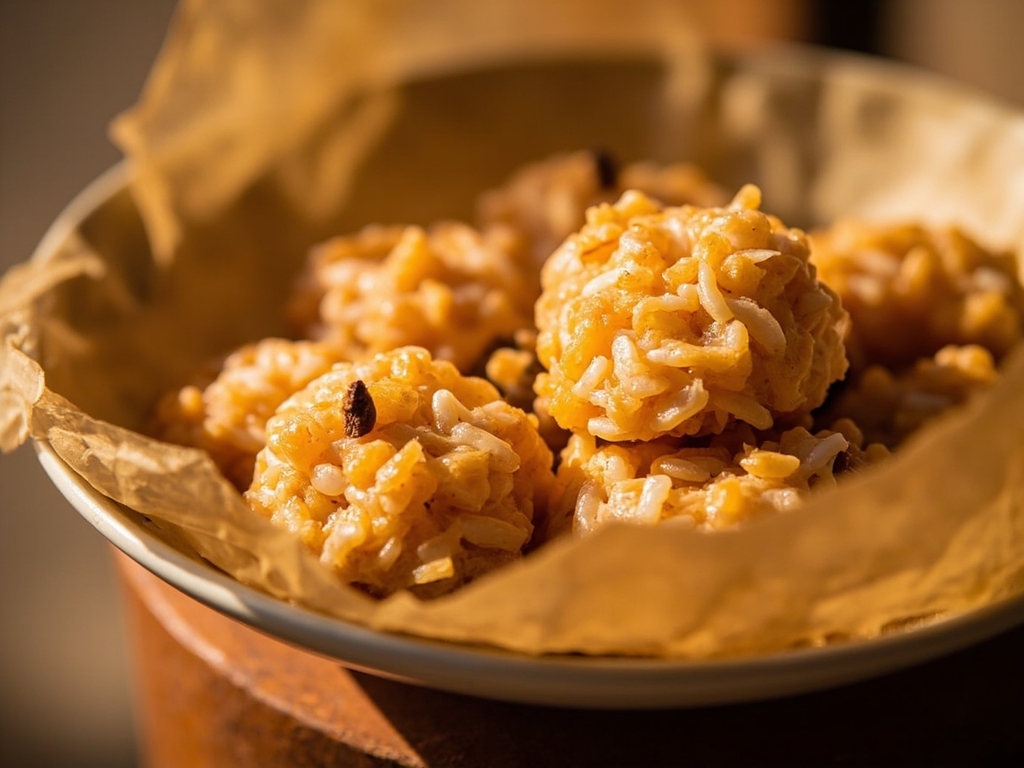 Preserving
Cocada de forno
Doce de tabuleiro (coconut sweet sold on the tray)
🍯· 35 min
View the recipe
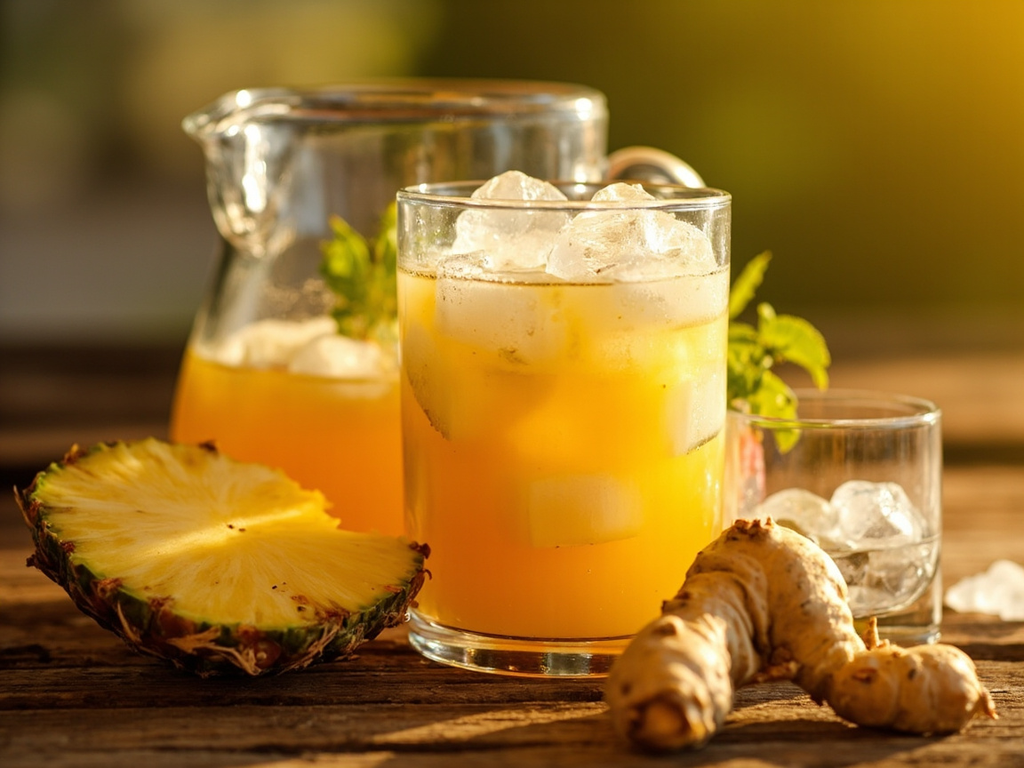 Drink
DrinkAluá d'ananas
Refresco fermentado (fermented cool drink of popular festivals)
🫙 🍋 🍯· 20 min (+ 2-3 days fermentation)
View the recipe