 Flip the card
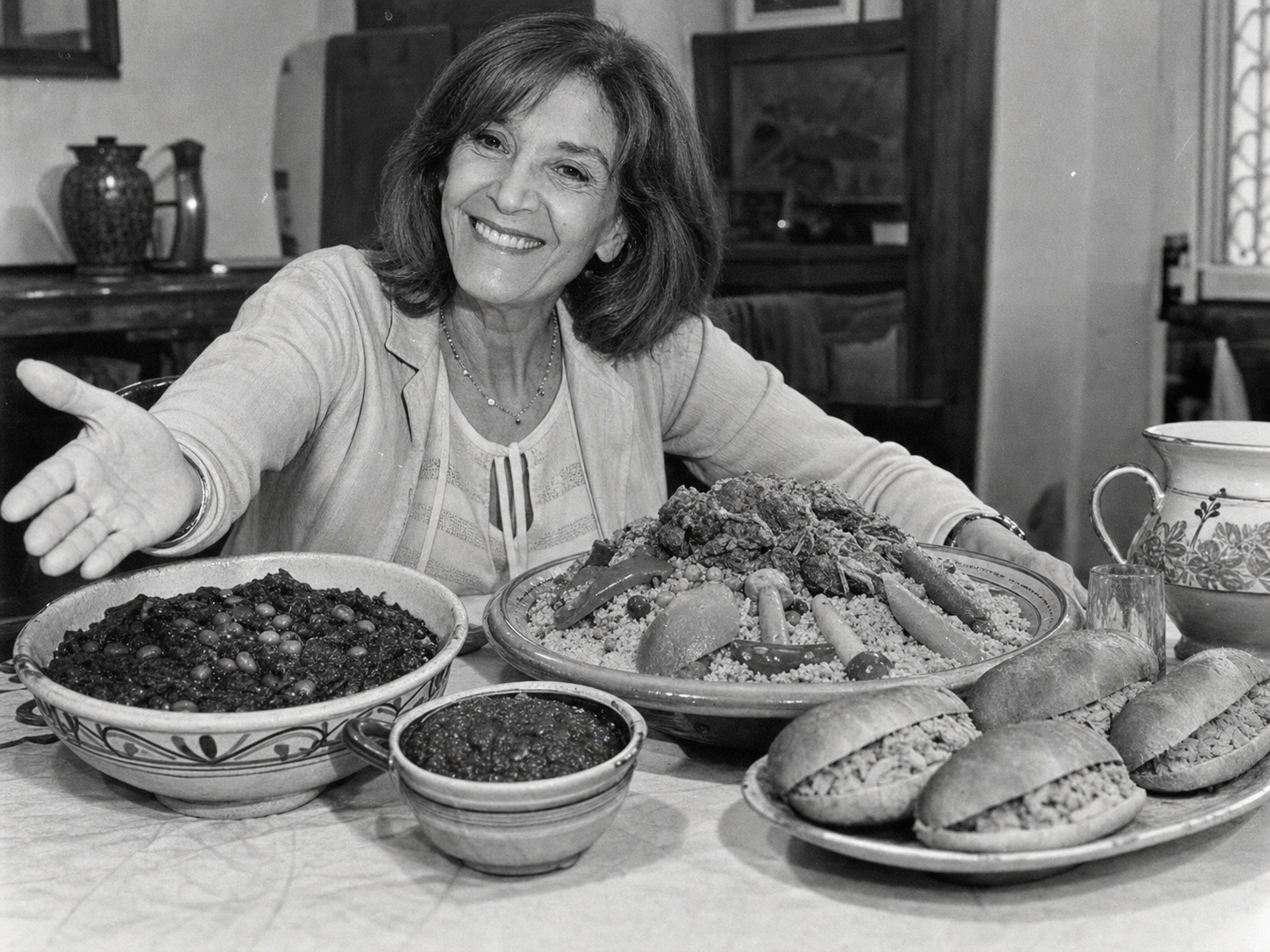
Gisèle Halimi at the table
1927 — 2020
On the menu
The Sephardic Table of La Goulette
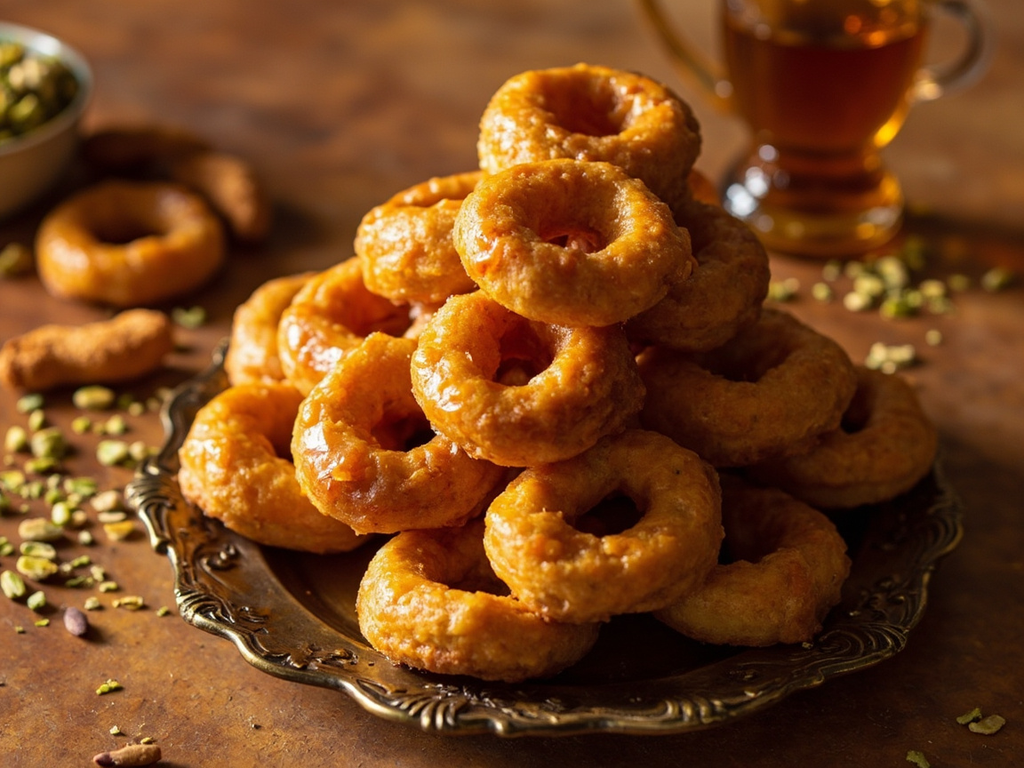
In early 20th-century Jewish-Tunisian cuisine, meals are not divided into starter-main-dessert but unfold around a large shared dish placed at the center — couscous, a slow-cooked pot — surrounded by small spicy preparations (harissa, cooked salads) and ending with fried sweets scented with orange blossom water. Friday evening and holidays structure the year: the family eats together, elbow to elbow, talking loudly. Street food (fricassé, brik) belongs to the city, to Tunis and the port.
Signature : Harissa and Tabil
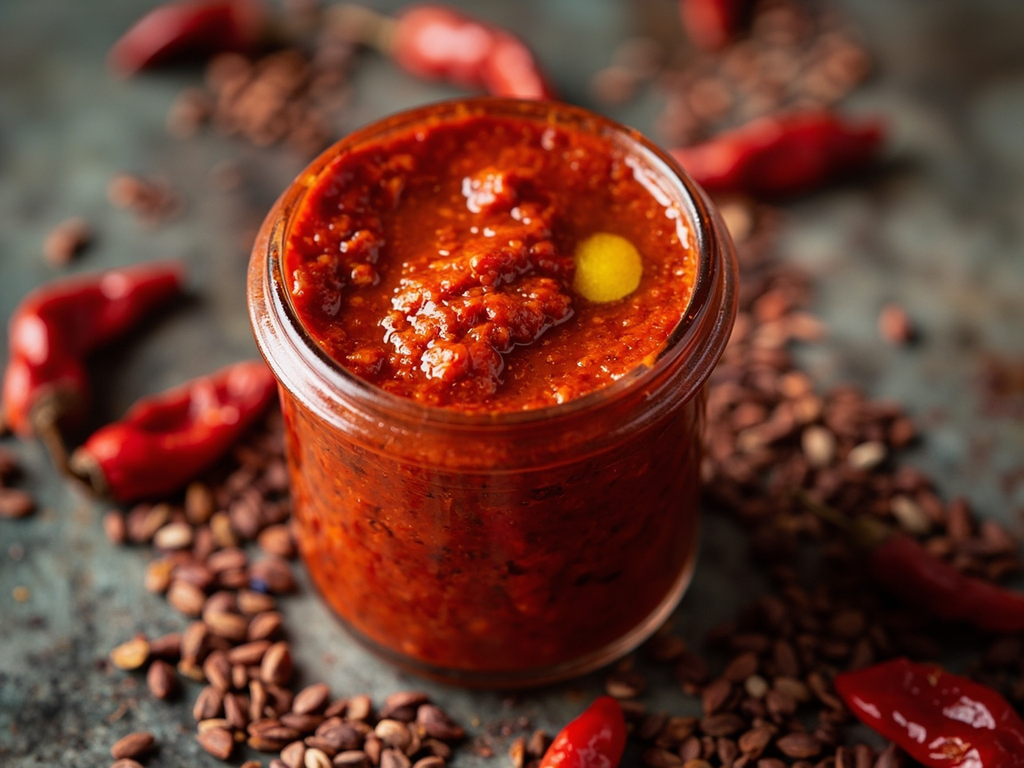
Harissa — a paste of dried chilies, garlic, caraway and coriander in olive oil — is the red, burning soul of the entire Tunisian table, both Jewish and Muslim. A spoonful is placed in each plate. Tabil, a mixture of dried garlic, coriander, caraway and chili, flavors the stews. It is this Mediterranean, spicy signature that Gisèle Halimi kept all her life far from Tunis.
click to flip back
Gisèle Halimi at the table
1927 — 2020
5 period recipes
 Everyday
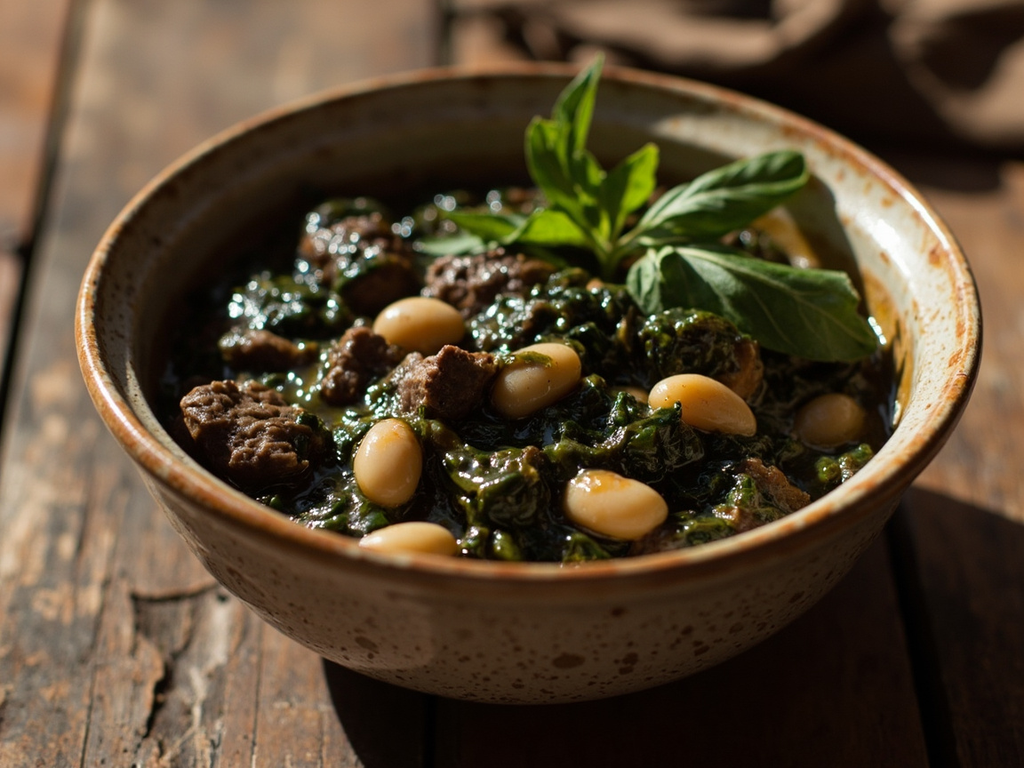
Bkaila with Confit Spinach and White Beans
Everyday pot (qdra), a daily stew placed at the center of the table
🧂 ☕ 🍄· 3 h (including 2 h simmering)
View the recipe
 Festive
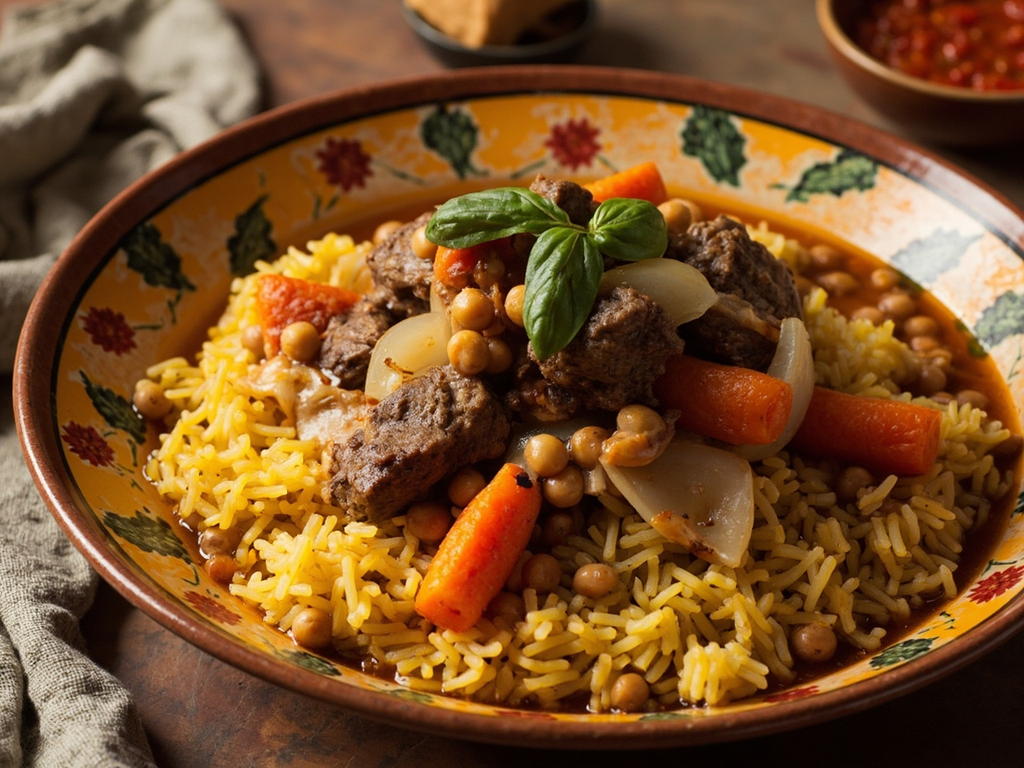
Friday Evening Couscous with Lamb
Grand central dish of Shabbat, placed in the middle of the table and shared by many hands
🧂 🍄 🌶️· 2 h
View the recipe
 Street food
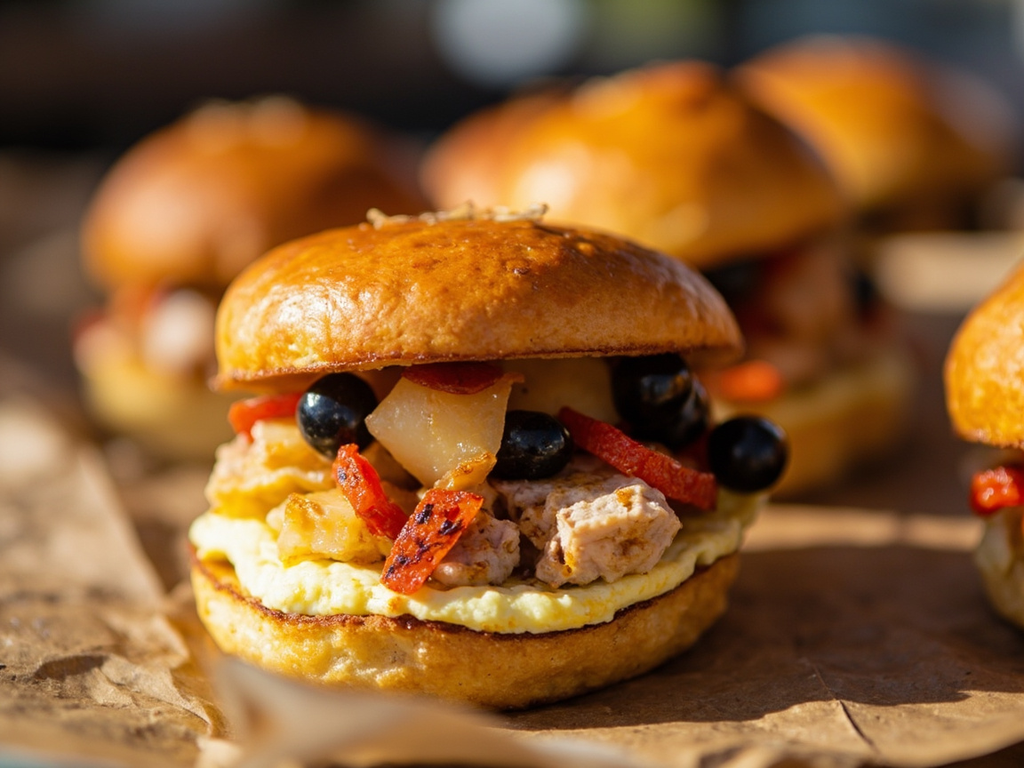
Tunisian Fricassé with Tuna and Harissa
Street snack from Tunis, sold in markets and on street corners
🧂 🌶️ 🍄· 1 h (excluding dough rising time)
View the recipe
 Preserving
Homemade Harissa with Olive Oil
Preserved condiment (eddma), a pot of chili kept under oil and served with every meal
🌶️ 🧂 🍋· 45 min
View the recipe
 Offering
Yoyos with Orange Blossom Water
Fried festive sweet, offered to neighbors and guests on special occasions
🍯· 1 h 30 (including 1 h rising)
View the recipe