Il convito rinascimentale (the Renaissance Italian banquet)
At the papal table, the meal is not divided into starter-main-dessert but alternates between the *servizio di credenza* (cold dishes arranged on the buffet: cured meats, fruits, confections, pastries) and the *servizio di cucina* (hot dishes from the kitchens: soups, roasts, pies). Above all, everything follows the liturgical calendar: *giorni di grasso* (fat days) allow meat and animal fats, while *giorni di magro* (lean days, Fridays, Lent, and vigils) require fish, vegetables, almond milk, and oil. A single meal often blends sweet and savory, a sign of refinement.
Signature : Sweet spices and sugar (cinnamon, ginger, clove, saffron)
The cuisine of the great Italian houses of the 16th century, codified by Bartolomeo Scappi (cook to the popes), liked to season fish, pies, and drinks with a mix of cinnamon, ginger, and clove, enhanced with sugar and colored with saffron. This spiced sweetness, inherited from the Middle Ages, marked prestige: sugar and spices were expensive and signaled the table of a prince of the Church.
Gregory XIII at the table
1502 — 1585
5 period recipes
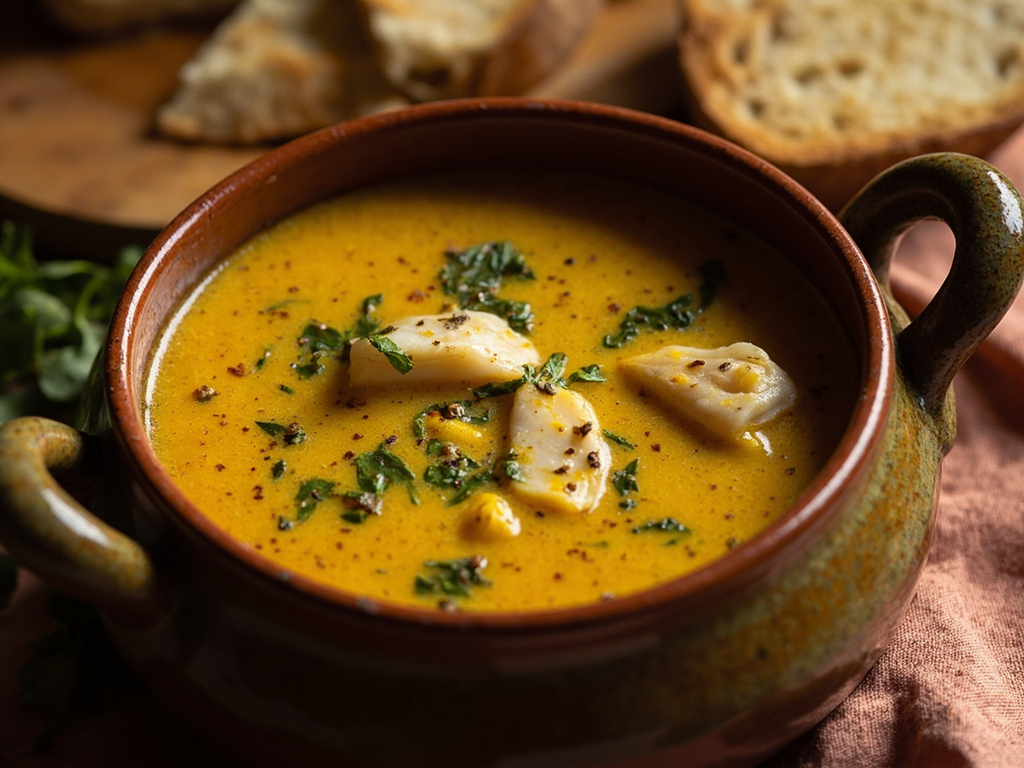 Everyday
Zuppa di magro — lean fish and herb soup from the Vatican
Servizio di cucina, giorno di magro (hot dish for a lean day)
🧂 🍄· 35 min
View the recipe
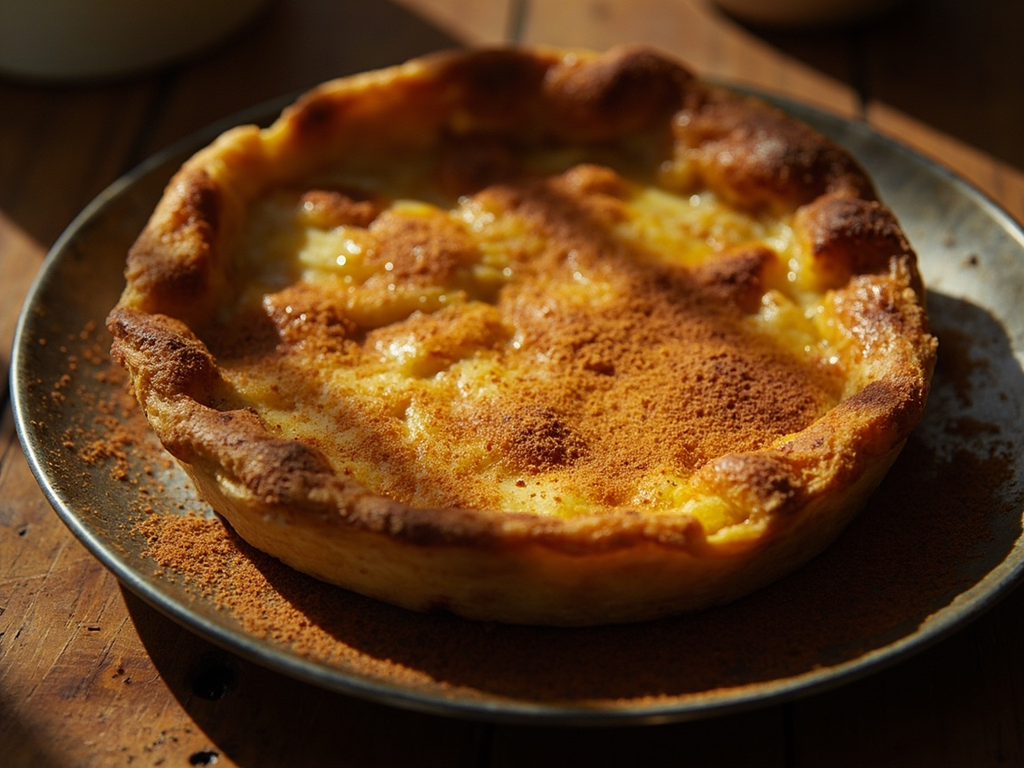 Festive
Torta bolognese — sweet-savory pie in the Bolognese style
Servizio di credenza, giorno di grasso (showpiece pastry, fat day)
🍯 🧂 🌶️· 1 h
View the recipe
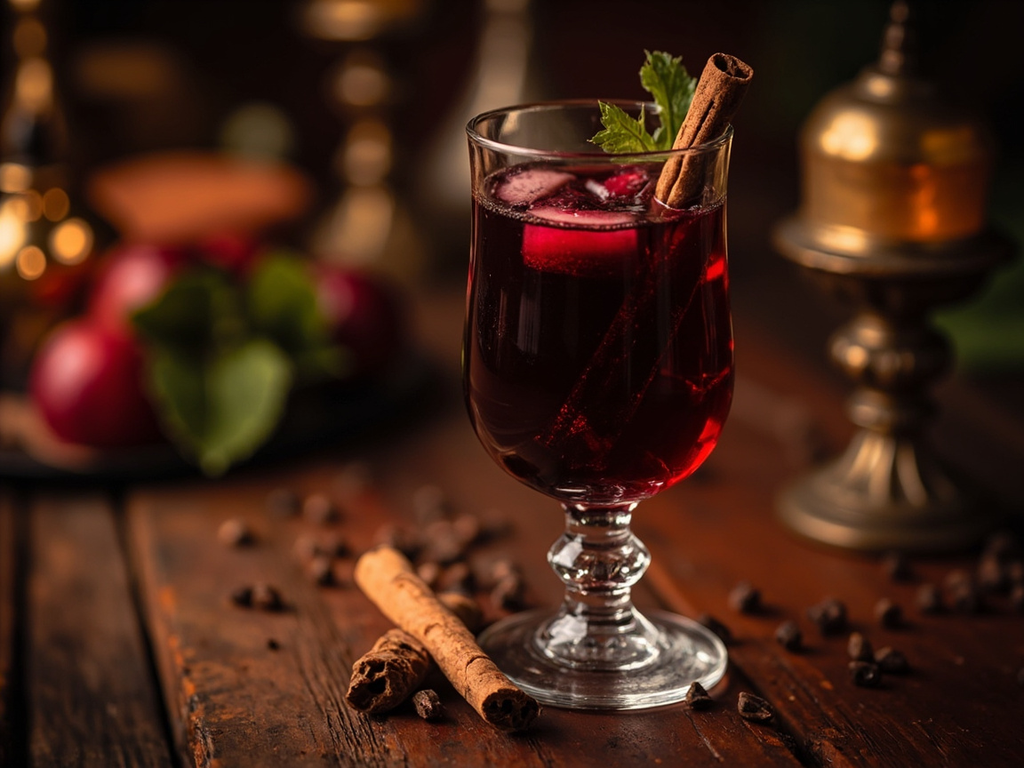 Drink
DrinkIpocrasso — spiced mulled wine of the papal banquet
End-of-banquet beverage (served upon leaving the feast)
🍯 🌶️· 15 min (+ infusion)
View the recipe
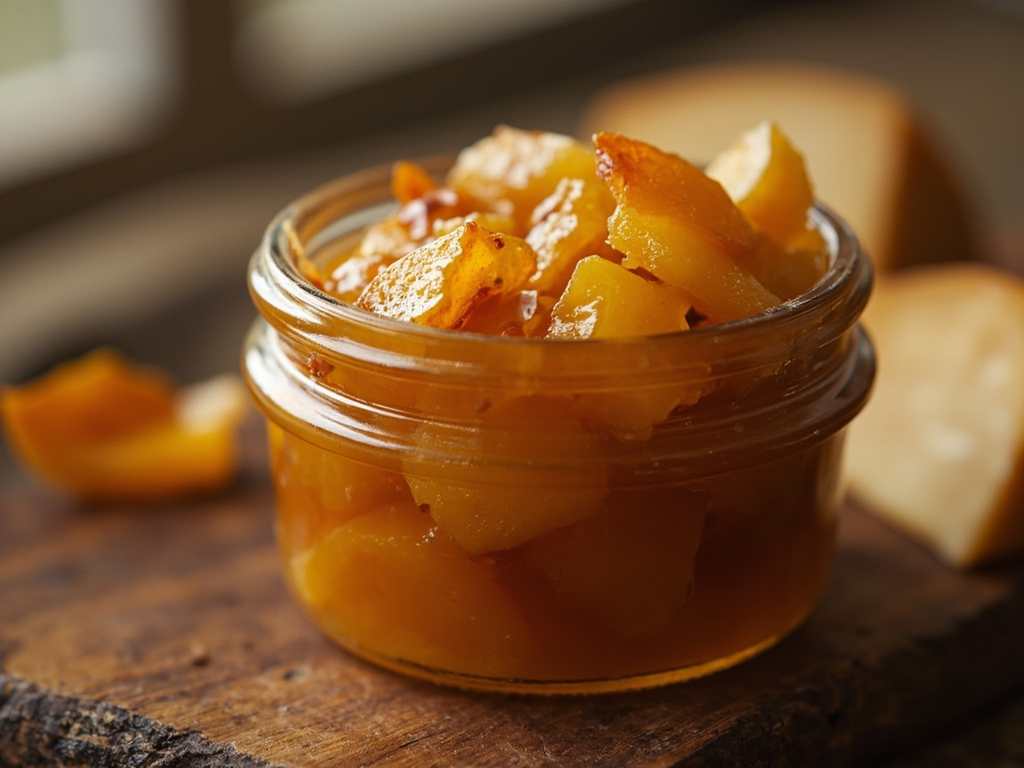 Preserving
Mostarda di frutta — candied fruits in mustard syrup
Credenza condiment, for storage (accompanies meats and cheeses)
🍋 🌶️ 🍯· 40 min (+ 24 h maceration)
View the recipe
 Remedy
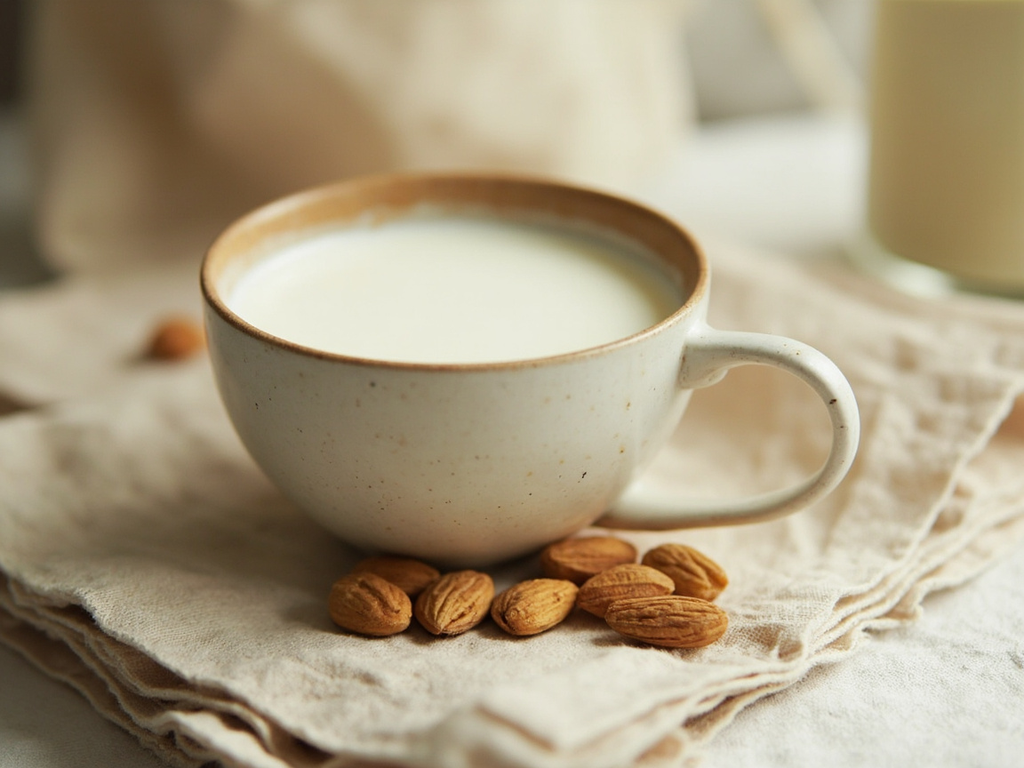
Latte di mandorle — almond milk for lean days
Di magro preparation, restorative for the sick and fasting (base and beverage)
🍯· 20 min (+ soaking)
View the recipe