 flip
flipTorta bolognese — sweet-savory pie in the Bolognese style
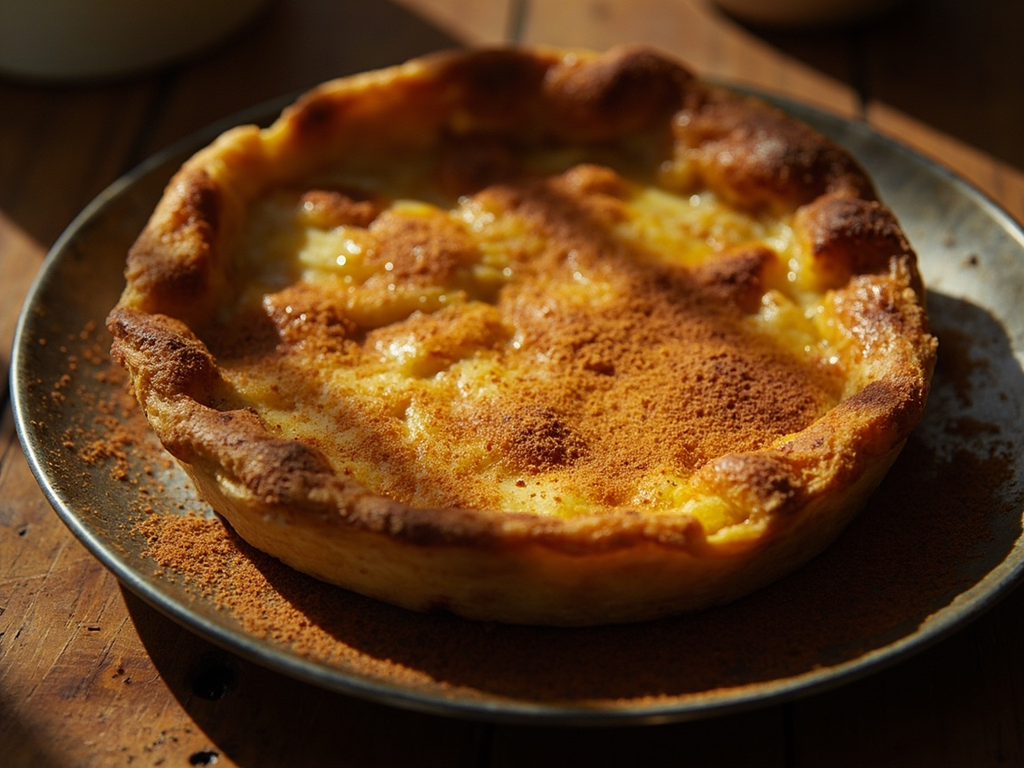
Torta bolognese — sweet-savory pie in the Bolognese style
Why this dish? Before the tiara, Ugo Boncompagni — the future Gregory XIII — was a brilliant jurist trained and professor at the University of Bologna, a city renowned for its rich table. The Bolognese pies mixing cheese, sweet spices, and sugar were typical banquet pieces of this learned court he had frequented.
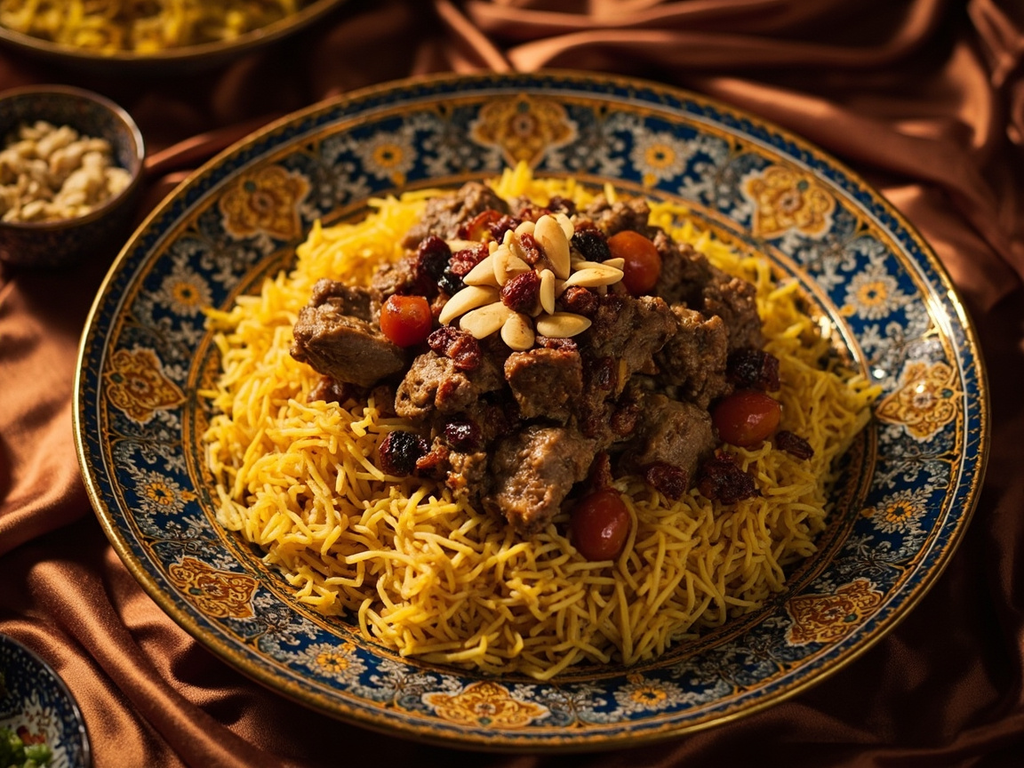
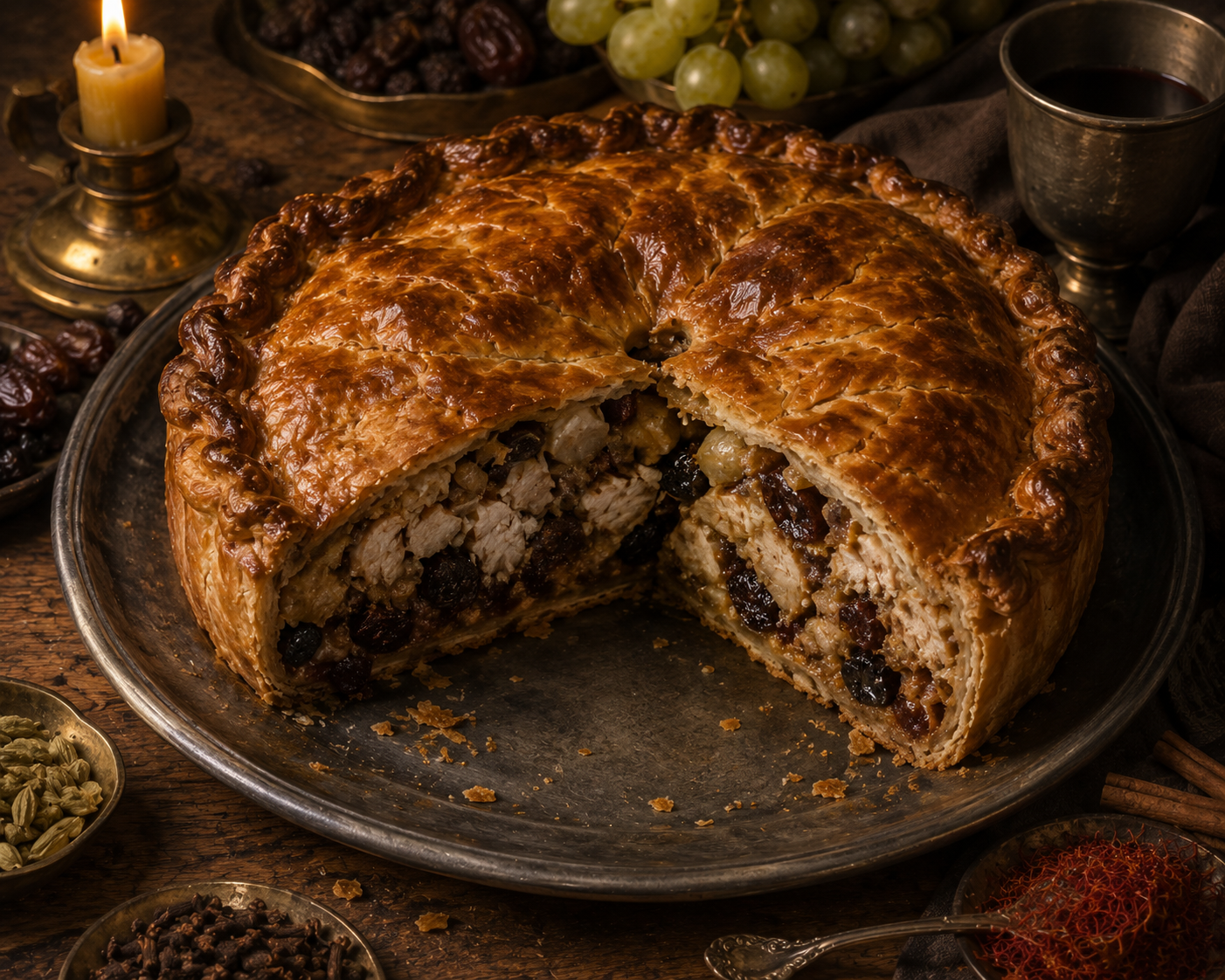
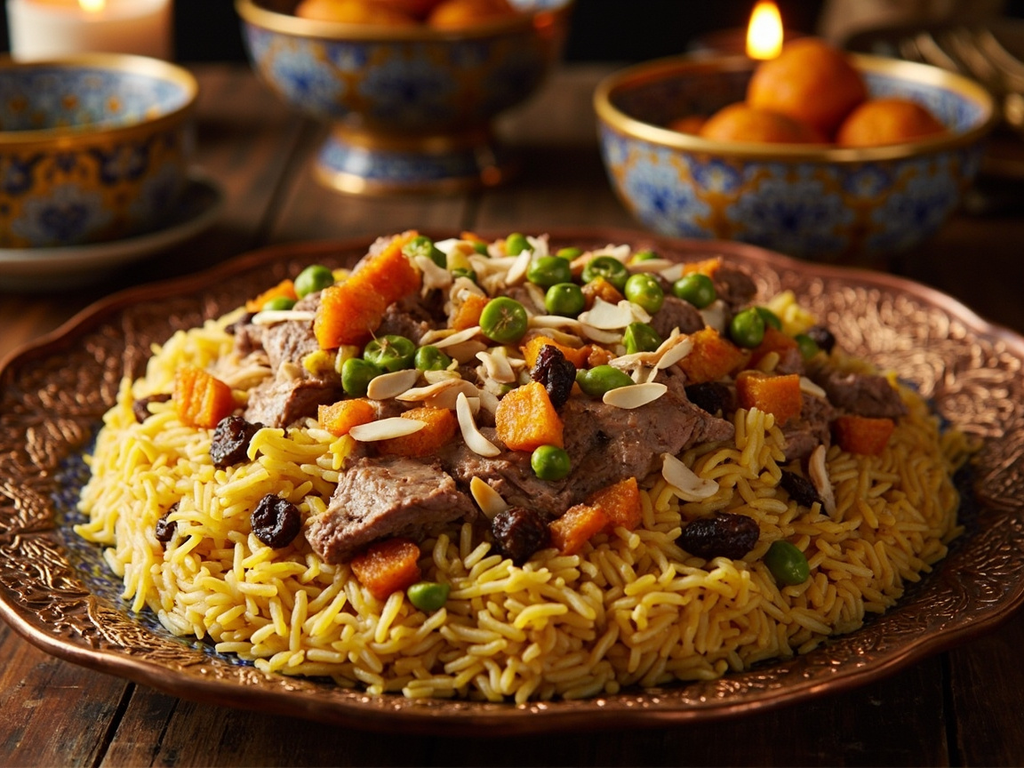
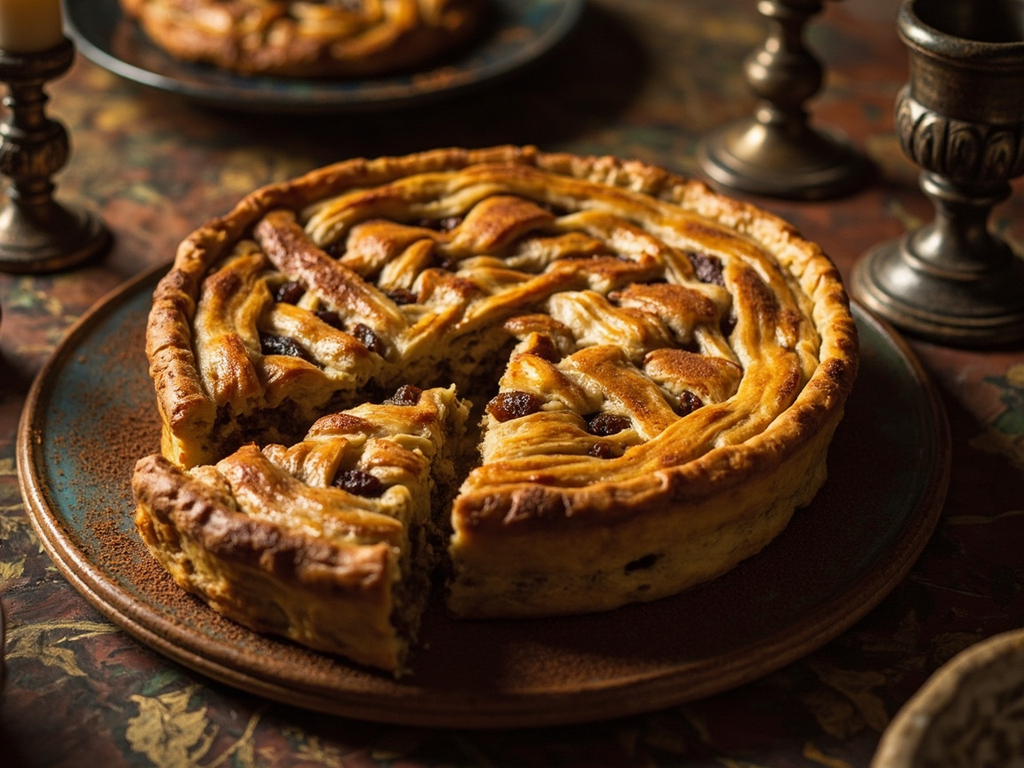
A generous pie where fresh cheese, eggs, sweet spices, and sugar meet in a golden crust. Sweet-savory as the Renaissance loved, it reigned at the *servizio di credenza* of grand meals.
Before God called Us to the throne of Peter, We long taught law at Bologna, and believe Our word: they eat there as wisely as they reason. This pie was filled with fresh cheese beaten with eggs, seasoned with cinnamon and ginger, and sweetened as befits quality tables. Bake until the crust takes the color of ripe wheat, then dust with sugar and cinnamon before presenting. It is a dish that delights the palate and honors the host.
- •Fresh cheese (ricotta, provatura) — sufficient amount (main filling)
- •Eggs — several (binding)
- •Sugar — at discretion (sweetness and prestige)
- •Cinnamon and ginger — a good pinch (signature spices)
- •Pastry (flour, butter/lard) — to line the mold (crust)
- •Rose water — a few drops (refined fragrance)
Torta bolognese — sweet-savory pie in the Bolognese style
A generous pie where fresh cheese, eggs, sweet spices, and sugar meet in a golden crust. Sweet-savory as the Renaissance loved, it reigned at the *servizio di credenza* of grand meals.
Why this dish? Before the tiara, Ugo Boncompagni — the future Gregory XIII — was a brilliant jurist trained and professor at the University of Bologna, a city renowned for its rich table. The Bolognese pies mixing cheese, sweet spices, and sugar were typical banquet pieces of this learned court he had frequented.
Before God called Us to the throne of Peter, We long taught law at Bologna, and believe Our word: they eat there as wisely as they reason. This pie was filled with fresh cheese beaten with eggs, seasoned with cinnamon and ginger, and sweetened as befits quality tables. Bake until the crust takes the color of ripe wheat, then dust with sugar and cinnamon before presenting. It is a dish that delights the palate and honors the host.
Ingredients (period version)
- Fresh cheese (ricotta, provatura) — sufficient amount (main filling)
- Eggs — several (binding)
- Sugar — at discretion (sweetness and prestige)
- Cinnamon and ginger — a good pinch (signature spices)
- Pastry (flour, butter/lard) — to line the mold (crust)
- Rose water — a few drops (refined fragrance)
Ingredients
- Well-drained ricotta — 500 g (filling)
- Eggs — 3 (binding)
- Sugar — 80 g (sweetness)
- Cinnamon — 1 tsp (spice)
- Ground ginger — 1/2 tsp (spice)
- Shortcrust pastry — 1 roll (or homemade) (crust)
- Rose water — 1 tsp (fragrance)
- Sugar + cinnamon for dusting — 1 tbsp (finish)
Method
- Preheat the oven to 180°C and line a mold with the pastry.
- Beat the ricotta with the eggs, sugar, cinnamon, ginger, and rose water until smooth.
- Pour the filling onto the pastry base and smooth the surface.
- Bake for 35 to 40 minutes, until the pie is set and golden.
- Let cool slightly, then dust with sugar and cinnamon before serving.
How it was made : Bartolomeo Scappi, cook to several popes in the 16th century, gives many recipes for 'torte' with fresh cheese, eggs, sugar, and spices. The blend of sweet and savory, far from a fancy, was the hallmark of aristocratic and ecclesiastical cuisine of the Italian Renaissance.
The contemporary twist : Stencil on top: dust the sugar-cinnamon through a grid to create a geometric pattern, a nod to the astronomical tables of the calendar reform.
Sources : Bartolomeo Scappi, Opera dell'arte del cucinare (1570)
Gregory XIII · Charactorium