 Flip the card
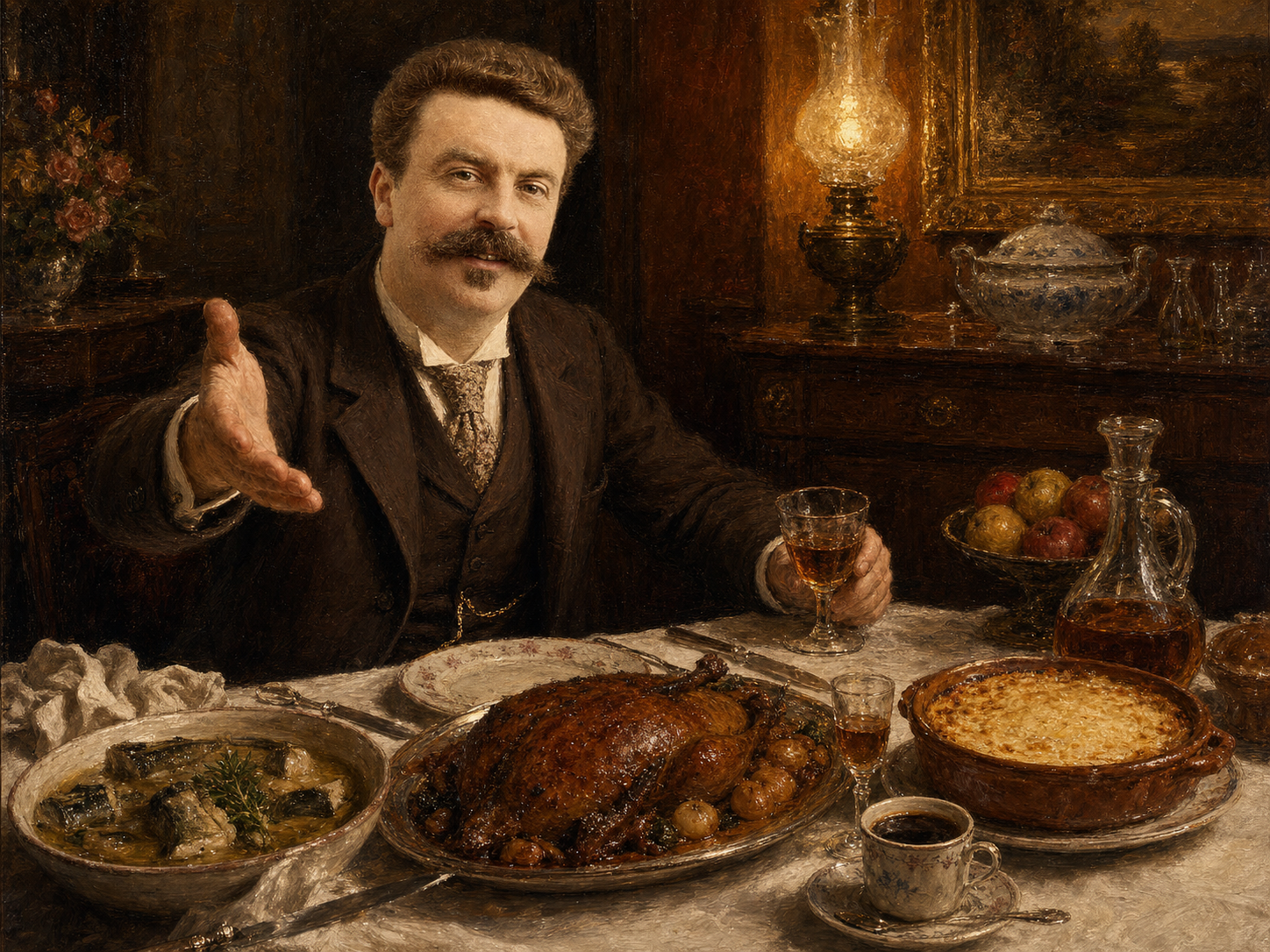
Guy de Maupassant at the table
1850 — 1893
On the menu
The Belle Époque Norman Meal
At a 19th-century Norman table, courses are not separated into starter-main-dessert: one follows a copious sequence punctuated by cream, butter, and the sea. Midway through the feast comes the *trou normand*, a glass of apple brandy meant to whet the appetite and reignite the eating. The meal opens with a product of the Seine or the English Channel, peaks with a roast fowl, and closes with a dairy-based entremets cooked for hours. For Maupassant, a Parisian socialite as much as a son of the Alabaster Coast, this meal oscillates between the inn at Étretat and the restaurant of the grand boulevards.
Signature : Isigny Cream and Butter
Maupassant's Norman cooking rests entirely on the dairy wealth of the Pays de Caux and Bessin: everything is napped, bound, and melted with butter and thick cream. This is the rich, pearly signature that links the Seine eel to the Rouen duckling and even to the sweet teurgoule.
click to flip back
Guy de Maupassant at the table
1850 — 1893
5 period recipes
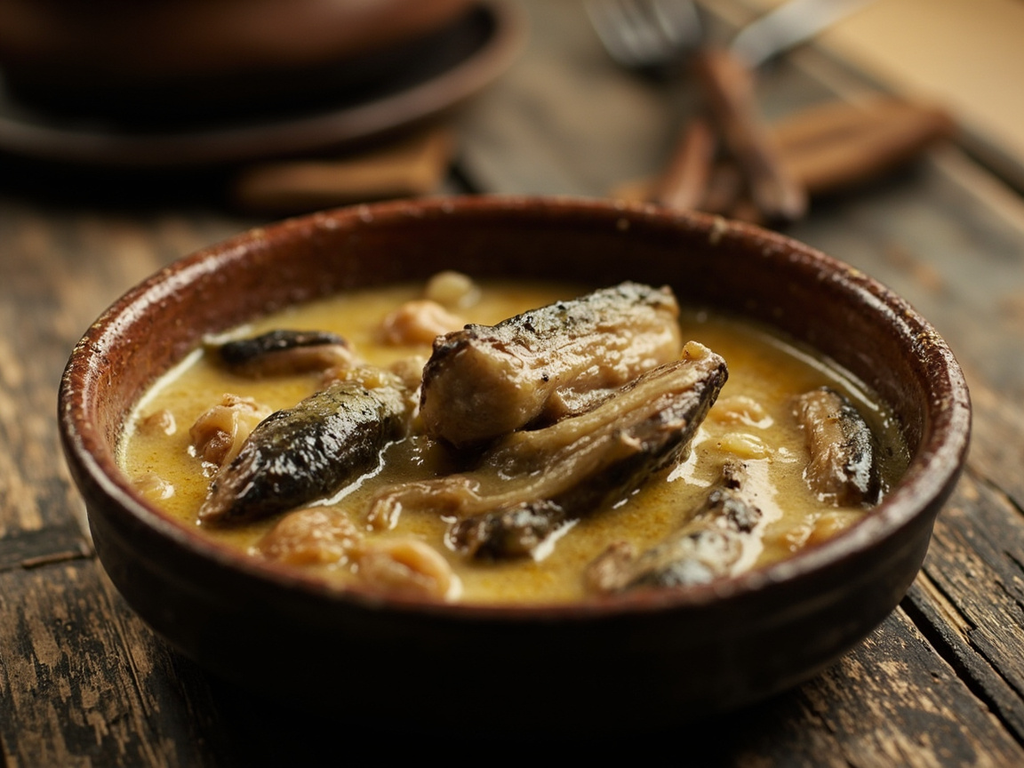 Everyday
Seine Eel Matelote with Cider
The River Dish (the oarsman's meal)
🧂 🍄· 50 min
View the recipe
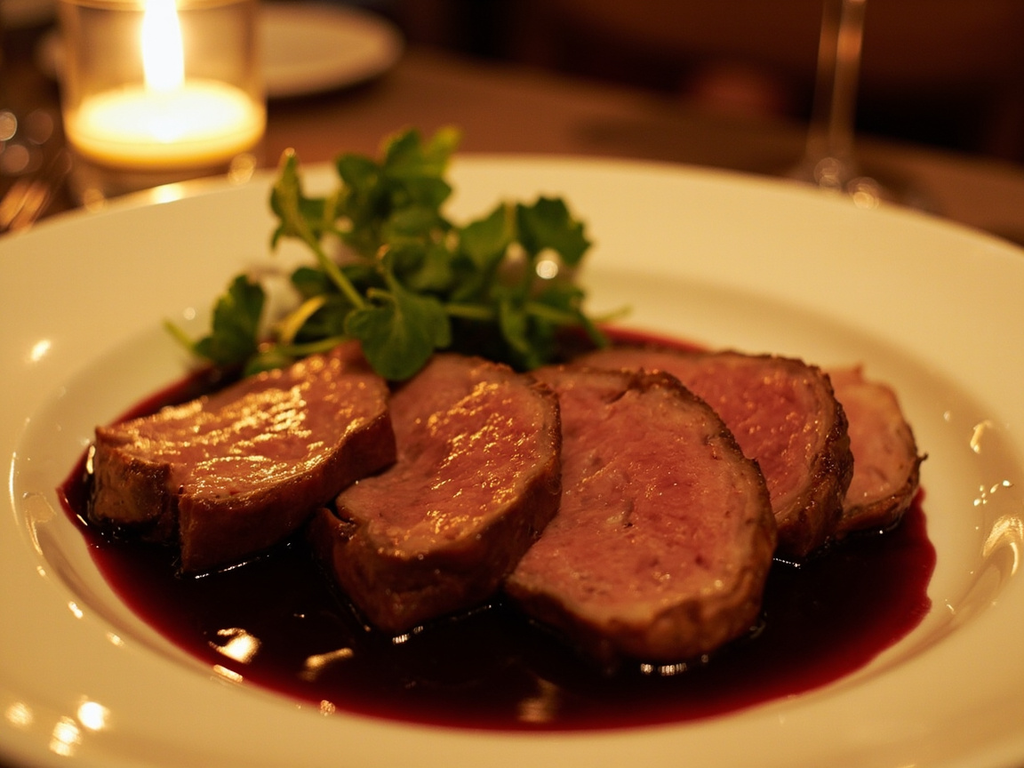 Festive
Rouen Duckling
The Centerpiece (Poultry of the Pays de Caux)
🍄 🧂· 1 h
View the recipe
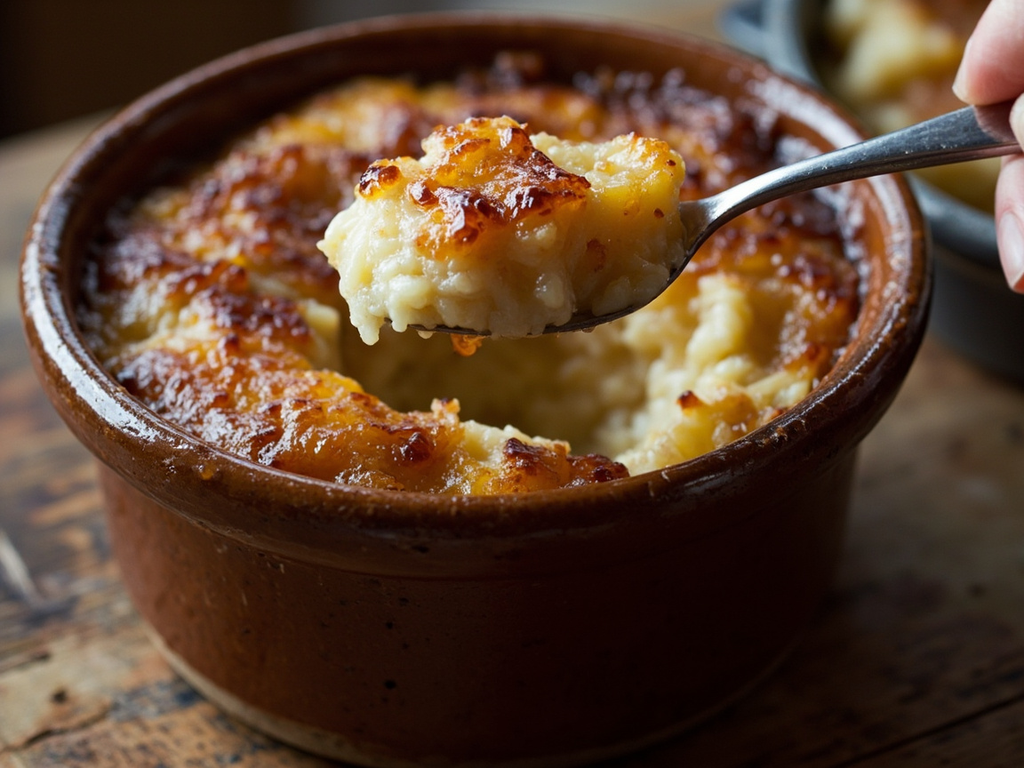 Preserving
Norman Teurgoule
The Keepable Dairy Entremets (overnight baking in the bread oven)
🍯 🌶️· 6 h (including slow cooking)
View the recipe
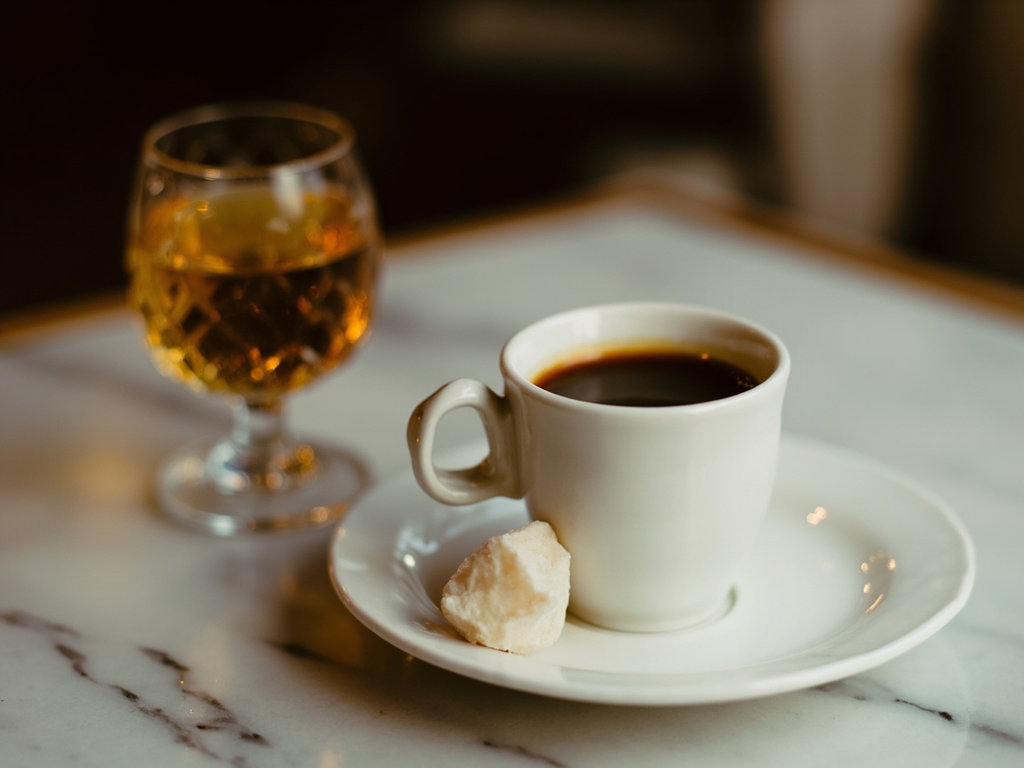 Drink
DrinkCoffee with Calvados (the *trou normand*)
The Spirit Break (mid-meal and end-of-meal)
☕ 🫙· 5 min
View the recipe
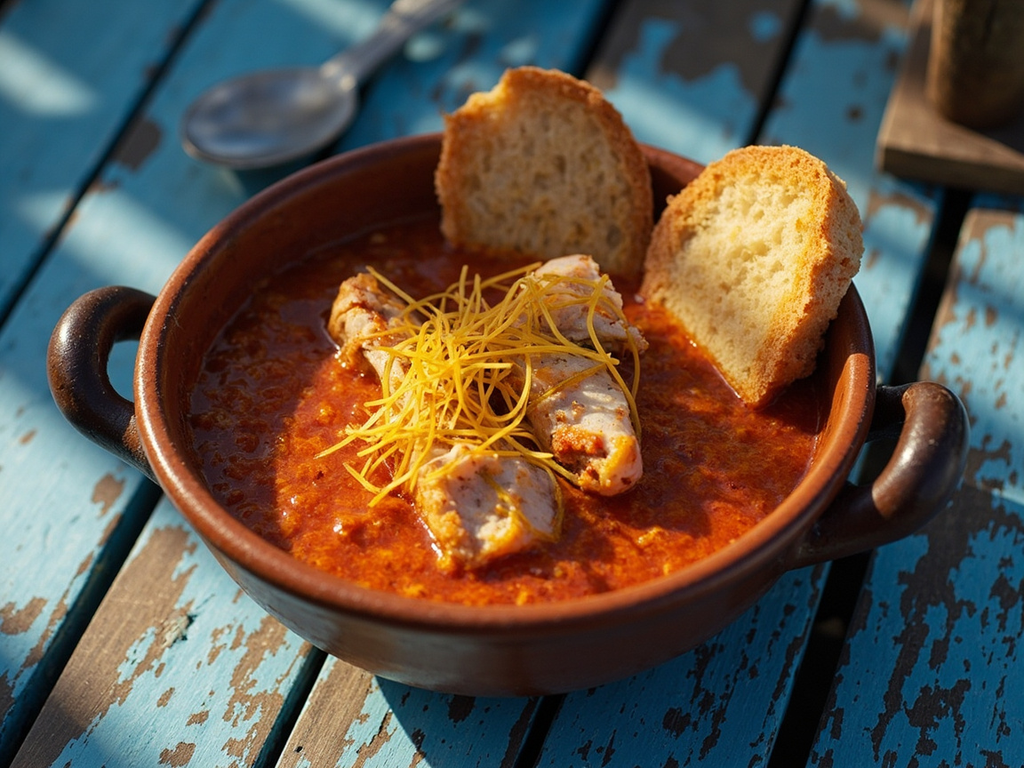 Travel
Rockfish Soup of the Bel-Ami
The Ship's Broth (galley mess on the Mediterranean yacht)
🧂 🌶️ 🍄· 55 min
View the recipe