The Punic Table: The Flatbread and What Accompanies It
The Carthaginian meal is not divided into starter, main course, and dessert. It is organized around a cereal base — barley flatbread or spelt porridge — to which is added 'what is eaten with bread' (salted fish, cheese, olives, dried fruits). Fruits, honey, and wine mixed with water punctuate the meal rather than conclude it. The festive banquet takes the form of the *marzeah*, a communal meal of notables and sailors where meat, wine, and offerings to the gods are shared.
Signature : The Pomegranate, Punic Apple
The Romans named this fruit *malum punicum*, 'the apple of Carthage', so closely was it linked to the city of Hanno. Tart and ruby-red, the pomegranate marks Punic cuisine: its seeds are scattered over festive meats, its sweet-and-sour juice is pressed, and the fruits are hung for storage aboard ship.
Hanno the Navigator at the table
500 av. J.-C. — 500 av. J.-C.
5 period recipes
 Travel
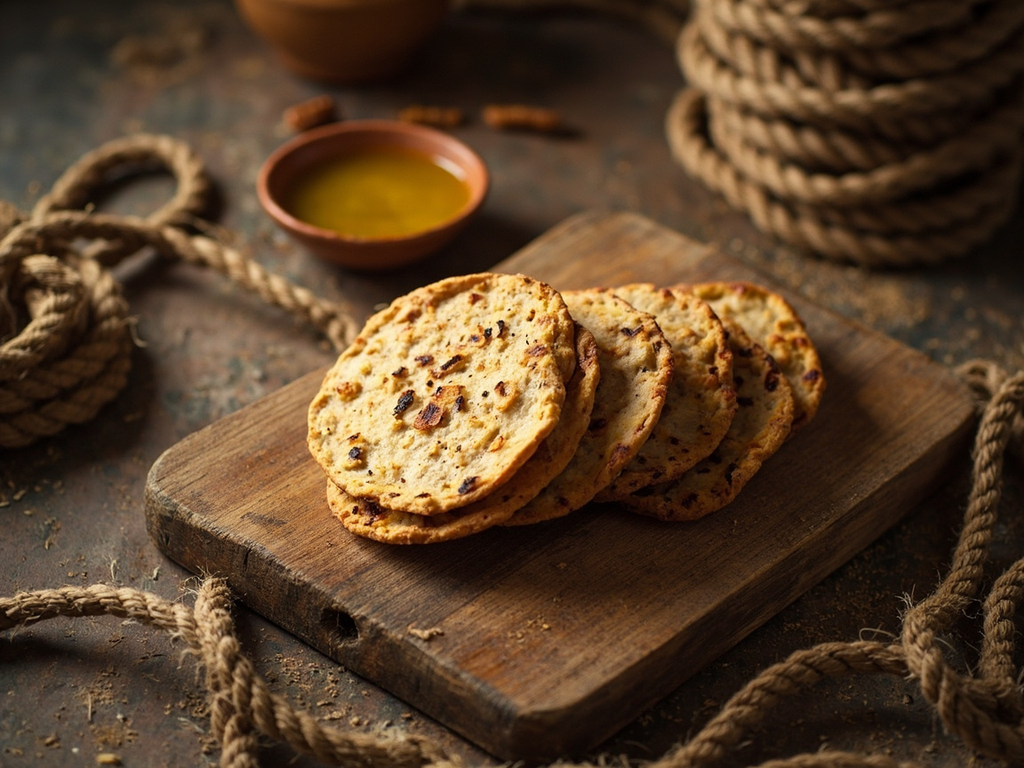
Twice-Baked Barley Flatbread of the Deck
Travel Cereal Base (the bread that does not mold)
🧂· 1 h 30
View the recipe
 Everyday
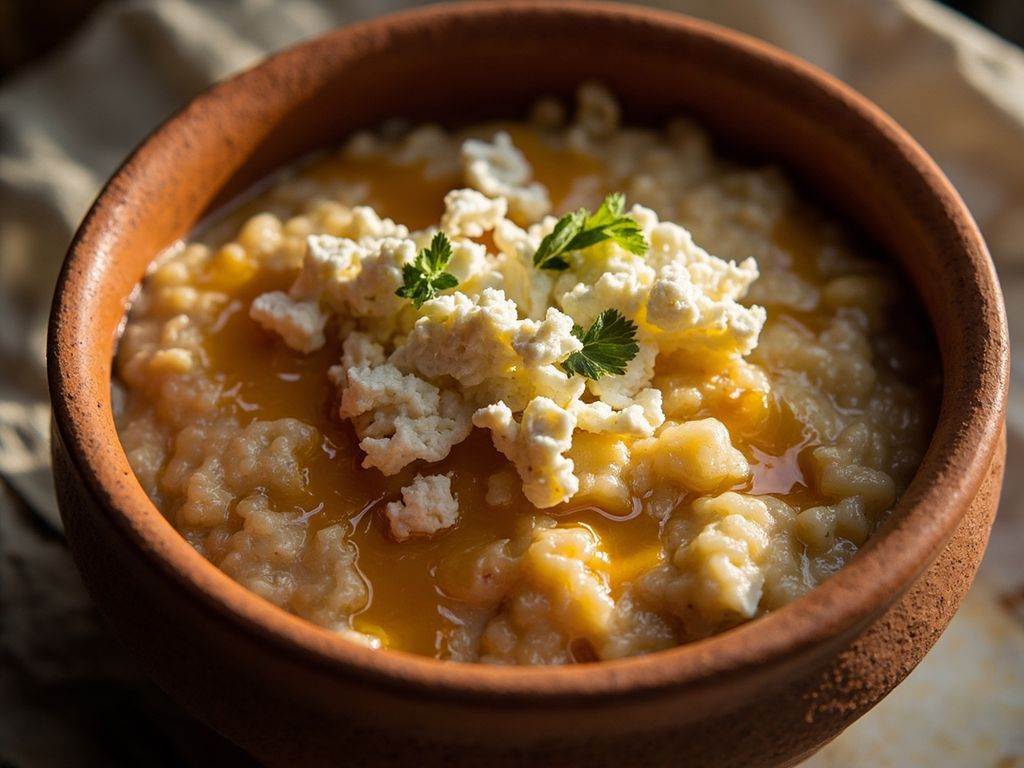
Puls Punica: Punic Porridge with Honey and Cheese
Everyday Base Porridge (the one-dish meal of the household)
🍯 🧂· 35 min
View the recipe
 Preserving
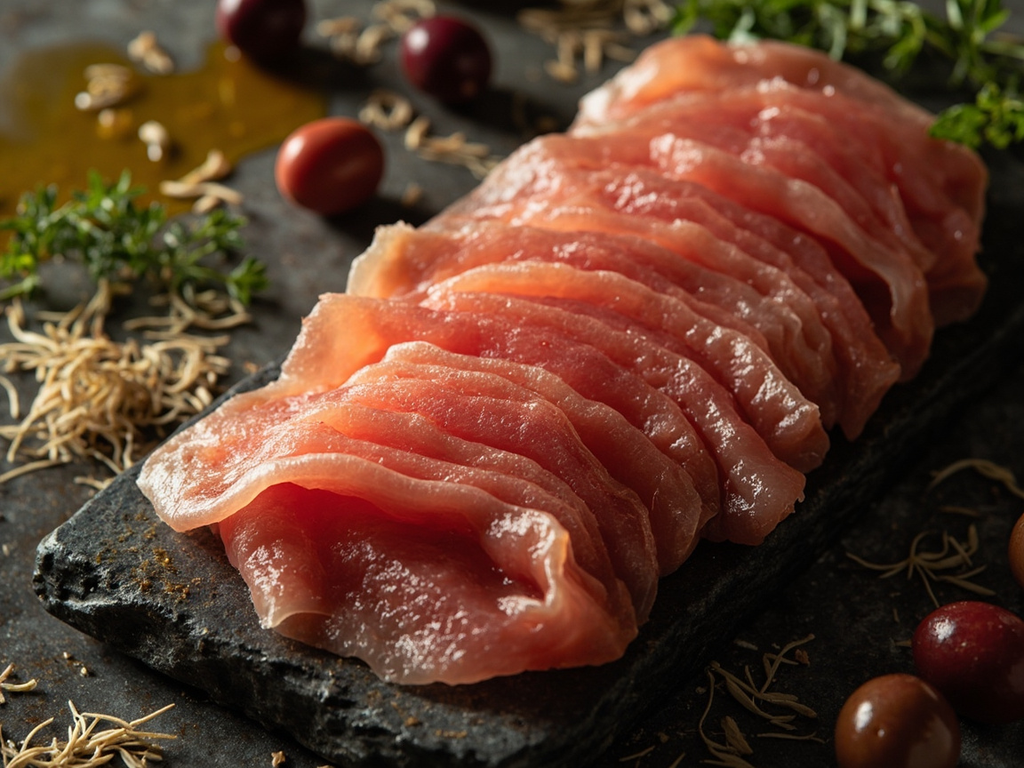
Salt-Cured Tuna with Herbs from Lixus
Salted Provision (the opson that travels and keeps)
🧂 🍄 🫙· 2 days (including resting)
View the recipe
 Festive
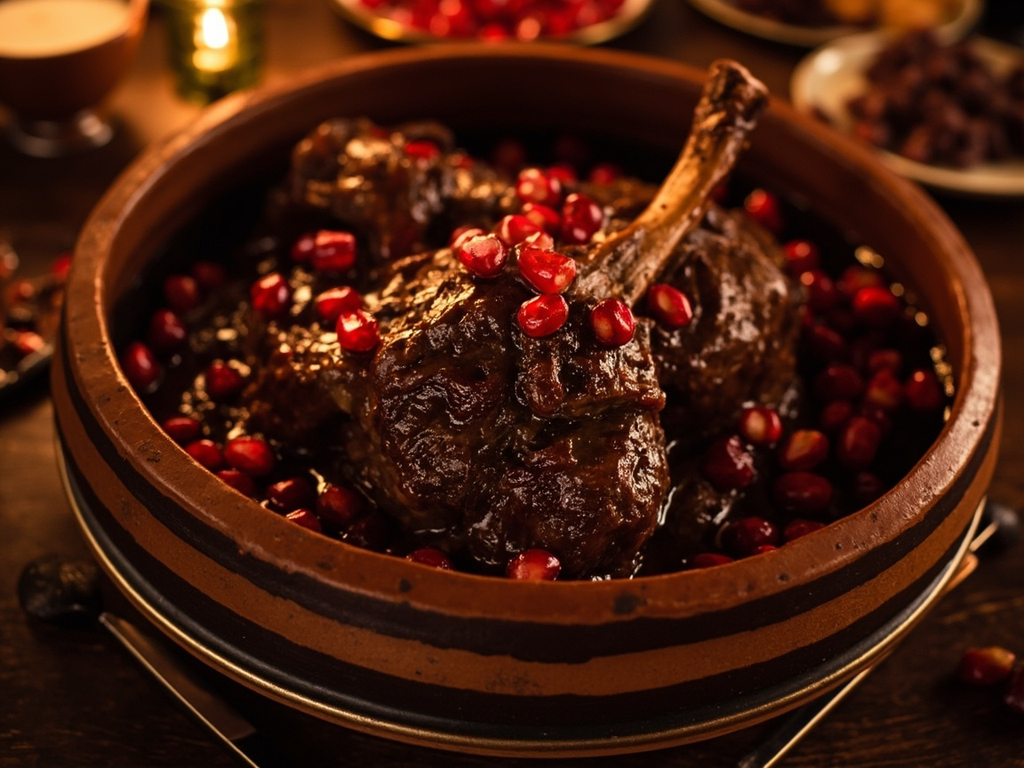
Lamb Shoulder with Dates and Pomegranate for the Marzeah
Banquet Centerpiece (marzeah of notables and sailors)
🍯 🍋 🧂· 3 h 15
View the recipe
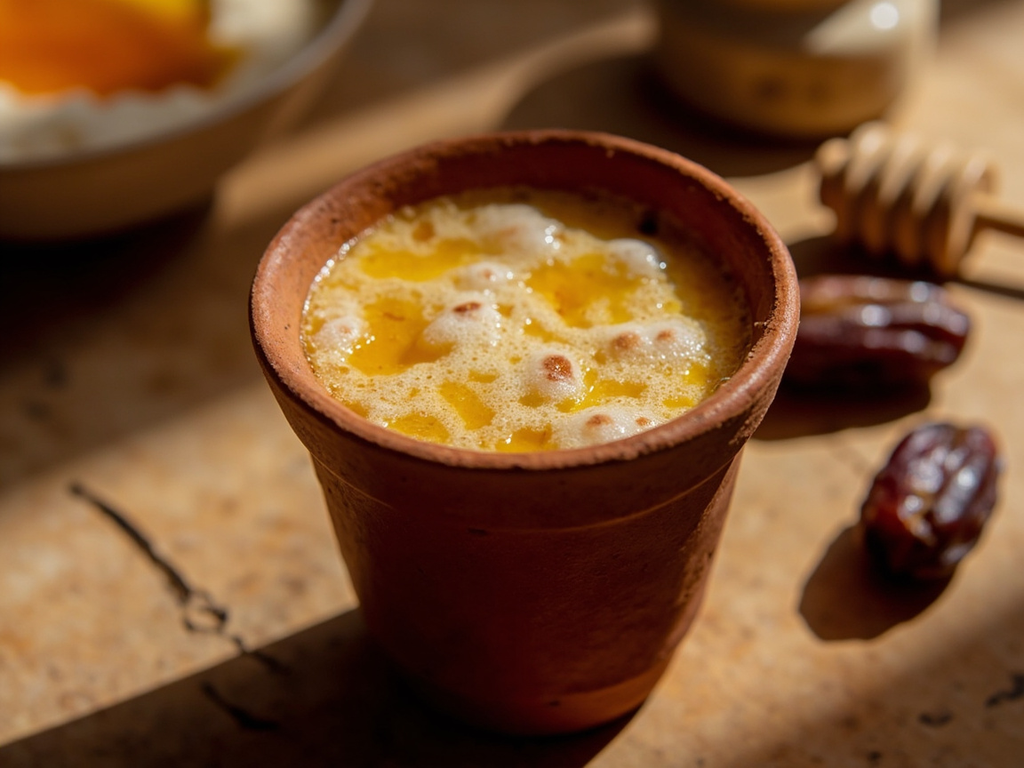 Drink
DrinkDate Wine Cut with Honey and Water
Table and Deck Beverage (the wine that is never drunk pure)
🍯 🫙· 15 min (+ 2 to 3 days optional fermentation)
View the recipe