 Flip the card
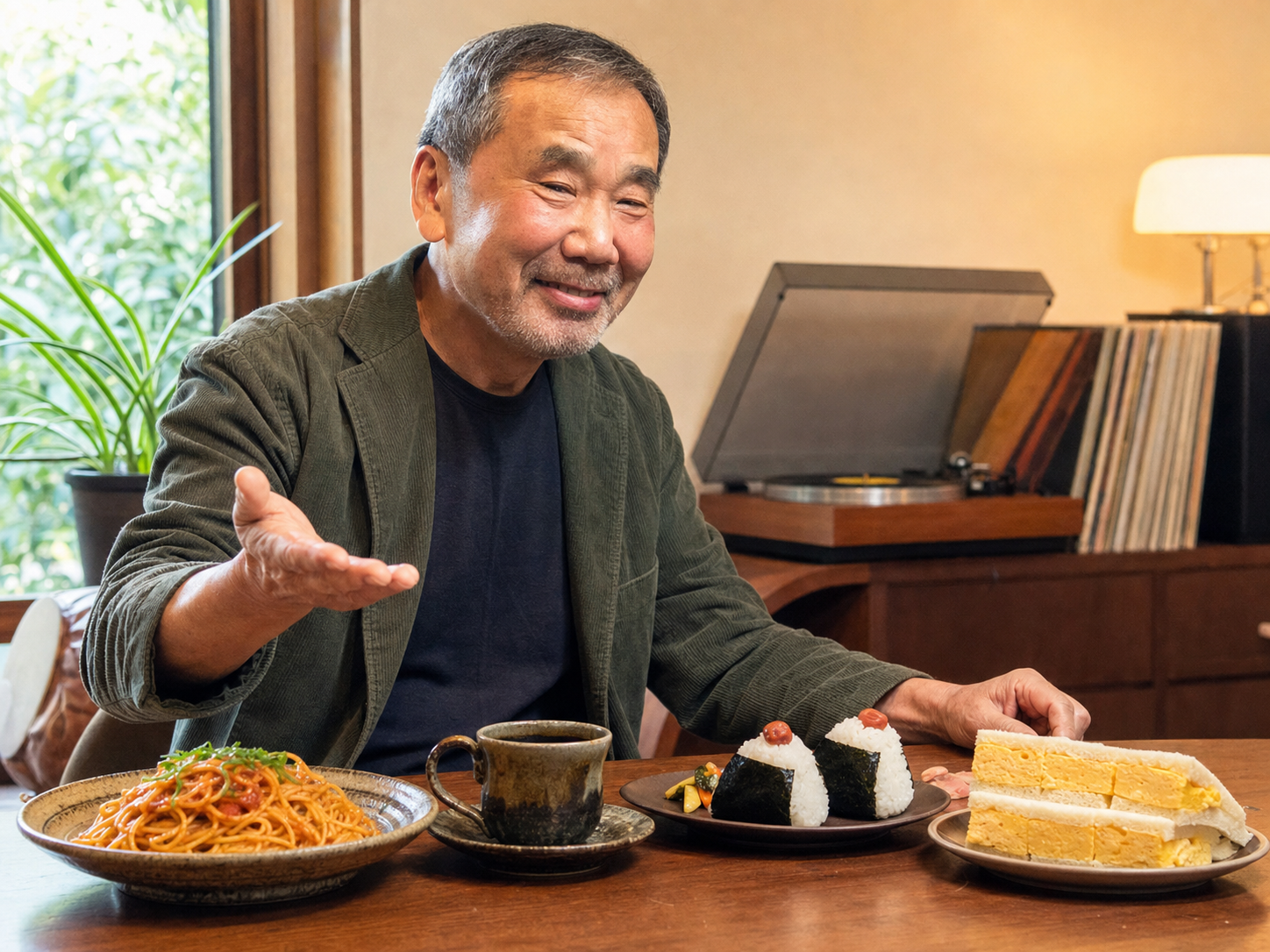
Haruki Murakami at the table
1949 — ?
On the menu
Between washoku and yōshoku — the table of a Japanese writer today
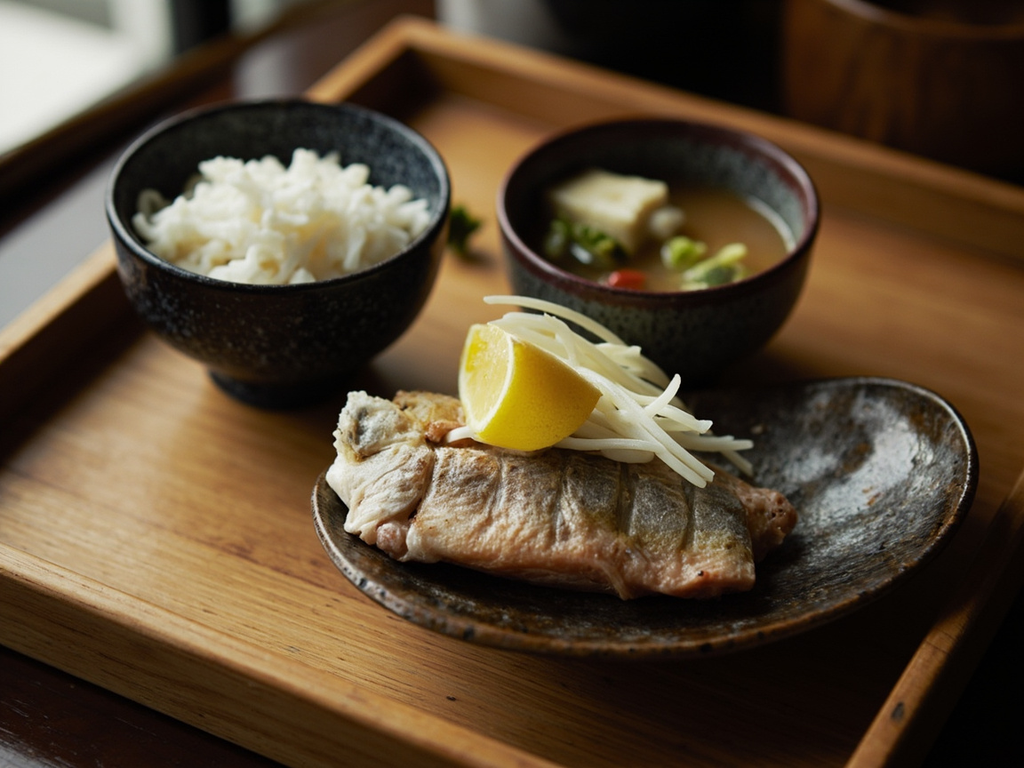
Contemporary Japan overlays two heritages. On one side, traditional washoku with its ichijū-sansai structure: a bowl of rice, a soup (often miso), and three small sides, all served together without an appetizer-main-dessert order. On the other, yōshoku, those Western dishes (spaghetti, sandwiches, filter coffee) adopted since the Meiji era and then Japanized, becoming the food of the modern bachelor, the hurried city dweller, the writer who cooks alone. Murakami lives exactly at this hinge: a morning of rice and miso, a midday of pasta while listening to a jazz record, a black coffee as served in kissaten.
Signature : The umami of the Japanese pantry and the gesture of simplicity
Dashi (kombu seaweed and dried bonito broth), fermented miso, soy sauce, and umeboshi: this umami-fermented foundation runs through all everyday Japanese cooking. In Murakami's case, it comes with another signature, an immaterial one: doing one very simple thing well, alone, with attention — boiling pasta, grinding coffee — like a small, almost athletic discipline.
click to flip back
Haruki Murakami at the table
1949 — ?
5 period recipes
 Everyday
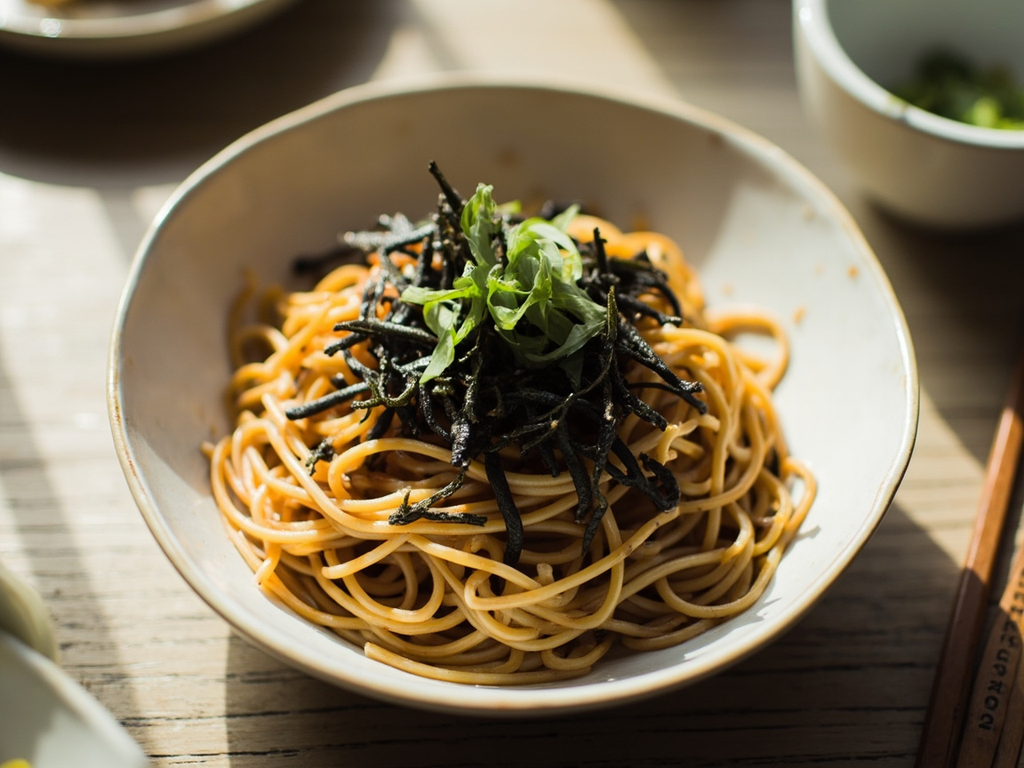
Bachelor's spaghetti, listening to jazz
Yōshoku — single midday dish (hirugohan)
🧂 🍄· 20 min
View the recipe
 Drink
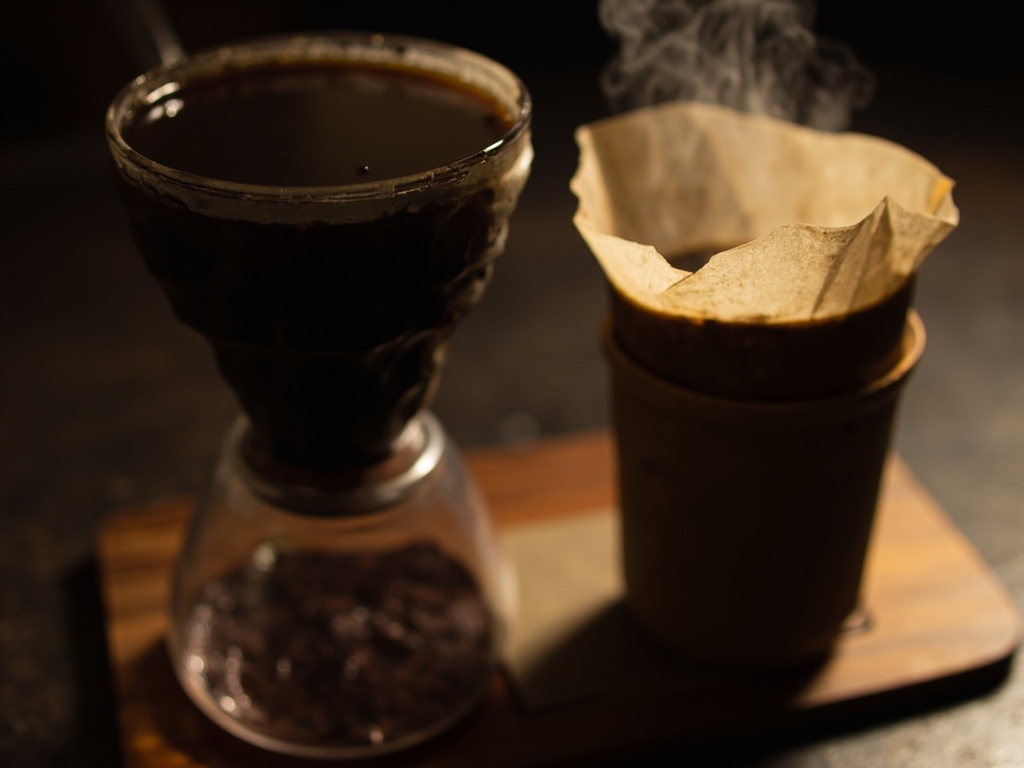
DrinkBlack filter coffee from the kissaten
Beverage — kōhī, kissaten ritual
☕· 10 min
View the recipe
 Preserving
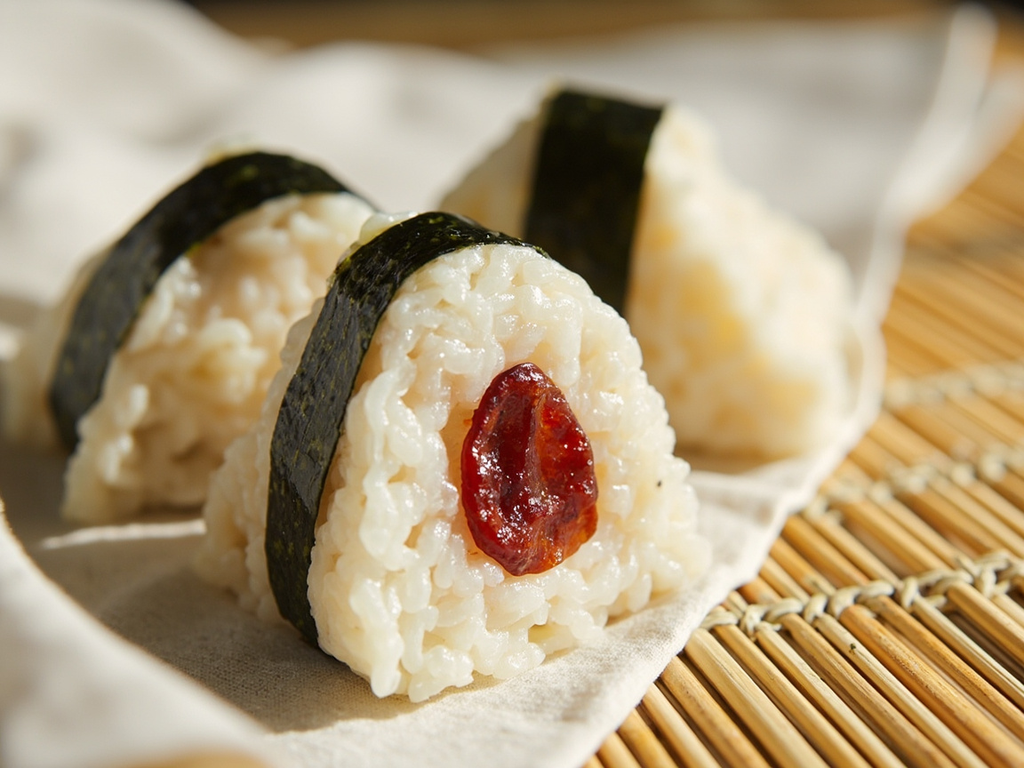
Umeboshi onigiri for the road
Shaped rice — onigiri, portable snack (keitai-shoku)
🍋 🧂· 30 min (including rice cooking)
View the recipe
 Street food
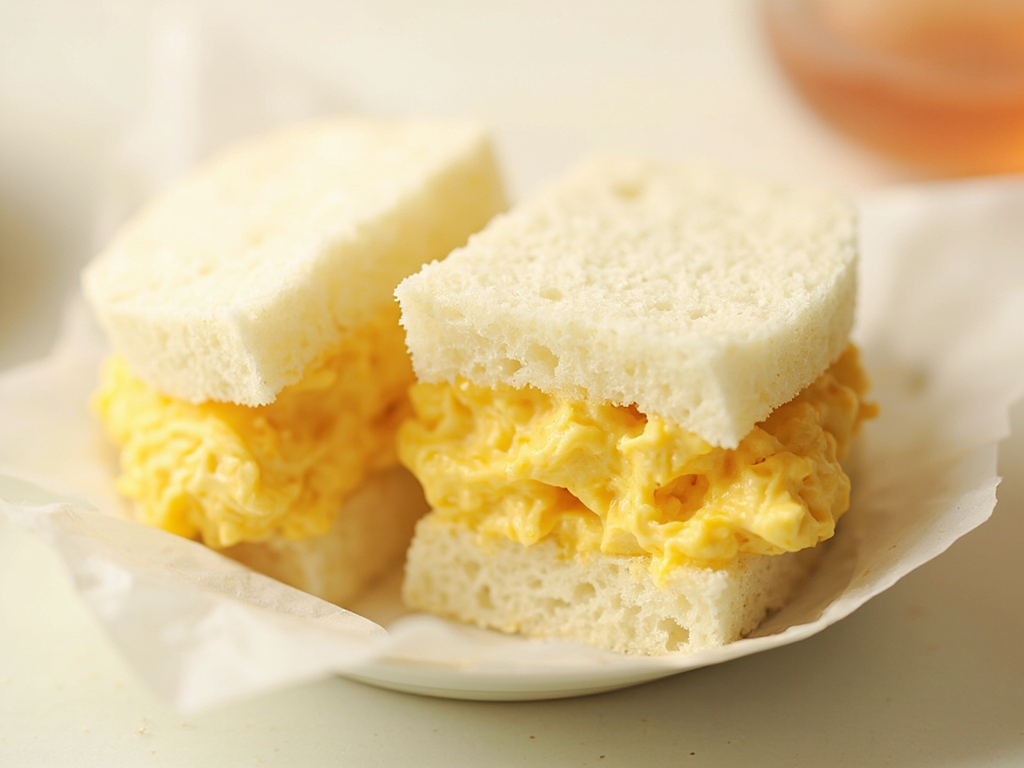
Tamago sando, the egg sandwich from the konbini
Yōshoku to go — sandwich (sando), urban snack
🧂 🍄· 20 min
View the recipe
 Festive
Sunday teishoku — grilled mackerel, rice, and miso soup
Ichijū-sansai — full meal (teishoku) for evening
🍄 🧂 🫙· 45 min
View the recipe