 flip
flipBlack filter coffee from the kissaten
Black filter coffee from the kissaten
Why this dish? Before becoming a novelist, Murakami ran a jazz club in Tokyo for years, the "Peter Cat," where coffee and music were served. Coffee appears constantly in his novels, like punctuation for the days. It is the writer's drink, who gets up very early to write, a discipline he describes in his book on running.
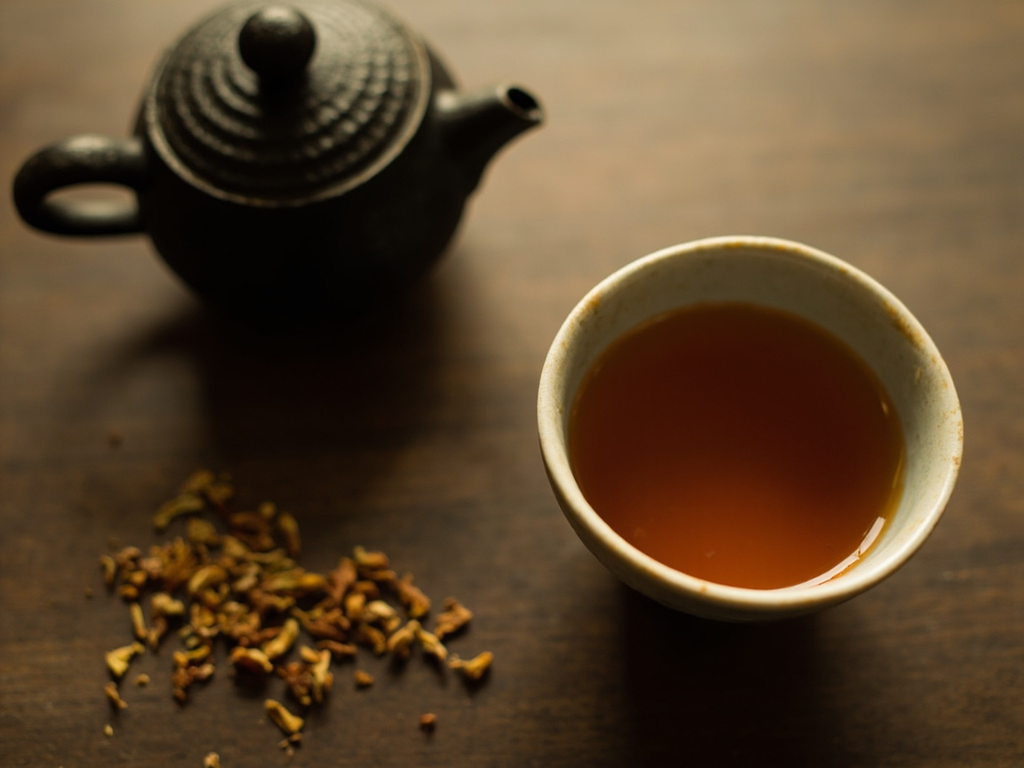
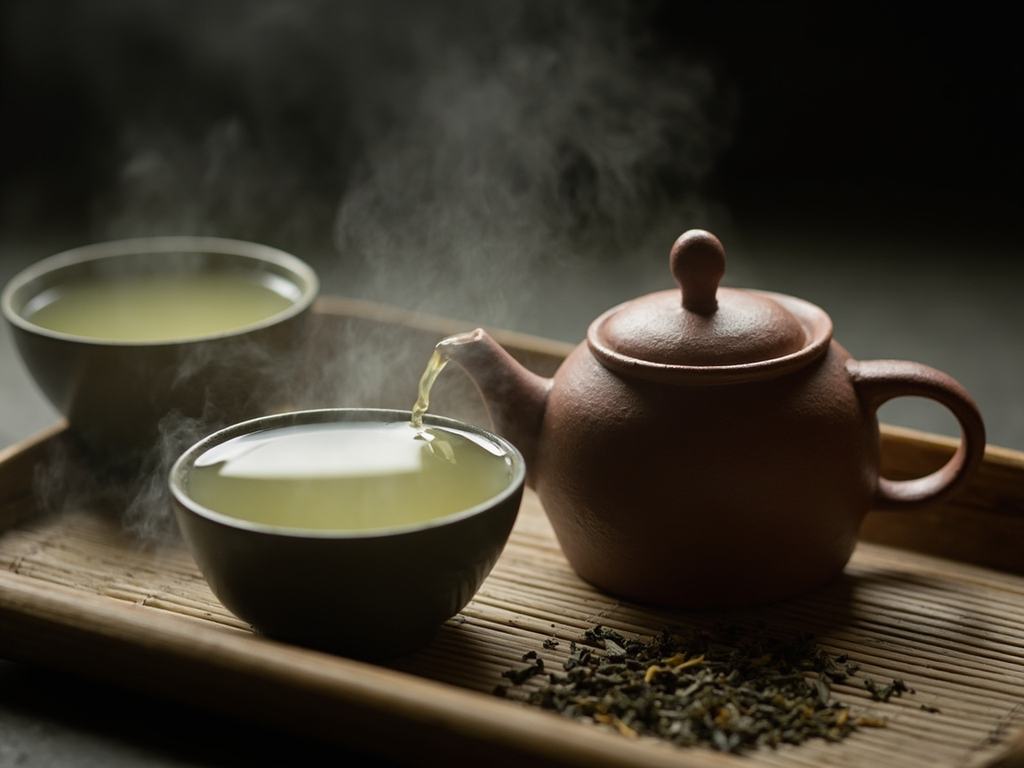
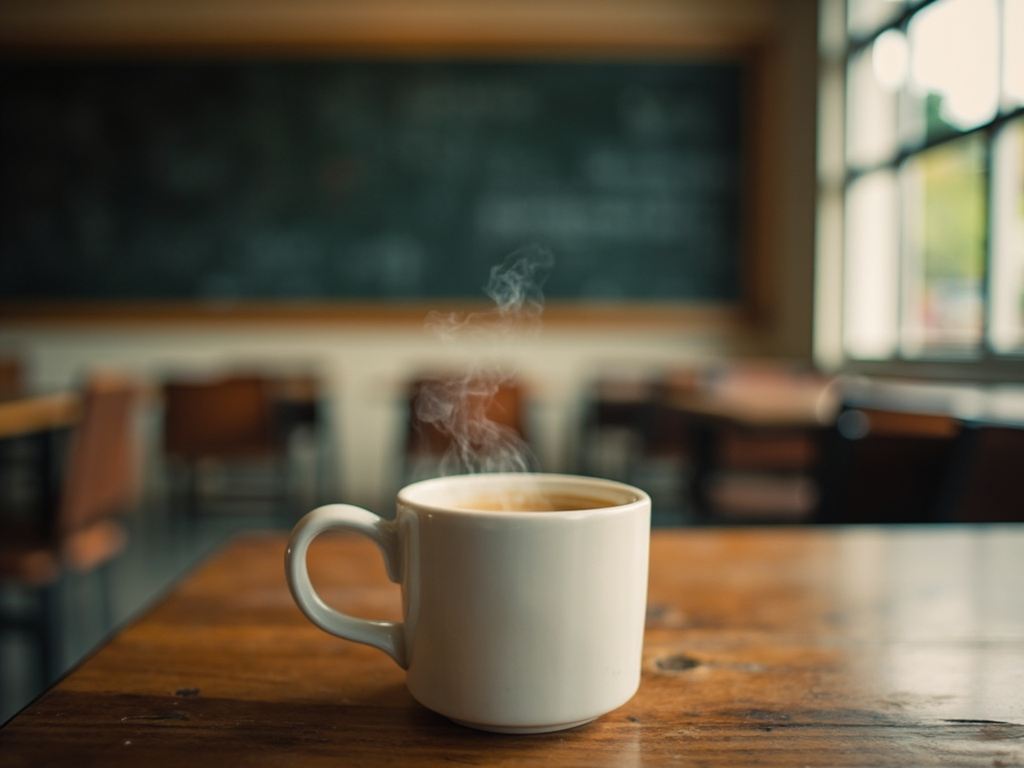
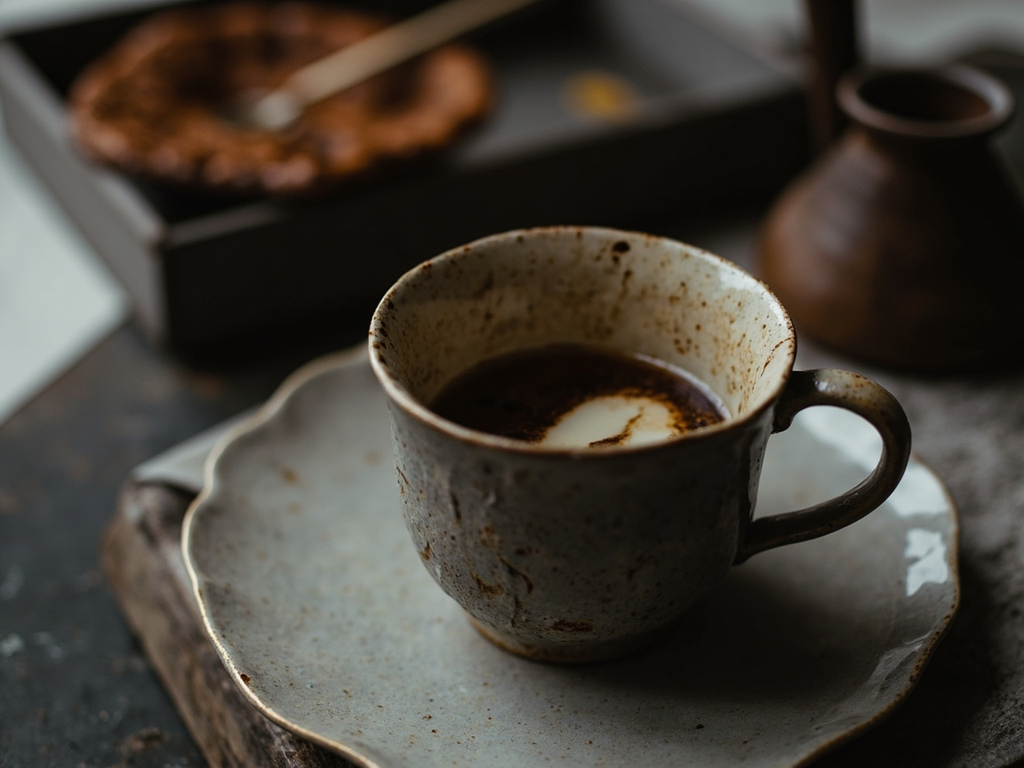
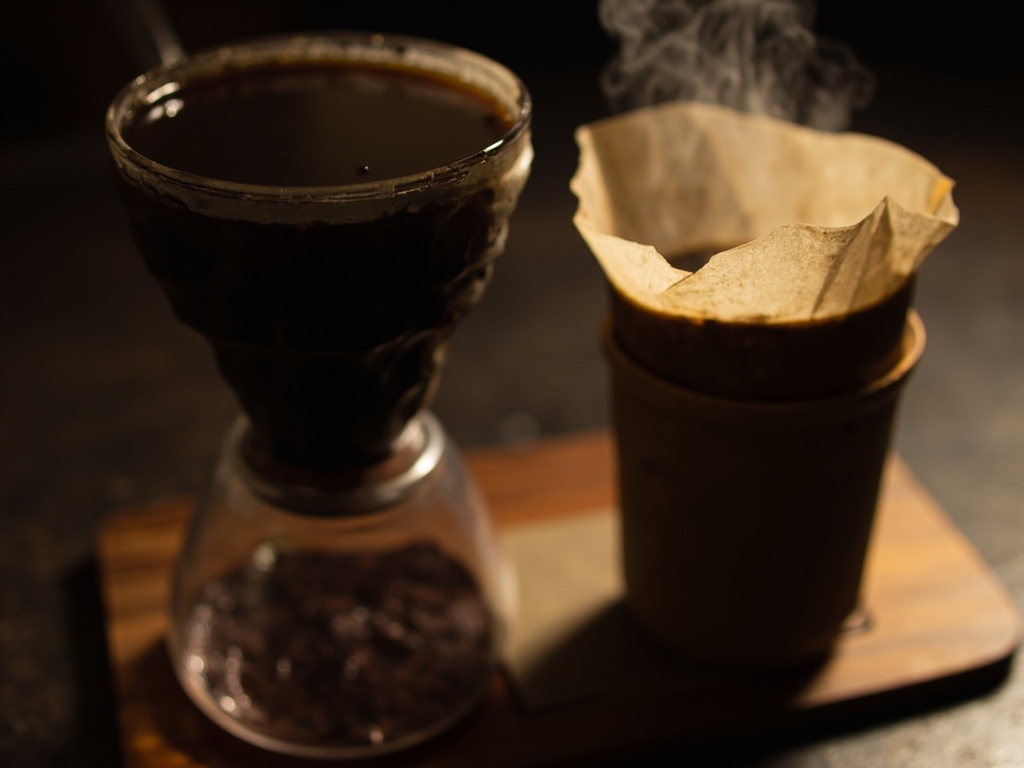
A hand-poured filter coffee, slowly, in the manner of kissaten — those hushed Japanese coffee shops where the master pours water in a spiral over the grounds. Black, straightforward, a little bitter, made to accompany work and silence.
When I ran the club, I learned that good coffee can't be rushed: you pour hot water in small circles, gently, and watch the bloom swell. Today I get up before dawn, write for four or five hours, and it all starts with that cup, black, nothing in it. It's less a habit than a discipline, like running: the body knows that after coffee comes work. You don't need to make a big deal of it — just do it well, every day.
- •Coffee beans — according to the cup (base)
- •Simmering water — as needed (extraction)
Black filter coffee from the kissaten
A hand-poured filter coffee, slowly, in the manner of kissaten — those hushed Japanese coffee shops where the master pours water in a spiral over the grounds. Black, straightforward, a little bitter, made to accompany work and silence.
Why this dish? Before becoming a novelist, Murakami ran a jazz club in Tokyo for years, the "Peter Cat," where coffee and music were served. Coffee appears constantly in his novels, like punctuation for the days. It is the writer's drink, who gets up very early to write, a discipline he describes in his book on running.
When I ran the club, I learned that good coffee can't be rushed: you pour hot water in small circles, gently, and watch the bloom swell. Today I get up before dawn, write for four or five hours, and it all starts with that cup, black, nothing in it. It's less a habit than a discipline, like running: the body knows that after coffee comes work. You don't need to make a big deal of it — just do it well, every day.
Ingredients (period version)
- Coffee beans — according to the cup (base)
- Simmering water — as needed (extraction)
Ingredients
- Quality coffee beans — 15 g per cup (base)
- Filtered water at about 92 °C — 230 ml (extraction)
- Paper filter + dripper — 1 (equipment)
Method
- Grind the coffee just before, medium-coarse grind.
- Heat the water and let it cool to around 92 °C (just after boiling).
- Rinse the paper filter with hot water, discard that water, add the grounds and level them.
- First, pour a little water to moisten and let it bloom for 30 seconds.
- Then pour the rest in slow spirals from center to edges, in 2-3 pours. Serve immediately, black.
How it was made : Coffee took root in Japan in the 20th century through kissaten, coffee shops often associated with jazz and records, places for reading and meeting. The manual pour-over, which became a Japanese signature, was refined there into almost an art of slowness.
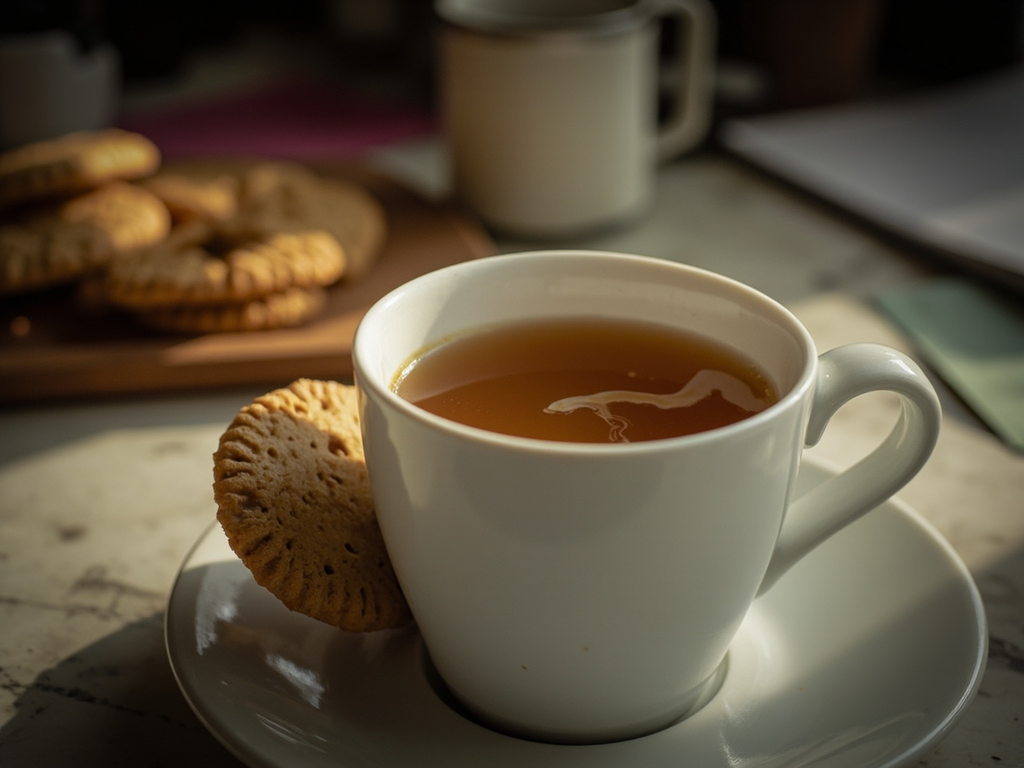
The contemporary twist : Serve it in a thick cup placed near the record player, and name the playlist like a chapter — "Coffee at 5 a.m., before words."
Sources : Haruki Murakami, What I Talk About When I Talk About Running (2007) · Biographies of Murakami — management of the jazz club "Peter Cat" in Tokyo, 1970s-1981
Haruki Murakami · Charactorium