 Flip the card
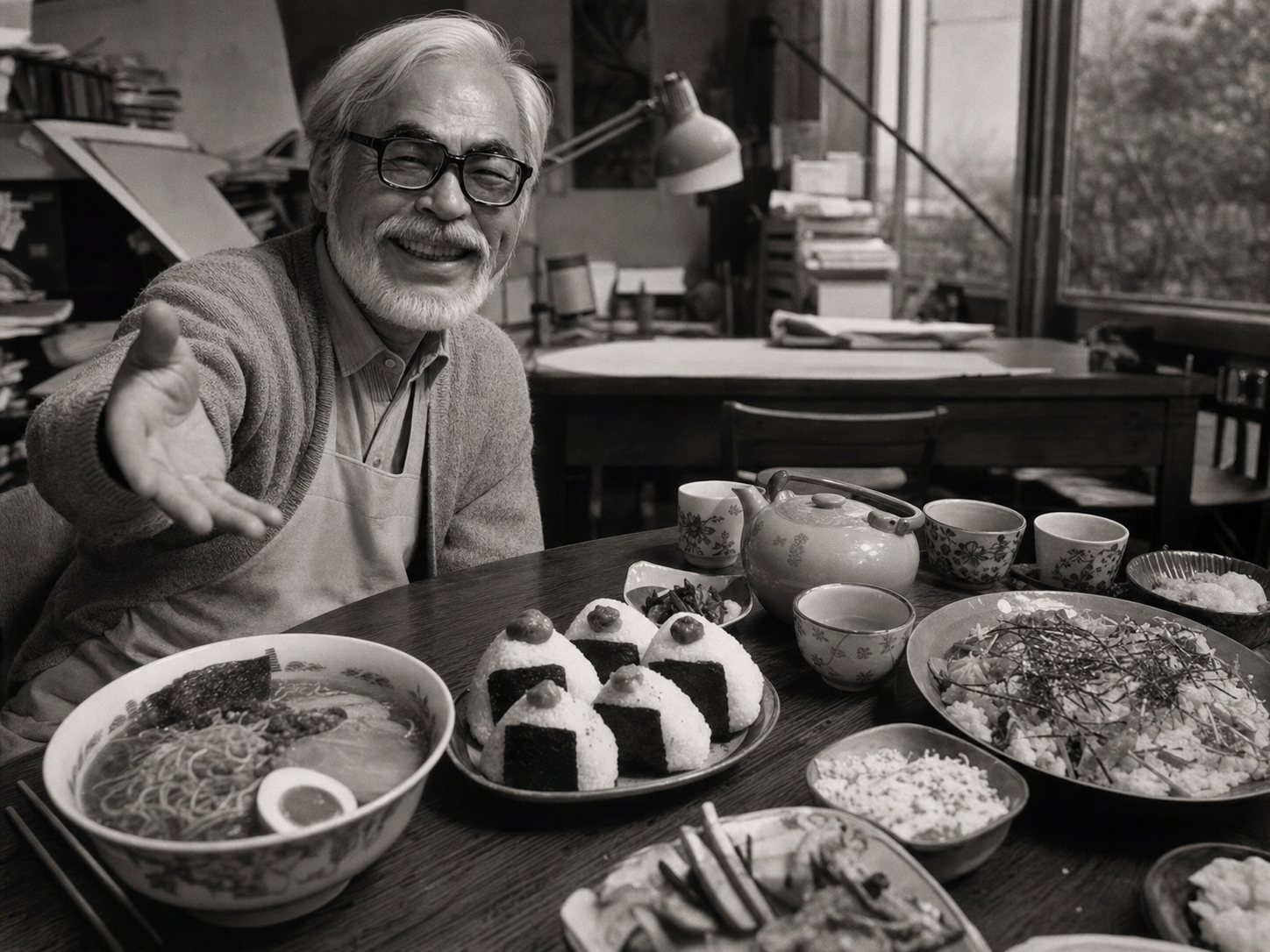
Hayao Miyazaki at the table
1941 — ?
On the menu
Daily Japanese meal (washoku) — from the single bowl to the studio shared table
Japanese cuisine is not divided into starter/main/dessert. At its heart is rice (gohan) surrounded by a soup and several small side dishes: that is *ichijū-sansai*, "one soup, three dishes." Alongside that, there are *men* (noodles) in a single bowl, vinegared *sushi* for festive days, and *kashi* (sweets) and teas for snacks. At Miyazaki's studio, this grammar is joined by a custom of his own: the studio table, where people eat quickly, standing or leaning over drawings, a steaming bowl slipped between two storyboards. The food is humble, hot, shared — exactly as in his films, where a simple egg on noodles becomes a moment of happiness.
Signature : Dashi (kombu + katsuobushi)
Clear broth made from kombu seaweed and dried, smoked bonito flakes. It is the umami backbone of almost all *washoku* — invisible but everywhere, like the work of an animation studio. Miyazaki loves this idea of a patient foundation, handmade, that supports everything else without ever showing itself.
click to flip back
Hayao Miyazaki at the table
1941 — ?
5 period recipes
 Everyday
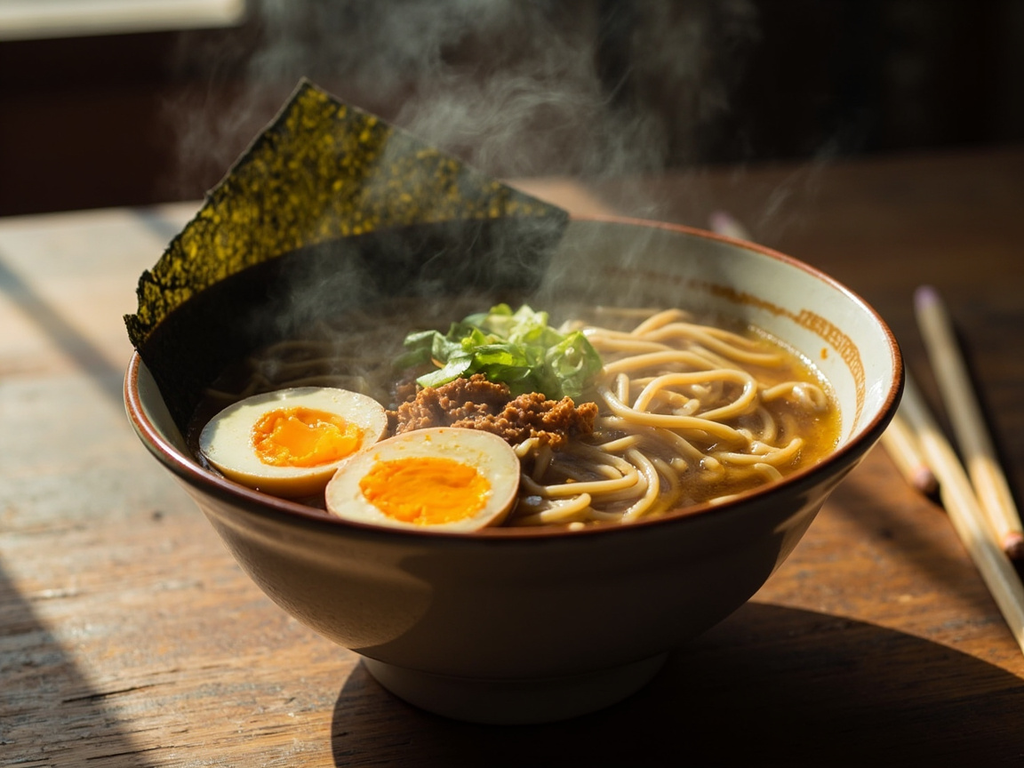
Studio ramen (tamago-ramen)
Men — single bowl of noodles, eaten on the go
🍄 🧂· 30 min
View the recipe
 Travel
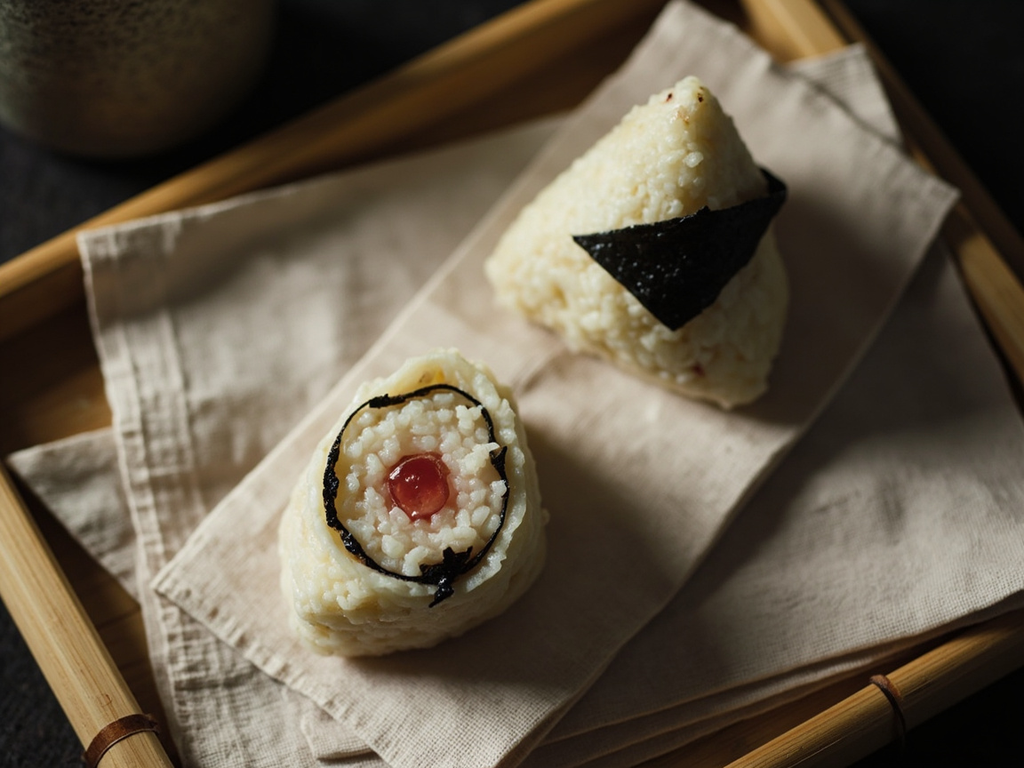
Farewell onigiri (rice balls with pickled plum)
Keishoku — portable rice snack, food for walking and travel
🧂 🍋· 45 min
View the recipe
 Drink
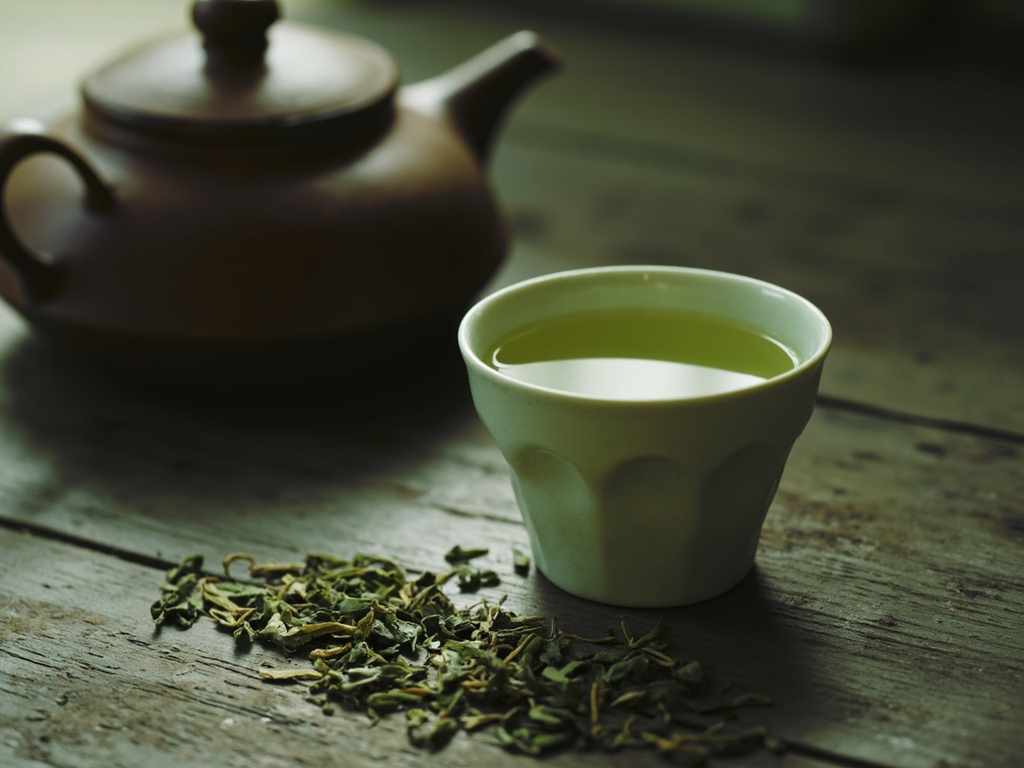
DrinkStudio green tea (sencha)
Ocha — daily brewed tea and work break
☕· 10 min
View the recipe
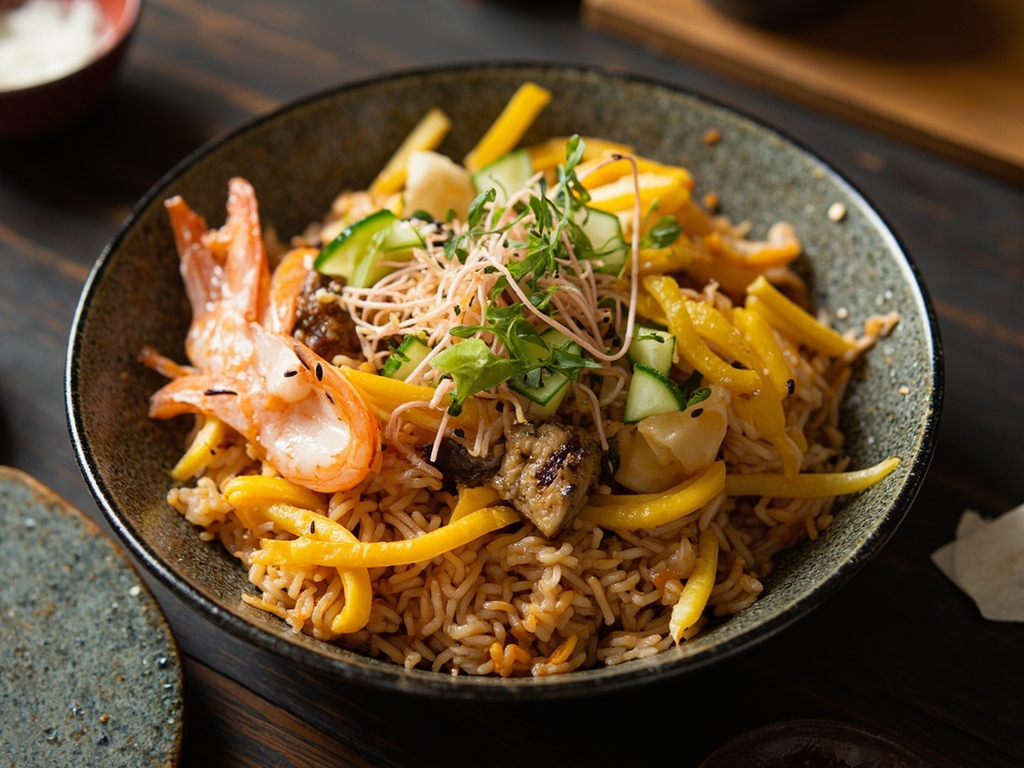 Festive
Festive chirashizushi
Celebration sushi — scattered vinegared rice, festive shared dish
🍋 🍯 🍄· 1 h
View the recipe
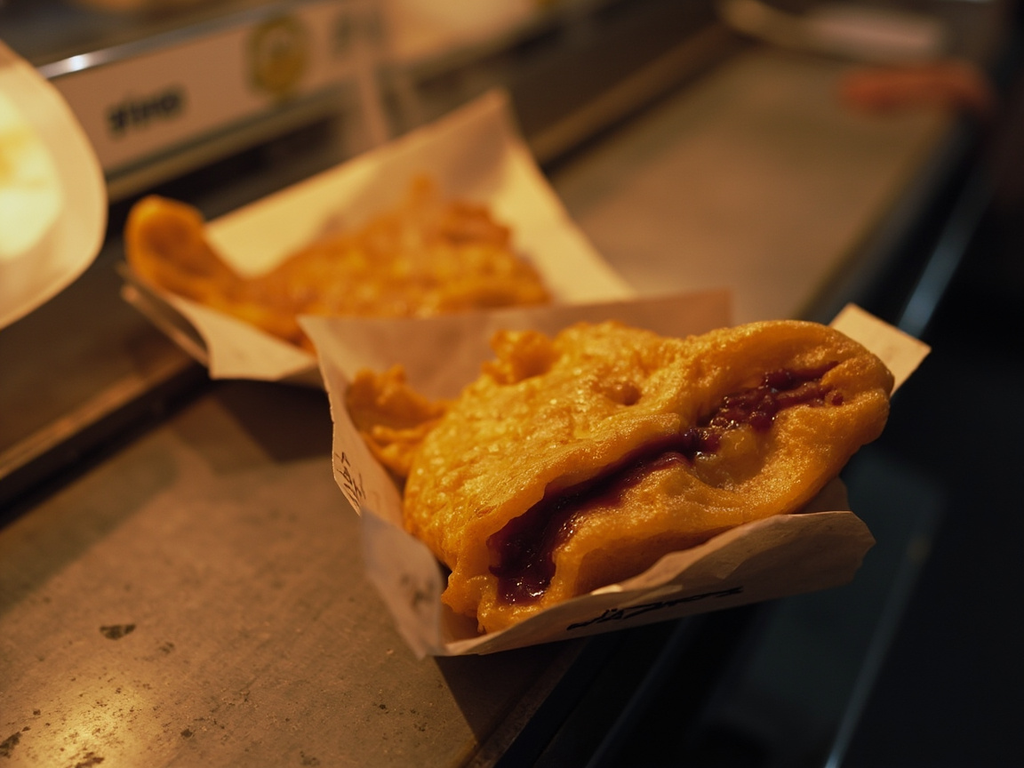 Street food
Taiyaki, the fish of the street
Street kashi — hot cake sold at the stall, walking sweet
🍯· 40 min
View the recipe