 Flip the card
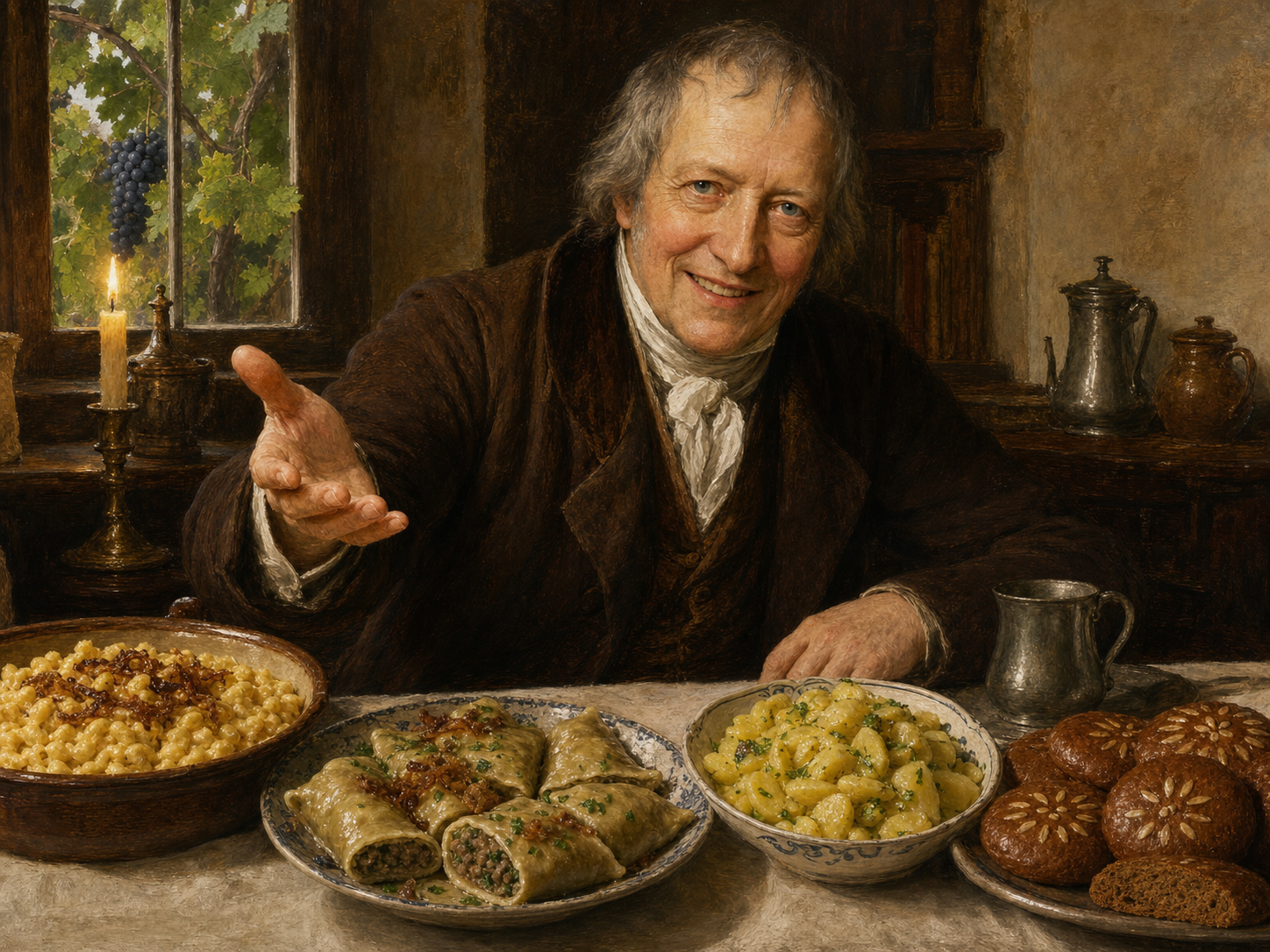
Hegel at the table
1770 — 1831
On the menu
The Swabian bourgeois table and the German Vormärz meal
In a Swabian bourgeois household of the early 19th century, the day revolves around the Mittagessen (hot midday meal, the largest), flanked by a light Frühstück and an evening Vesper (bread, cold cuts, cheese). Sundays and holidays call for a richer stewed or stuffed dish, washed down with Franconian beer or Rhine wine. No French-style starter/main/dessert: one serves a starchy base dish (Spätzle, Knödel) with its garnish, tart salads on the side, and sweets (spiced pastries) belong to festive occasions and preserved provisions, not a codified meal ending.
Signature : Spätzle scraped from the board (vom Brett geschabt)
The soft egg-and-flour dough, scraped into strands directly into boiling water from a wet board: an emblematic gesture from Hegel's native Württemberg, a marker of Swabian identity found on every table, from the humblest to the most bourgeois.
click to flip back
Hegel at the table
1770 — 1831
5 period recipes
 Everyday
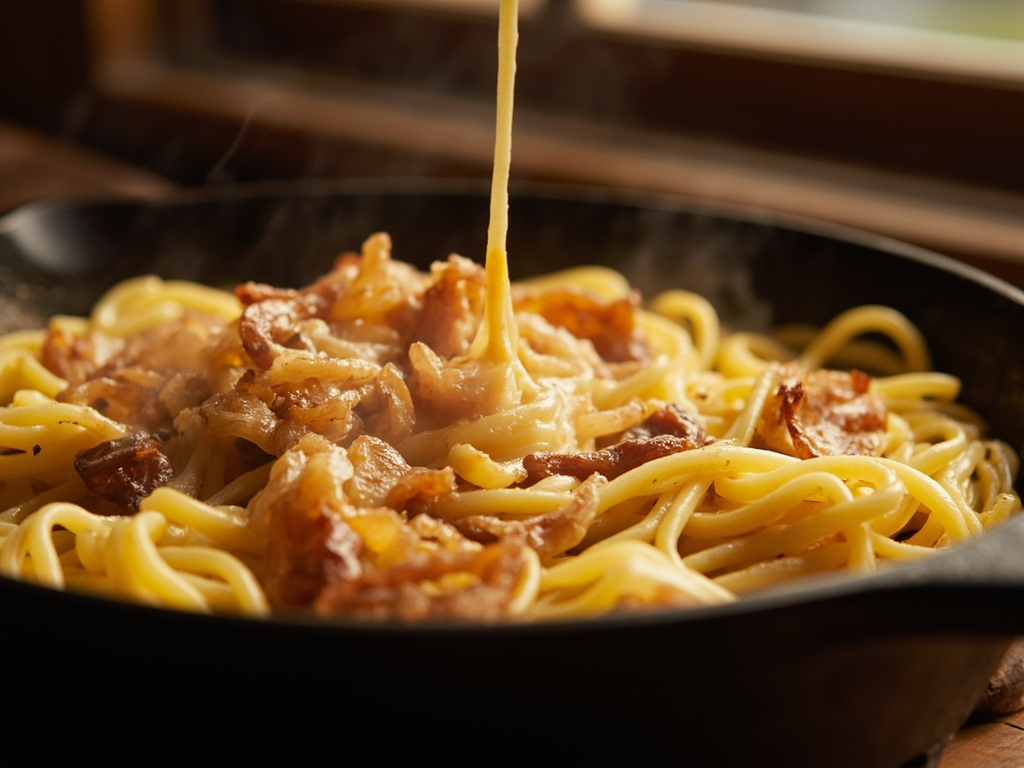
Kässpätzle — Spätzle with cheese from Württemberg
Starchy base dish of the Mittagessen (hot midday meal)
🧂 🍄· 45 min
View the recipe
 Festive
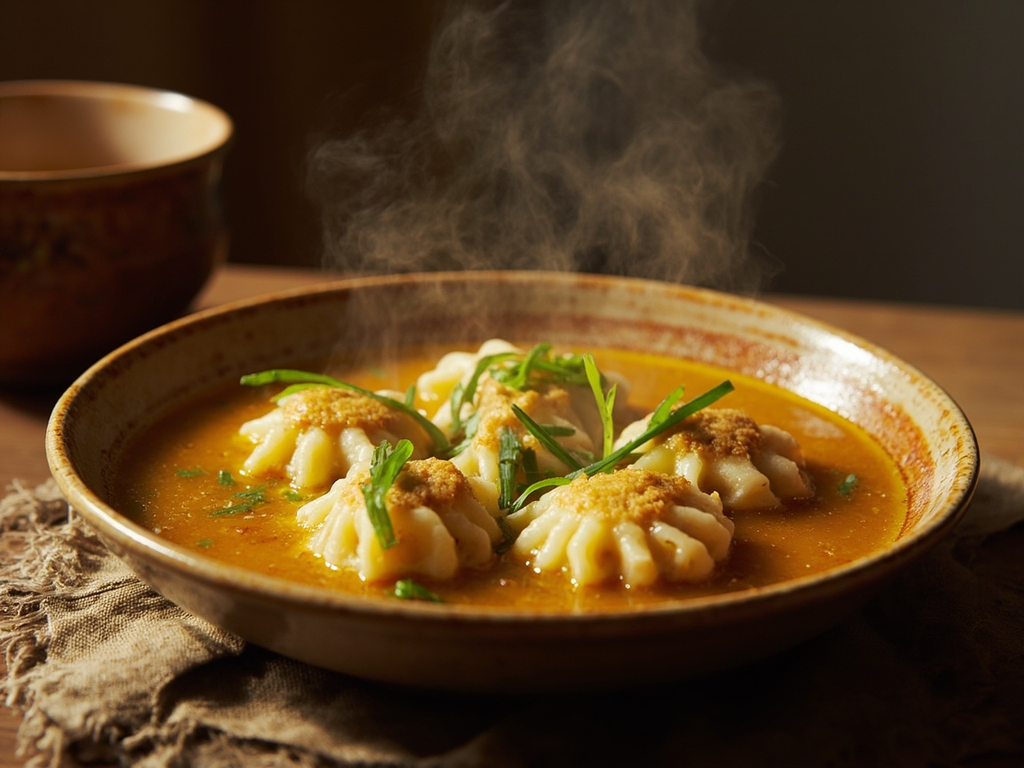
Maultaschen — Swabian stuffed ravioli
Festive and Sunday dish of Württemberg
🧂 🍄· 1 h 30
View the recipe
 Travel
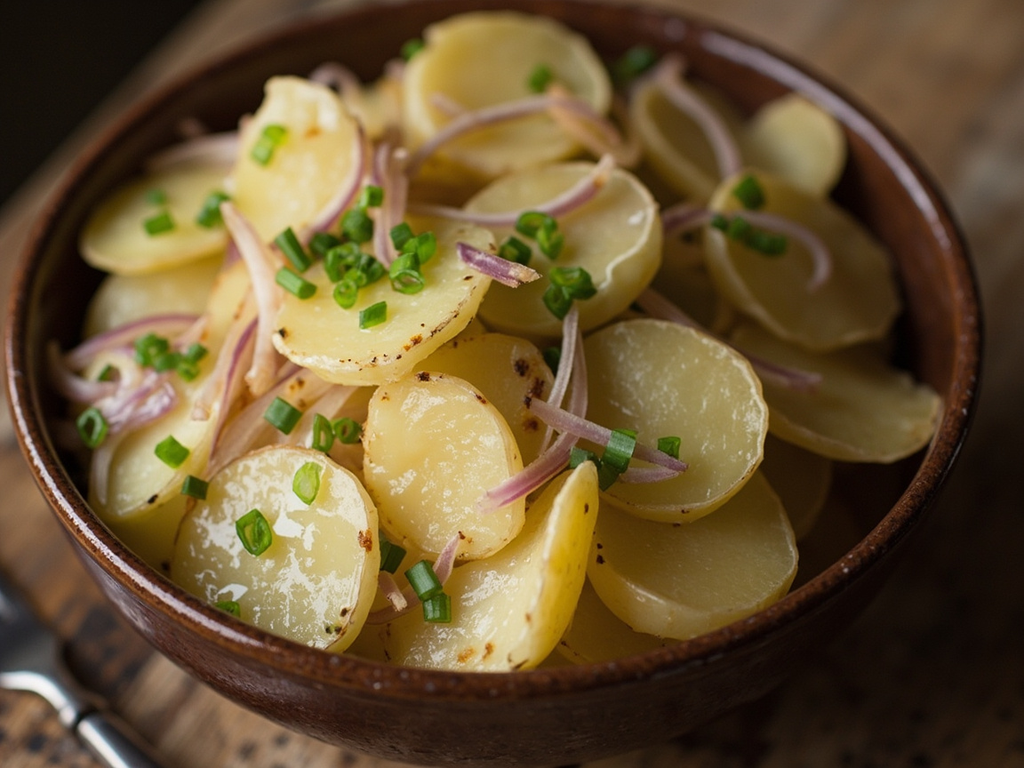
Schwäbischer Kartoffelsalat — Swabian potato salad with broth
Tangy side salad, transportable
🍋 🧂· 40 min
View the recipe
 Preserving
Nürnberger Lebkuchen — Nuremberg gingerbread
Spiced festive pastry for long storage
🍯 🌶️· 1 h (+ rest overnight)
View the recipe
 Drink
DrinkGlühwein — spiced mulled wine from the Rhine
Comforting hot drink for winter evenings
🌶️ 🍋· 25 min
View the recipe