 flip
flipNürnberger Lebkuchen — Nuremberg gingerbread
Nürnberger Lebkuchen — Nuremberg gingerbread
Why this dish? Rector of the Gymnasium of Nuremberg from 1808 to 1816, Hegel lived for eight years in the historic capital of Lebkuchen. These preserved gingerbreads, rich in nuts and honey, were the pride of the Franconian city where he taught.
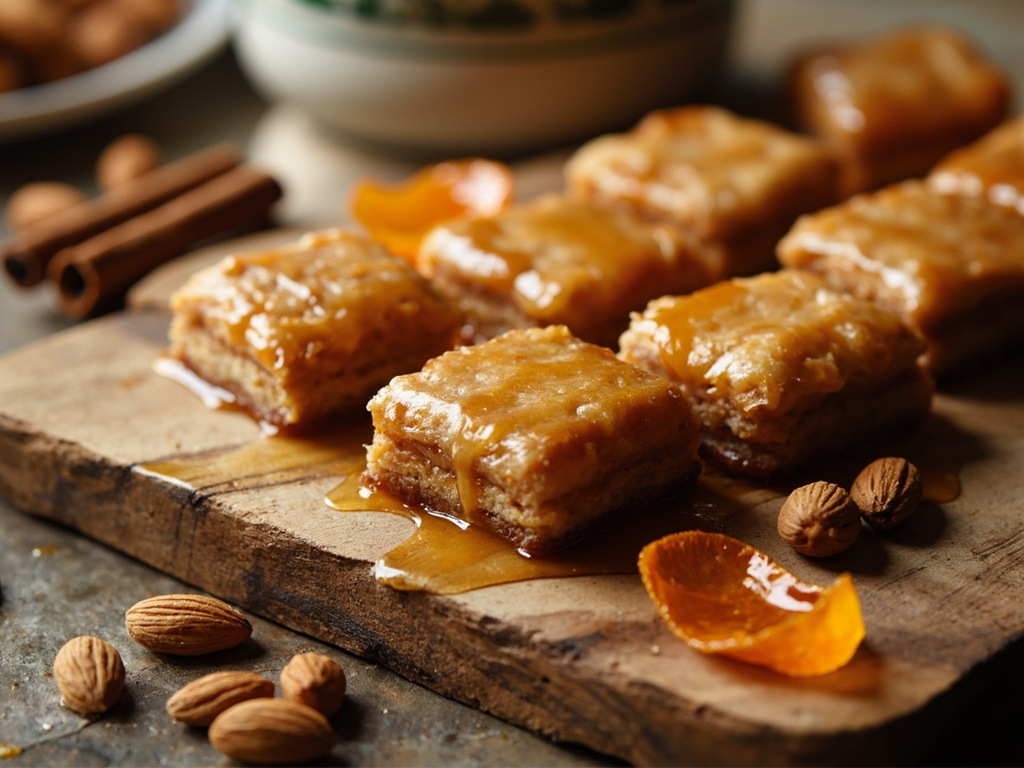
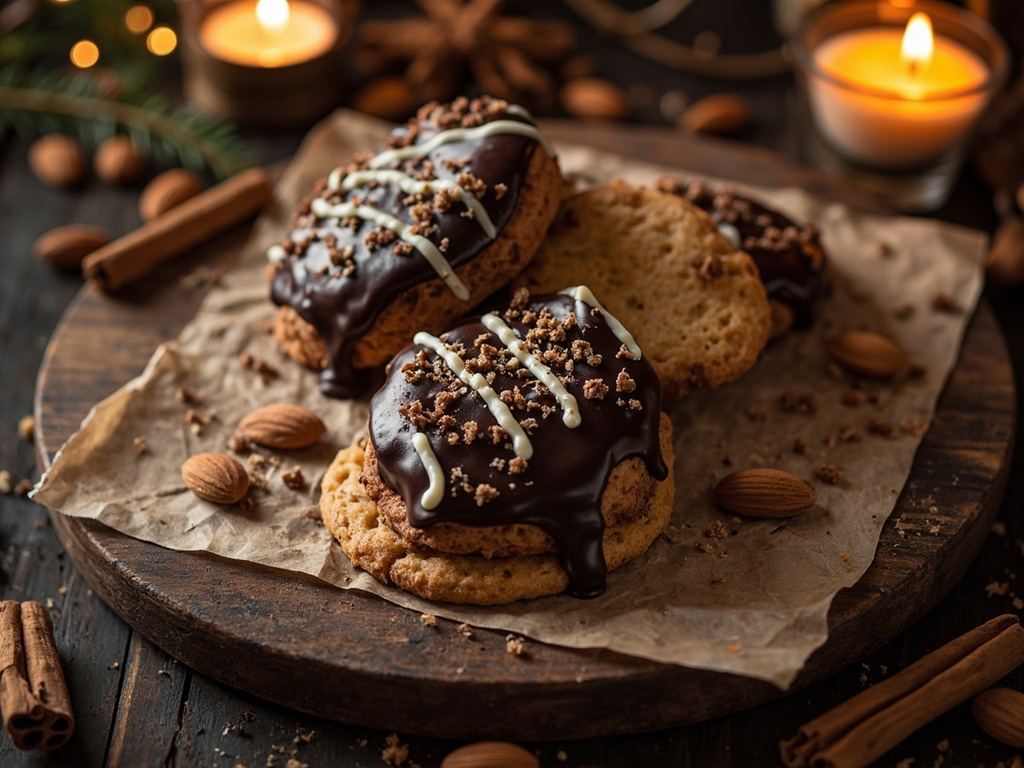
Soft honey cakes with almonds and walnuts, perfumed with a bouquet of spices and set on a wafer. They keep for weeks and scent the Advent season; slightly candied, almost caramelized under the glaze.
During my Nuremberg years, when I directed the Gymnasium, I saw how much this city treasured its Lebkuchen as a state treasure. One beats honey, ground almonds, and a whole concert of spices — cinnamon, clove, nutmeg — all set on a thin wafer. The secret, I was told, is to let the dough rest for days so that the aromas unite. Thus kept, these cakes last through winter without losing anything; I gladly offered them to my correspondents.
- •Honey — a good measure (sweetness and preservation)
- •Ground almonds and hazelnuts — abundantly (soft body)
- •Flour — a little (binder)
- •Spices (cinnamon, clove, nutmeg, cardamom, anise) — generously (aroma)
- •Candied orange and lemon peel — chopped (candied fruitiness)
- •Eggs — a few (binder)
- •Wafers (oblates) — as needed (baking support)
Nürnberger Lebkuchen — Nuremberg gingerbread
Soft honey cakes with almonds and walnuts, perfumed with a bouquet of spices and set on a wafer. They keep for weeks and scent the Advent season; slightly candied, almost caramelized under the glaze.
Why this dish? Rector of the Gymnasium of Nuremberg from 1808 to 1816, Hegel lived for eight years in the historic capital of Lebkuchen. These preserved gingerbreads, rich in nuts and honey, were the pride of the Franconian city where he taught.
During my Nuremberg years, when I directed the Gymnasium, I saw how much this city treasured its Lebkuchen as a state treasure. One beats honey, ground almonds, and a whole concert of spices — cinnamon, clove, nutmeg — all set on a thin wafer. The secret, I was told, is to let the dough rest for days so that the aromas unite. Thus kept, these cakes last through winter without losing anything; I gladly offered them to my correspondents.
Ingredients (period version)
- Honey — a good measure (sweetness and preservation)
- Ground almonds and hazelnuts — abundantly (soft body)
- Flour — a little (binder)
- Spices (cinnamon, clove, nutmeg, cardamom, anise) — generously (aroma)
- Candied orange and lemon peel — chopped (candied fruitiness)
- Eggs — a few (binder)
- Wafers (oblates) — as needed (baking support)
Ingredients
- Honey — 200 g (sweetness and preservation)
- Ground almonds + ground hazelnuts — 250 g (soft body)
- Flour — 80 g (binder)
- Gingerbread spice mix (cinnamon, clove, nutmeg, cardamom, anise) — 2 tsp (aroma)
- Candied orange and lemon peel — 60 g chopped (candied fruitiness)
- Eggs — 2 (binder)
- Sugar — 100 g (sweetness)
- Wafers (oblates) 7 cm — 12 to 15 (support)
Method
- Beat the eggs with sugar and warmed honey until frothy.
- Fold in almonds, hazelnuts, flour, spices, and candied peel to form a thick dough.
- Ideally, let the dough rest overnight in a cool place to develop the aromas.
- Place domes of dough on the wafers, smooth with a wet spoon.
- Bake at medium heat (160°C) for 15–18 minutes; they should remain soft.
- Glaze with sugar or coat with dark chocolate, then let dry. Store in an airtight container.
How it was made : Nuremberg, a crossroads of spice routes and surrounded by honey forests, became the capital of Lebkuchen as early as the Middle Ages. Guilds strictly regulated its quality; the wafer served as an edible support to prevent the sticky dough from sticking.
The contemporary twist : Dark chocolate coating and a pinch of sea salt — to reconcile Prussian rigor with Franconian indulgence.
Hegel · Charactorium