 flip
flipGlühwein — spiced mulled wine from the Rhine
Glühwein — spiced mulled wine from the Rhine
Why this dish? Among Hegel's typical objects is a bottle of Rhine wine: he enjoyed good dinners and wine in company. Heated and spiced, this Rhine wine becomes the drink of long Berlin winter evenings, conducive to the conversations he cherished.
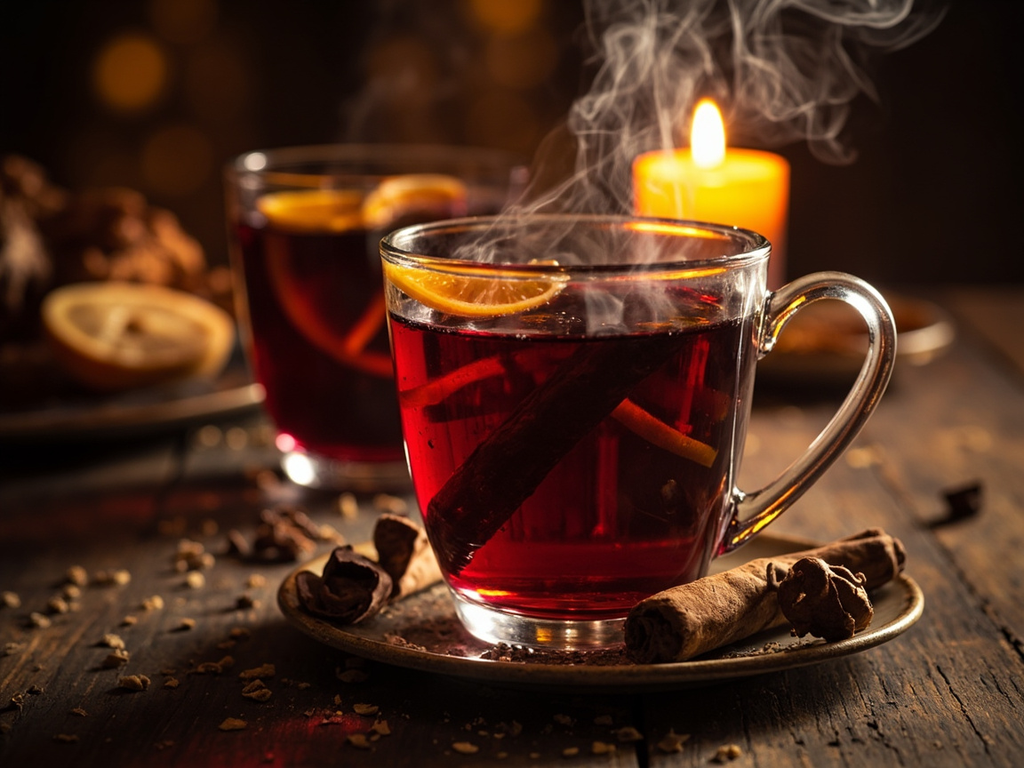
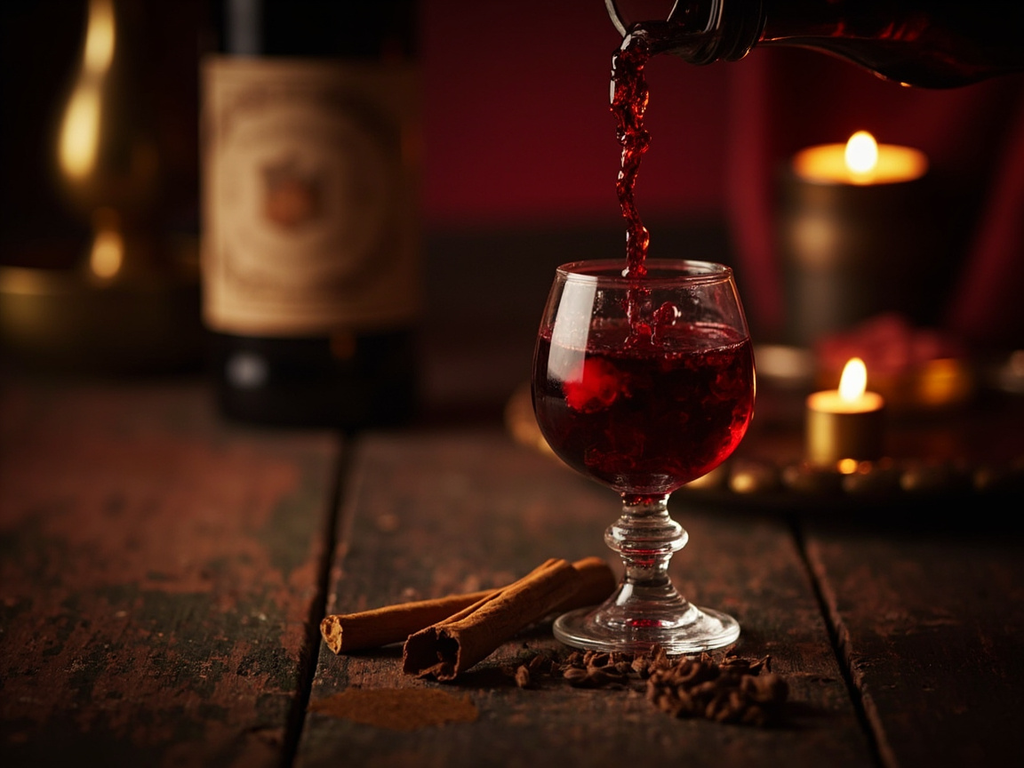
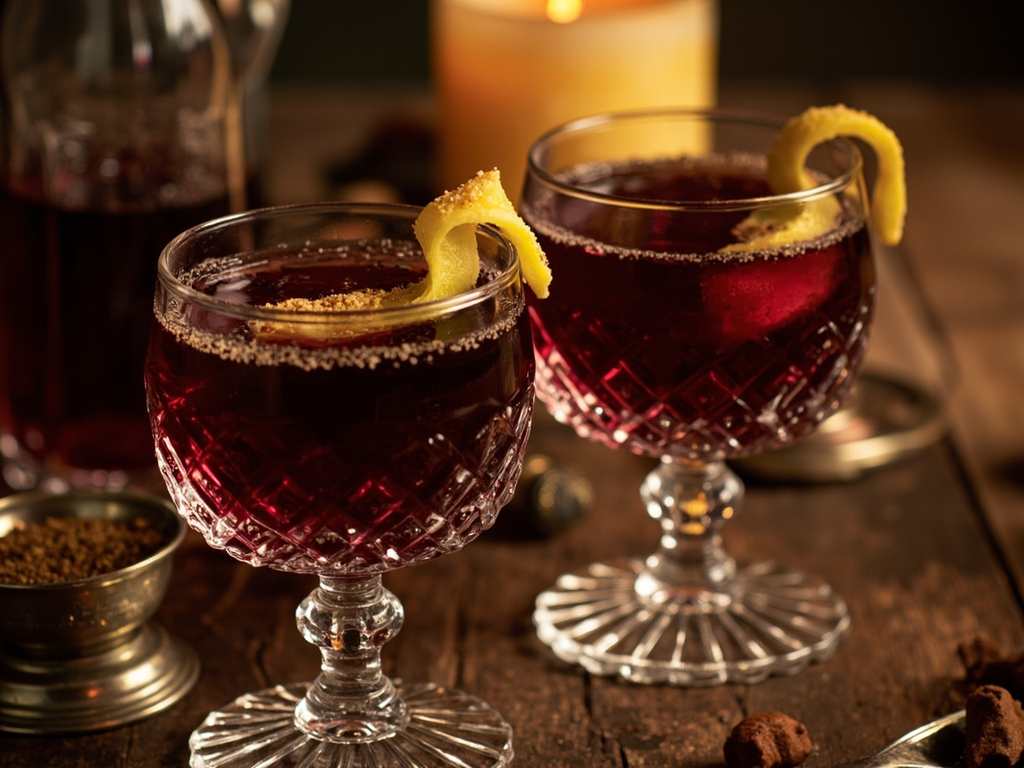
Rhine wine warmed with cinnamon, cloves, citrus peels, and a hint of honey. Fragrant, tangy, briskly spiced: the drink that loosens speech when the Prussian cold grips the windows.
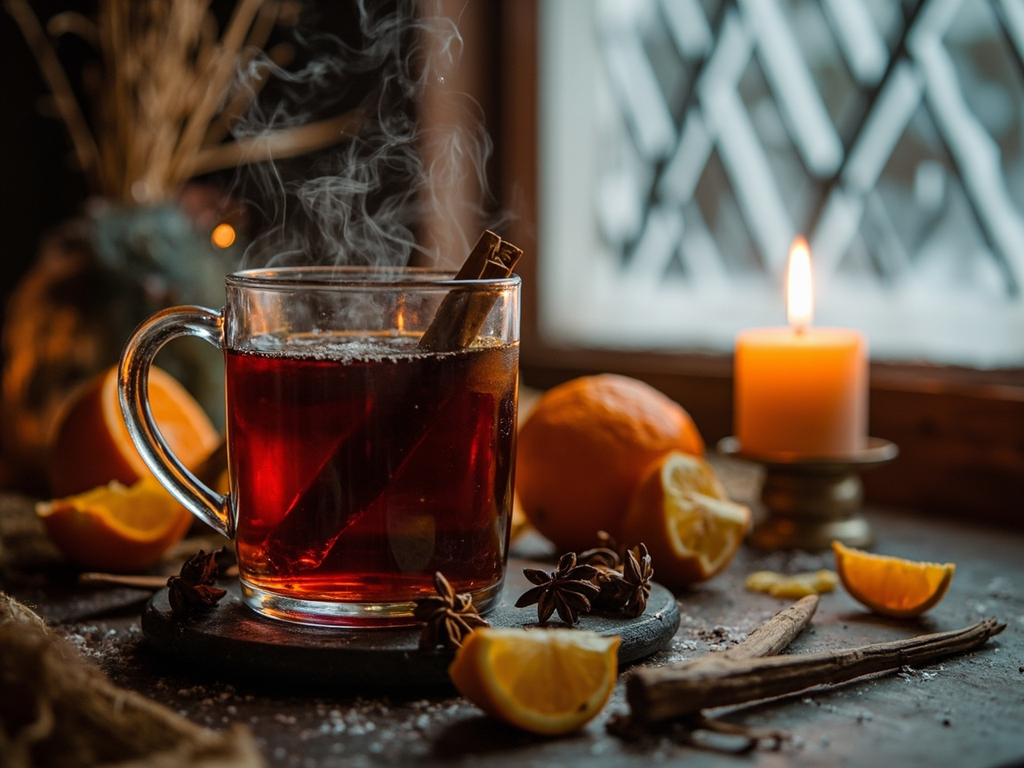
When the Berlin winter freezes the windows, nothing warms the mind better than a good Rhine wine gently heated — never boiled, for excessive heat drives away its soul. One tosses in cinnamon, clove, orange peel, and a little honey. Served steaming, it loosens tongues and prolongs those dinners in company which I hold to be one of the true pleasures of thought. Drink it slowly, and let us converse.
- •Rhine wine (white or light red) — a good bottle (base)
- •Honey — to taste (sweetness)
- •Cinnamon stick — one (spice)
- •Cloves — a few (spice)
- •Orange and lemon peel — a few strips (tangy aroma)
Glühwein — spiced mulled wine from the Rhine
Rhine wine warmed with cinnamon, cloves, citrus peels, and a hint of honey. Fragrant, tangy, briskly spiced: the drink that loosens speech when the Prussian cold grips the windows.
Why this dish? Among Hegel's typical objects is a bottle of Rhine wine: he enjoyed good dinners and wine in company. Heated and spiced, this Rhine wine becomes the drink of long Berlin winter evenings, conducive to the conversations he cherished.
When the Berlin winter freezes the windows, nothing warms the mind better than a good Rhine wine gently heated — never boiled, for excessive heat drives away its soul. One tosses in cinnamon, clove, orange peel, and a little honey. Served steaming, it loosens tongues and prolongs those dinners in company which I hold to be one of the true pleasures of thought. Drink it slowly, and let us converse.
Ingredients (period version)
- Rhine wine (white or light red) — a good bottle (base)
- Honey — to taste (sweetness)
- Cinnamon stick — one (spice)
- Cloves — a few (spice)
- Orange and lemon peel — a few strips (tangy aroma)
Ingredients
- Light red or white Rhine wine (Riesling) — 75 cl (base)
- Honey or sugar — 2 to 3 tbsp (sweetness)
- Cinnamon stick — 1 (spice)
- Cloves — 4 (spice)
- Organic orange and lemon — a few strips of zest + slices (tangy aroma)
- Star anise (optional) — 1 (spice)
Method
- Pour the wine into a saucepan; add honey, cinnamon, cloves, star anise, and citrus zests.
- Heat gently without ever boiling (keep below 70°C to preserve aromas and alcohol).
- Let infuse for 15–20 minutes at a very gentle simmer.
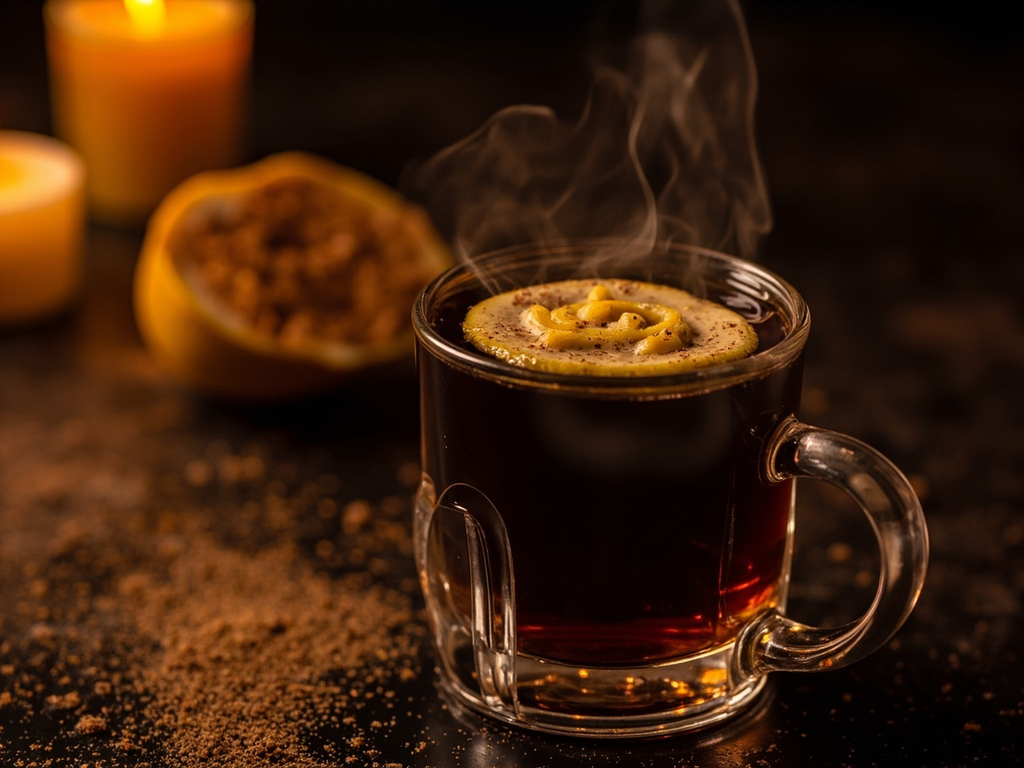
- Taste and adjust sweetness. Strain and serve very hot in heatproof glasses or mugs.
How it was made : Spiced hot wine dates back to Roman antiquity (conditum) and was common in Germanic lands from the Middle Ages to warm and mask lesser wines. In the 19th century, it accompanied winter evenings and Advent markets; the term Glühwein became established at this time.
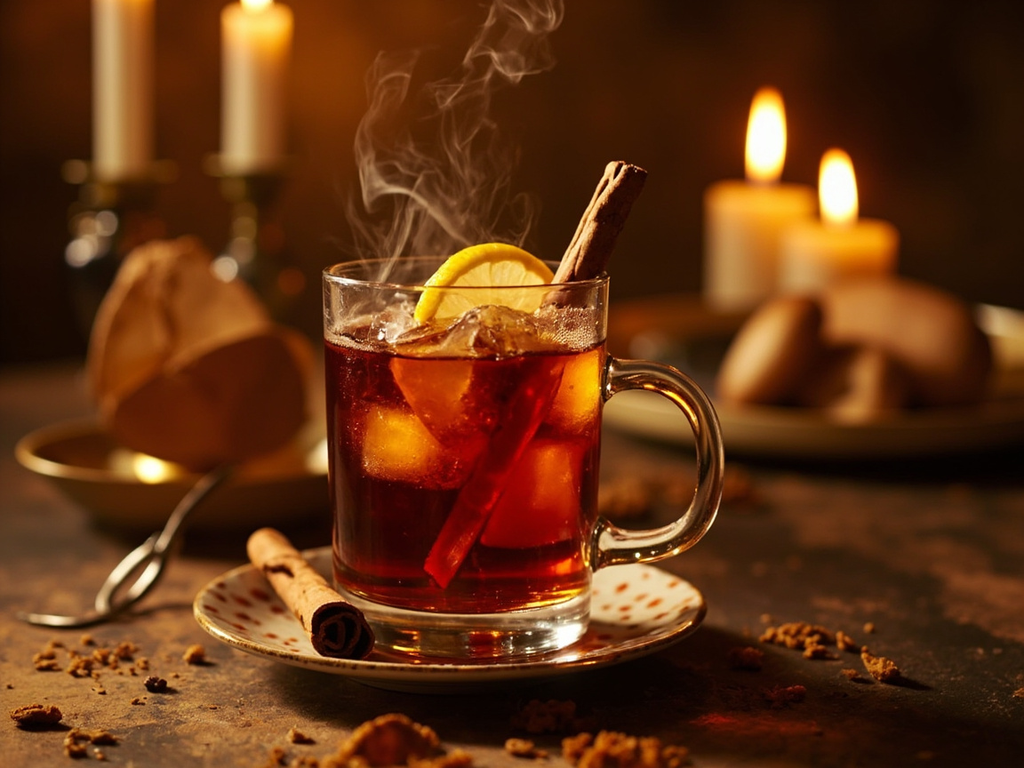
The contemporary twist : Non-alcoholic version with grape juice and hibiscus for younger ones, served in the same steaming mug — so the whole table can toast.
Hegel · Charactorium