Warm Lunch, Cold Supper and Kaffeetafel
In a bourgeois Hessian household at the beginning of the 19th century, the day was structured around three meals. At noon, Mittagessen was the only proper hot meal: a soup or a single dish of potatoes and garden vegetables. In the evening, Abendbrot (or Vesper) was cold and frugal — rye bread, quark, a bit of sausage, preserves. In the afternoon, especially on Sundays, Kaffeetafel gathered the family around a 'coffee' (often chicory) and a sheet cake: it was time for tales and visits. The pantry lived all year on garden fruits turned into jellies, syrups and purées to last through winter.
Signature : Honey and the Apothecary's Spices
The Wild family ran the 'Zur Sonne' pharmacy in Kassel: at Dortchen's home, honey, cinnamon, cloves and dried flowers (elder, linden) were not mere treats but apothecary treasures. Cane sugar remained expensive and rare; honey and syrup sweetened and healed at once, and perfumed both the Sunday cake and the cough remedy.
Henriette Dorothea Wild at the table
5 period recipes
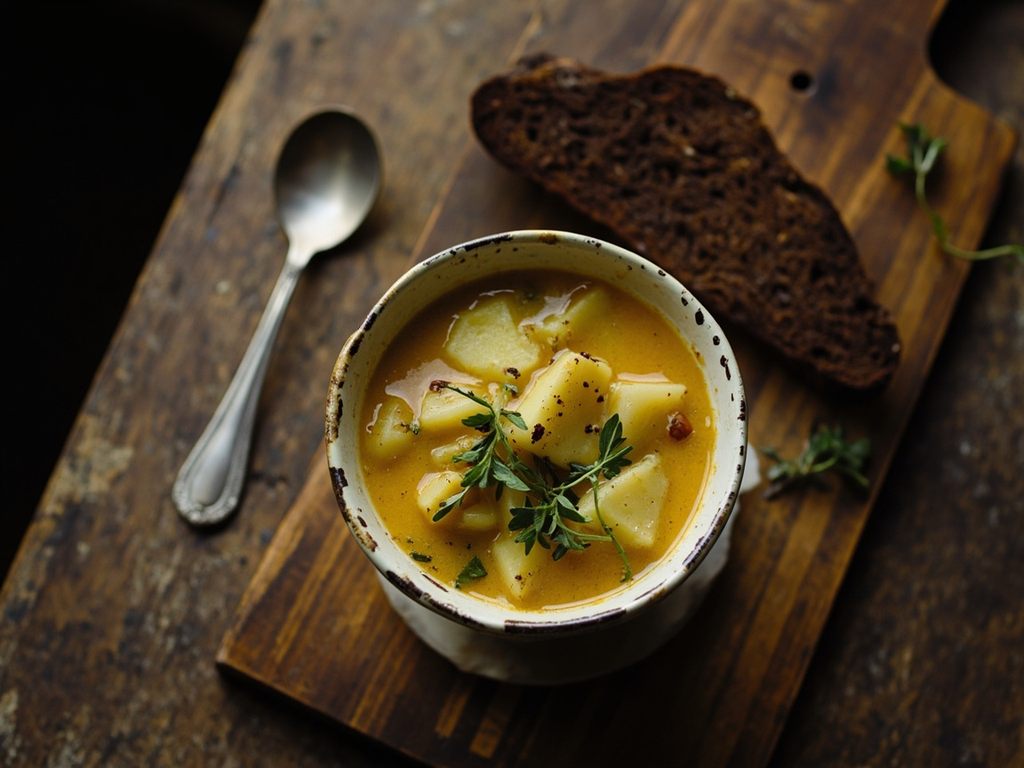 Everyday
Potato Soup with Marjoram (Kartoffelsuppe)
Mittagessen — the single hot midday dish
🧂 🍄· 45 min
View the recipe
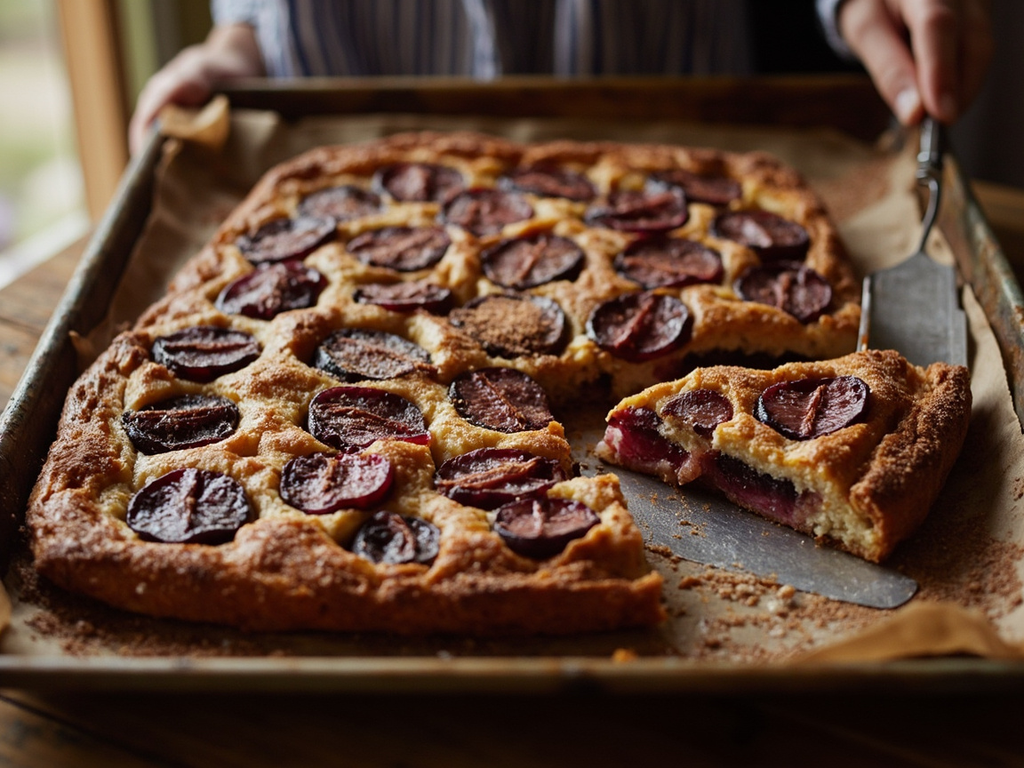 Festive
Plum Sheet Cake (Pflaumenkuchen)
Kaffeetafel — the Sunday afternoon sheet cake
🍯 🍋· 2 h (including 1 h 20 min resting)
View the recipe
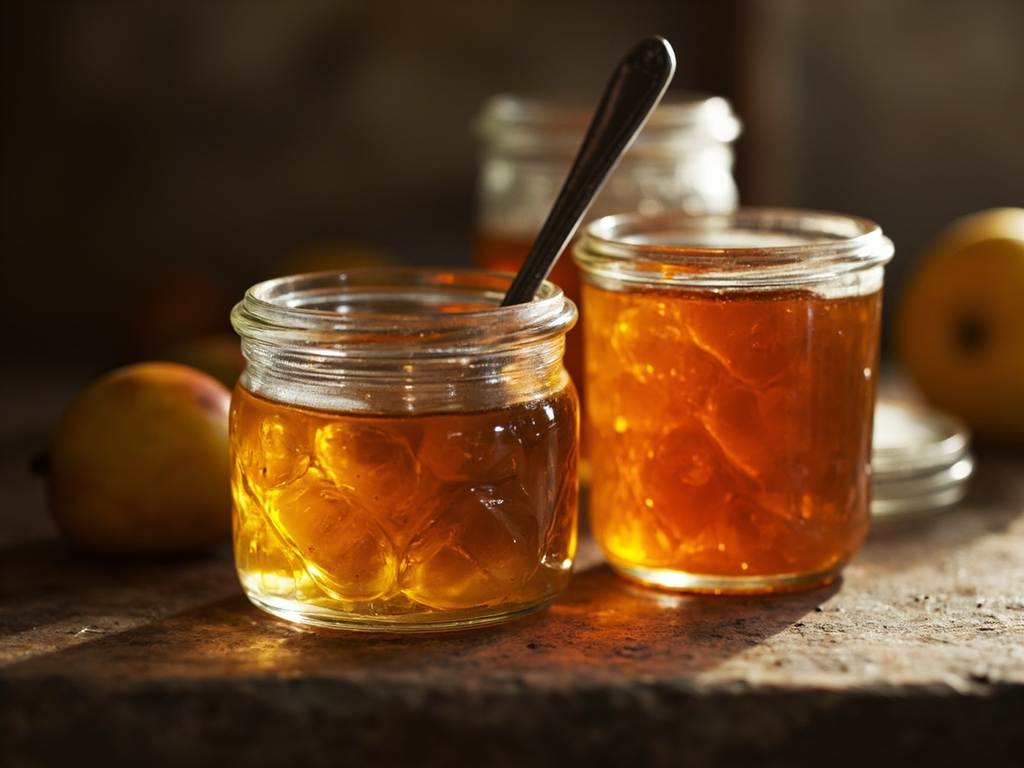 Preserving
Quince Jelly (Quittengelee)
Vorratskammer — the pantry provision for winter
🍯 🍋· 3 h (including long draining steps)
View the recipe
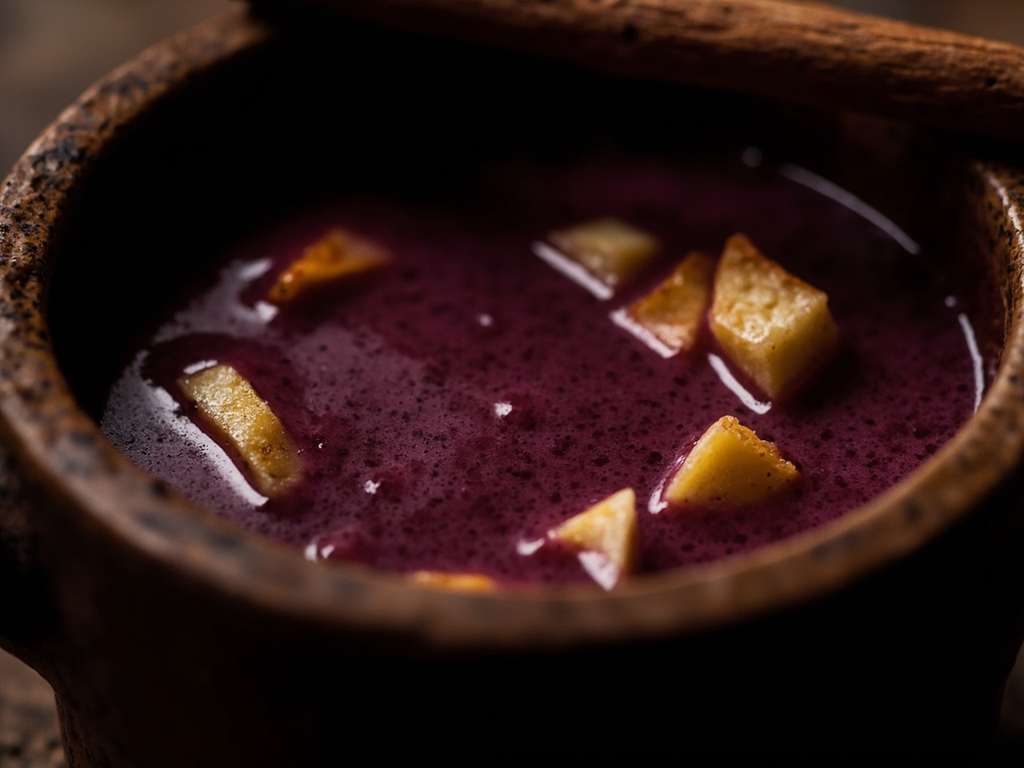 Remedy
Elderberry Soup (Fliederbeersuppe)
Hausmittel — the gentle household remedy, halfway between care and dessert
🍋 🍯· 40 min
View the recipe
 Drink
DrinkChicory Coffee with Honey (Muckefuck)
Kaffeetafel — the poor man's 'coffee', companion to tales
☕ 🍯· 15 min
View the recipe