 flip
flipElderberry Soup (Fliederbeersuppe)
Elderberry Soup (Fliederbeersuppe)
Why this dish? Daughter and niece of apothecaries at the 'Zur Sonne' pharmacy, Dortchen knew the virtues of elder, picked along the paths of Hesse. At the first chills, this hot elderberry soup warms and is said to help against colds — apothecary knowledge entering the kitchen.
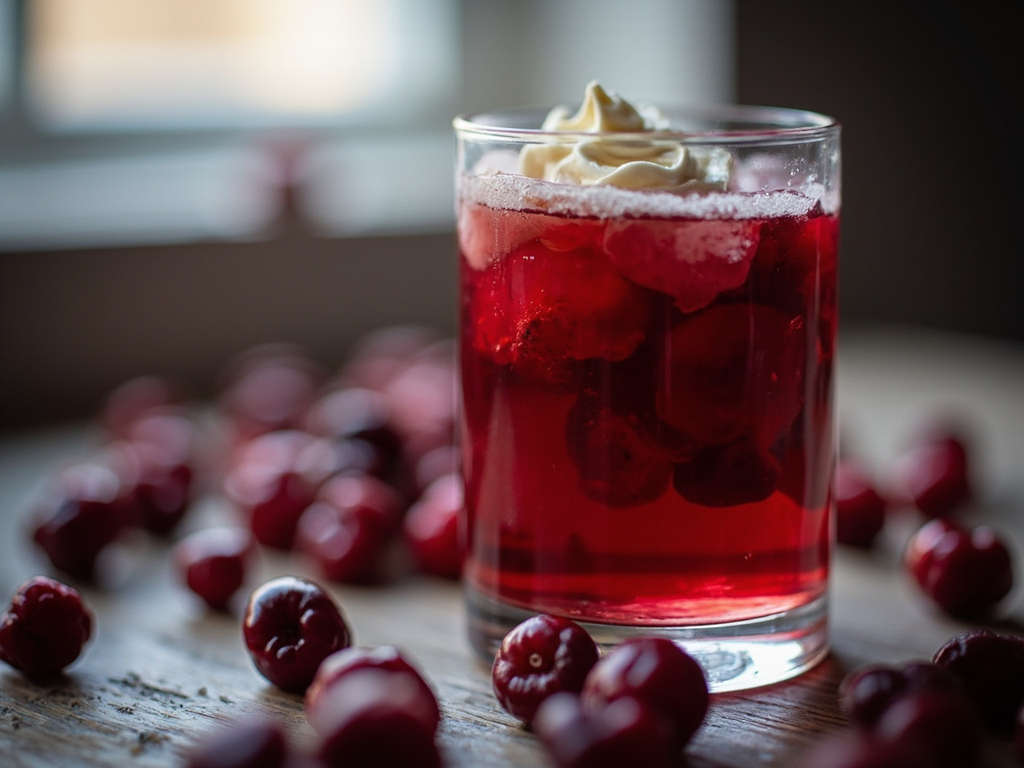
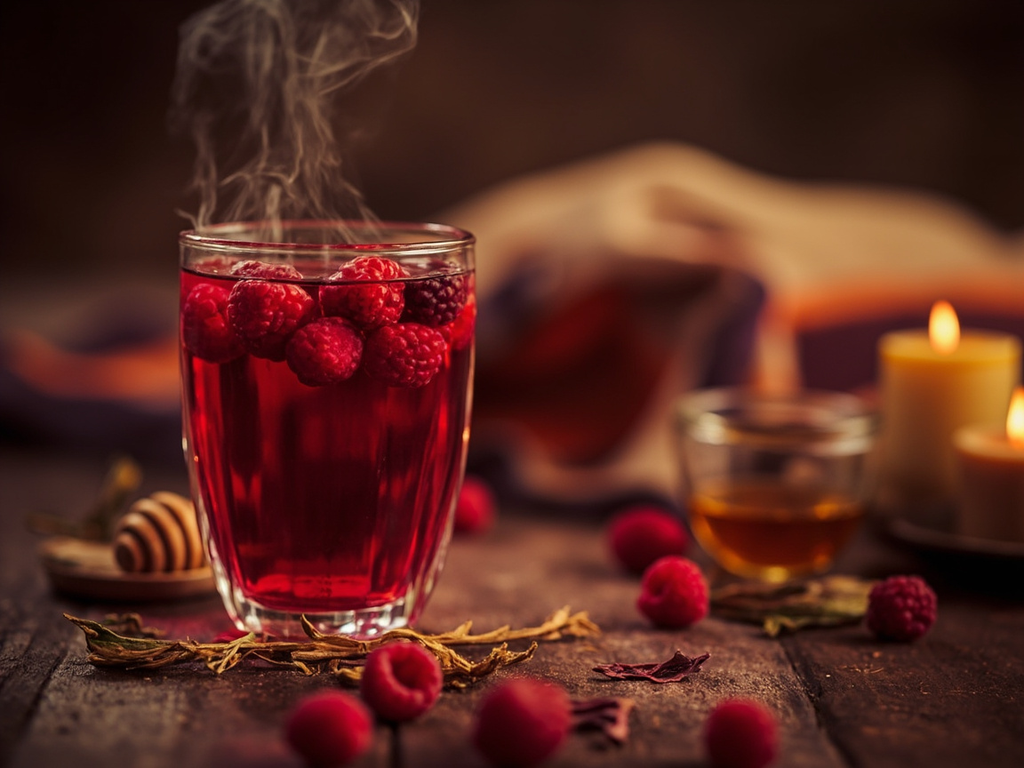
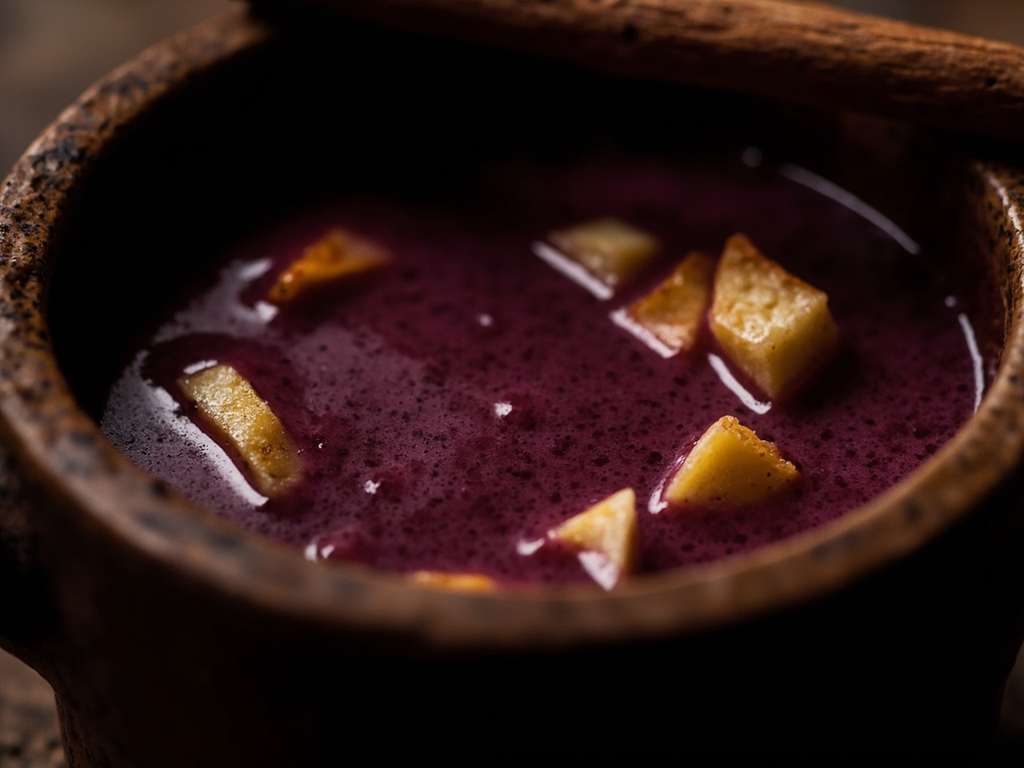
A hot, tangy soup-drink of elderberries, thickened and sweetened with honey, scented with cinnamon and zest, served with a few apple wedges or bread cubes. Between a folk remedy and an autumn treat.
When the fog descends on the Fulda and noses start to run, I fetch my elderberries, black and heavy, which I have dried or pick fully ripe — never raw, mark this, they are only good once cooked. I simmer them with a stick of cinnamon and a zest, strain the purple juice and sweeten it with honey, then thicken it just enough to coat the spoon. It is taken blazing hot, with bread cubes or apple wedges dancing inside; my father would have called it a remedy, and I simply say it comforts body and soul at winter's threshold.
- •Ripe black elderberries — a basket (fruit (never eaten raw))
- •Water — to cover (extraction)
- •Honey — to taste (sweeten, heal)
- •Cinnamon and clove — a pinch (apothecary spices)
- •Apple or lemon zest — a little (flavor)
- •Garden apples — a few (garnish)
Elderberry Soup (Fliederbeersuppe)
A hot, tangy soup-drink of elderberries, thickened and sweetened with honey, scented with cinnamon and zest, served with a few apple wedges or bread cubes. Between a folk remedy and an autumn treat.
Why this dish? Daughter and niece of apothecaries at the 'Zur Sonne' pharmacy, Dortchen knew the virtues of elder, picked along the paths of Hesse. At the first chills, this hot elderberry soup warms and is said to help against colds — apothecary knowledge entering the kitchen.
When the fog descends on the Fulda and noses start to run, I fetch my elderberries, black and heavy, which I have dried or pick fully ripe — never raw, mark this, they are only good once cooked. I simmer them with a stick of cinnamon and a zest, strain the purple juice and sweeten it with honey, then thicken it just enough to coat the spoon. It is taken blazing hot, with bread cubes or apple wedges dancing inside; my father would have called it a remedy, and I simply say it comforts body and soul at winter's threshold.
Ingredients (period version)
- Ripe black elderberries — a basket (fruit (never eaten raw))
- Water — to cover (extraction)
- Honey — to taste (sweeten, heal)
- Cinnamon and clove — a pinch (apothecary spices)
- Apple or lemon zest — a little (flavor)
- Garden apples — a few (garnish)
Ingredients
- Ripe black elderberries (or elderberry juice) — 500 g berries (or 500 ml juice) (base)
- Water — 500 ml (liquid)
- Honey — 3–4 tbsp (sweetener)
- Cinnamon stick — 1 (spice)
- Clove — 1 (spice)
- Lemon zest — 1 strip (flavor)
- Apple — 1, diced (garnish)
- Starch (cornstarch) — 1 tsp dissolved (light thickening)
Method
- WARNING: raw elderberries are indigestible — they must always be cooked. Strip berries from stems (which remain bitter).
- Simmer berries in water with cinnamon, clove and zest for 15 min.
- Strain through a sieve to keep only the purple juice; return to heat.
- Sweeten with honey, add apple cubes and cook 5 min.
- Thicken with a little dissolved starch to coat the spoon, without setting.
- Serve very hot, optionally with toasted bread cubes.
How it was made : Black elder is both an apothecary and a popular kitchen plant in Germany: flowers and berries were used in syrups, soups and tisanes reputed against colds. Berries were dried for winter and always cooked, as raw consumption causes digestive upset. Fliederbeersuppe (literally 'elderberry soup') remains a classic in northern and central Germany.
The contemporary twist : Served cold and more liquid in a small glass, with a mint leaf: Dortchen's 'remedy' becomes an autumn shrub.
Henriette Dorothea Wild · Charactorium