 Flip the card
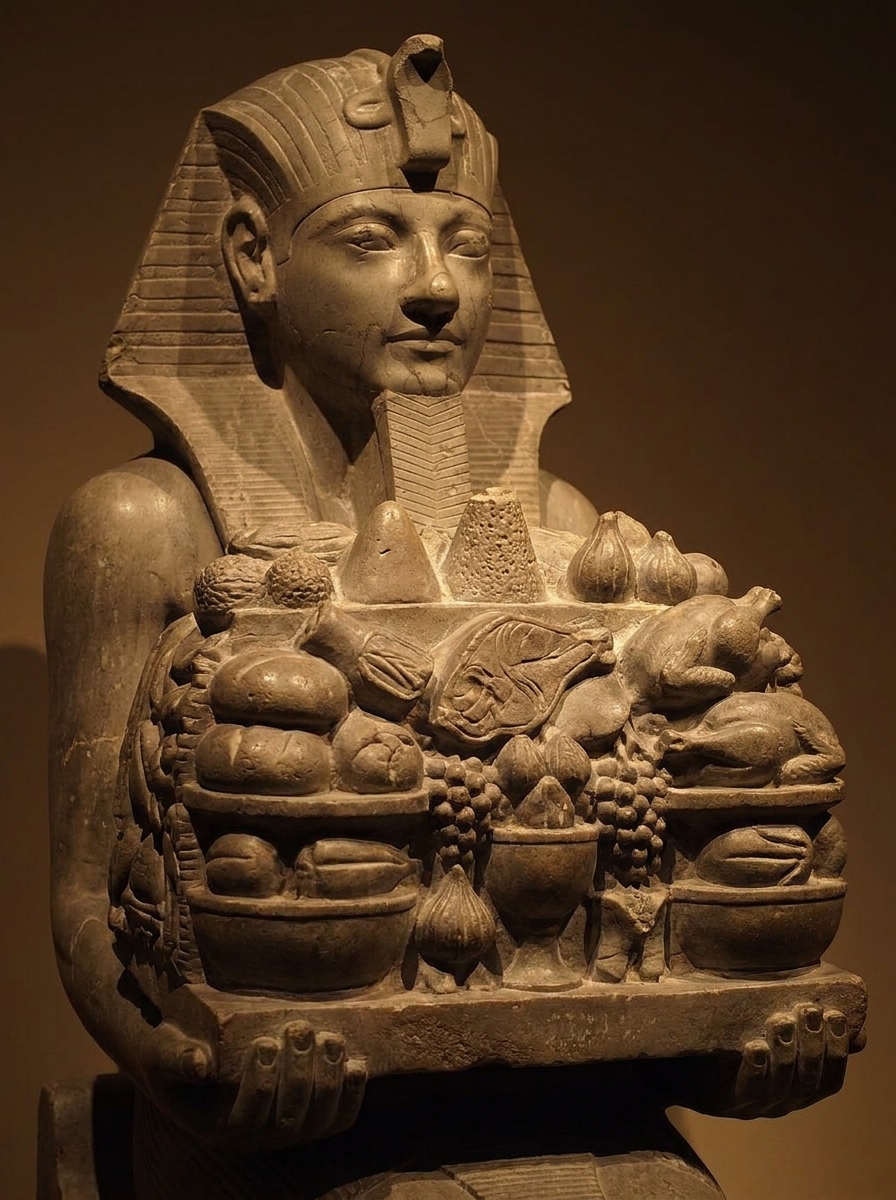
Horemheb at the table
1350 av. J.-C. — 1291 av. J.-C.
On the menu
The Service of the Egyptian Royal Table (the 'Great Offering of the Meal')
At the court of the New Kingdom, the pharaoh's meal is not divided into starter-main-dessert but unfolds as an abundance presented all at once on mats and low tables: first breads and flatbreads (the foundation of every Egyptian meal), then roasted meats and poultry, Nile fish, vegetables and legumes, all accompanied by thick beer or Delta wine, and closed by sweet fruits and honey. The displayed quantity and diversity are themselves a sign of power and restored order—the *maat* that Horemheb claimed to restore.
Signature : Honey and Nile Coriander
Two absolute markers of ancient Egyptian cuisine: honey, the only noble sweetener (sugar does not exist), which glazes meats and binds pastries; and coriander—seeds and leaves—found even in royal tombs, omnipresent for flavoring breads, stews, and poultry.
click to flip back
Horemheb at the table
1350 av. J.-C. — 1291 av. J.-C.
5 period recipes
 Everyday
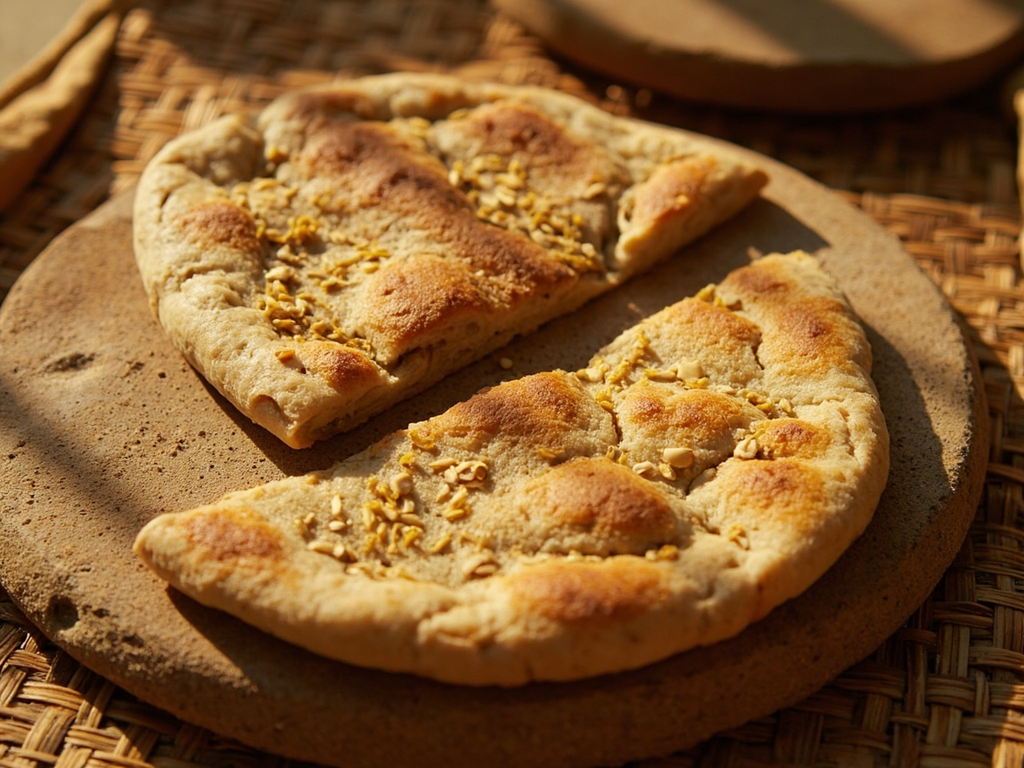
Ta – the Soldier's Camp Bread, with Emmer and Coriander
Base bread (ta), foundation of every Egyptian meal
🧂· 4 h (including rising)
View the recipe
 Festive
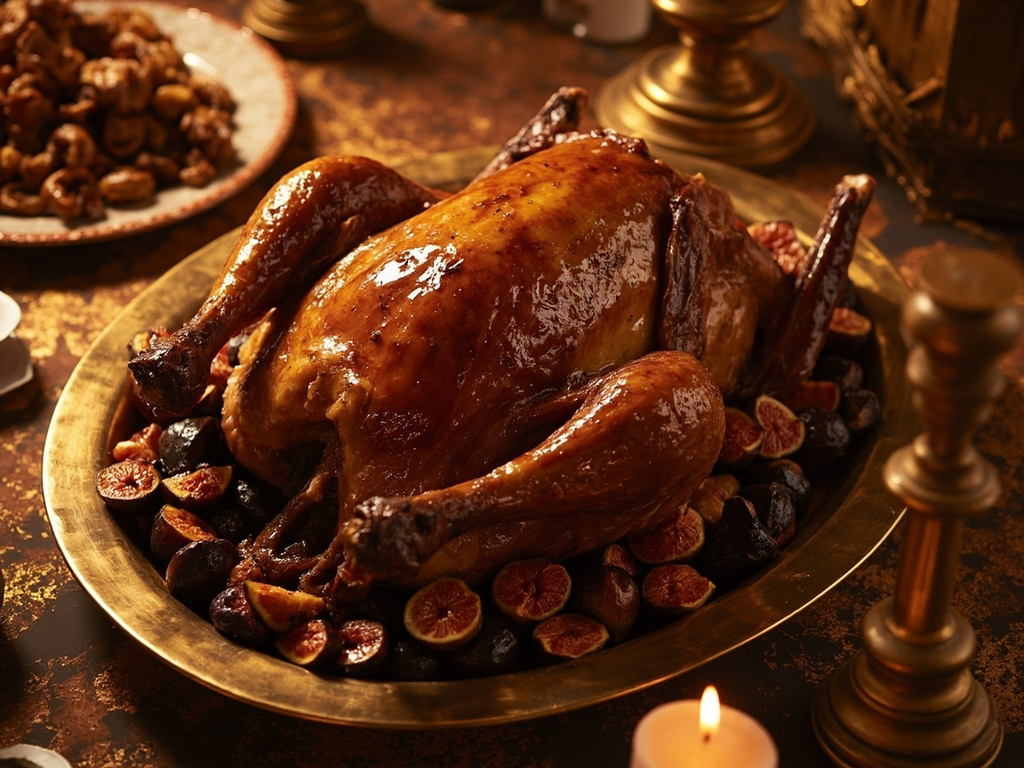
Honey-Glazed Roast Goose with Figs, at the Pharaoh's Table
Festive meat from the great royal offering
🍯 🧂· 2 h 30
View the recipe
 Everyday
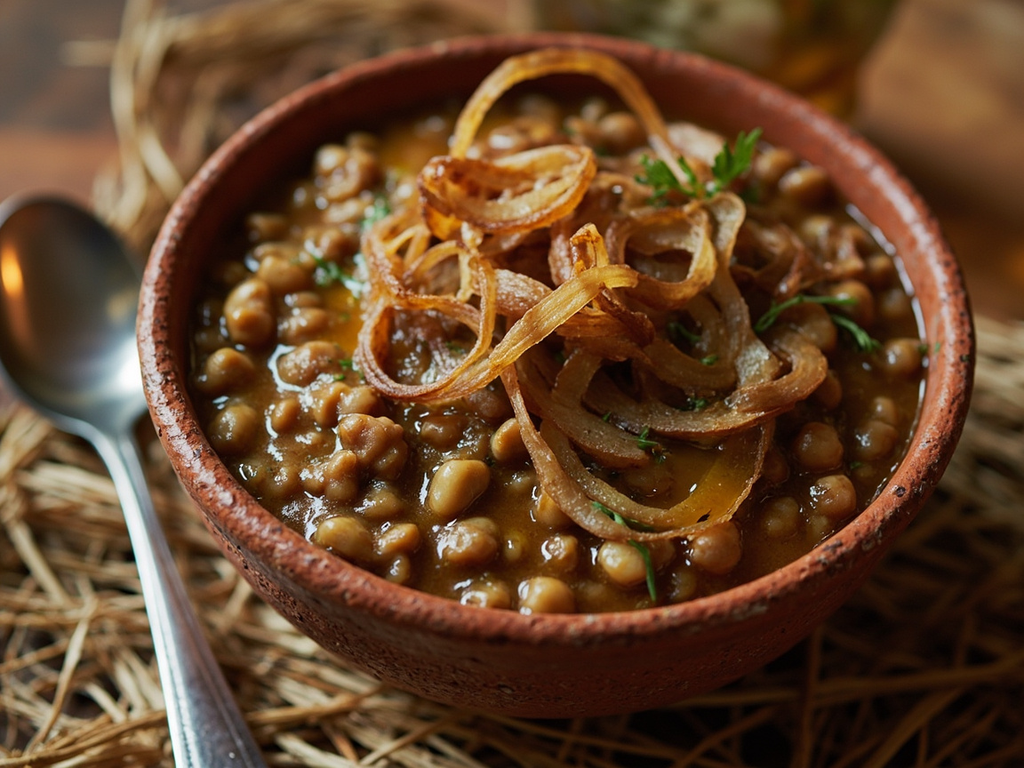
Lentil and Fava Bean Stew with Coriander (the River's Shabou)
Daily legume dish, shared from work site to palace
🧂 🍄· 1 h 15 (plus soaking)
View the recipe
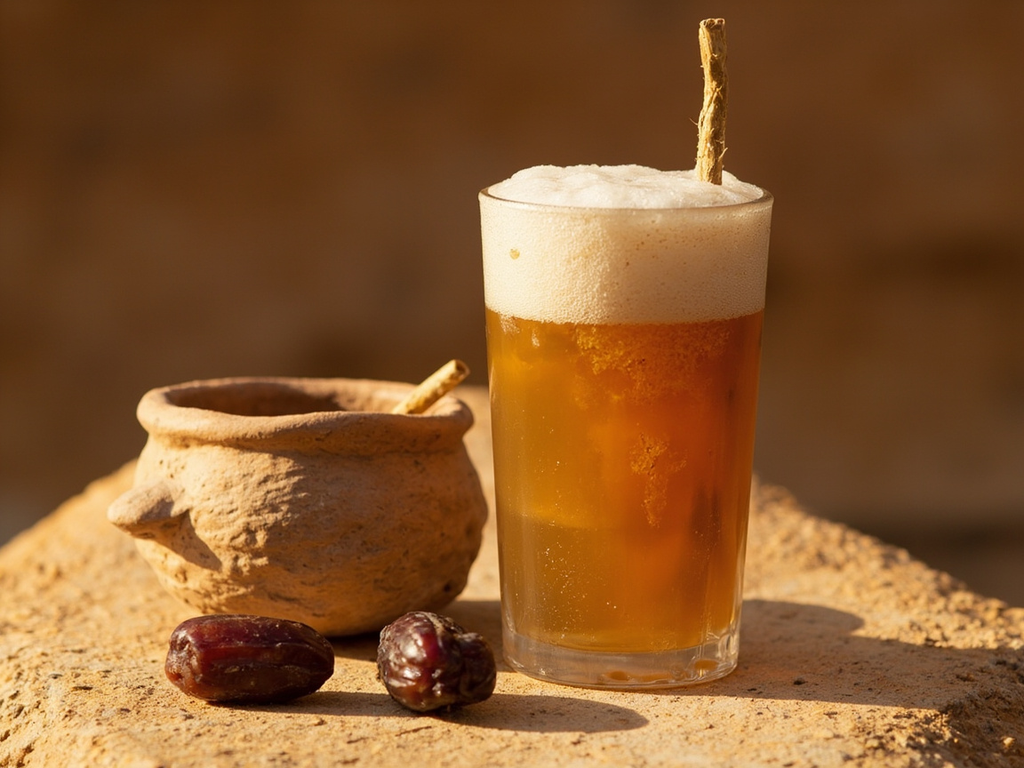 Drink
DrinkHenqet – Thick Barley Bread Beer
Base beverage (henqet), currency and offering of Egypt
🫙 🍋· 30 min + 2–3 days fermentation
View the recipe
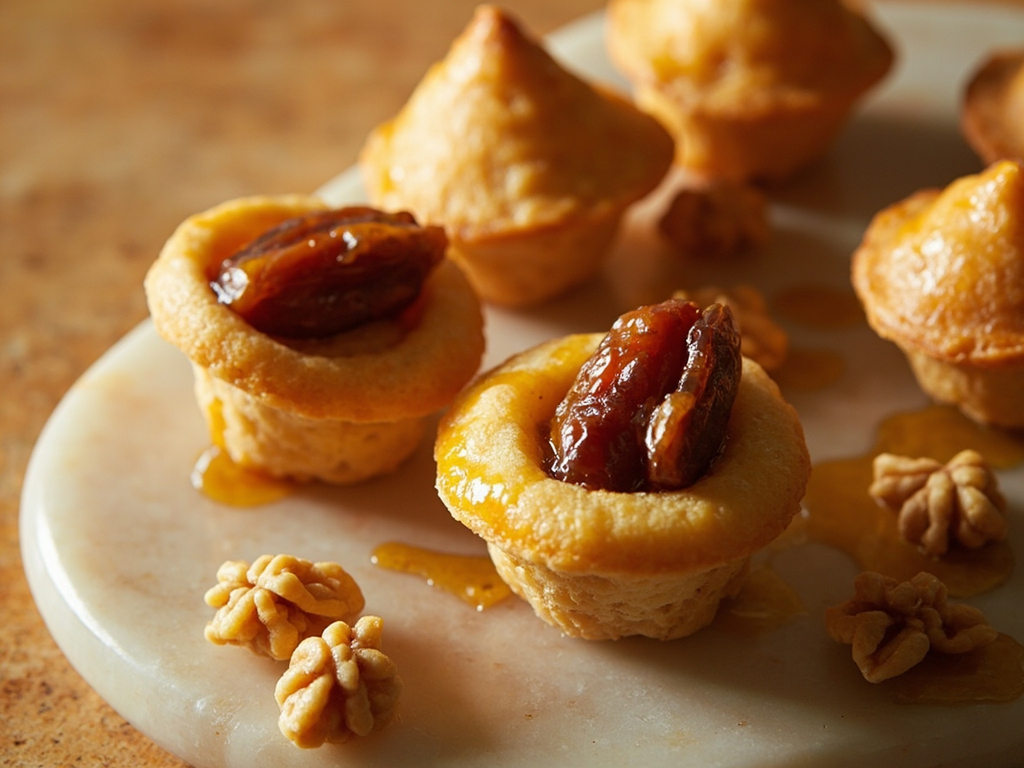 Offering
Honey, Date, and Nut Cakes – the Sweet Offering of the Temples
Offering sweet (shenes) placed on the altar of the gods
🍯· 40 min
View the recipe