Smörgåsbord and Husmanskost
At the 19th-century Swedish table, meals were not served in three French-style acts, but as a succession of small savory and sweet dishes placed together on the table (the smörgåsbord), centered around husmanskost—nourishing, sober home cooking. The rhythm of the day was punctuated by fika, the coffee break accompanied by a pastry. Stockholm's good bourgeoisie ate simply: soups, root vegetables, rye bread, fish, and plenty of fragrant pastries.
Signature : Cardamom (kardemumma)
Green cardamom, brought by ship and freshly ground, is the soul of the Swedish bakery—it perfumes breads, buns, and rusks. It is the spice that says "Stockholm home" far more than cinnamon, and it runs through all the pastries of Jenny Lind's childhood.
Jenny Lind at the table
1820 — 1887
5 period recipes
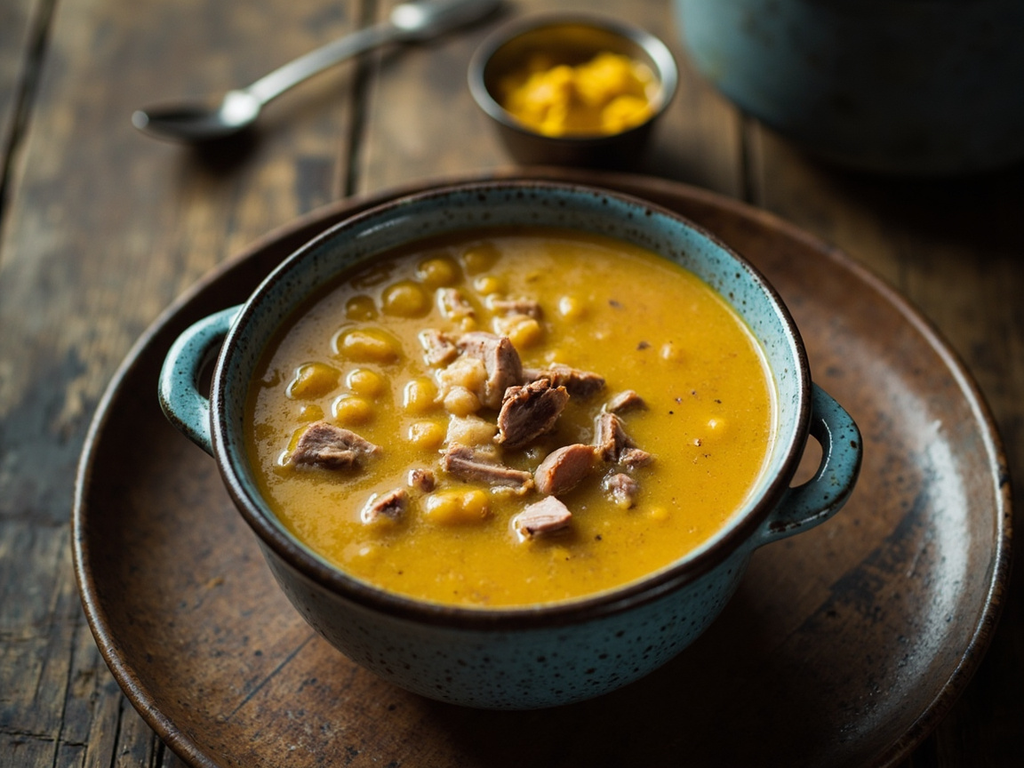 Everyday
Ärtsoppa — Thursday Yellow Pea Soup with Pork
Husmanskost (Thursday domestic dish)
🧂 🍄· 2 h (plus soaking)
View the recipe
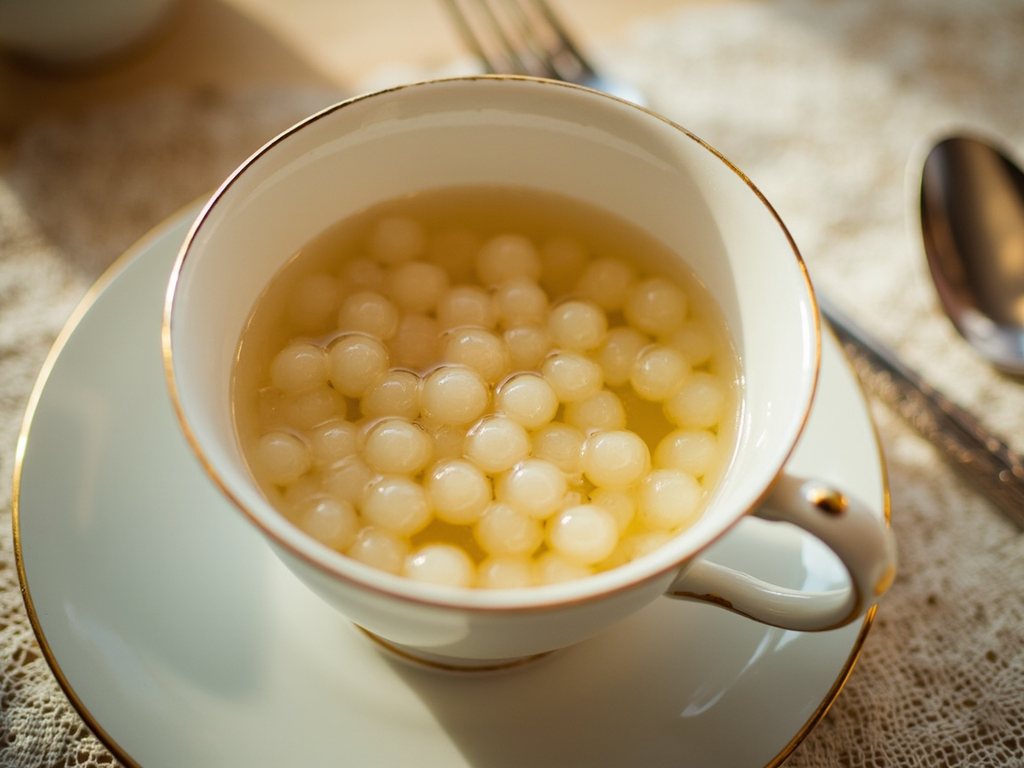 Remedy
Jenny Lind Soup — Clear Broth with Sago
Soppa (light soup for the voice)
🧂 🍄· 35 min
View the recipe
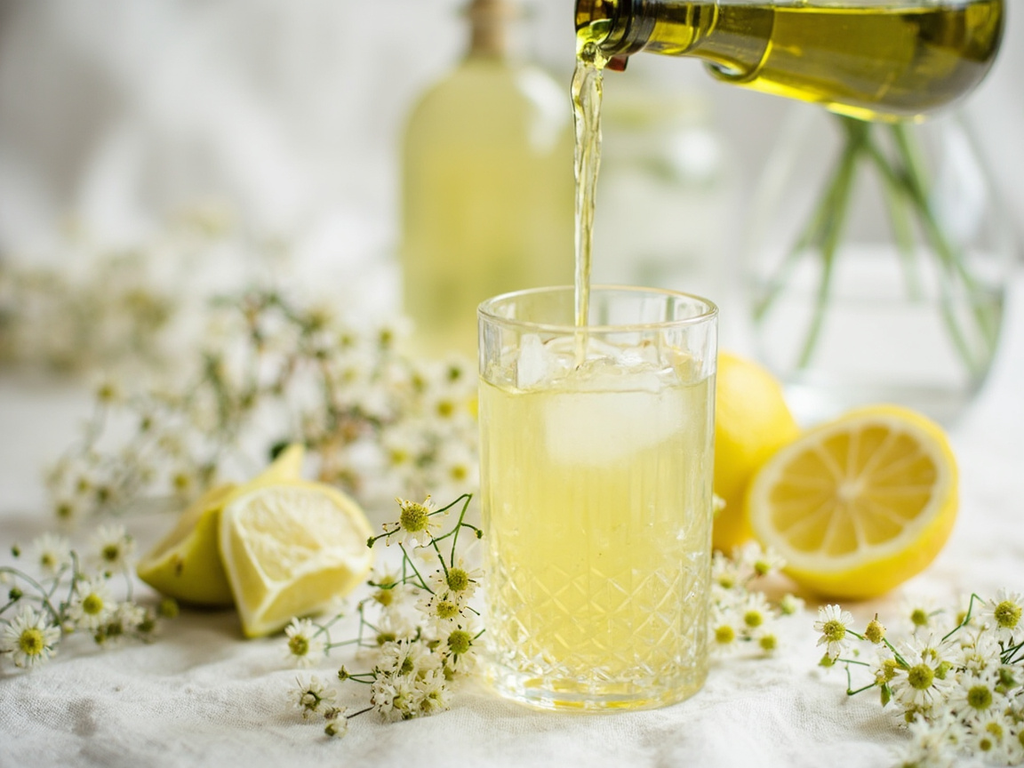 Drink
DrinkFlädersaft — Elderflower Cordial
Saft (homemade cordial drink)
🍯 🍋· 30 min (+ 2 to 4 days maceration)
View the recipe
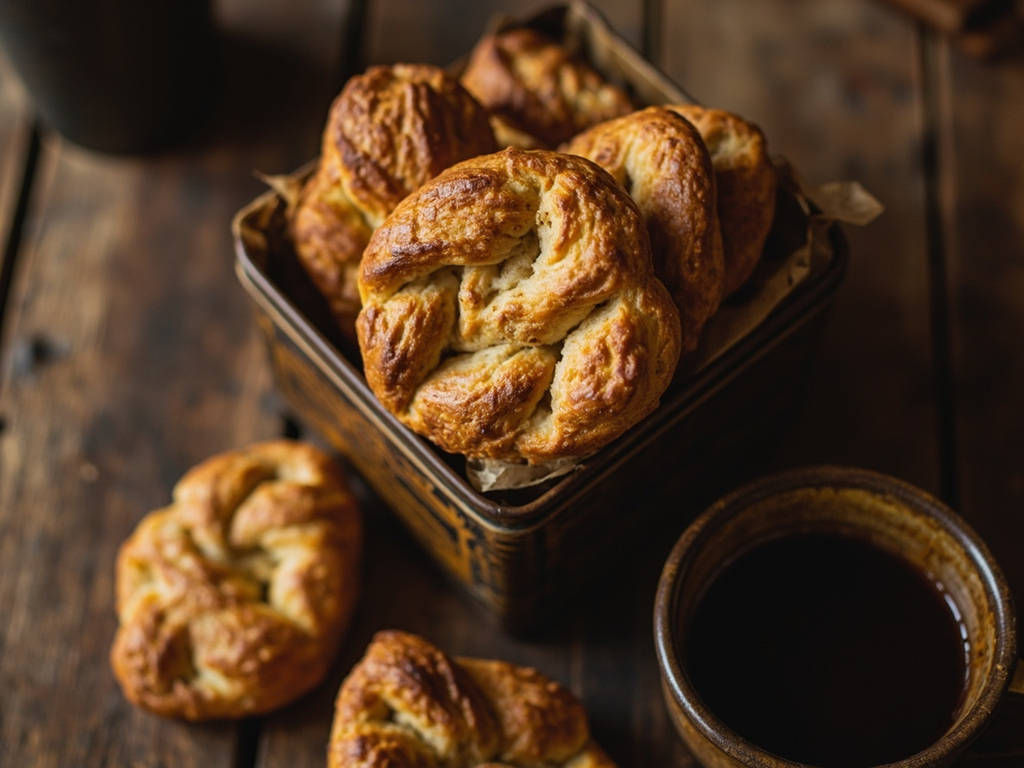 Travel
Kardemummaskorpor — Cardamom Rusks for Travel
Skorpor (dry, keepable rusks)
🍯 🌶️· 1 h 30 (+ rising)
View the recipe
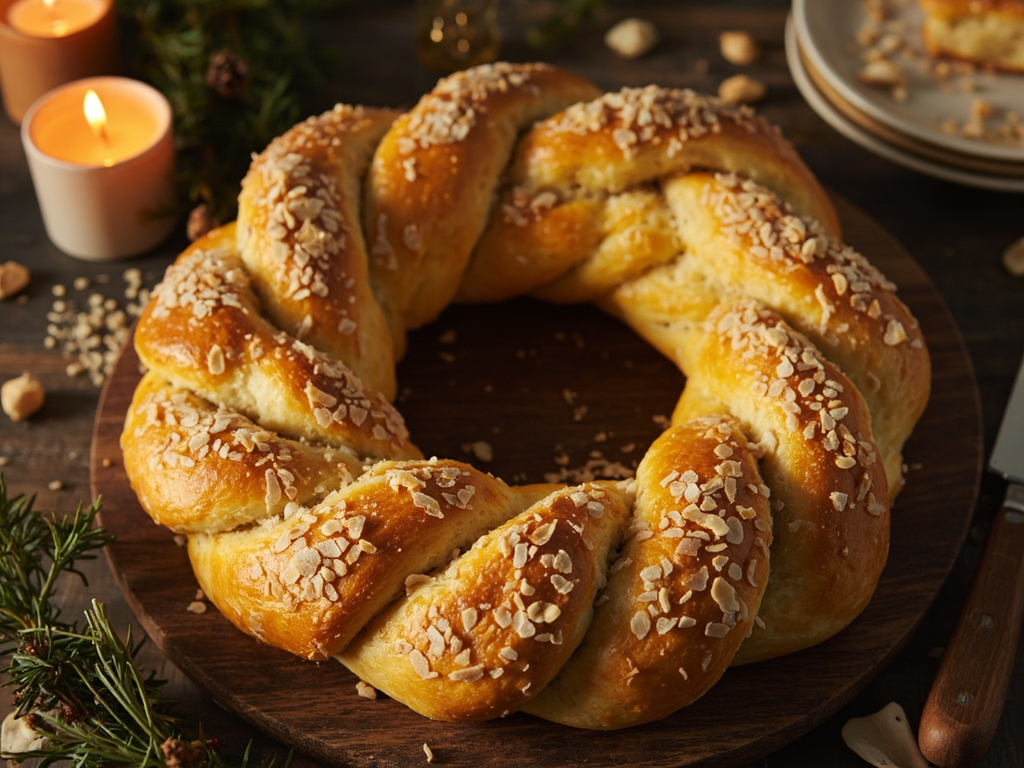 Festive
Saffransvetekrans — Festive Saffron and Cardamom Wreath
Vetebröd de fête (sweet smörgåsbord pastry)
🍯 🌶️· 1 h (+ rising times)
View the recipe