 flip
flipKardemummaskorpor — Cardamom Rusks for Travel
Kardemummaskorpor — Cardamom Rusks for Travel
Why this dish? When P. T. Barnum took her on his huge American tour in 1850, Jenny Lind faced a long Atlantic crossing and endless journeys. Skorpor—sweet bread twice-baked, dry and imperishable—were precisely the Swedish traveler's staple, perfect with coffee on board or backstage.
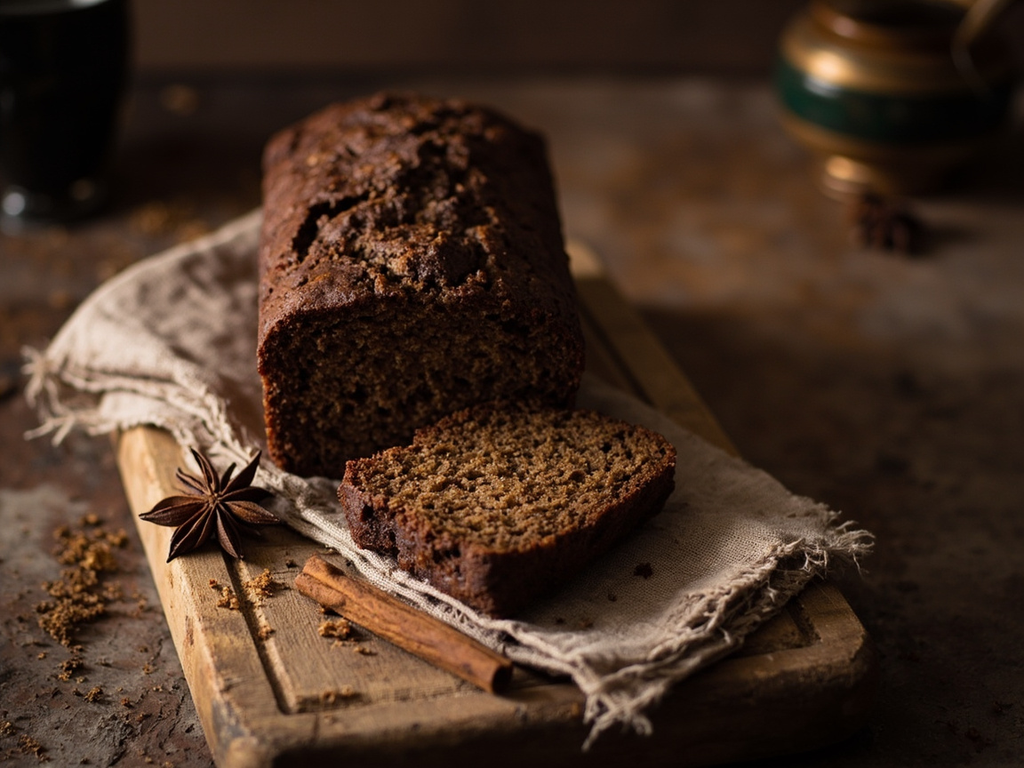
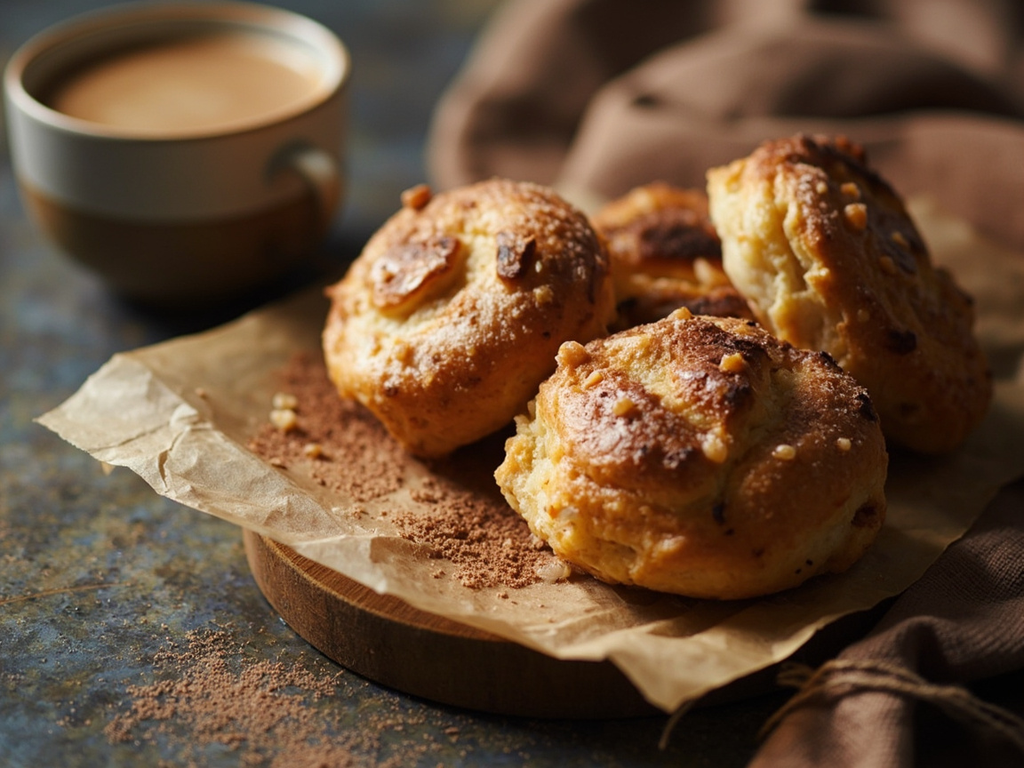
A cardamom-scented milk bread, sliced and dried in the oven until golden and crunchy, keeping for weeks. The companion to every Swedish coffee cup.
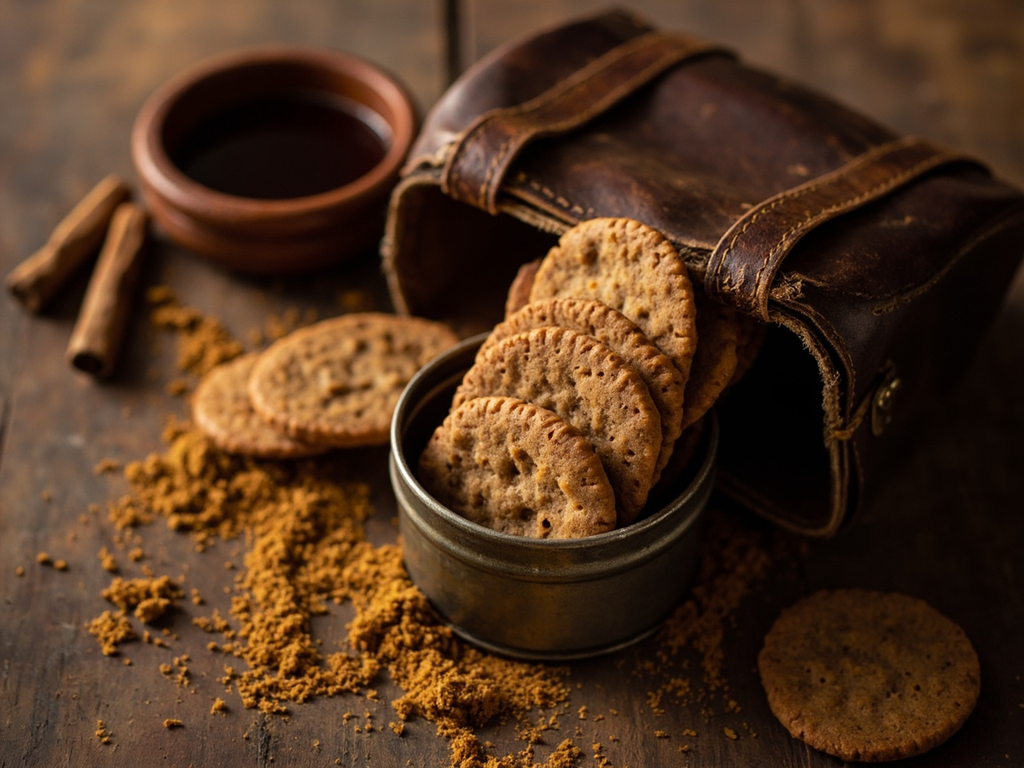
For long crossings, nothing beat a supply of skorpor in a tin box. We would bake a fine sweet cardamom bread, cut it into slices, and put them back in the oven at low heat until dry and crunchy. Thus prepared, they would keep for weeks without going stale, and once my seasickness had passed, I would dip them in my coffee. A rusk and a prayer, and the Atlantic seemed less vast.
- •Wheat flour — as needed (structure)
- •Milk — a good cup (softness)
- •Butter — a piece (richness)
- •Ground cardamom — generously (flavor (signature))
- •Brewer's yeast — a little (leavening)
- •Sugar — two spoonfuls (sweetness)
Kardemummaskorpor — Cardamom Rusks for Travel
A cardamom-scented milk bread, sliced and dried in the oven until golden and crunchy, keeping for weeks. The companion to every Swedish coffee cup.
Why this dish? When P. T. Barnum took her on his huge American tour in 1850, Jenny Lind faced a long Atlantic crossing and endless journeys. Skorpor—sweet bread twice-baked, dry and imperishable—were precisely the Swedish traveler's staple, perfect with coffee on board or backstage.
For long crossings, nothing beat a supply of skorpor in a tin box. We would bake a fine sweet cardamom bread, cut it into slices, and put them back in the oven at low heat until dry and crunchy. Thus prepared, they would keep for weeks without going stale, and once my seasickness had passed, I would dip them in my coffee. A rusk and a prayer, and the Atlantic seemed less vast.
Ingredients (period version)
- Wheat flour — as needed (structure)
- Milk — a good cup (softness)
- Butter — a piece (richness)
- Ground cardamom — generously (flavor (signature))
- Brewer's yeast — a little (leavening)
- Sugar — two spoonfuls (sweetness)
Ingredients
- All-purpose flour — 500 g (structure)
- Warm milk — 25 cl (softness)
- Soft butter — 75 g (richness)
- Freshly ground green cardamom — 2 tsp (flavor (signature))
- Fresh baker's yeast — 25 g (leavening)
- Sugar — 80 g (sweetness)
- Salt — 1 pinch (balance)
Method
- Dissolve the yeast in warm milk; mix with flour, sugar, salt, cardamom, and butter. Knead into a soft dough.
- Let rise for 1 hour under a cloth until doubled.
- Shape into small loaves, let rise 30 minutes, then bake at 200°C for about 12 minutes until golden.
- Let cool, then slice each loaf horizontally in half.
- Return the slices to the oven at 120°C for 30 to 40 minutes, turning them, until dry and golden. Store in an airtight container.
How it was made : The word skorpa means "crust": this double baking, inherited from the need to preserve bread in winter and at sea, made it the quintessential travel food. Cardamom, imported at great cost but omnipresent in Swedish baking, was always generous.
The contemporary twist : Serve them in a "boarding coffee" presentation in a retro tin box; sprinkle with pearl sugar before the first bake for a touch of crunch.
Sources : Charles Emil Hagdahl, Kok-konsten som vetenskap och konst (1879)
Jenny Lind · Charactorium