 Flip the card
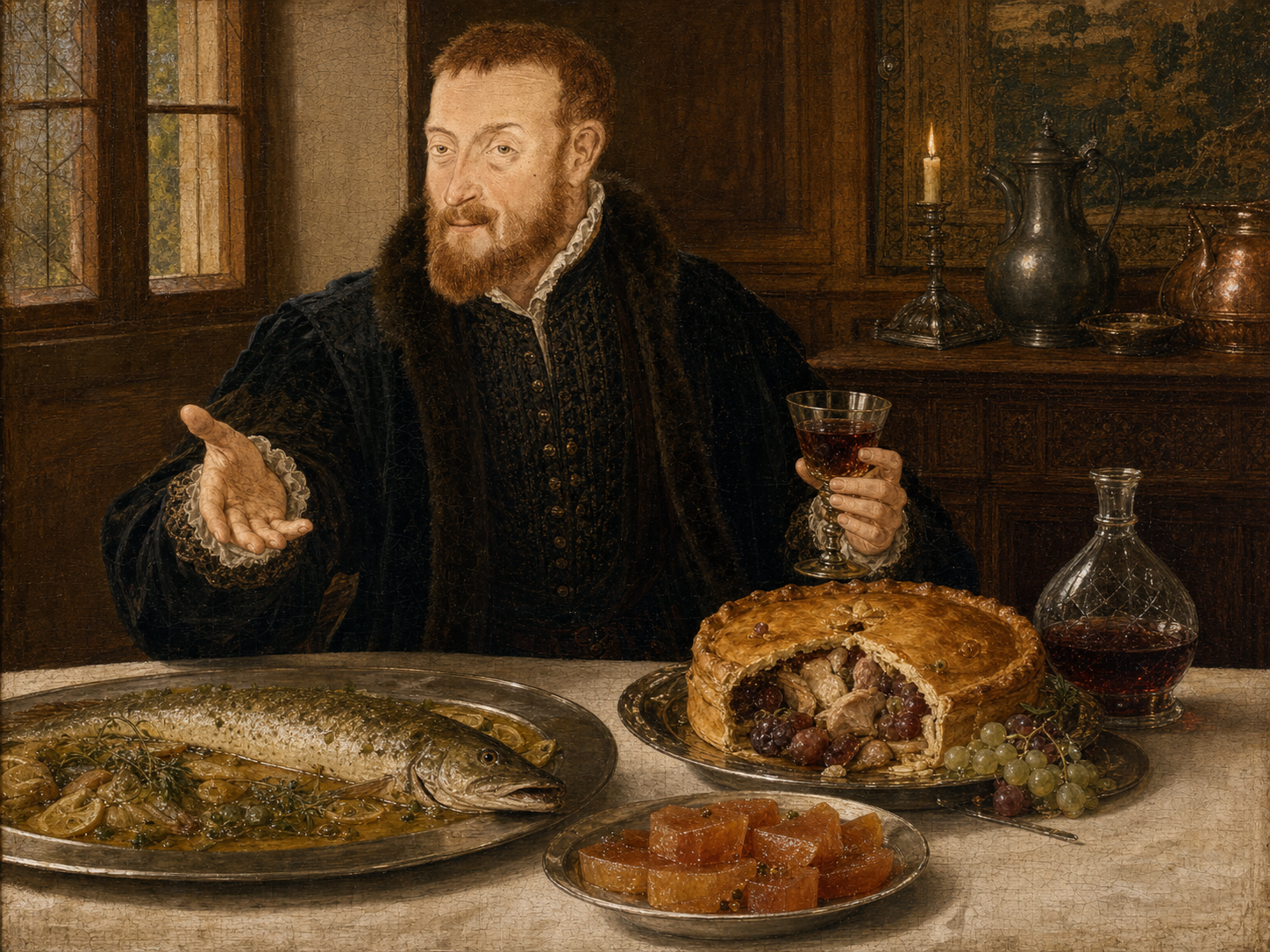
Joachim du Bellay at the table
1522 — 1560
On the menu
Renaissance service à la française
At the table of a 16th-century scholar or cardinal, the meal is not arranged as starter-main-dessert but in successive courses brought all at once and set on the tablecloth: the *potage* (broths and saucy dishes), the *rost* (roasted meats and fish), the *entremets* (pies, sweet-savory dishes, and showpieces), then the *issue de table* (preserves, dragées, spiced wine) which closes and 'seals' the stomach. Sweet and savory mingle without boundary, and spices signal the host's rank.
Signature : Verjus and sweet spices
Verjus — the acidic juice of unripe green grapes — is the sour soul of 16th-century French cuisine, where the South would use lemon. It is paired with 'sweet spices' (cinnamon, ginger, clove) and sugar, then a luxury product, for that sweet-sour-spiced balance that characterizes humanist tables, from Du Bellay's Anjou to Roman palaces.
click to flip back
Joachim du Bellay at the table
1522 — 1560
4 period recipes
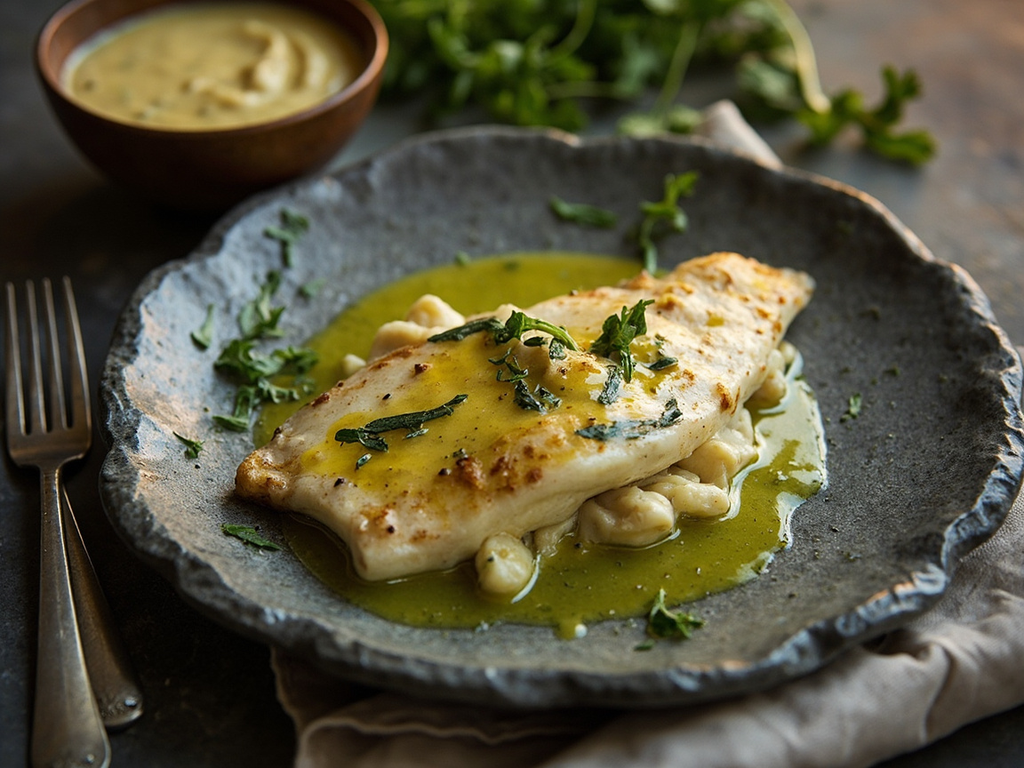 Everyday
Loire pike with verjus
Potage (saucy dish of the first course)
🧂 🍋· 30 min
View the recipe
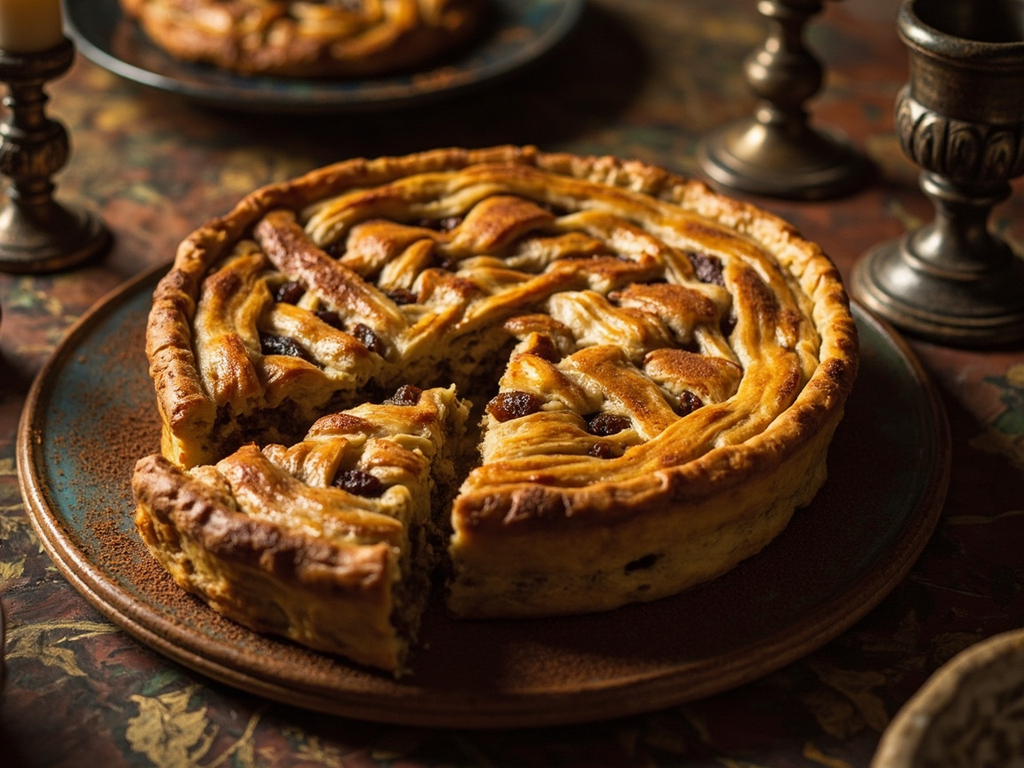 Festive
Poultry pie with raisins and sweet spices
Entremets (table course dish)
🧂 🍯 🌶️· 1 h 15
View the recipe
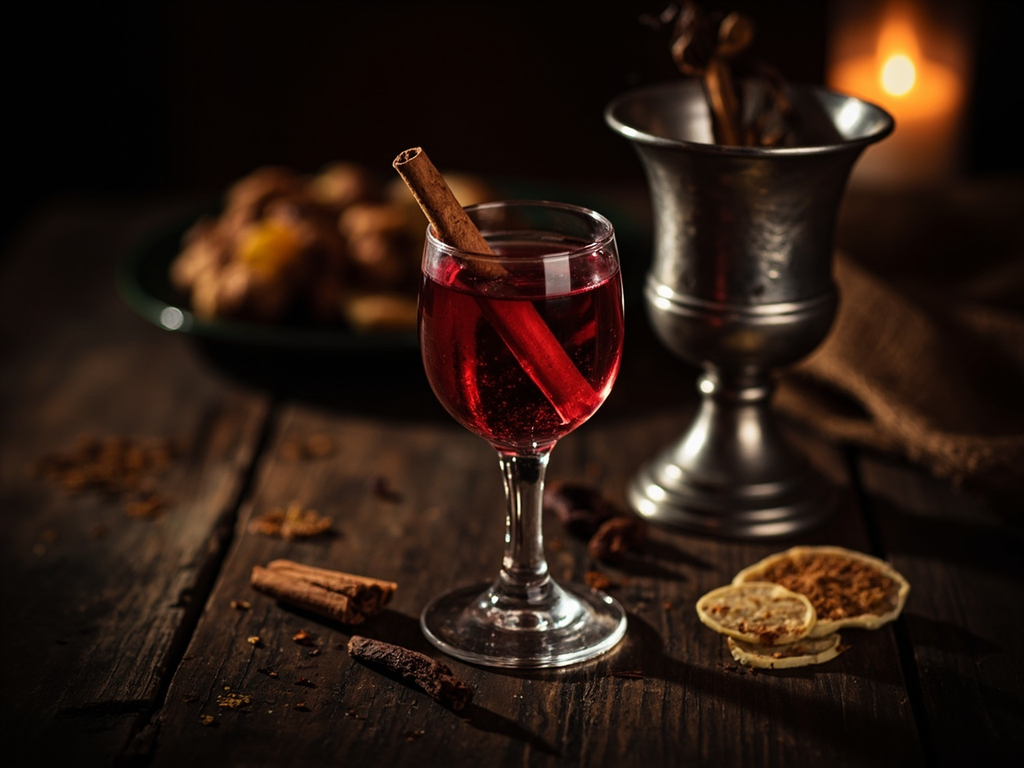 Drink
DrinkSpiced wine hypocras
Issue de table (closing drink of the meal)
🍯 🌶️· 15 min (+ maceration)
View the recipe
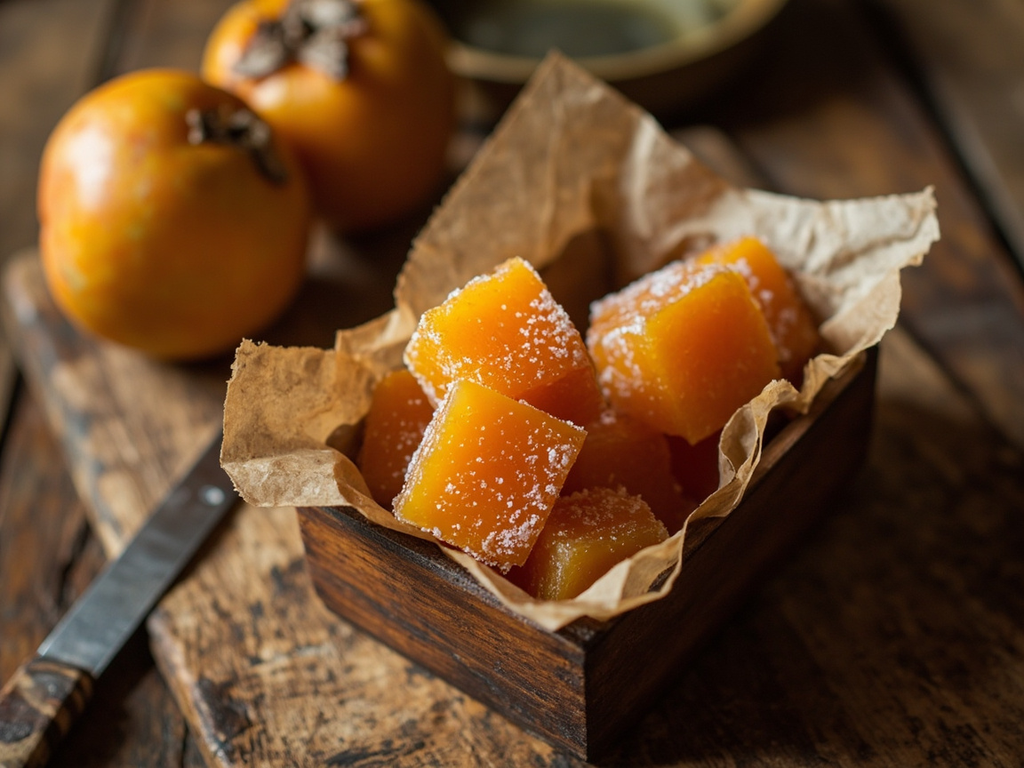 Preserving
Quince paste (cotignac)
Issue de table (keeping preserve)
🍯 🍋· 1 h 30 (+ drying)
View the recipe