 flip
flipSpiced wine hypocras
Spiced wine hypocras
Why this dish? Hypocras traditionally closes quality meals in Du Bellay's France, accompanied by dragées and preserves. The poet, torn between the Touraine wines of his youth and the Latium wines of his exile, would have drunk this sweet spiced wine both in Paris at the Collège de Coqueret and at Roman tables: a drink of scholars, reputed to warm the mind and aid digestion.
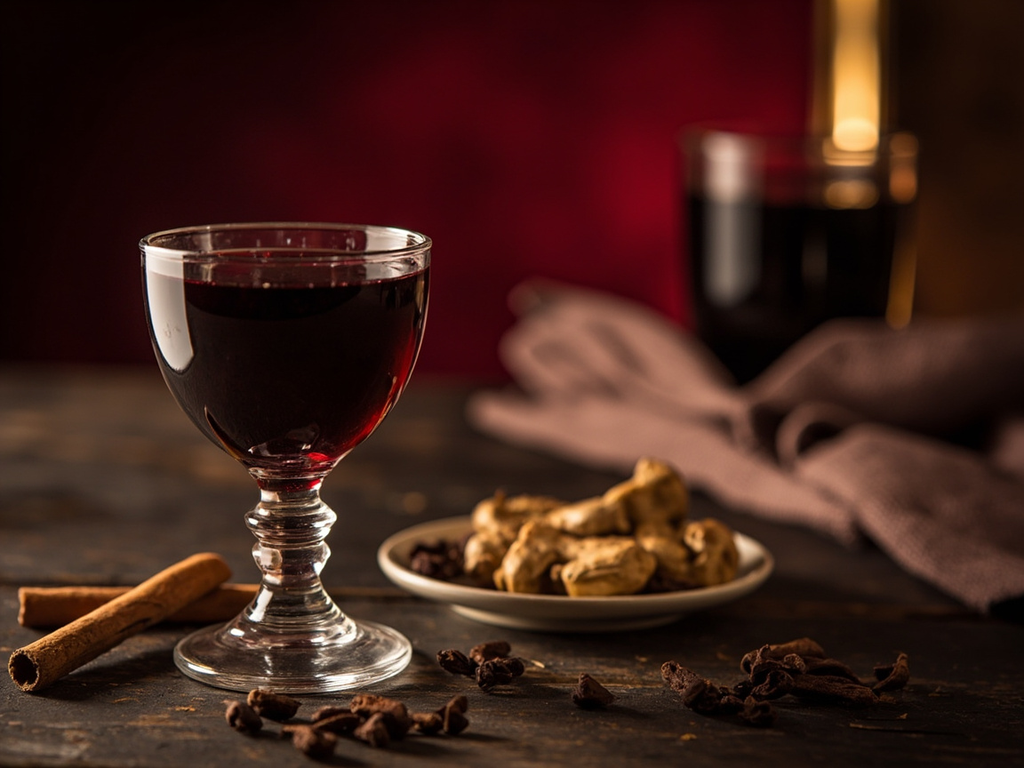
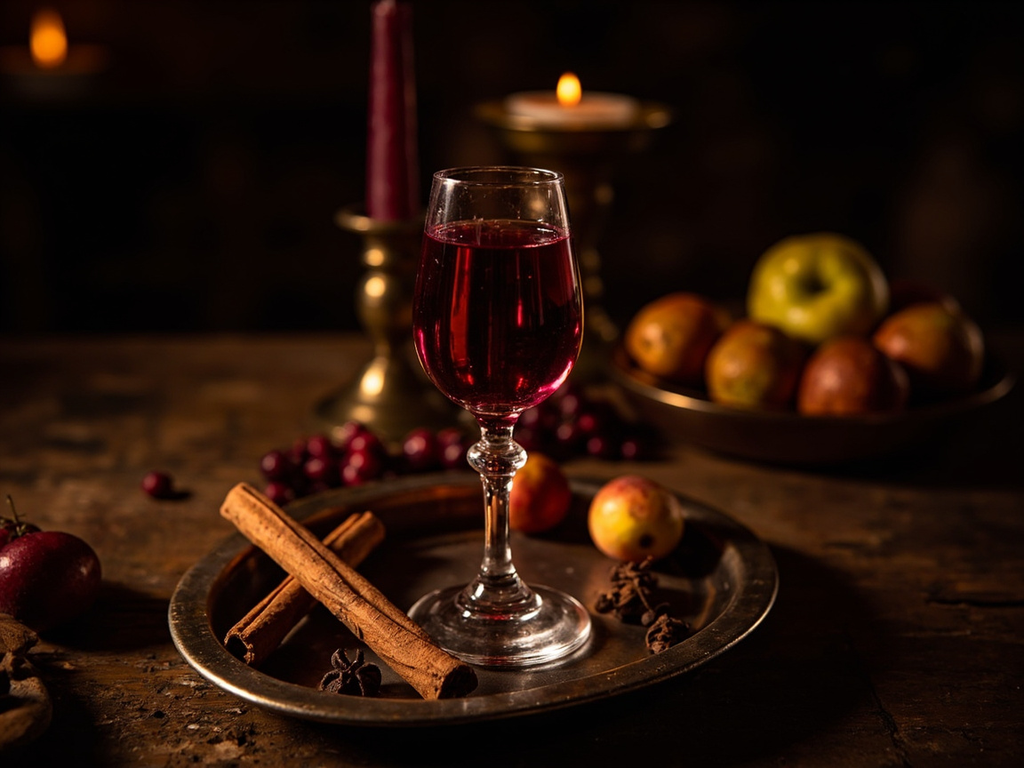
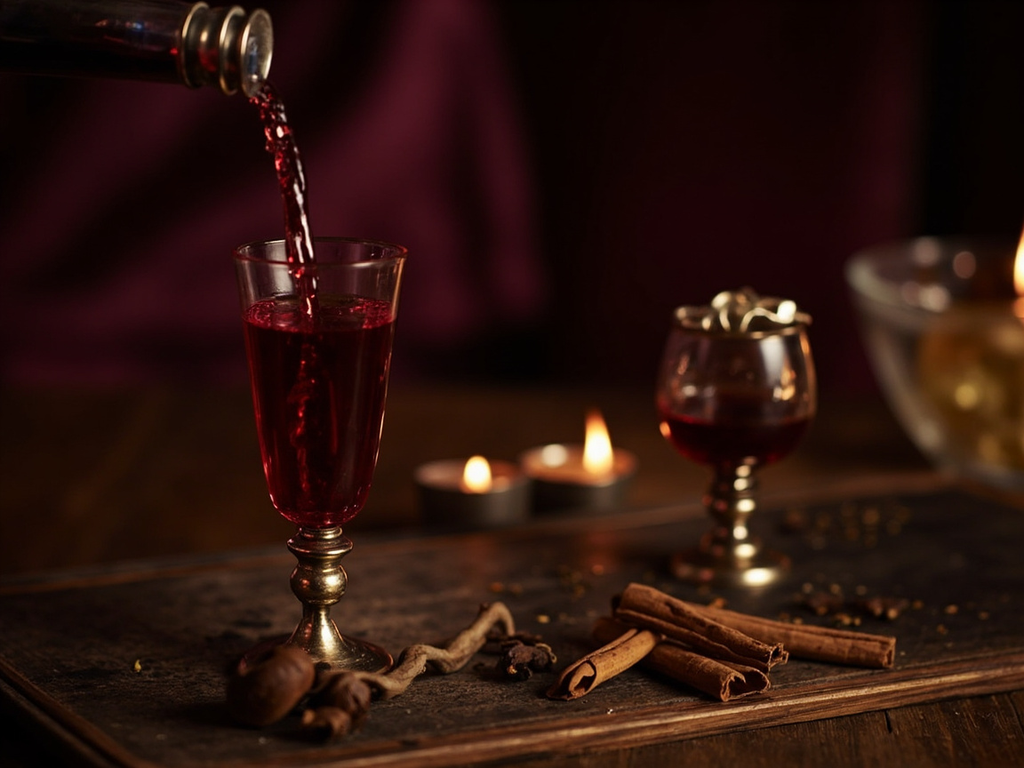
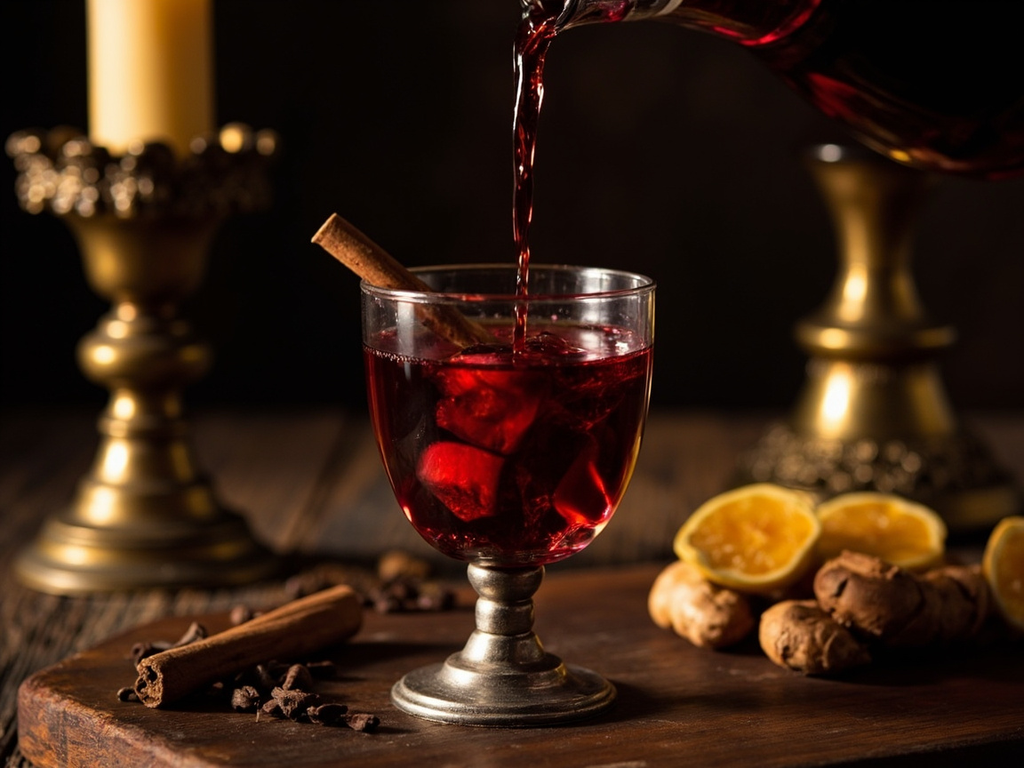
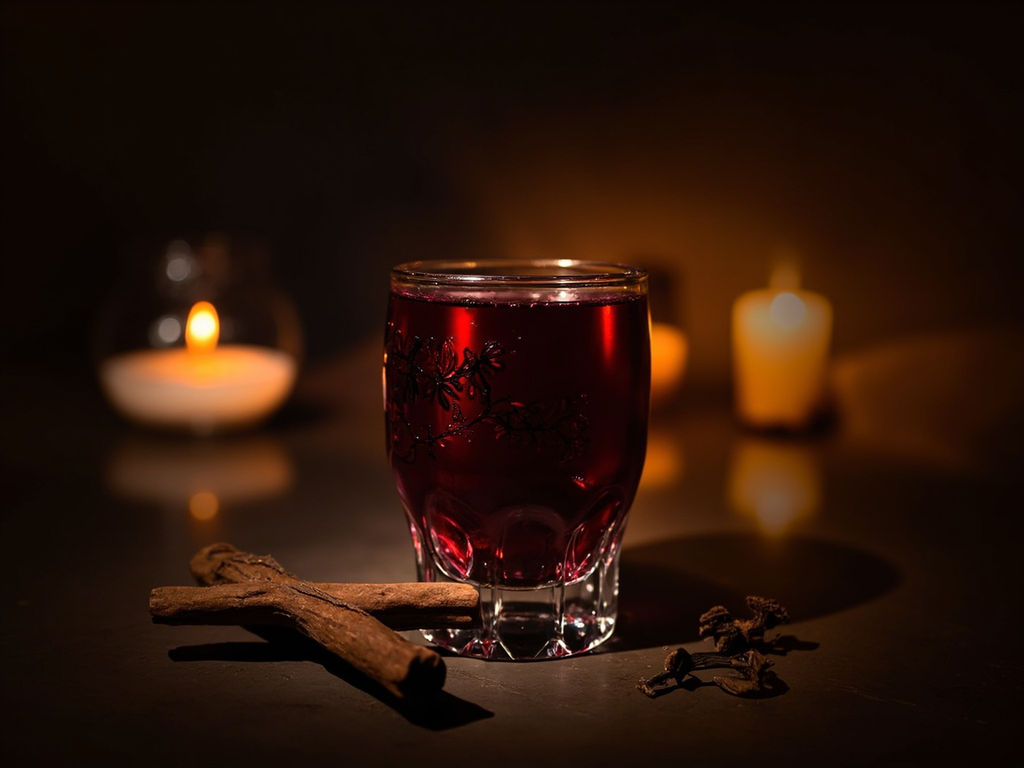
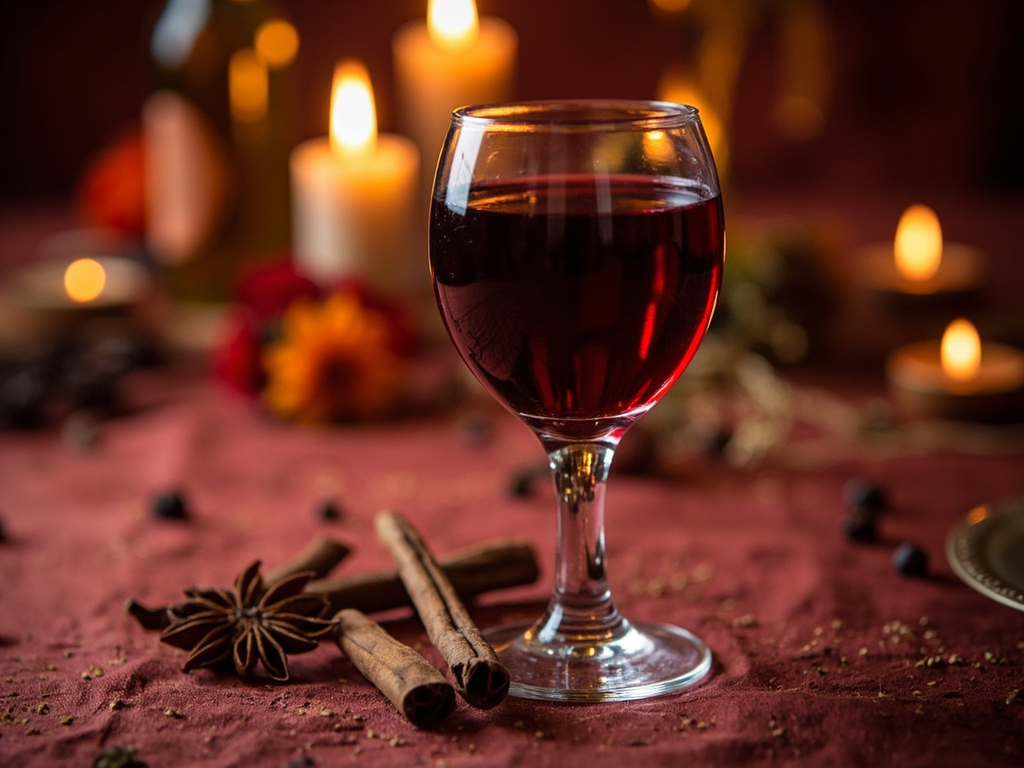
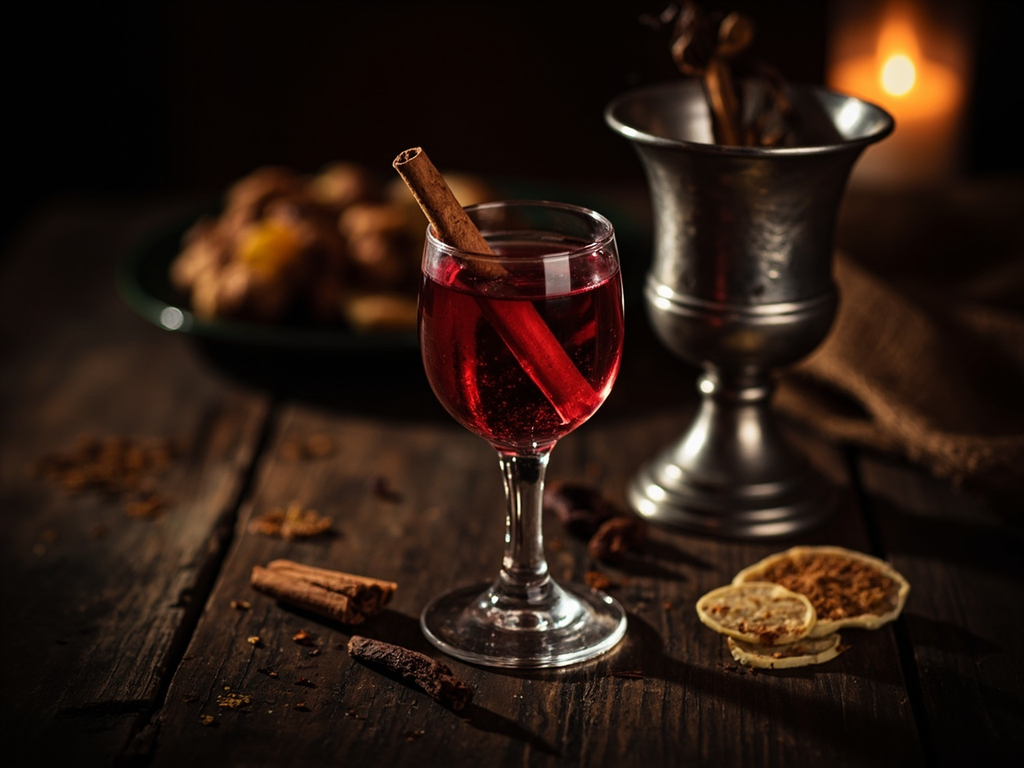
Red or white wine cold-infused with cinnamon, ginger, clove, and sugar, then filtered until clear. Sweet, fragrant, warming: the refined digestif of the Renaissance, served chilled in small quantities.
When the roast is cleared and the cloth lifted, it is time for hypocras, dear reader. Take good wine, throw in cinnamon, ginger, a clove, and sugar enough, let the night take the soul of the spices, then strain it all through the filter until it is clear as ruby. One cup, no more: it warms the stomach, loosens the tongue, and makes verses come more easily to those who seek them.
- •Good wine (red or white) — a pint (base)
- •Cinnamon — one stick (master spice)
- •Ginger — a piece (warmth)
- •Clove — a few (fragrance)
- •Sugar — to taste (sweetness)
- •Grains of paradise (optional) — a pinch (peppery spice)
Spiced wine hypocras
Red or white wine cold-infused with cinnamon, ginger, clove, and sugar, then filtered until clear. Sweet, fragrant, warming: the refined digestif of the Renaissance, served chilled in small quantities.
Why this dish? Hypocras traditionally closes quality meals in Du Bellay's France, accompanied by dragées and preserves. The poet, torn between the Touraine wines of his youth and the Latium wines of his exile, would have drunk this sweet spiced wine both in Paris at the Collège de Coqueret and at Roman tables: a drink of scholars, reputed to warm the mind and aid digestion.
When the roast is cleared and the cloth lifted, it is time for hypocras, dear reader. Take good wine, throw in cinnamon, ginger, a clove, and sugar enough, let the night take the soul of the spices, then strain it all through the filter until it is clear as ruby. One cup, no more: it warms the stomach, loosens the tongue, and makes verses come more easily to those who seek them.
Ingredients (period version)
- Good wine (red or white) — a pint (base)
- Cinnamon — one stick (master spice)
- Ginger — a piece (warmth)
- Clove — a few (fragrance)
- Sugar — to taste (sweetness)
- Grains of paradise (optional) — a pinch (peppery spice)
Ingredients
- Dry red (or white) wine — 75 cl (base)
- Sugar — 80 to 100 g (sweetness)
- Cinnamon stick — 1 (main spice)
- Fresh ginger — 3 slices (warmth)
- Cloves — 3 (fragrance)
- Grated nutmeg — a pinch (sweet spice)
Method
- Pour the wine into a large container, add the sugar, and stir until dissolved.
- Add all the spices, cover, and leave to infuse cold for 4 to 12 hours in a cool place (no cooking: period hypocras is macerated, not heated).
- Filter carefully through a fine cloth (the 'filter bag') until the liquid is clear.
- Serve chilled in small cups, with some dried or candied fruits.
How it was made : Hypocras takes its name from Hippocrates, alluding to the 'Hippocratic sleeve', the filtering bag. It was prepared by cold maceration then repeated filtering, without heating the wine so as not to alter the spices. It was the closing drink of the meal throughout Europe from the 15th to the 17th century.
The contemporary twist : Serve in small liqueur glasses, labeled with a verse from *Les Regrets*; a non-alcoholic version is possible by replacing the wine with a full-bodied red grape juice.
Sources : Le Ménagier de Paris (c. 1393), hypocras recipe · Le Viandier (Taillevent), spices and drinks
Joachim du Bellay · Charactorium