 Flip the card
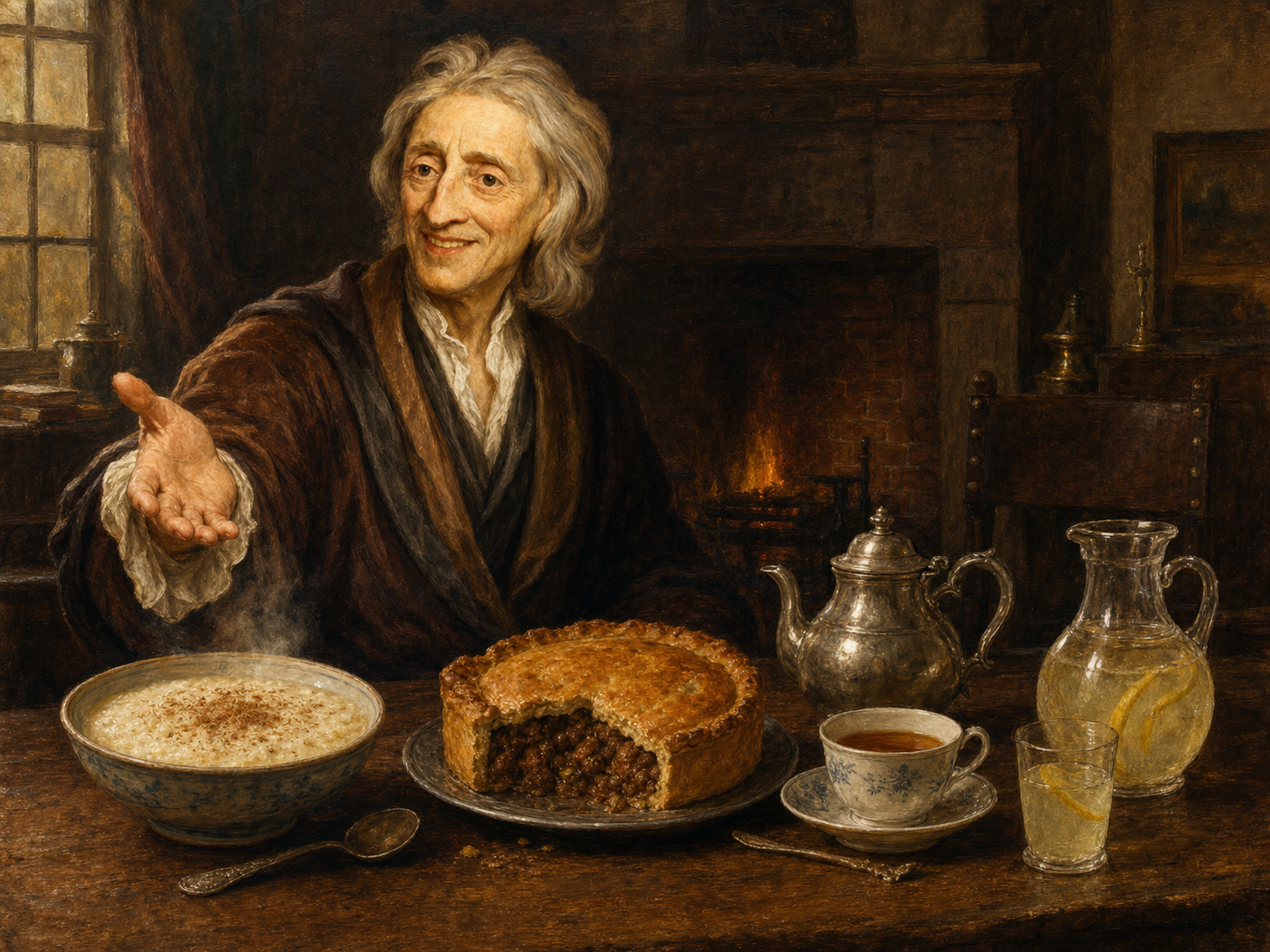
John Locke at the table
1632 — 1704
On the menu
The Studious Gentleman's Service à l'Anglaise
At the 17th-century English table, dishes were not served in succession as in France: all the dishes of a single 'course' arrived together on the tablecloth, and the guests helped themselves. A dinner taken in the middle of the day consisted of a first course (soups, meats, pies) and a second course (more delicate roasts, tarts, dairy), followed by 'banqueting stuffs'—preserved sweets. In the home of a man of fragile health and sober tastes like Locke, excesses were cut back: little fatty meat, light porridges, and those new drinks—tea, barley water—which were as much remedy as pleasure.
Signature : Tea and Medical Moderation
Locke was trained in medicine at Christ Church and treated himself all his life according to his own prescriptions. His cuisine bears the mark of the physician-philosopher: nutmeg and mace are measured like a remedy, barley, milk and mild porridges are favored, and tea—an exotic new beverage—is adopted as much for its supposed virtues as for the fashion among the learned circles of London and Amsterdam.
click to flip back
John Locke at the table
1632 — 1704
5 period recipes
 Everyday
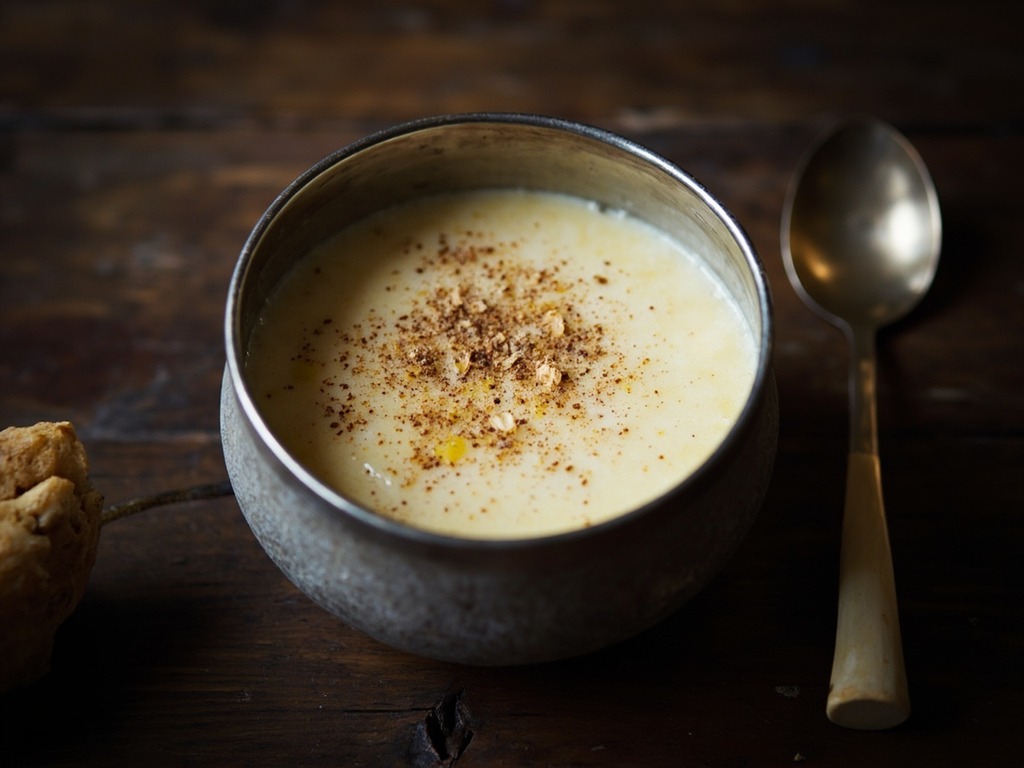
Milk and Oatmeal Pottage with Nutmeg
First course — a light pottage (milk pottage)
🍯 🧂· 25 min
View the recipe
 Festive
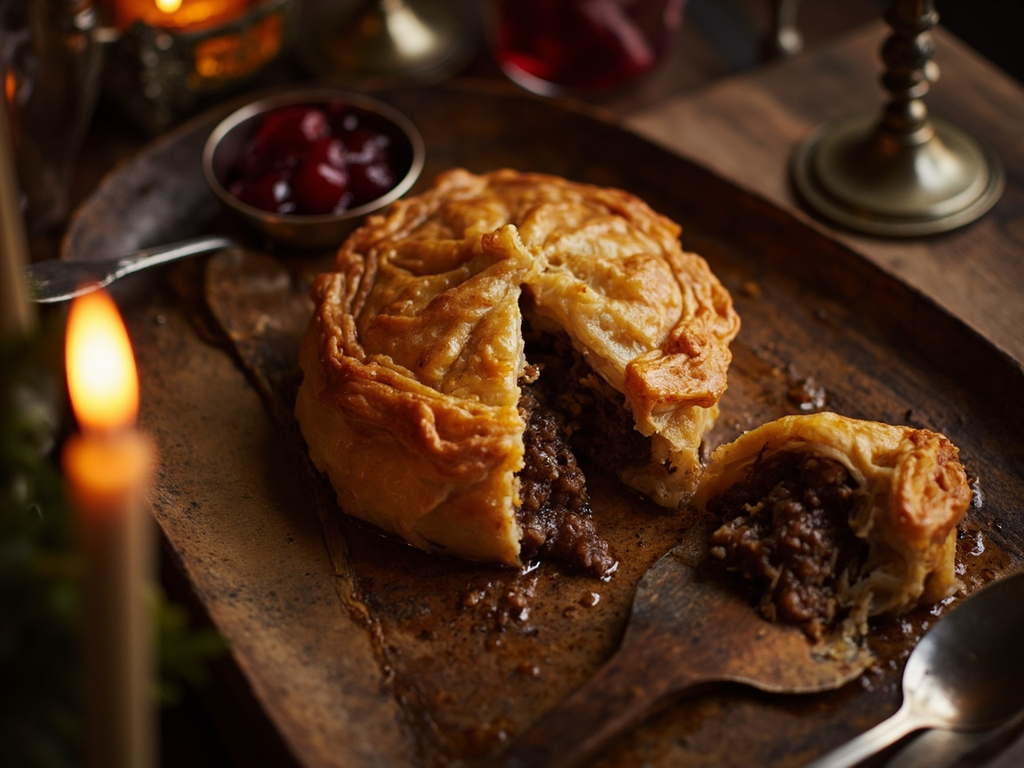
Oates Venison Pasty
First course — a grand meat pie (venison pasty)
🧂 🍄· 2 h 30
View the recipe
 Drink
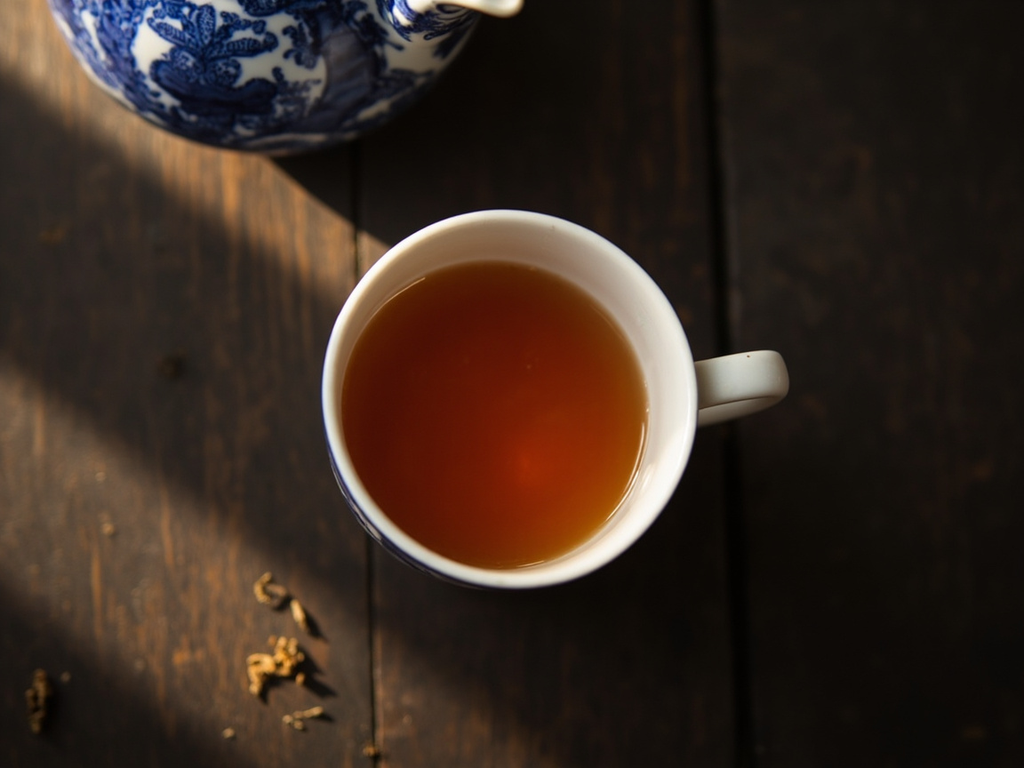
DrinkMr. Locke's Tea
Learned circle beverage (the new China drink)
☕· 5 min
View the recipe
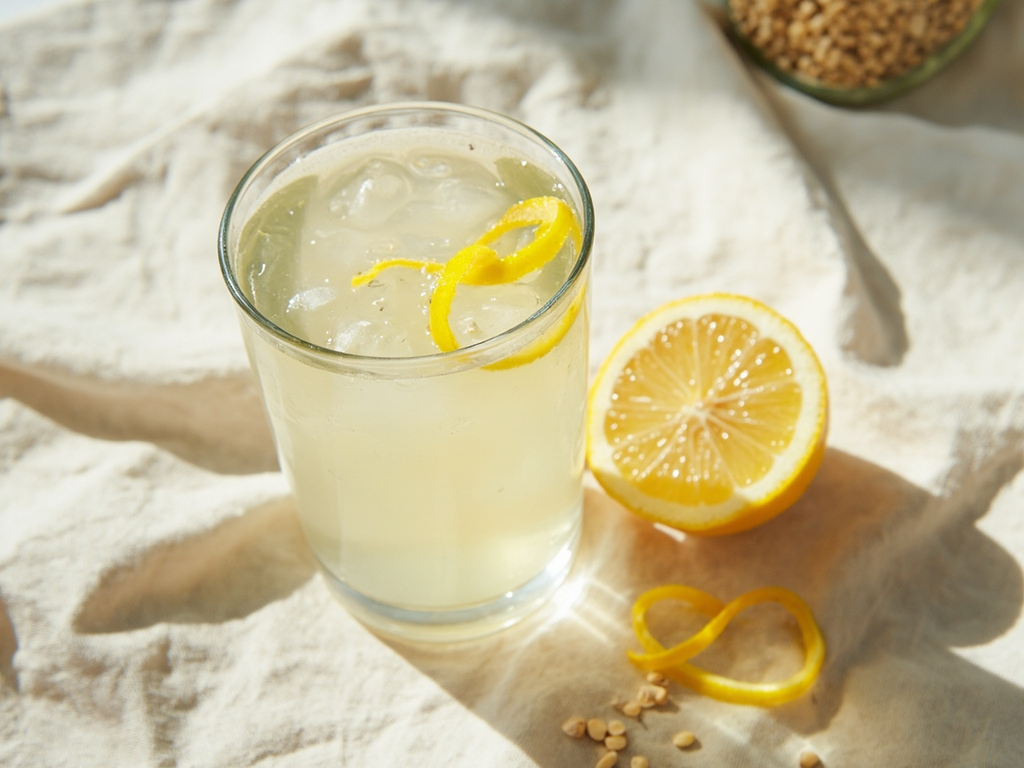 Remedy
Barley Water with Lemon
Table remedy (medicinal barley water)
🍋 🍯· 40 min
View the recipe
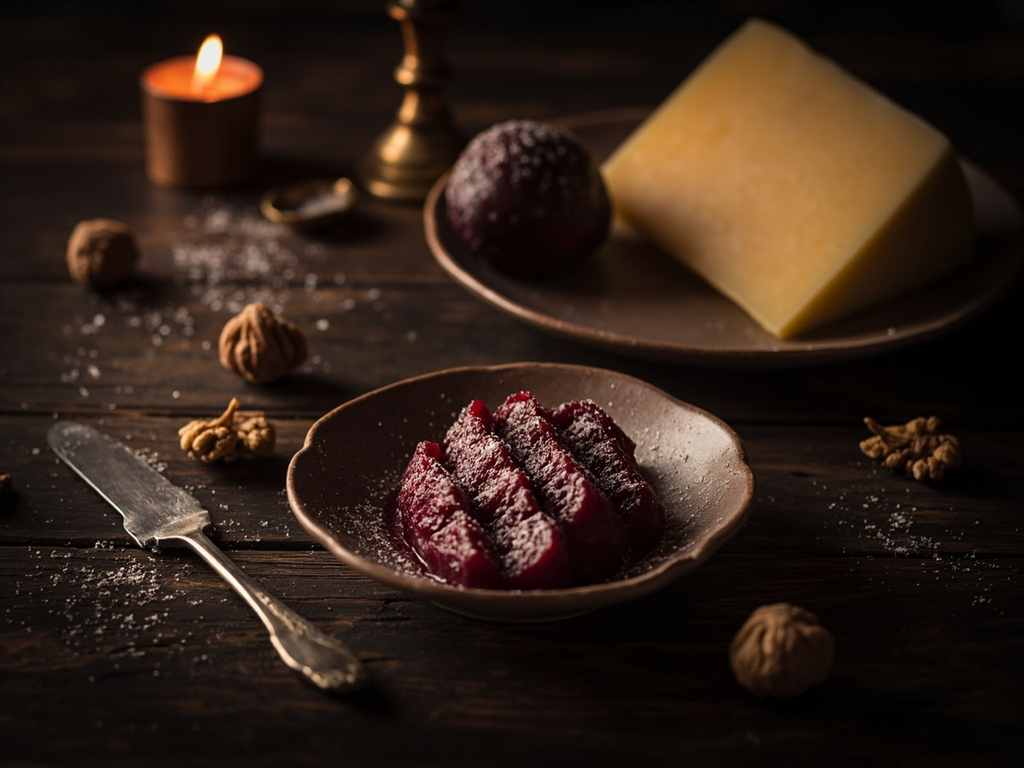 Preserving
Keeping Quince Marmalade
Banqueting stuff — preserved sweet (sweetmeat)
🍯 🍋· 1 h 30 (+ drying)
View the recipe