 flip
flipOates Venison Pasty
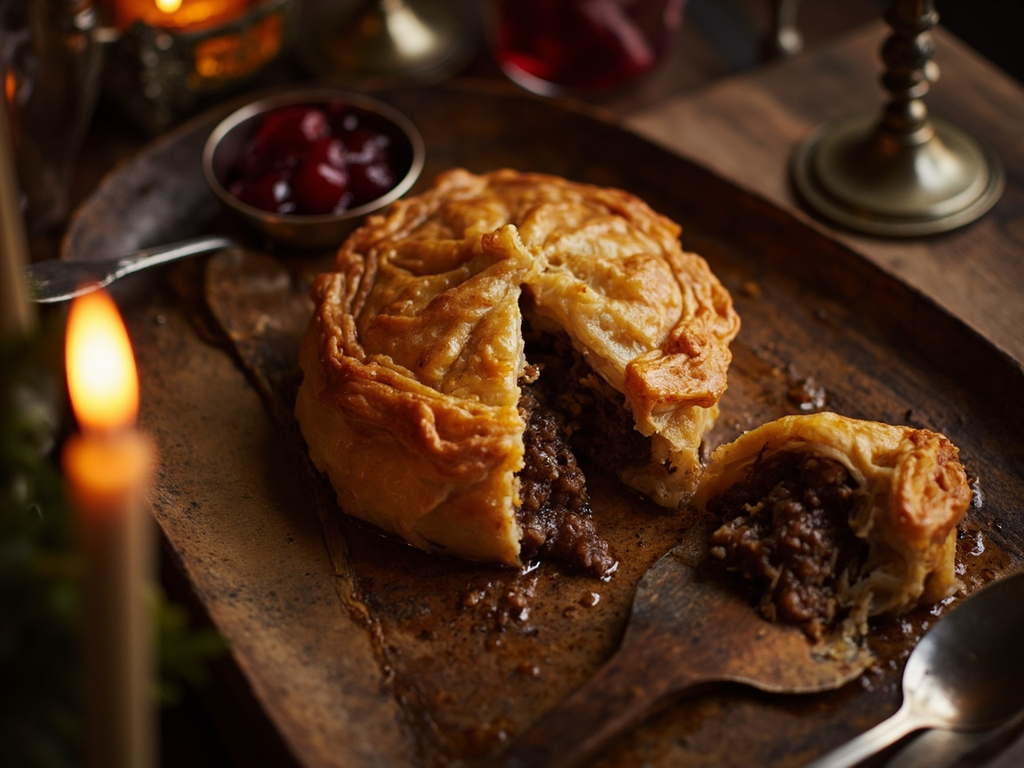
Oates Venison Pasty
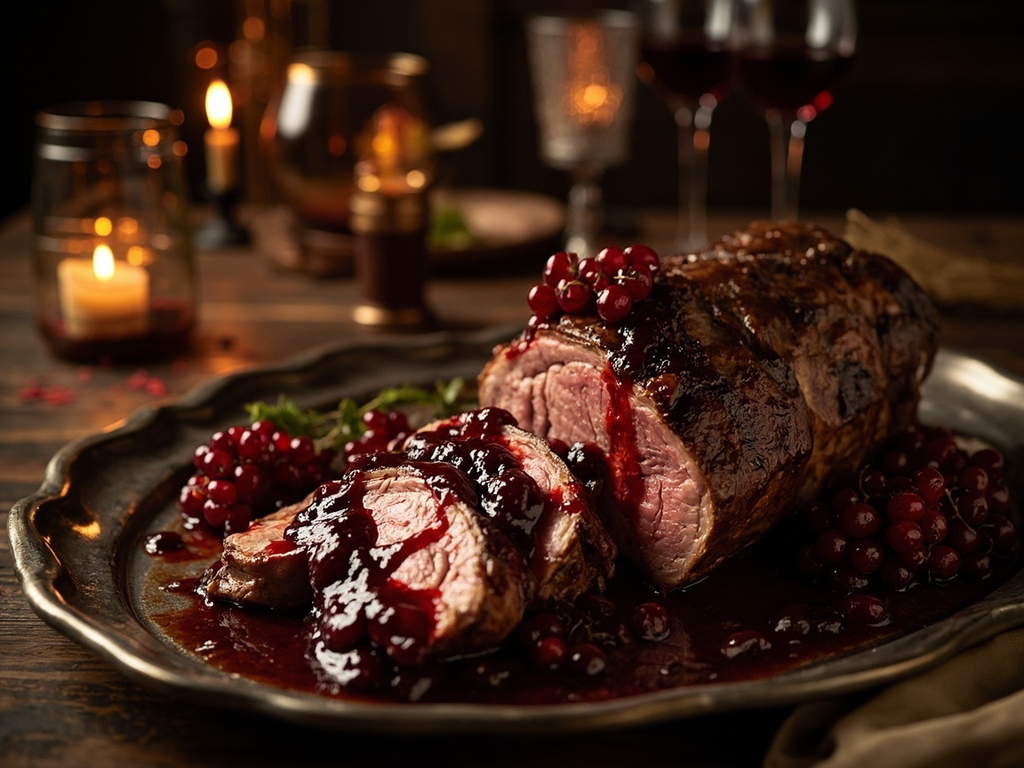
Why this dish? Locke spent his last years at Oates in Essex, as a guest of the Mashams. In an English country house, the venison pasty—deer from the lordly parks—was the dish of honour for large gatherings, shared when learned visitors came to discuss philosophy by the fire.
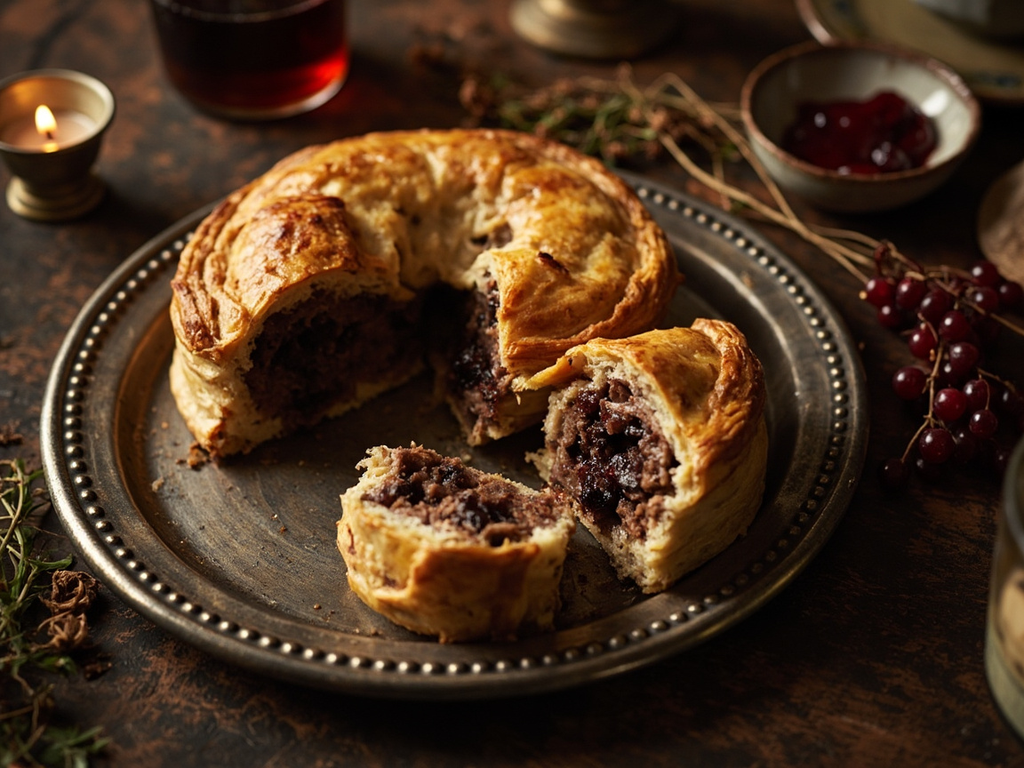
A golden, hearty crust enclosing tender venison mixed with suet, perfumed with mace, pepper and a little wine. The great festive dish of English manor houses.
When friends come to Oates to debate human understanding, Lady Masham has a fine venison pasty set on the table, and I confess I do it honour, despite my usual sobriety. The deer's flesh, cut and larded with suet, is enclosed in a thick crust that keeps it moist; a little mace, pepper, a dash of claret, and nothing more, for a meat of such nobility needs no disguise. Open the hot crust, and all the scent of the hunt escapes—here is a dish that reconciles the body with the effort of thought.
- •Venison (roe or fallow deer) — a fine piece of haunch (noble meat)
- •Beef suet — a few ounces (cooking fat and tenderness)
- •Mace and pepper — to taste (spices)
- •Claret (light red wine) — a glass (moisture and flavour)
- •Pastry of flour, water and lard (coffin) — enough to enclose (thick crust)
- •Salt — to taste (seasoning)
Oates Venison Pasty
A golden, hearty crust enclosing tender venison mixed with suet, perfumed with mace, pepper and a little wine. The great festive dish of English manor houses.
Why this dish? Locke spent his last years at Oates in Essex, as a guest of the Mashams. In an English country house, the venison pasty—deer from the lordly parks—was the dish of honour for large gatherings, shared when learned visitors came to discuss philosophy by the fire.
When friends come to Oates to debate human understanding, Lady Masham has a fine venison pasty set on the table, and I confess I do it honour, despite my usual sobriety. The deer's flesh, cut and larded with suet, is enclosed in a thick crust that keeps it moist; a little mace, pepper, a dash of claret, and nothing more, for a meat of such nobility needs no disguise. Open the hot crust, and all the scent of the hunt escapes—here is a dish that reconciles the body with the effort of thought.
Ingredients (period version)
- Venison (roe or fallow deer) — a fine piece of haunch (noble meat)
- Beef suet — a few ounces (cooking fat and tenderness)
- Mace and pepper — to taste (spices)
- Claret (light red wine) — a glass (moisture and flavour)
- Pastry of flour, water and lard (coffin) — enough to enclose (thick crust)
- Salt — to taste (seasoning)
Ingredients
- Boneless shoulder or haunch of venison — 700 g (meat)
- Beef fat or smoked streaky bacon, chopped — 100 g (tenderness)
- Ground mace (or nutmeg) — 1/2 tsp (spice)
- Black pepper — 1/2 tsp (spice)
- Light red wine — 100 ml (flavour)
- Rich shortcrust pastry (or pie pastry) — 500 g (crust)
- Salt — 1 tsp (seasoning)
- 1 egg yolk — 1 (glaze)
Method
- Cut the venison into large cubes, mix with the fat, salt, pepper, mace and wine; marinate for 1 hour.
- Line a mould with two-thirds of the pastry, fill with the pressed marinated meat.
- Cover with the remaining pastry, seal the edges, cut a steam vent, glaze with egg yolk.
- Bake at 180°C for about 1 hour 30 minutes; cover with paper if the crust browns too quickly.
- Rest for 15 minutes before opening: the fragrant juices should stabilise.
How it was made : The venison pasty is an emblem of the English aristocratic table, venison being game reserved for lordly parks and often given as gifts. It was enclosed in a 'coffin', a thick, sturdy crust that served mainly as a cooking and storage vessel, sometimes eaten, sometimes not. Imported spices (mace, pepper) signalled the host's rank.
The contemporary twist : Serve a slice with a spoonful of tart redcurrant jelly and a dab of smoked mustard—the modern echo of the 'sweet and sharp' that so pleased the Tudors and Stuarts.
John Locke · Charactorium