Timurid Dastarkhan
The Central Asian dastarkhan (tablecloth) organizes the meal around dishes placed simultaneously on a cloth spread on the floor or low table. It begins with non (flatbread) and choy (tea), followed by shorba (soup) or palov (pilaf), with shirinlik (sweets, dried fruits) as a constant accompaniment. There is no starter-main-dessert sequence: everything is shared and accessible, reflecting Central Asian hospitality.
Signature : Zira (Samarkand black cumin)
Black cumin (zira) from the Zeravshan Valley has been the signature spice of Samarkand pilaf for centuries. More aromatic and less bitter than common cumin, it perfumes the rice at the precise moment when the mutton fat begins to smoke in the kazan. Khoja Ahrar, master of vast agricultural estates around Samarkand, knew intimately the products of this land.
Khoja Ahrar at the table
1404 — 1490
5 period recipes
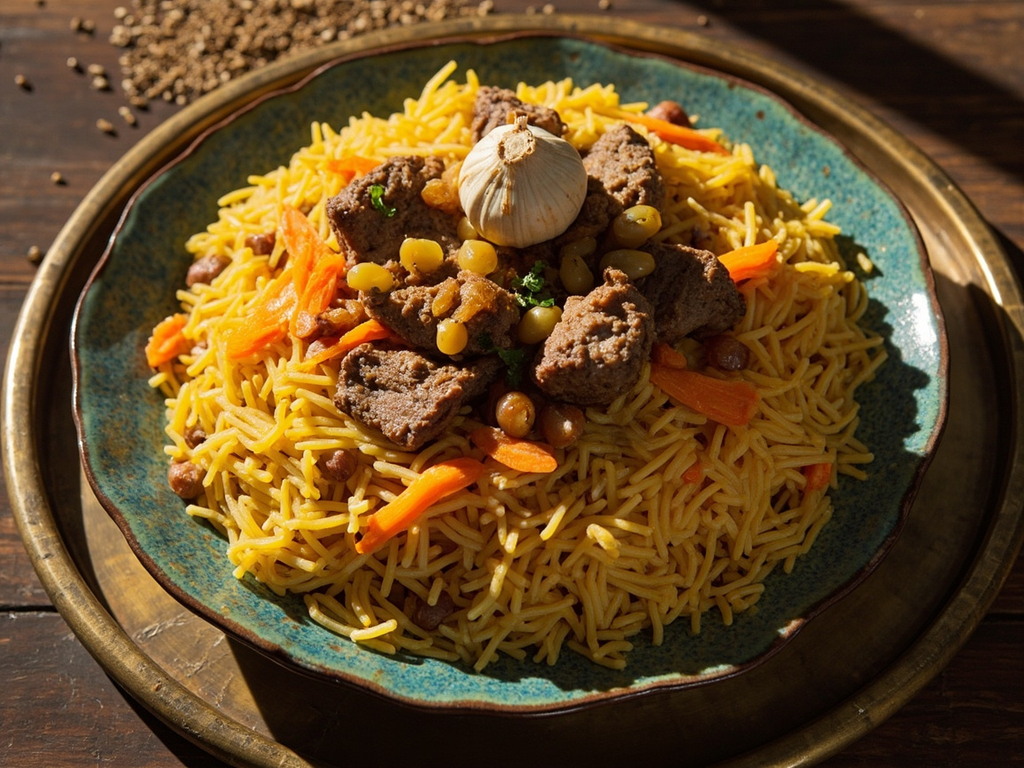 Festive
Samarkand Osh Palov
Palov (festive rice dish)
🧂 🌶️· 1h30
View the recipe
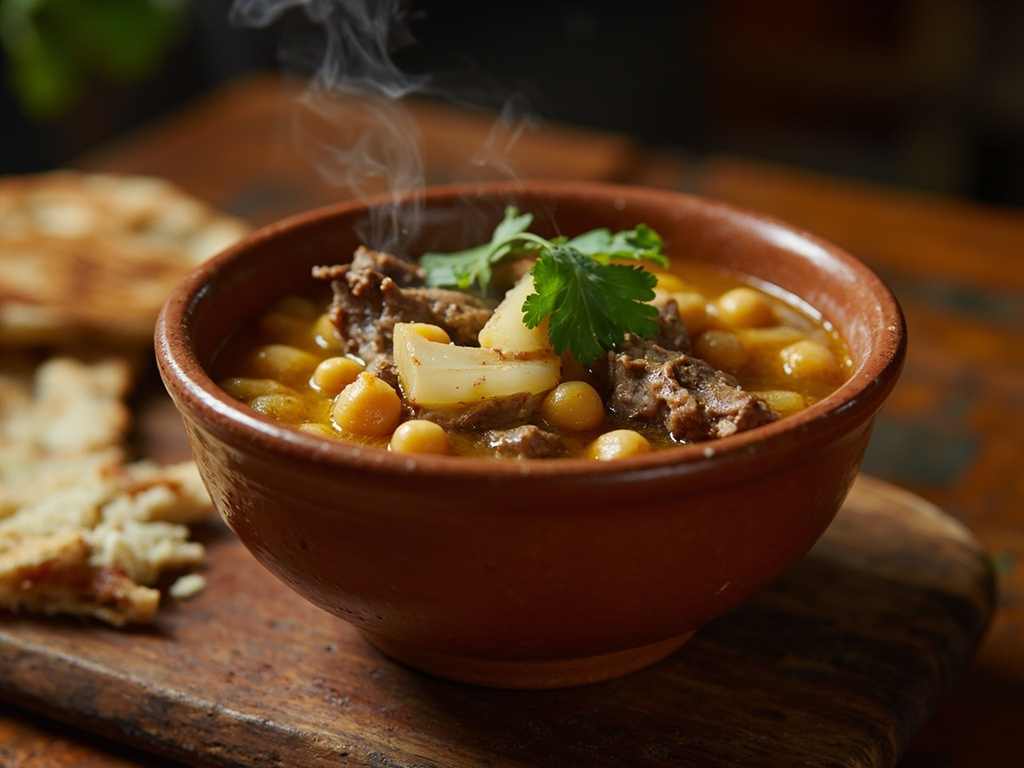 Everyday
Shorba-yi Nakhud
Shorba (hearty soup)
🧂 🍄· 1h15
View the recipe
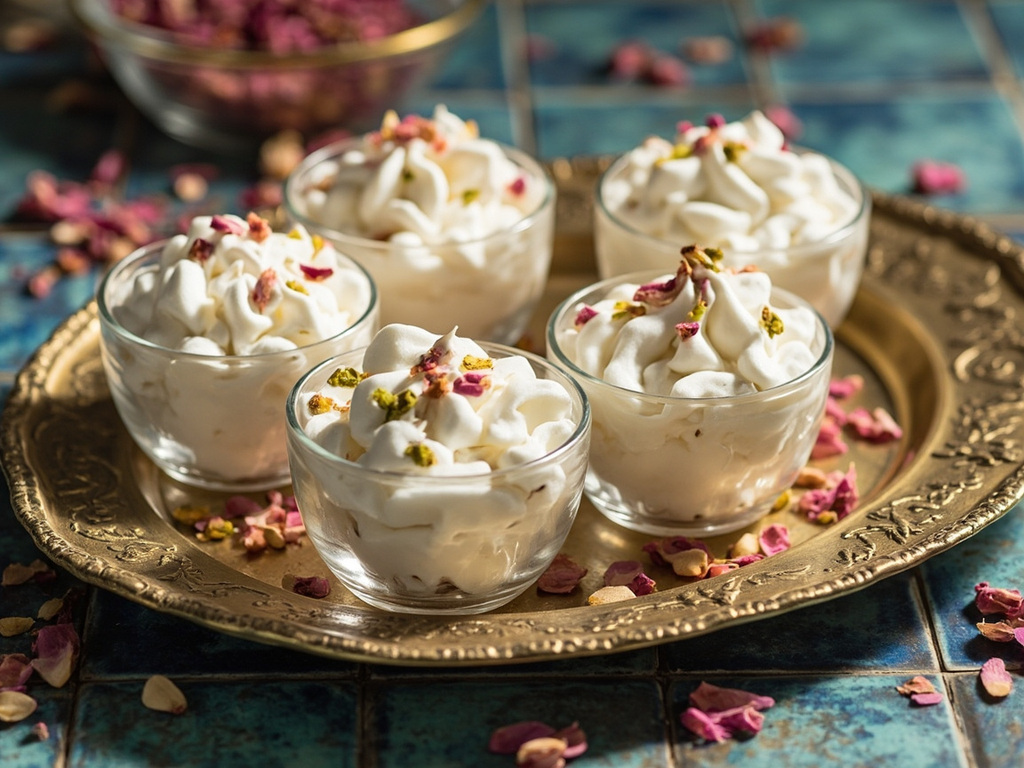 Offering
Nisholda with Almonds and Rose Water
Shirinlik (sharing sweet)
🍯· 30 min
View the recipe
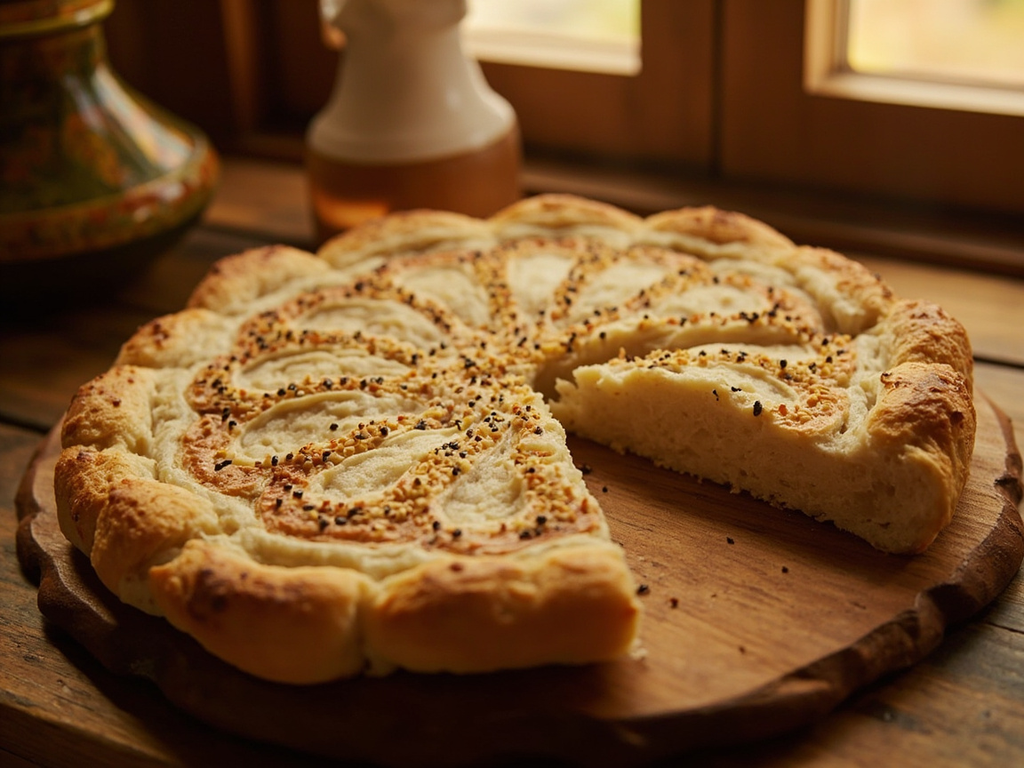 Everyday
Non-i Toki (Pit-Baked Bread)
Non (daily bread)
🧂· 1h30
View the recipe
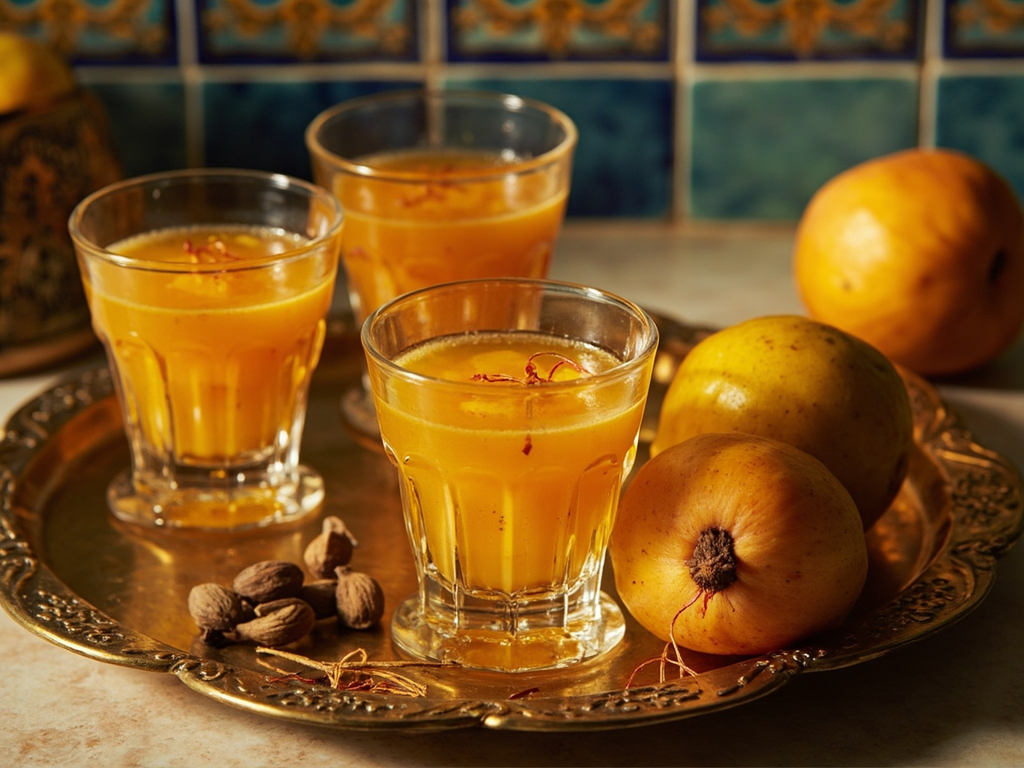 Drink
DrinkSharbat-i Behi (Quince Drink)
Choy va sharbat (beverage)
🍯 🍋· 45 min
View the recipe