 flip
flipSharbat-i Behi (Quince Drink)
Sharbat-i Behi (Quince Drink)
Why this dish? Khoja Ahrar was known for the sobriety of his meals but also for his generosity to guests. Sharbats (sweet fruit drinks) were the honorific refreshments offered to visitors in Timurid Central Asia. Quince (behi), abundant in the orchards of Samarkand and Herat, was prized for its medicinal virtues in the Unani tradition that Sufis knew well.
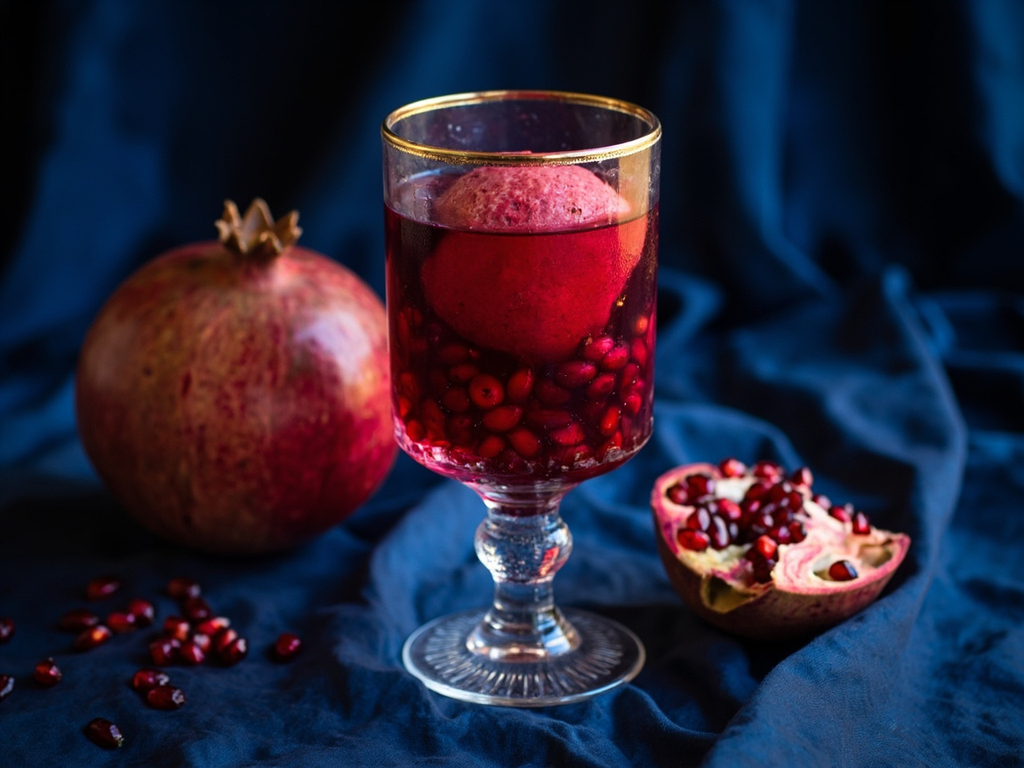
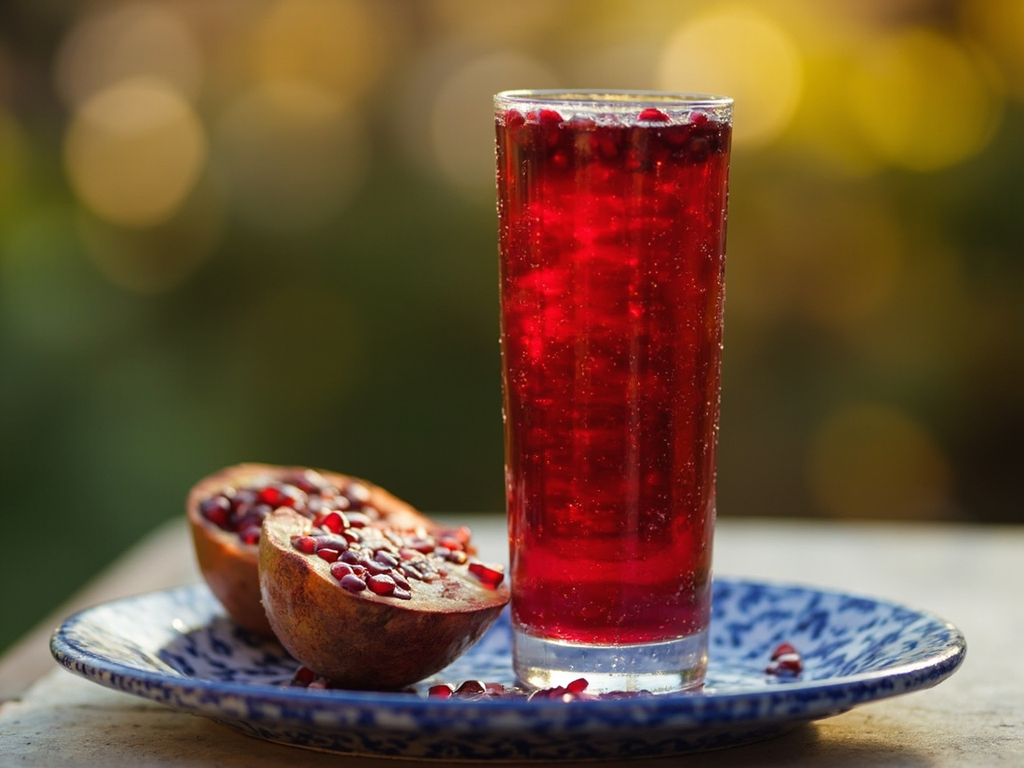
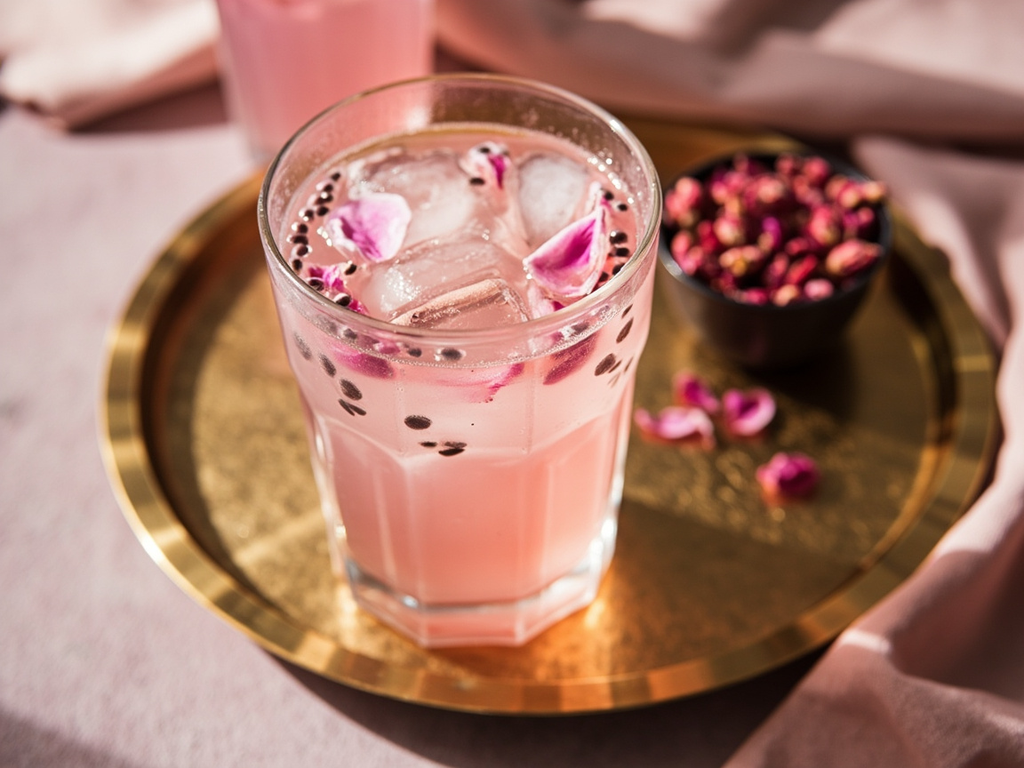
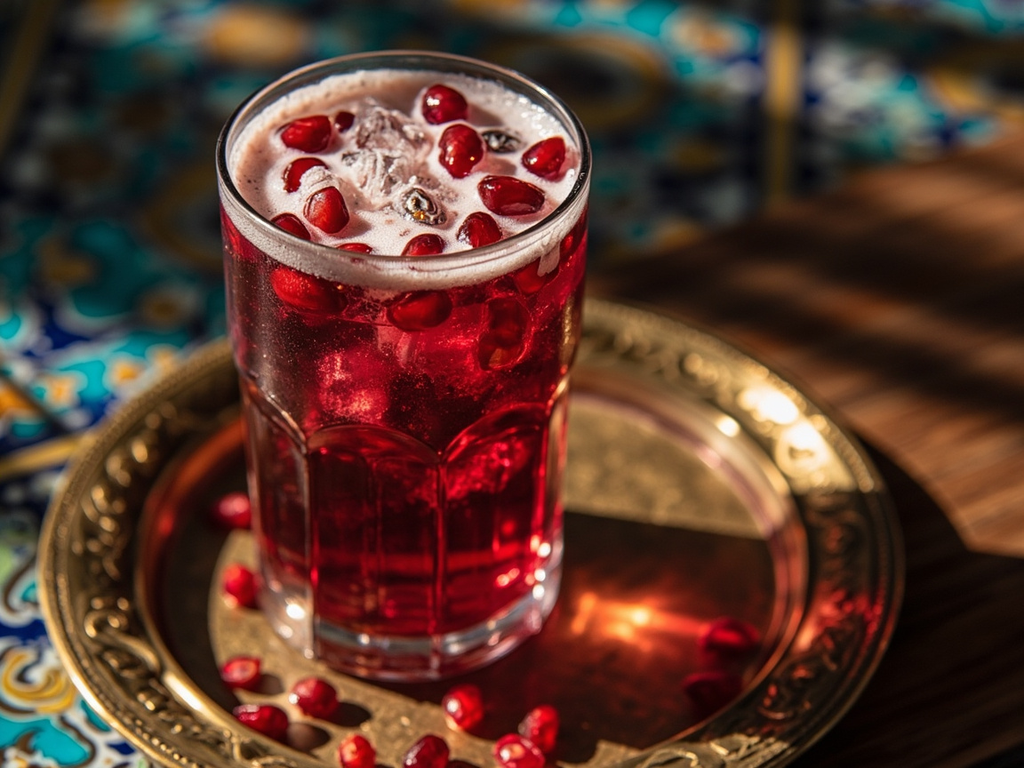
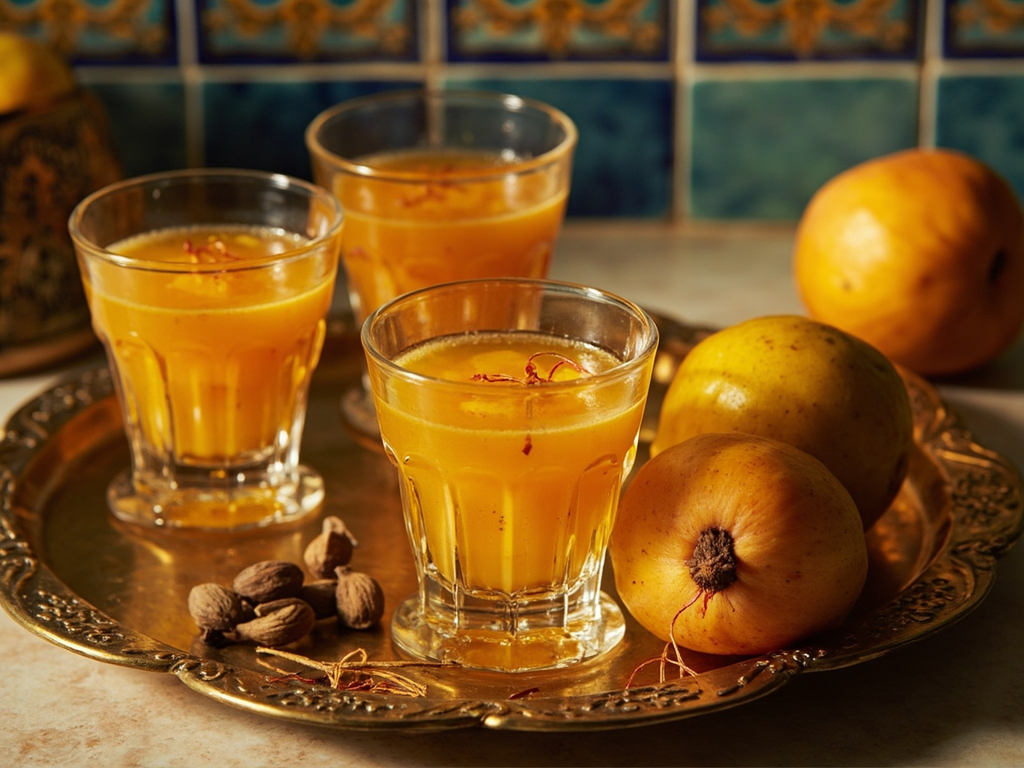
A clear, fragrant drink made from quinces poached in a light syrup with cardamom and a hint of saffron. Served chilled in small cups, it is a beverage of hospitality that combines fruity sweetness with subtle spicy notes.
When a traveler arrives from Herat or Bukhara, weary and covered with the dust of the road, I first offer him this sharbat before even asking about his journey. The quince from our gardens, gently cooked with a little honey and hel — that cardamom that merchants bring from India — soothes body and spirit. The saffron I melt into it is that which Khwaja Bahauddin — may God sanctify his secret — recommended to strengthen the heart. Drink slowly, friend, for haste is of the devil.
- •Ripe quinces — two or three (Main fruit)
- •Honey or sugar — according to desired sweetness (Sweetener)
- •Green cardamom — a few pods (Spice)
- •Saffron — a few strands (Color and aroma)
- •Spring water — abundant (Liquid base)
Sharbat-i Behi (Quince Drink)
A clear, fragrant drink made from quinces poached in a light syrup with cardamom and a hint of saffron. Served chilled in small cups, it is a beverage of hospitality that combines fruity sweetness with subtle spicy notes.
Why this dish? Khoja Ahrar was known for the sobriety of his meals but also for his generosity to guests. Sharbats (sweet fruit drinks) were the honorific refreshments offered to visitors in Timurid Central Asia. Quince (behi), abundant in the orchards of Samarkand and Herat, was prized for its medicinal virtues in the Unani tradition that Sufis knew well.
When a traveler arrives from Herat or Bukhara, weary and covered with the dust of the road, I first offer him this sharbat before even asking about his journey. The quince from our gardens, gently cooked with a little honey and hel — that cardamom that merchants bring from India — soothes body and spirit. The saffron I melt into it is that which Khwaja Bahauddin — may God sanctify his secret — recommended to strengthen the heart. Drink slowly, friend, for haste is of the devil.
Ingredients (period version)
- Ripe quinces — two or three (Main fruit)
- Honey or sugar — according to desired sweetness (Sweetener)
- Green cardamom — a few pods (Spice)
- Saffron — a few strands (Color and aroma)
- Spring water — abundant (Liquid base)
Ingredients
- Quinces — 2 medium (about 500 g) (Main fruit)
- Sugar — 100 g (Syrup)
- Water — 1 liter (Liquid base)
- Green cardamom — 4 pods, crushed (Spice)
- Saffron threads — a pinch (0.1 g) (Color and aroma)
- Lemon juice — 1 tablespoon (Acidity)
Method
- Peel the quinces, cut into quarters, and remove the cores. Slice into thin pieces.
- In a saucepan, bring the water to a boil with the sugar, crushed cardamom pods, and saffron. Stir until the sugar dissolves.
- Add the quince slices and poach over low heat for 25 to 30 minutes, until tender and translucent.
- Remove from heat and let steep covered until completely cool.
- Strain the liquid through a fine sieve. Gently press the fruit to extract the juice. Add the lemon juice.
- Refrigerate for at least 2 hours. Serve well chilled in small glasses, optionally with a thin slice of poached quince as decoration.
How it was made : Sharbats (from Persian sharba, 'drink') were the court and hospitality beverages of the Persian and Timurid world. They precede European sorbets, which derive from them, by several centuries. Quince (behi) was one of the most cultivated fruits in Transoxiana, and Unani (Greco-Arabic) medicine attributed digestive and cardiotonic properties to it. Saffron, imported from Khorasan, marked the host's prestige.
The contemporary twist : Serve the sharbat in small Uzbek tea cups (piala) set on a golden saucer, with a cinnamon stick as a decorative stirrer.
Sources : Claudia Roden, The New Book of Middle Eastern Food, Penguin, 2000 · Bert Fragner, "From the Caucasus to the Roof of the World: A Culinary Adventure", in Sami Zubaida and Richard Tapper (eds.), A Taste of Thyme, I.B. Tauris, 2000
Khoja Ahrar · Charactorium