 Flip the card
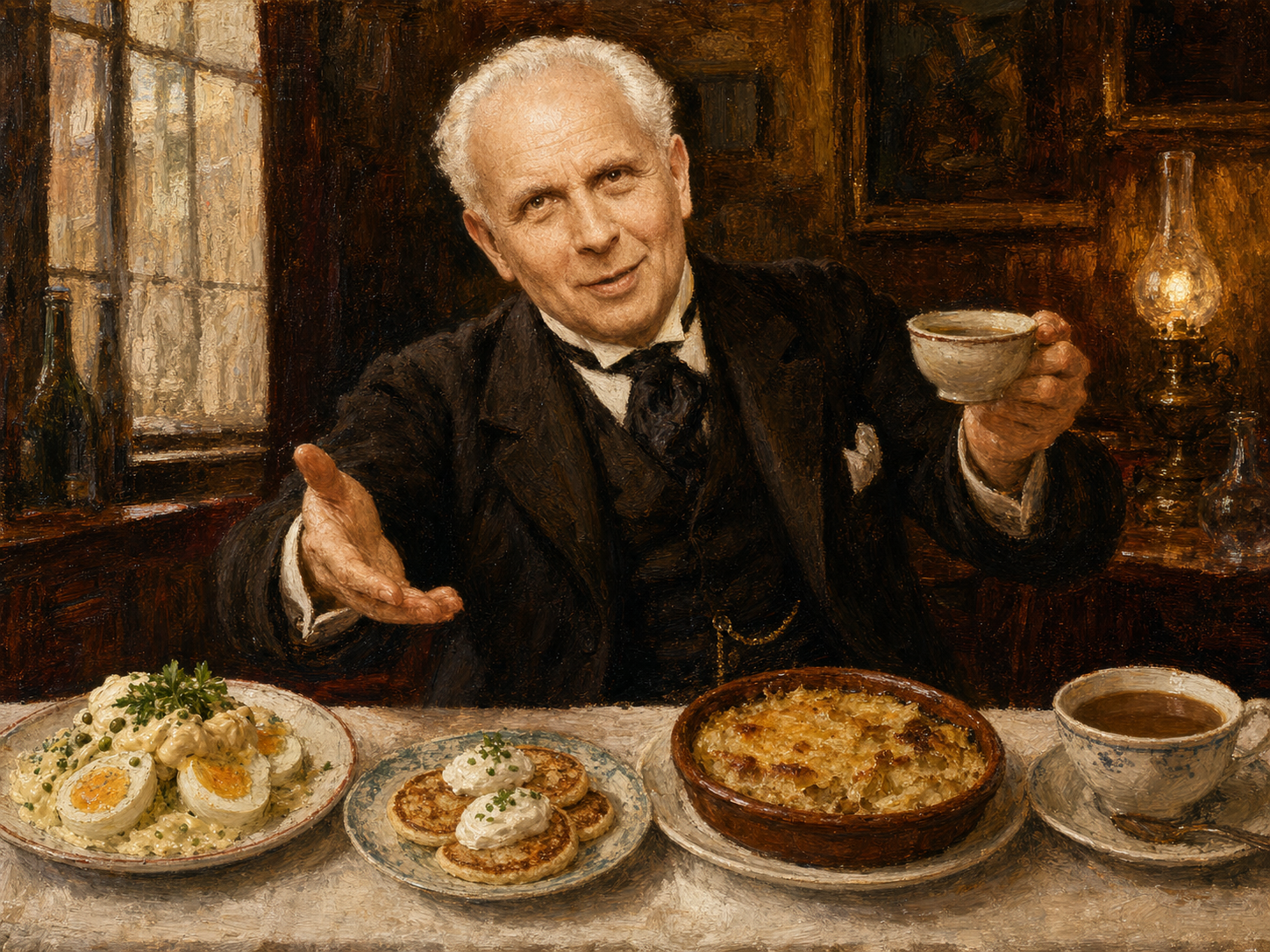
Louis Aragon at the table
1897 — 1982
On the menu
The French Meal and the Art of Making Do
The 20th-century French meal unfolds in a convivial sequence around a tablecloth: an apéritif (a glass of red wine, some eggs or olives), one or two shared dishes, cheese, then a sweet treat and coffee with a digestif. But Aragon's table is also that of the Occupation: ration tickets, substitutes, and making do. It combines the ritual of the Parisian bistro, the Russian flavors brought by Elsa Triolet, and the art of pulling a meal out of almost nothing in the Free Zone.
Signature : Making Do (Système D)
During the Occupation, French cuisine reinvented itself: coffee was replaced by roasted chicory, white bread by brown bread, and forgotten vegetables like Jerusalem artichokes and rutabagas were brought back. The signature of this table is the art of elegant scarcity — doing a lot with very little, without ever renouncing shared pleasure or a glass of red wine among friends.
click to flip back
Louis Aragon at the table
1897 — 1982
5 period recipes
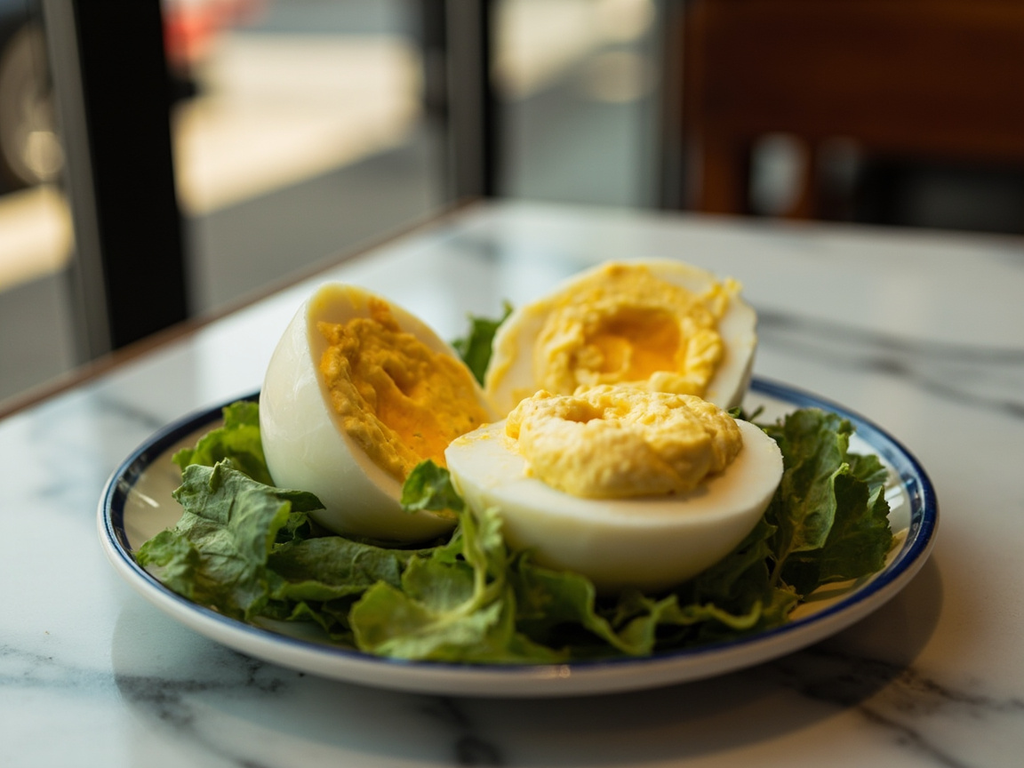 Everyday
Bistro Mayonnaise Eggs
The counter snack (the meal starter, what you nibble at the zinc before the serious stuff)
🧂 🍄 🍋· 20 min
View the recipe
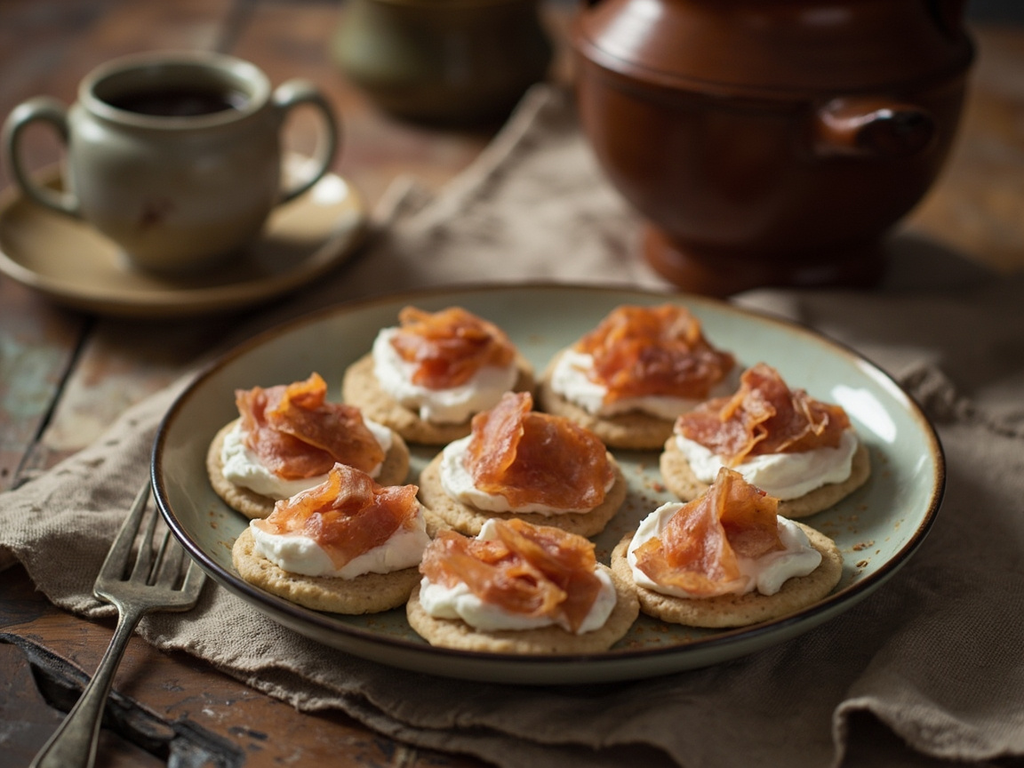 Festive
Elsa-Style Cream Blinis
The zakouski (the table of Russian appetizers shared before tea or the meal, inherited from Elsa Triolet)
🧂 🍄 🍋· 1 h 30
View the recipe
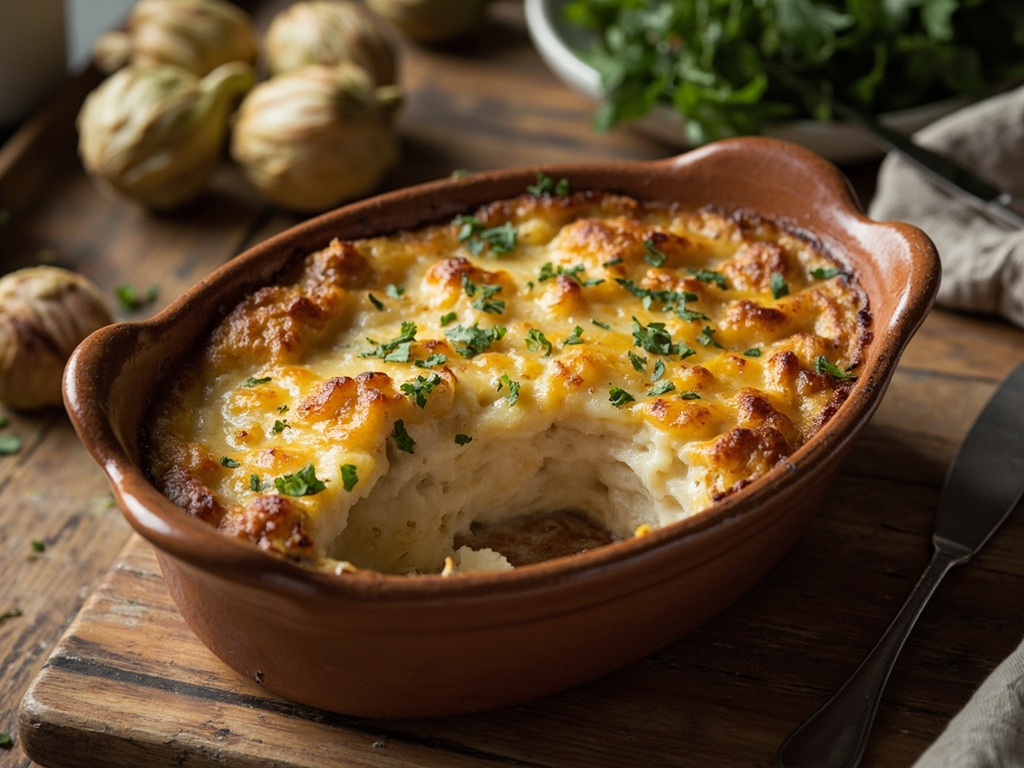 Preserving
Free Zone Jerusalem Artichoke Gratin
The making-do dish (the single, nourishing dish that serves as a meal when ration tickets run short)
🧂 🍄· 50 min
View the recipe
 Drink
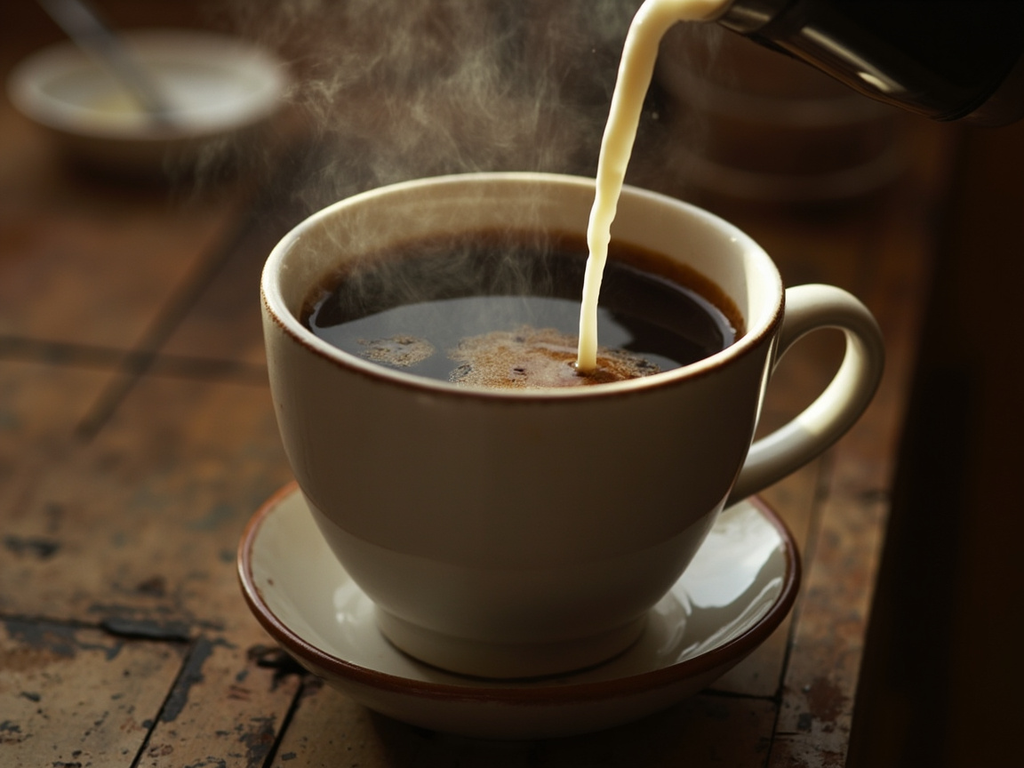
DrinkMorning Chicory
The hot morning drink (the coffee substitute that opened the days of the Occupation)
☕· 5 min
View the recipe
 Remedy
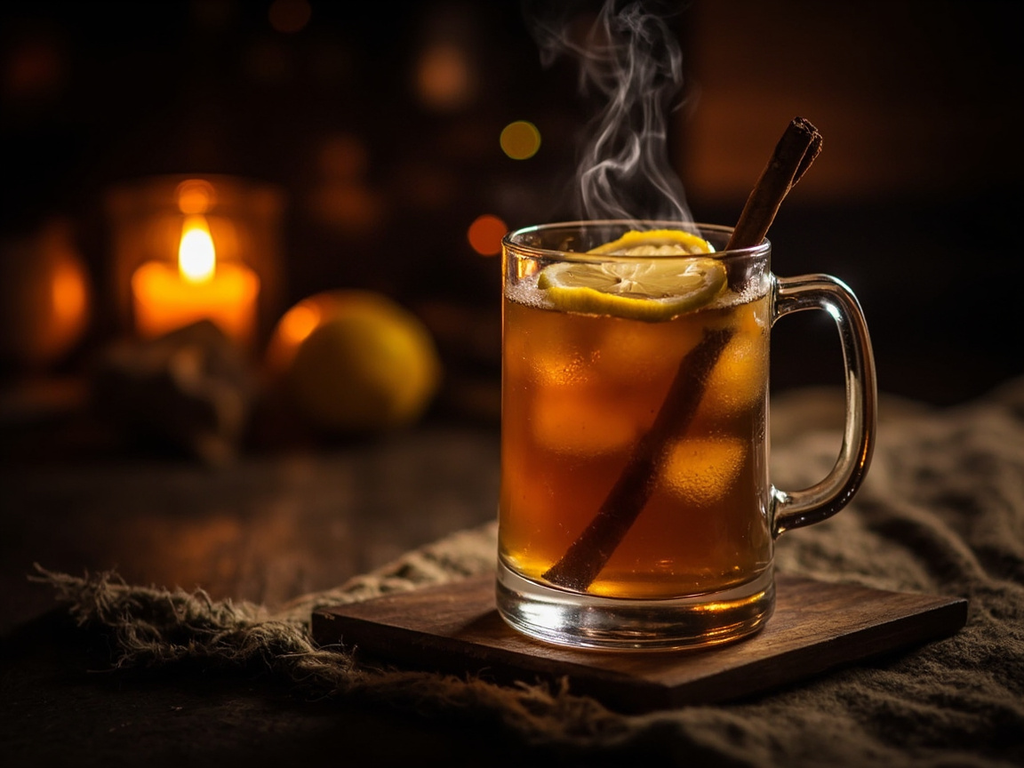
Honey and Lemon Grog for the Vigil
The evening pick-me-up (the comforting hot drink that ends the day and warms cold nights)
🍯 🍋· 5 min
View the recipe