 Flip the card
Nicolas Copernicus at the table
1473 — 1543
On the menu
The Table of a Warmian Canon (la table du chanoine de Warmie)
The meal of a 16th-century Warmian canon follows the rhythm of the ecclesiastical calendar more than that of the seasons. It is built around a base of rye sourdough bread and a supply of salted or marinated Baltic fish, complemented by a cereal porridge (kasza) and legumes. Meat and game are allowed on meat days; the many fast days require fish. On the side, honey and spice sweets brought up from the North Sea by the Hanse, and mead for celebration or warmth. The order is not starter-main-dessert: it is a succession of dishes placed together, from the most nourishing to the most aromatic.
Signature : Honey and Korzenie (Spices of the Hanse)
The marriage of honey from the Prussian forests and Eastern spices — ginger, long pepper, cinnamon, clove — unloaded in Hanseatic ports. This is the sweet-spiced hallmark of Toruń, Copernicus's birthplace, whose gingerbread has been attested since the Middle Ages.
click to flip back
Nicolas Copernicus at the table
1473 — 1543
5 period recipes
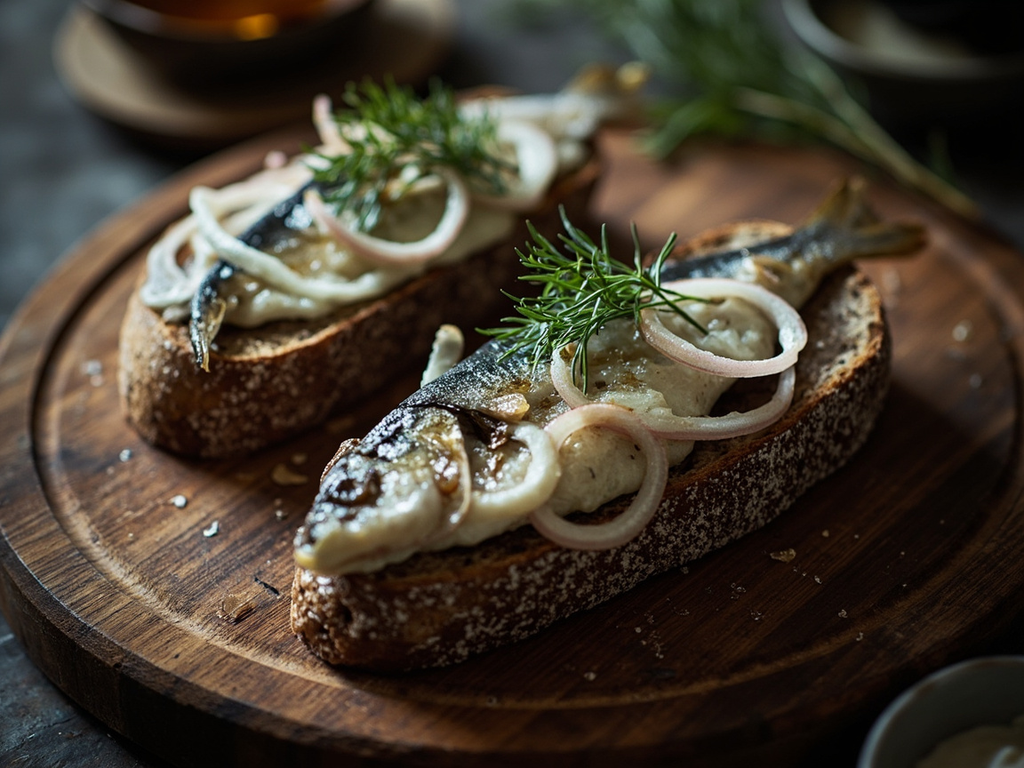 Everyday
Baltic Herring on Rye Sourdough Bread
Posiłek postny — a fast-day meal, the canon's daily staple
🧂 🍄 🫙· 15 min (plus soaking)
View the recipe
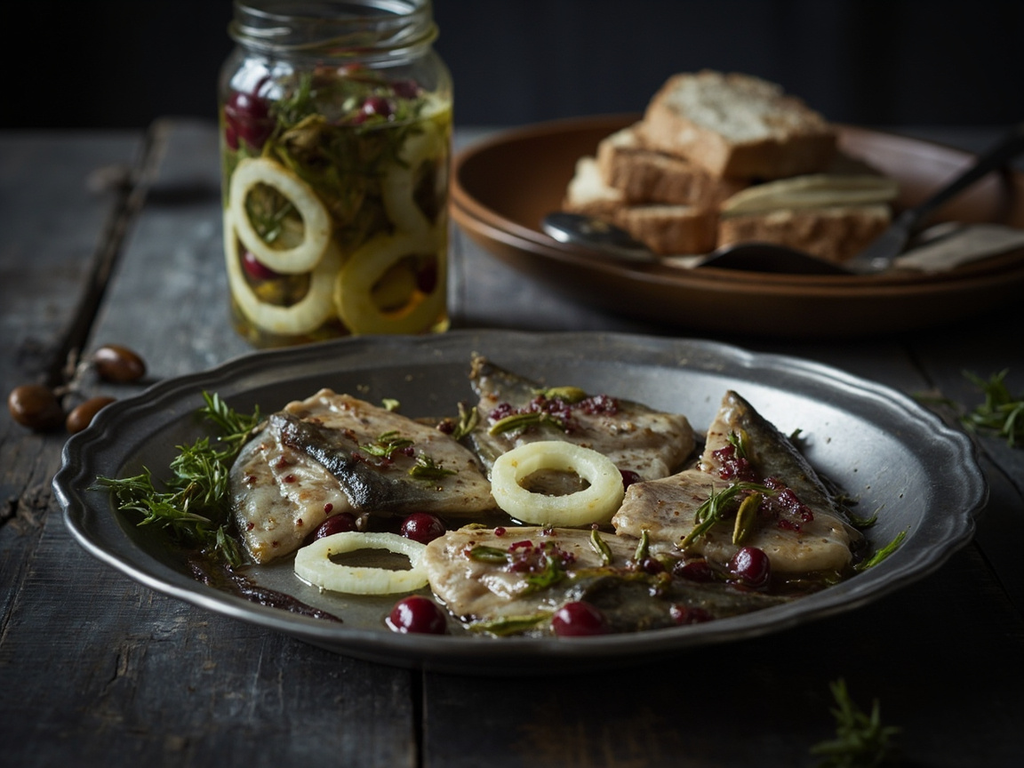 Preserving
Marinated Herring with Juniper Berries and Bay Leaf
Zapasy — stored provisions, fish potted for keeping
🍋 🧂 🫙· 30 min (+ 48 h marinating)
View the recipe
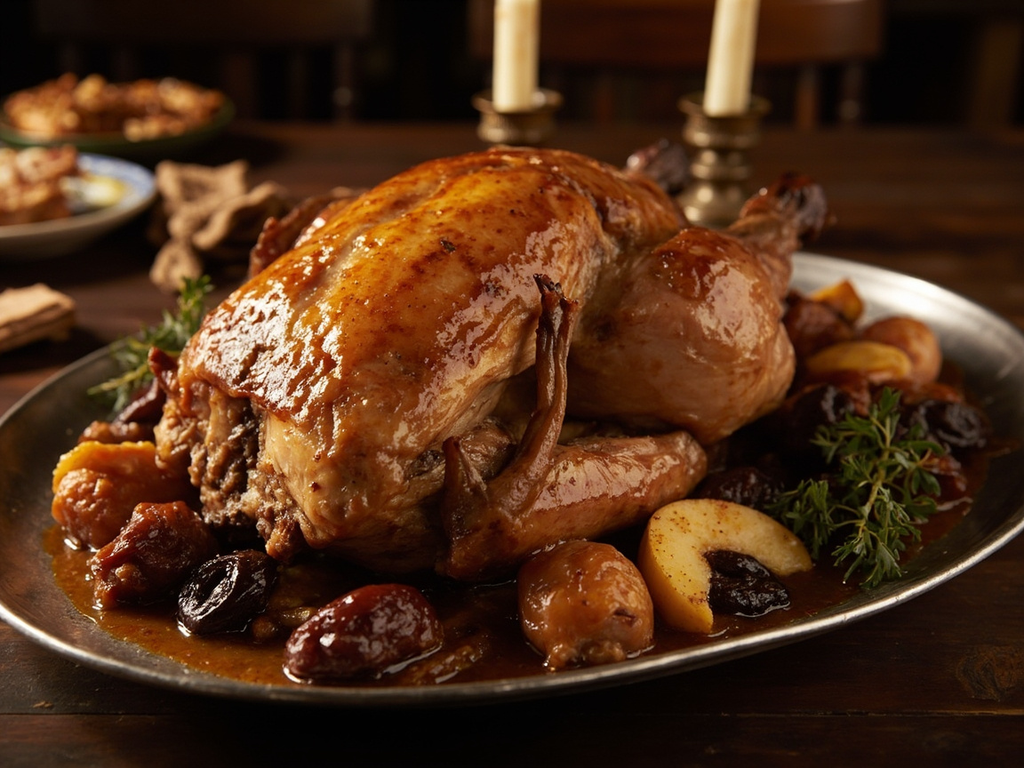 Festive
Roast Goose with Honey, Prunes and Spices
Posiłek mięsny świąteczny — meat dish for meat days and feasts
🧂 🍯 🌶️· 2 h 30
View the recipe
 Drink
Spiced Hot Mead (miód pitny korzenny)
Napój — the table drink, to share by the fire
🍯 🌶️· 20 min
View the recipe
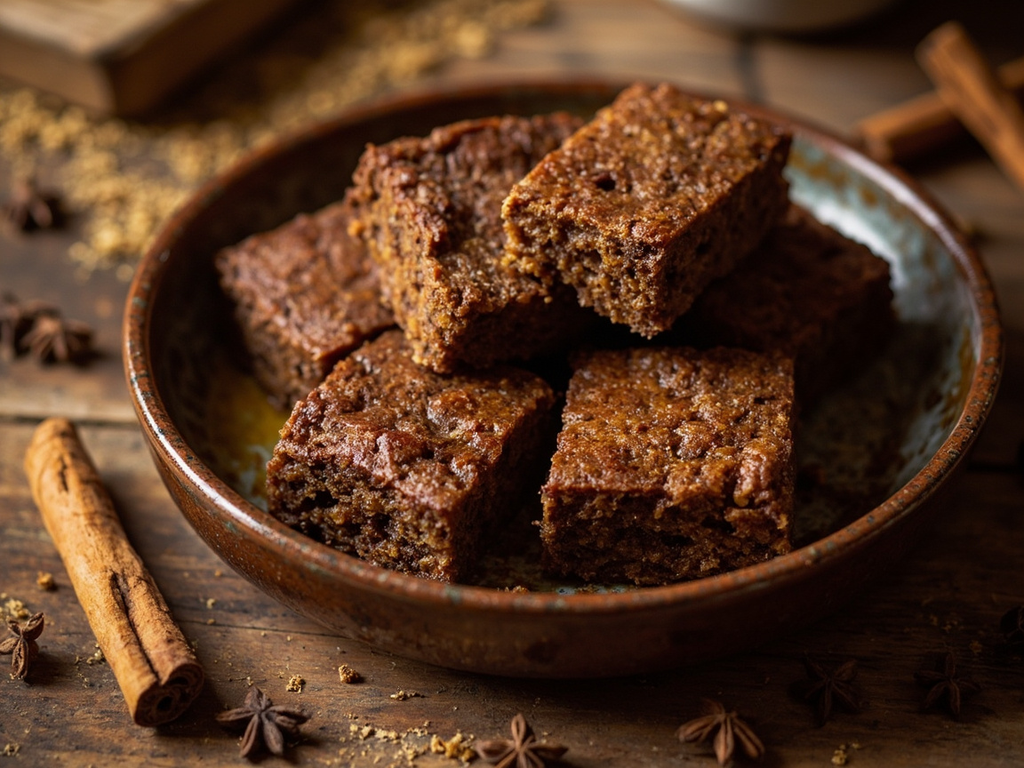 Remedy
Toruń Honey Gingerbread (piernik toruński)
Korzenne — honey and spice confection, a reputedly wholesome treat
🍯 🌶️· 1 h (+ resting recommended)
View the recipe