Obè àti Oúnjẹ — the Yoruba Staple-and-Soup
The Yoruba meal is not divided into starter, main course, and dessert. It is built around a starchy 'staple' that is swallowed without chewing (pounded yam, cereal paste), which is dipped into an obè, a soup-sauce rich in palm oil, ground seeds, and seafood. Around it revolve the offerings (oúnjẹ funfun, white dishes) placed before the orishas and the libations poured onto the ground before the living drink. For Olokun, orisha of the abyss, the sea provides the essentials: fish, shellfish, salt, and water itself becomes sacred matter.
Signature : Epo pupa — red palm oil
Pressed from the fruit of the oil palm, epo pupa colors Yoruba soups a deep red and gives them a fatty, slightly smoky taste. With it come two invisible accomplices: iru (fermented locust bean seeds, powerfully umami) and ede gbígbẹ (dried and ground shrimp or crayfish), which sign almost all savory dishes of the coast. For Olokun, this red evokes the coral of the depths as much as the wealth he bestows.
Olokun at the table
5 period recipes
 Offering
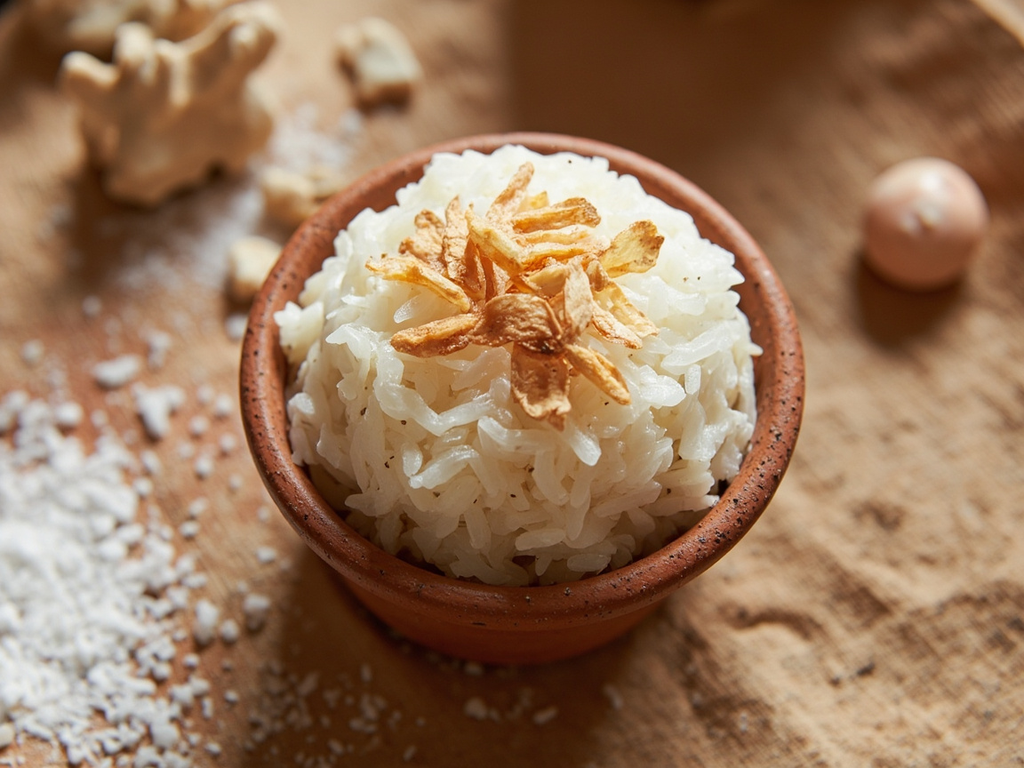
Oúnjẹ funfun — the White Offering of Coconut Rice
Oúnjẹ funfun (white offering dish)
🍯 🧂· 30 min
View the recipe
 Festive
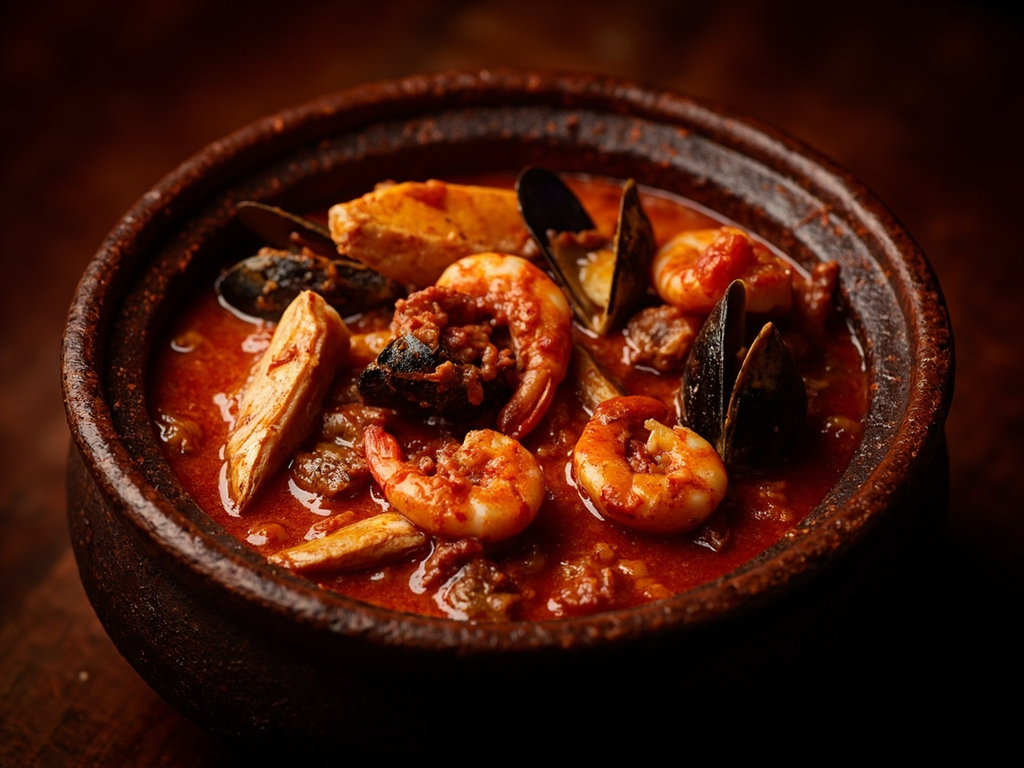
Obè ẹ̀gúsí ẹja — Festive Egusi Stew with Fish and Seafood
Obè (thick soup-sauce of the staple-and-soup)
🍄 🧂 🌶️· 1 h
View the recipe
 Everyday
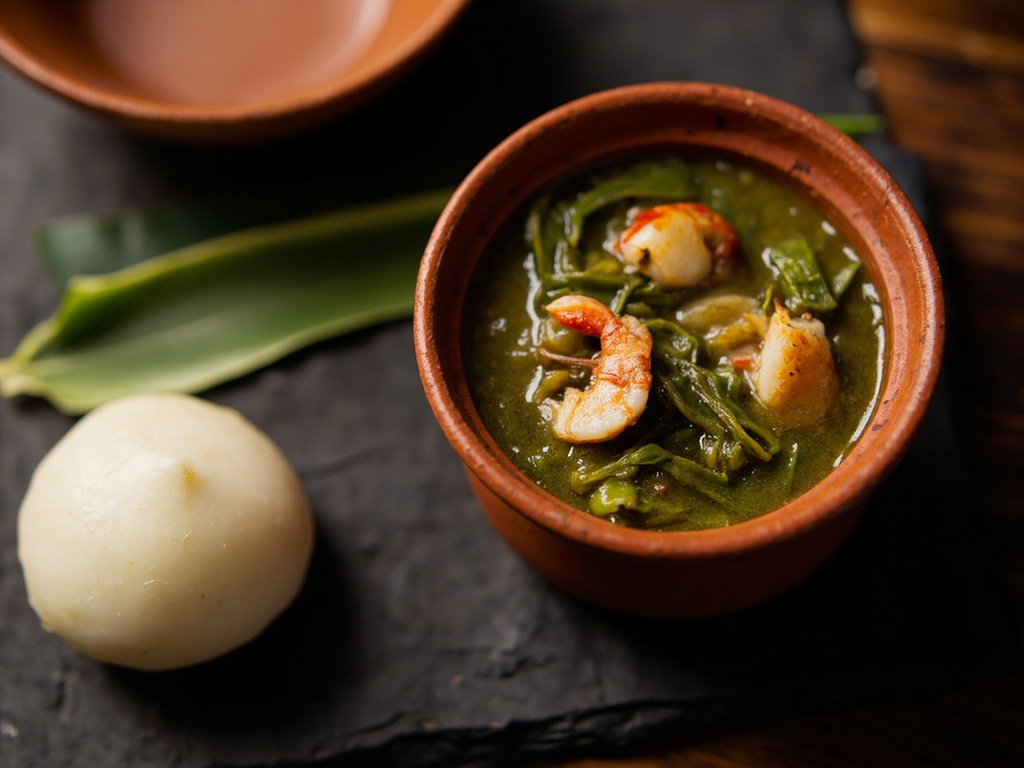
Iyán àti obè ilá — Pounded Yam and Okra Soup with Seafood
Iyán (pounded staple) dipped in obè (soup-sauce)
🍄 🧂· 50 min
View the recipe
 Drink
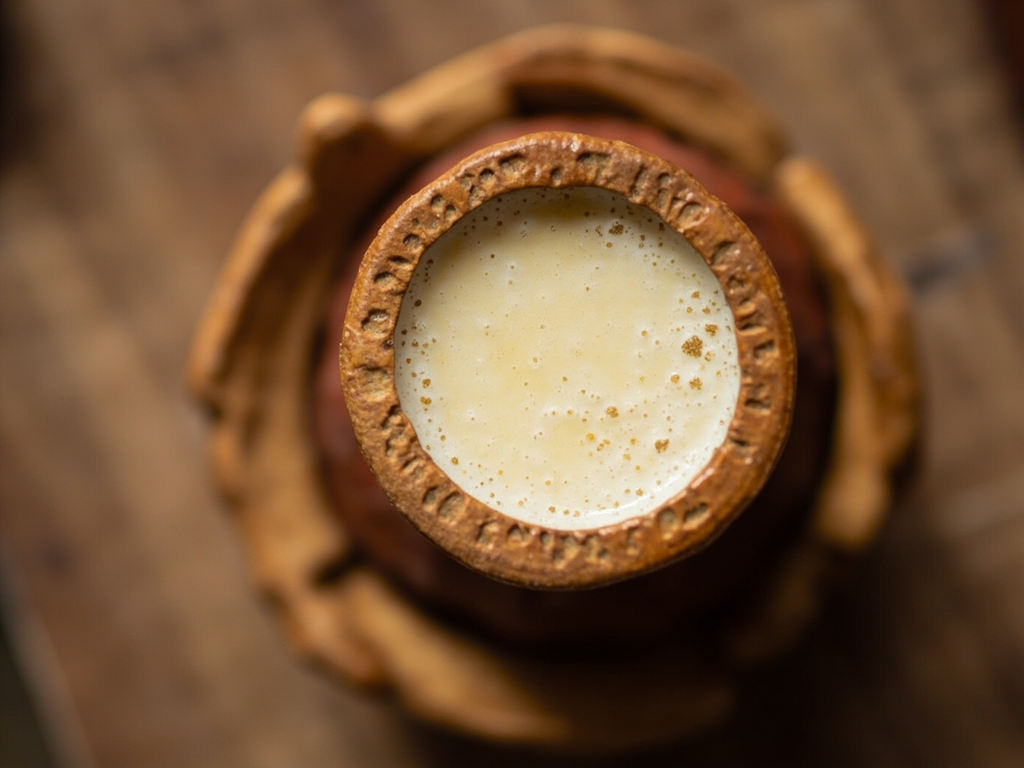
DrinkEmu — Libation Palm Wine
Ọtí ìbọ̀rìṣà (libation drink poured to the orishas)
🍯 🫙 🍋· 10 min
View the recipe
 Preserving
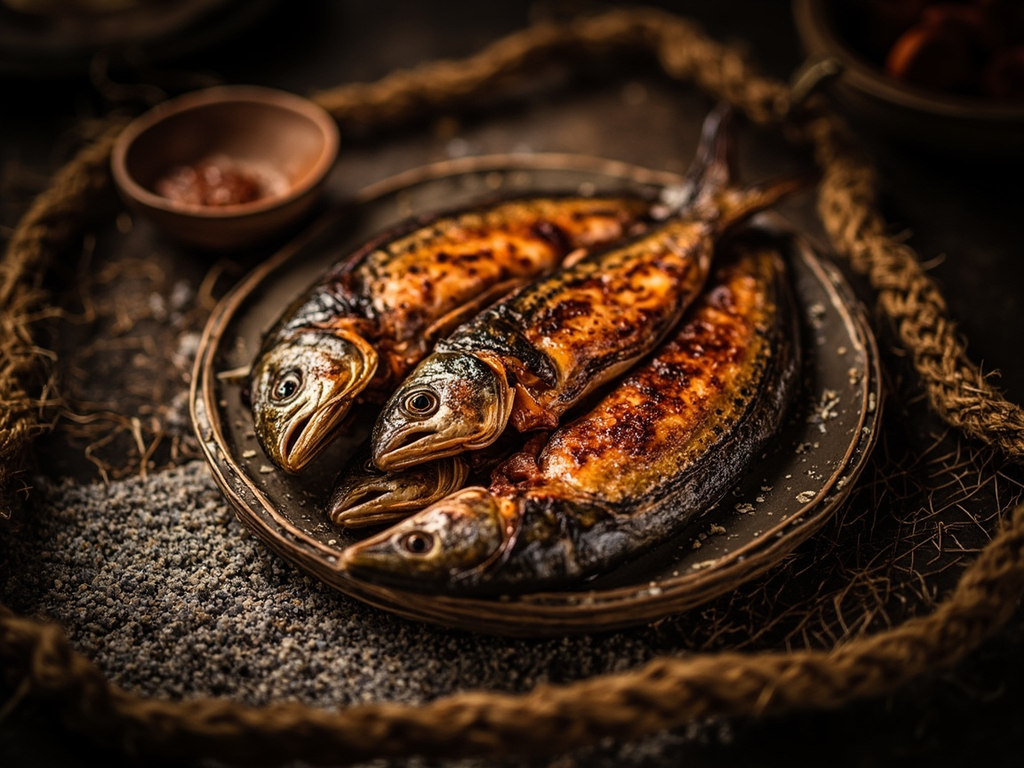
Ẹja yíyan — Smoked and Salted Fish with Sea Salt
Ẹja gbígbẹ (dried fish provision for the season)
🧂 🍄· 2 h 30
View the recipe