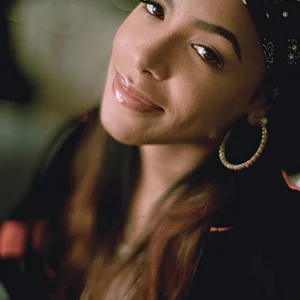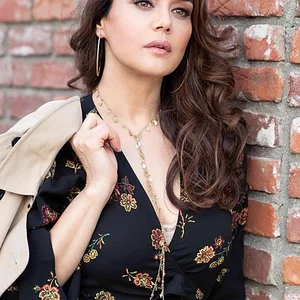

Preity Zinta is an Indian actress born on January 31, 1975, in Shimla. She rose to fame with the film Dil Se (1998) and became one of Bollywood's most popular actresses throughout the 2000s. She is also known for her humanitarian work and international career.
Preity Zinta(1975 — ?)
Preity Zinta
Inde
7 min read
Frequently asked questions
Key Facts
- Born on January 31, 1975, in Shimla, Himachal Pradesh, India
- Film debut in 1998 with Mani Ratnam's Dil Se
- Established as a Bollywood star through Kaho Naa... Pyaar Hai (2000) and Kal Ho Naa Ho (2003)
- Co-founder and co-owner of the IPL cricket team Kings XI Punjab in 2008
- Winner of the Filmfare Award, one of India's most prestigious film honors
Works & Achievements
Preity Zinta's first major role, directed by Mani Ratnam, this film about terrorism and impossible love was selected to represent India at the Oscars and earned her the Filmfare Award for Best Supporting Actress.
A bold film in which Preity Zinta plays a single mother — a taboo subject in India at the time. Her courageous performance earned her critical acclaim and the Filmfare Award for Best Actress.
A cult film of Indian youth directed by Farhan Akhtar, which defined the aesthetic and aspirations of a generation of modern urban young Indians.
A successful Bollywood melodrama set in New York, reflecting the growing trend of stories centered on the Indian diaspora in North America.
An Indo-Pakistani romantic film by Yash Chopra and one of Preity Zinta's biggest commercial successes, exploring the relationship between the two countries through an epic love story.
Personal coordination of relief efforts for tsunami victims in Tamil Nadu, including the rebuilding of a fishing village and direct financial contributions to affected families.
Anecdotes
Preity Zinta made her film debut almost by accident: while studying psychology at Shimla University, she was spotted by director Mani Ratnam, who offered her the role of Manisha in Dil Se (1998). The film, partly shot in the landscapes of Northeast India, earned her immediate recognition despite her lack of experience.
In 2005, Preity Zinta became co-owner of the Kings XI Punjab cricket team in the IPL (Indian Premier League), making her one of the few women to lead a professional sports franchise in India. Her involvement in cricket — a near-religious sport in India — earned her an even broader following among the general public.
Preity Zinta demonstrated remarkable civic courage in 2003 by publicly testifying against underworld kingpin Dawood Ibrahim, who was accused of links to the 1993 Bombay bombings. She stood firm against threats and pressure to maintain her testimony, becoming a symbol of resistance for many Indians.
During the 2004 tsunami, Preity Zinta personally travelled to the affected areas of Tamil Nadu to coordinate humanitarian aid, long before the cameras arrived. She contributed financially to the rebuilding of a fishing village, demonstrating a commitment that went well beyond words.
Primary Sources
I was never trained as an actress. Mani Ratnam saw something in me that I didn't even see in myself. That phone call changed everything.
I am not afraid. If I stay silent, fear wins. I have to testify so that the truth can be told.
Preity Zinta, Ness Wadia and Mohit Burman have acquired the Punjab franchise of the Indian Premier League. Ms Zinta expressed her enthusiasm for bringing world-class cricket to the region.
We went there not to be seen helping, but to actually help. The fishermen had lost everything — their boats, their homes, their families. The least we could do was be there.
Key Places
Preity Zinta's hometown and the former summer capital of British India, nestled in the Himalayas. This mountainous setting, so different from the plains below, shaped her independent character.
The world capital of Bollywood and the hub of Preity Zinta's career. It is in this megacity of 20 million people that the Film City studios are located, where she shot most of her films.
A vast 520-acre studio complex where many of Preity Zinta's films were shot. This iconic site symbolizes the industrial power of Bollywood.
The home stadium of the IPL team Kings XI Punjab, of which Preity Zinta is a co-owner. This 27,000-seat venue is a symbol of her commitment to professional sport in India.
An important city for the Indian diaspora in the UK and a key market for Bollywood. Preity Zinta has attended several premieres and Indo-British cultural events there.
Typical Objects

A traditional Indian garment worn in many film scenes, the saree symbolizes classic feminine elegance that Preity Zinta helped modernize by pairing it with contemporary outfits.

An iconic prop on Mumbai studio sets, it marks the rhythm of filming days that can last 12 to 16 hours, reflecting the intense pace of the Indian film industry in the 2000s.

A symbol of Preity Zinta's passion for a sport that in India goes far beyond athletics to become a national cultural and identity phenomenon.

Bollywood screenplays often blend both languages in a mix known as 'Hinglish', a hallmark of modern Indian urban culture that Preity Zinta embodies.

A traditional ornament worn on the forehead, at once a cultural symbol and a fashion accessory that Preity Zinta helped popularize among Indian youth and the diaspora.

In the 2000s, the rise of mobile phones in India transformed communication between stars and their fans, with Preity Zinta among the first Indian actresses to have a presence on the emerging digital networks.
School Curriculum
Vocabulary & Tags
Key Vocabulary
Tags
Daily Life
Morning
During her intense filming years in the 2000s, Preity Zinta would often wake up at 4 or 5 in the morning to reach the Film City studios in Goregaon. Hair and makeup sessions could last up to two hours, transforming her to meet the demands of the day's role.
Afternoon
Afternoons were dedicated to filming the main scenes, often dance numbers requiring intensive rehearsals with choreographers. Breaks were used to memorize dialogue — sometimes in classical Hindi, sometimes in the urban 'Hinglish' blend characteristic of modern Bollywood cinema.
Evening
Evenings, when not stretched into overnight shoots on set, were frequently taken up by film promotions, premieres, or charity galas. Preity Zinta was personally involved in humanitarian organizations and regularly attended her cricket team's matches.
Food
Preity Zinta follows a typical North Indian diet from Himachal Pradesh: dal (lentils), roti (unleavened flatbread), vegetables sautéed in ghee and turmeric. To maintain the physical fitness required by film shoots, she adopted a balanced diet including fresh fruits and avoiding excess during filming periods.
Clothing
On screen, Preity Zinta wears both elaborately embroidered traditional sarees and contemporary Western outfits, embodying the modern India she represents. In daily life, she favors comfortable salwar kameez on set and elegant yet accessible attire for public events, helping popularize a fusion Indo-Western style.
Housing
Preity Zinta grew up in an Indian Army family in Shimla, living in modest but well-located military quarters in this colonial hill town. In Mumbai, she resided in the upscale neighborhoods of Juhu and Bandra, where Bollywood's elite are concentrated — a world away from the austere barracks of her childhood, exchanged for the luxury apartments of the megalopolis.
Historical Timeline
Period Vocabulary
Visual Style
Un style visuel aux couleurs chatoyantes de Bollywood — ors, magentas et bleus intenses — entre décors himalayens et plateaux de tournage de Mumbai, reflet de l'Inde en pleine mondialisation culturelle.
Sound Ambience
L'univers sonore de Preity Zinta mêle les plateaux de tournage de Bollywood au tumulte des stades de cricket, de Mumbai cosmopolite aux échos montagnards de son Shimla natal.
Liens externes & ressources
Références
Œuvres
Kal Ho Naa Ho (Demain ou pas)
2003
Engagement humanitaire post-tsunami (Tamil Nadu)
2004-2005