Imaginary interview with Lê Hoàn
by Charactorium · Lê Hoàn (941 — 1005) · Military · Politics · 6 min read

Hoa Lư, a morning in the dry season. Tucked between the limestone peaks that guard the capital of Đại Cồ Việt, the palace still echoes with the drums of the campaign's return. Emperor Lê Đại Hành receives us in a low hall where banners hang, the nearby river carrying the mist — it is here, they say, that he likes to recall how one breaks a fleet from the North.
—Even before the war against the Song, how did you impose your authority as regent against those who refused it?
When Đinh Tiên Hoàng fell to the dagger, and the young Đinh Toàn had barely sat on the throne, the generals Nguyễn Bặc and Đinh Điền thought a regent could be overturned like a vat of water. They raised their thuyền chiến, their warships, and came down the river against me. I waited. A soldier does not attack the flood; he waits for the wind to turn. When the breeze came from my side, my boats carried fire; their hulls blazed on the water like festival lanterns. Đinh Điền perished there. Nguyễn Bặc, I had brought back in a cage to Hoa Lư, then executed. That day, everyone knew that he who holds the river holds the country — a lesson the Song would later learn to their cost.
A soldier does not attack the flood; he waits for the wind to turn.
—It is said that the imperial mantle was handed to you in singular circumstances. What happened that year in the palace?
It was autumn, and already we knew the armies of the North were on the march. Phạm Cự Lạng and the officers, in battle dress, forced the palace entrance — not to shed blood, but to say aloud what the troops were murmuring: a child cannot repel an invasion. Before the army acclaiming me, the Empress Dowager Dương Vân Nga removed the long cổn, the mantle embroidered with dragons, and placed it on my shoulders. This kind of armed clash is called binh biến; I say that a threatened kingdom seeks shoulders broad enough to bear the dragon. I received that mantle not as a thief, but as a shield entrusted to me. In 980, I took the title of emperor and inaugurated the era Thiên Phúc, Heavenly Grace.
A threatened kingdom seeks shoulders broad enough to bear the dragon.
—Were you not afraid of being reproached for dispossessing the Đinh house?
The reproach, I still sometimes hear it whispered under the roofs of Hoa Lư. But tell me: what was the title of a six-year-old child worth, when the Song columns were already descending through Ung Châu and by the Canton Sea? Legitimacy is not kept in a chest; it is defended on the rivers. The long cổn that the Hoàng thái hậu gave me was not stolen: it was given by the very hand that guarded the Đinh house, before witnesses, under pressure — yes, but the pressure of peril, not of the sword against a throat. I honored the tombs, I kept the court. And when I had killed the enemy general and saved the country, no one asked anymore whether the mantle fit me well.
Legitimacy is not kept in a chest; it is defended on the rivers.
—Facing a vast empire, you first took the pen rather than the sword. Why that letter to the Chinese court?
A sage delays the storm before facing it. I had a thư ngoại giao, a diplomatic letter drafted in chữ Hán, the language of chancelleries, but in the name of the young Đinh Toàn — as if the child still reigned and humbly asked Emperor Taizong to recognize him. The Song are not fooled by honey: they demanded that the mother and child come in person to prostrate themselves at their court. That, never. To hand over the child would be to offer the key to the house. I refused without hesitation. But every courier crossing the mountains, every reply we wait for, buys us weeks — time to erect the stakes and arm the boats. The pen, here, was merely another way of waging war.
The pen, here, was merely another way of waging war.
—Did that diplomatic ruse cost you, as a man of arms?
Some believe the soldier despises ink. Nonsense. I spent my evenings at the palace of Hoa Lư dictating letters in sinograms, weighing each character as one weighs an arrow before shooting it. To take the name of Đinh Toàn in that letter, to feign the submission of a vassal, of a docile phiên thuộc, was to bend the knee in appearance so as not to bend the country. The Song emperor's rescript called us a usurper state nurturing rebellious intentions; let them think that, as long as they delay! Every day of their hesitation strengthened my defenses. The true strategist wins battles before the first lance is raised. Cunning does not diminish the warrior: it completes him.
—Let us come to the invasion itself. How did you stop such a large army in 981?
I did not invent my victory; I inherited it. Ngô Quyền, at Bạch Đằng in 938, had planted in the riverbed wooden stakes with iron tips — the cọc gỗ bịt sắt — to gut enemy hulls at low tide. I did the same at Chi Lăng, commanding my soldiers in person, up to my thighs in water, driving in the stakes that block the estuary. The first clash was cruel to me: the Song defeated more than ten thousand of my men and captured two hundred ships. But a trapped river is patient. When their fleet engaged, the iron tips did their work, and General Hầu Nhân Bảo lost his life there; two others, I took alive. The invasion shattered on wooden stakes.
A trapped river is patient.
—You also built a fortress. What role did it play in this defense?
Stakes stop boats; we also had to stop the land columns. I had the fortress of Bình Lỗ erected to contain the Song advance on the northern road, a lock of wood and earth planted where the enemy had to pass. A well-placed stronghold is worth a thousand horsemen: it does not sleep, it does not desert. I did not live long enough to see all of its glory, but if I could imagine being read a century later, I like to think that a great captain would still cite it as an example to those who doubt the country's defenses. A people that knows how to fortify its passes does not fear the giant shadow of its neighbor. Bình Lỗ was that kind of lesson, carved from clay.
A well-placed stronghold is worth a thousand horsemen.
—What does an emperor feel who commands himself, sword in hand, rather than from his throne?
I never knew how to rule from afar. In the morning at Hoa Lư, I received reports from the borders; in the afternoon, I supervised the digging of canals and the raising of fortifications; and when war came, I took my cờ lệnh, the command banner, and went down to the river with the troops. A sovereign who sends his men to die without sharing the mud of Chi Lăng soon loses their hearts. My soldiers knew my banner in the melee: it told them where to strike, and it also told them that their emperor was not hiding behind walls. The throne, I regained after the battle. A leader who has himself planted stakes in icy water commands differently from one who has never wet his robe.
A leader who has himself planted stakes commands differently from one who has never wet his robe.
—Once the enemy was repelled, you turned to fields and schools. Why this change of work?
A victory cannot be eaten. When the North had withdrawn, I understood that a kingdom does not stand on the point of lances alone. I had the rice fields of the Red River plain dug and maintained, because a people with rice does not revolt and does not surrender. I opened schools and recruited scholars, those men of the brush who know how to keep accounts, draft edicts, and preserve the memory of laws. The sword wins the war, but it is grain and writing that keep the peace. After the Đinh house broken by discord, the state had to be rebuilt on solid ground: full granaries, loyal scholars, an administration that survives the man. That is the least sung but perhaps the most lasting work of my reign.
The sword wins the war, but it is grain and writing that keep the peace.
—You carried your arms south, against Chiêm Thành. What were you seeking beyond your borders?
A kingdom respected only in the North is only half standing. After standing up to the Song empire, I led my expeditions south, against Chiêm Thành (Champa), and inland against marginal peoples who defied the court. It was not a thirst for conquest, but a necessity to make it known, from one end to the other, that the voice of Hoa Lư carried far. Those who submitted came to bring their tribute at the foot of my palace, and my ceremonies of presenting the submissive were not boastfulness: they reminded everyone that Đại Cồ Việt was no longer a divided land to be taken, but a state to be feared. Securing the southern borders was protecting the rice of the north.
—After twenty-five years of reign, what would you retain as the thread linking all these wars?
Always the water, always the river. I burned the ships of Nguyễn Bặc on the river, I drowned the pride of the Song on the stakes of Chi Lăng, I carried my boats as far south as needed. Where others see land roads, I always saw that this country defends and holds itself by its waters. For twenty-five years, from contested regent to emperor who repelled an empire, I kept the same hand: wait for the wind, know the riverbed, strike at the right moment. I leave a Đại Cồ Việt standing, its granaries full and its passes guarded. Let those who come after me remember: he who forgets his rivers forgets how to survive. That, I believe, is all that Hoa Lư had to teach me.
He who forgets his rivers forgets how to survive.

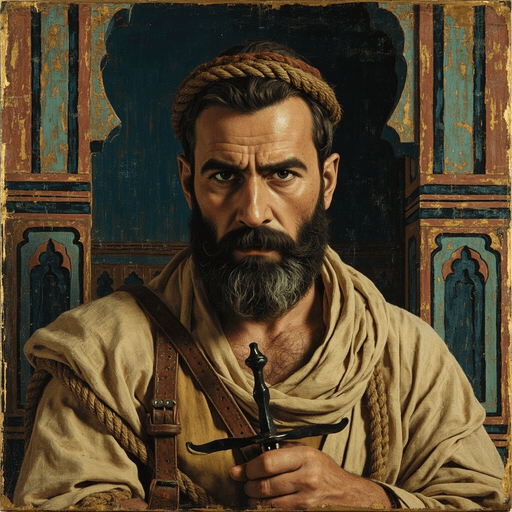
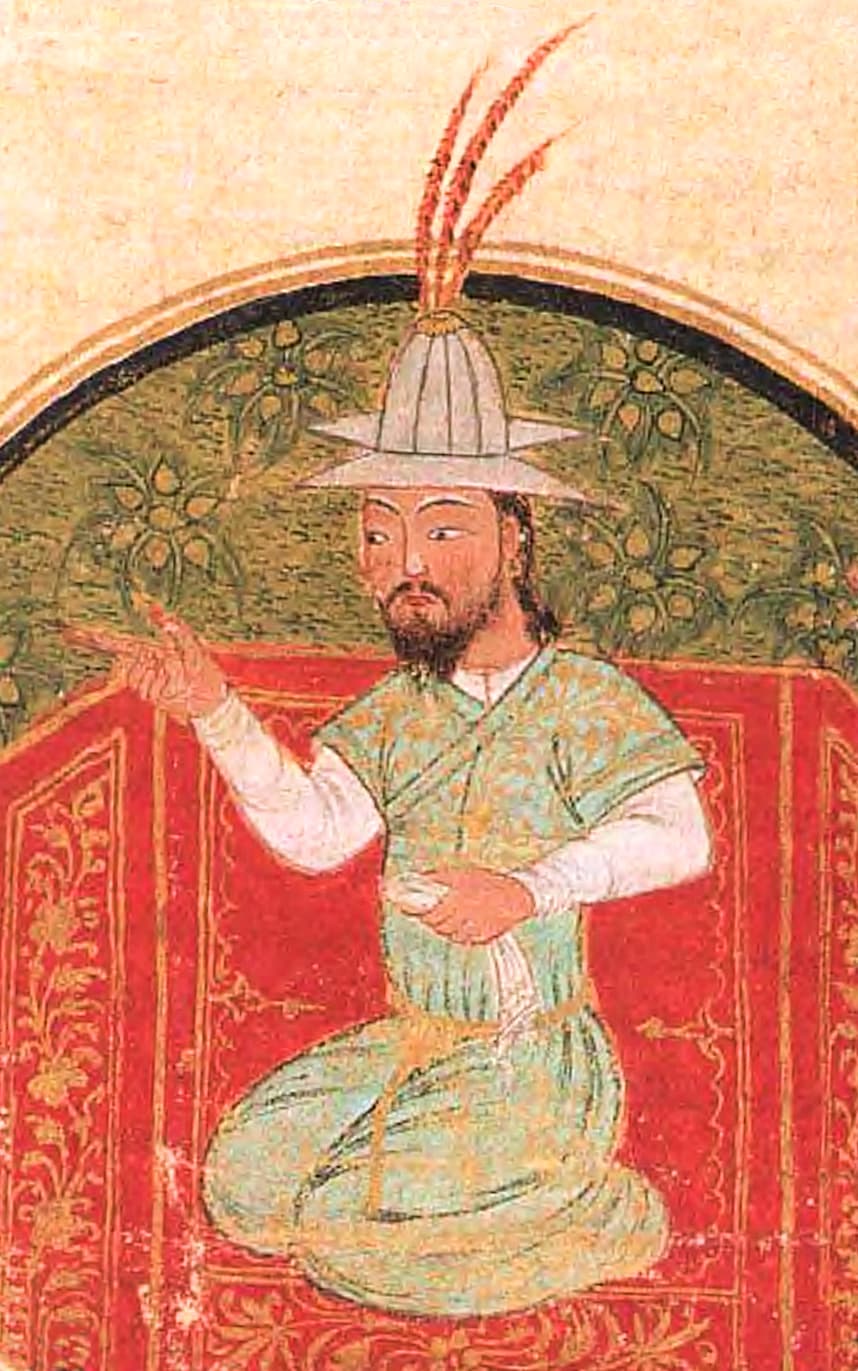
This imaginary interview was generated by artificial intelligence from sources documented in Lê Hoàn's profile. It dramatises what the figure might have said based on what we know about them, but does not constitute attested historical testimony. For primary sources and factual documentation, refer to the full profile.