 Flip the card
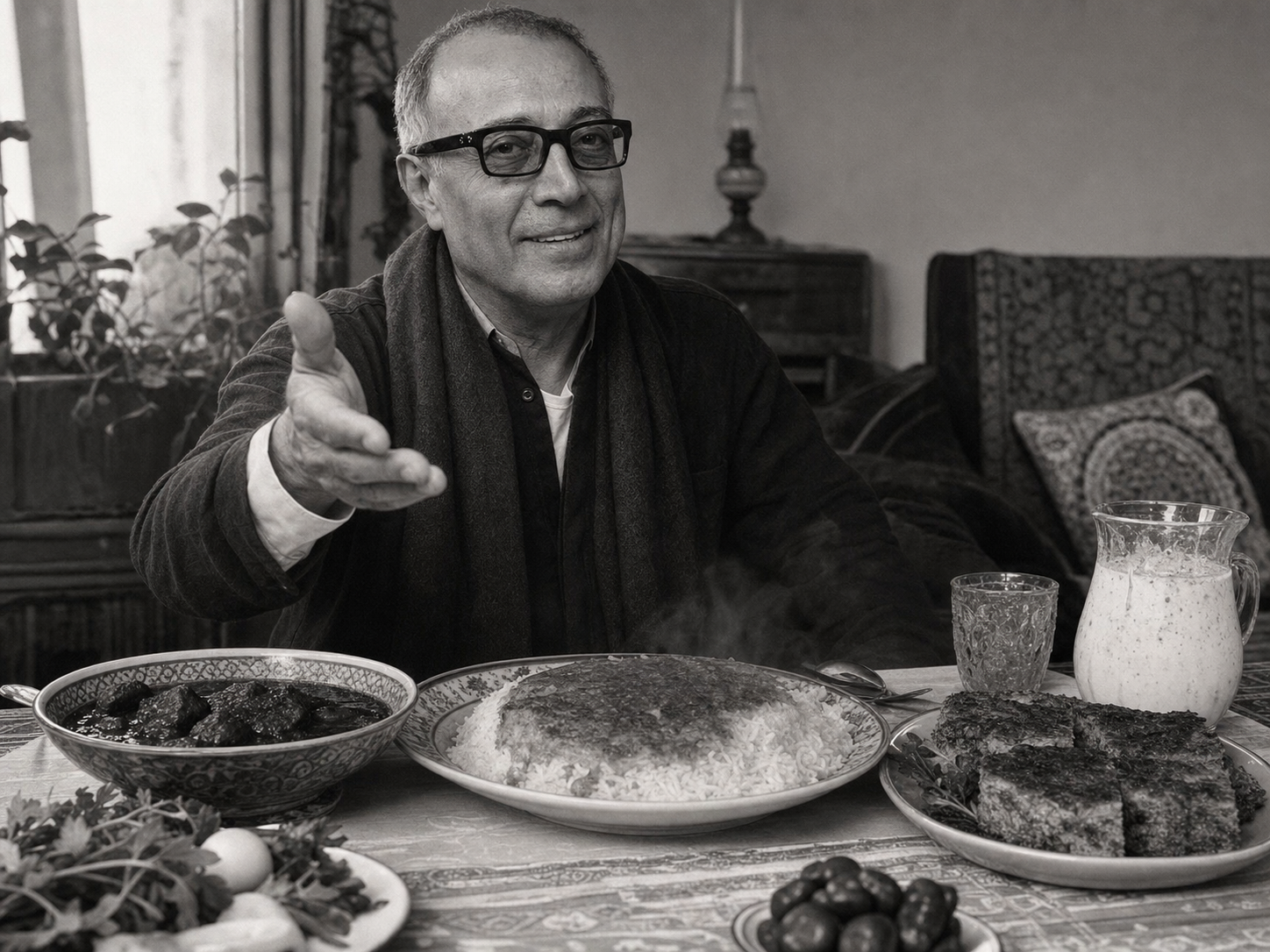
Abbas Kiarostami at the table
1940 — 2016
On the menu
Sofreh
In Iran, one does not set a table but a sofreh: a cloth spread on the floor or table, upon which all dishes arrive at the same time. Rice (chelo) sits at the center, surrounded by stews (khoresht), fresh herbs (sabzi khordan), yogurt, pickles (torshi), and flatbread. Everyone serves themselves freely, shares, and talks at length: the sofreh is as much a place for conversation as it is a meal. Tea always concludes the moment.
Signature : Tahdig
Tahdig ("bottom of the pot") is the golden, crispy rice crust that forms at the bottom of the pot. It is the coveted treasure of every Iranian sofreh, an art of patience and low heat that Kiarostami, attentive to the minute gestures of daily life, would have appreciated like a perfectly framed shot.
click to flip back
Abbas Kiarostami at the table
1940 — 2016
5 period recipes
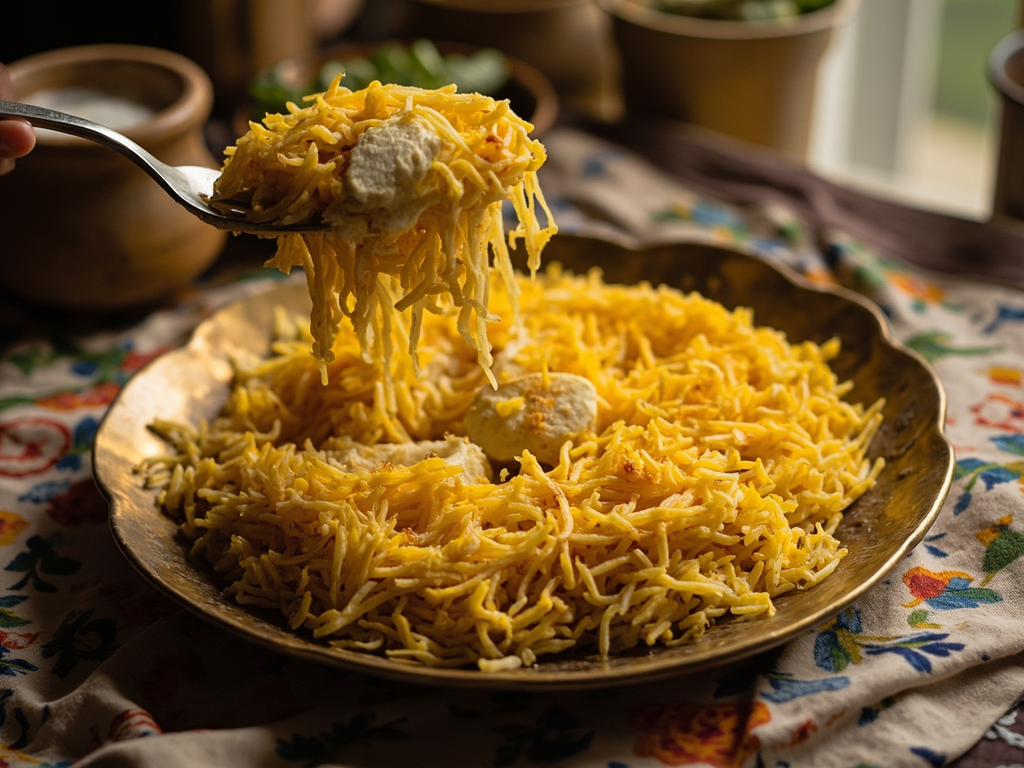 Everyday
Chelo ba tahdig (Steamed Rice with Golden Crust)
The foundation of the sofreh — the rice around which everything is organized
🧂 🍄· 1 h 30 (including soaking)
View the recipe
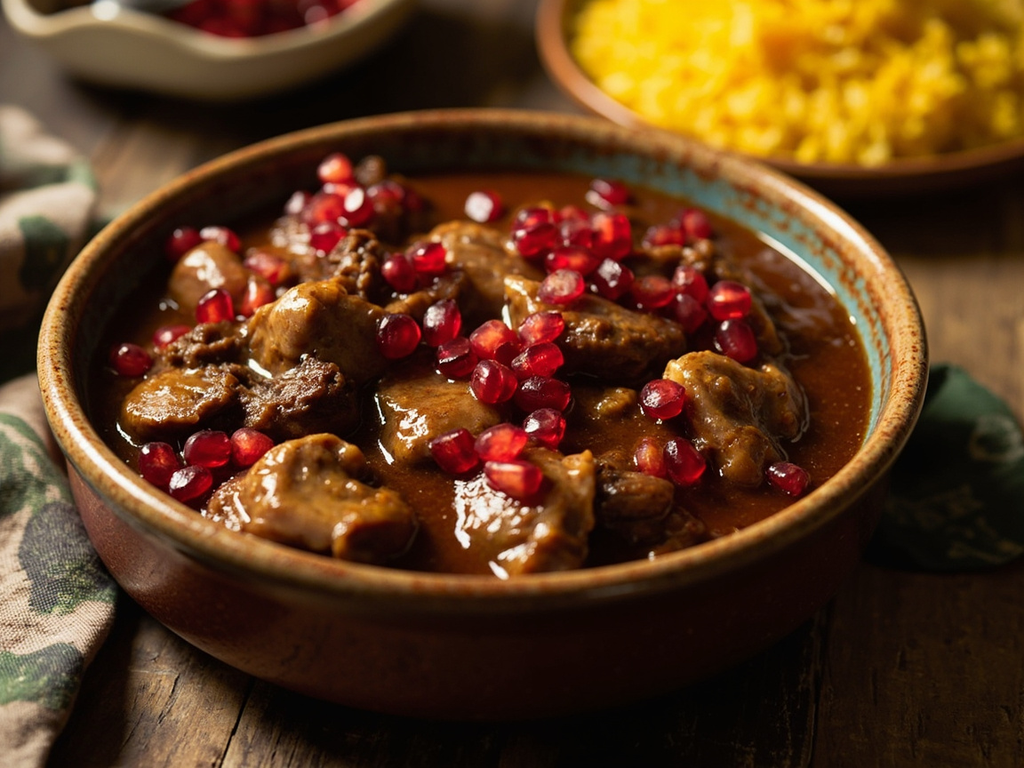 Festive
Khoresht-e fesenjan (Walnut and Pomegranate Molasses Stew)
The khoresht — a slow-simmered stew served as a topping over chelo, the heart of grand sofreh
🍯 🍋 🍄· 2 h
View the recipe
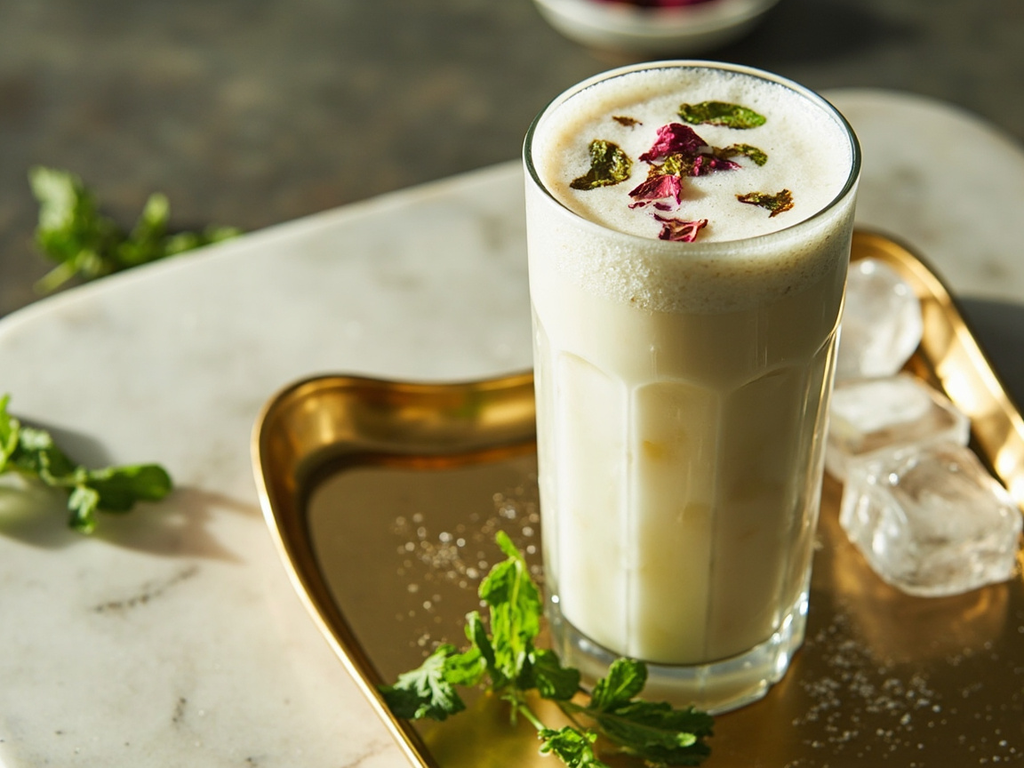 Drink
DrinkDoogh (Yogurt and Mint Drink)
Nooshidani — the sofreh drink, cool and refreshing, served with the meal
🫙 🍋 🧂· 5 min
View the recipe
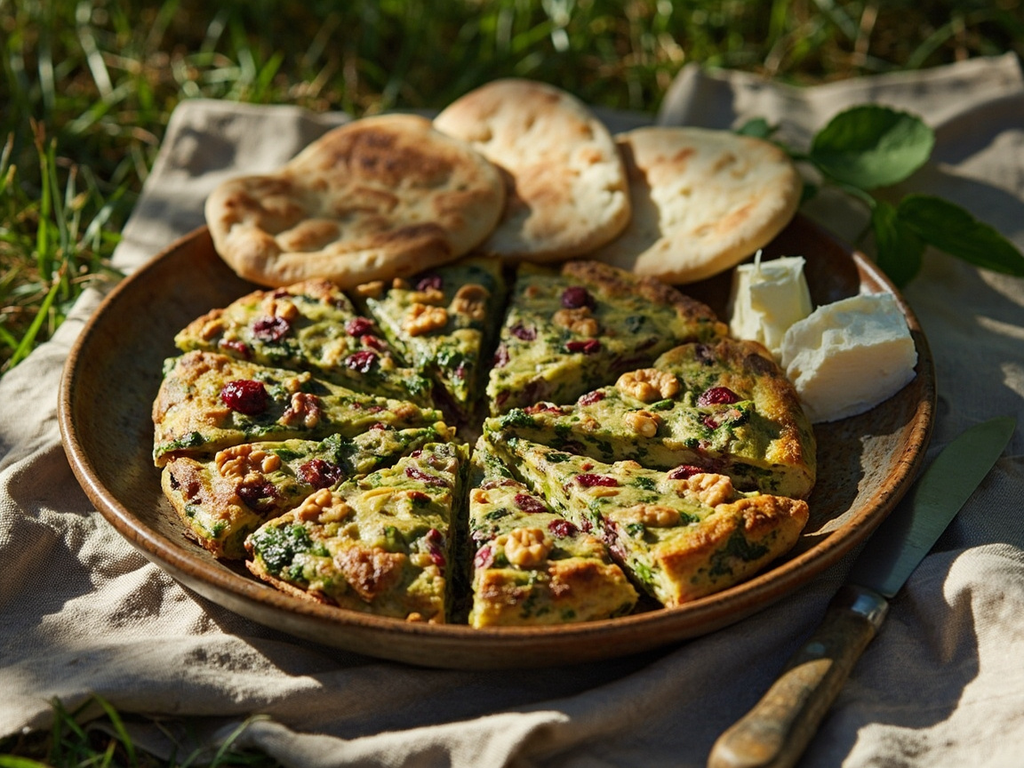 Travel
Kuku sabzi (Herb Frittata)
Kuku — a dense egg patty, eaten hot or cold, at the sofreh or on the road
🧂 🍄· 40 min
View the recipe
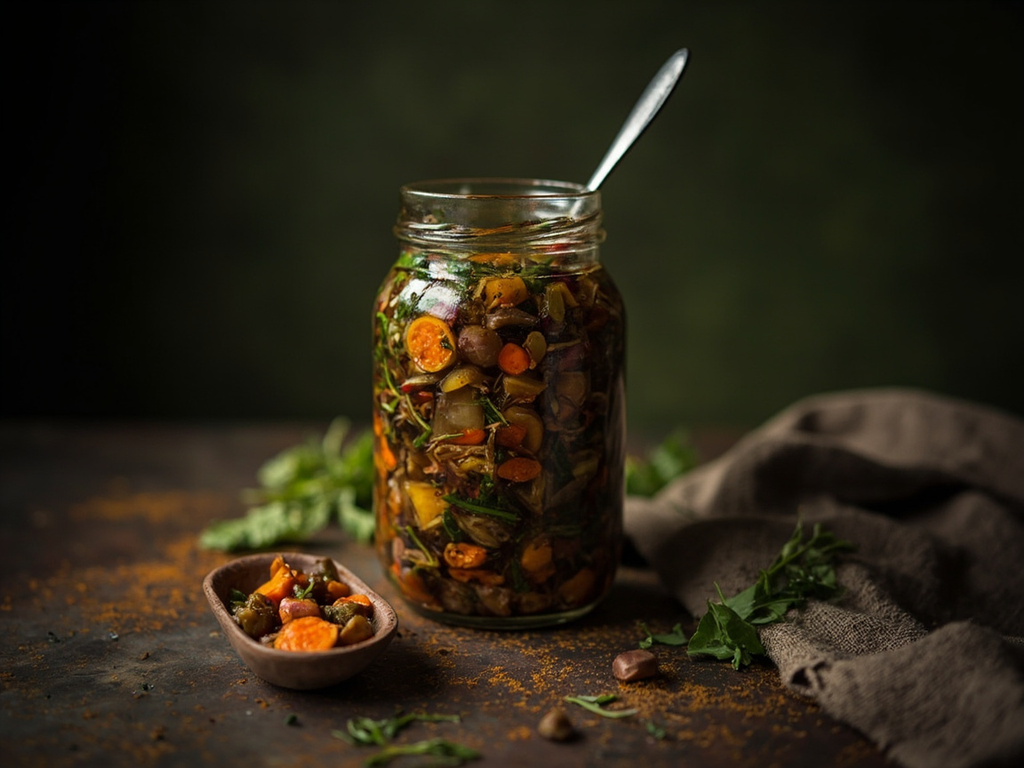 Preserving
Torshi (Pickled Vegetables, Gilan Style)
Torshi — a sour, long-lasting condiment placed on every sofreh to enliven dishes
🫙 🍋 🌶️· 30 min (+ 2 to 3 weeks maceration)
View the recipe