The Roman Meal: Ientaculum, Prandium, and Cena
The Roman meal unfolds in three stages. At dawn, the ientaculum, frugal: bread, cheese, olives. At midday, the prandium, quick and cold, eaten standing or on horseback. In the evening, the cena, which among the powerful proceeds in three acts: the gustatio (piquant appetizers and eggs), the mensa prima (meats and vegetables with garum), the mensa secunda (fruits, honey, sweet wine). But in the field, Aetius compresses all this: the Roman soldier eats a wheat porridge, bacon, and drinks his posca, without ceremony.
Signature : Garum
A fermented fish sauce with salt, a liquid ferment that flavors almost all Roman savory dishes. An ancient cousin of nuoc-mâm, it provides the deep umami that Romans cherished. At the table or in camp, a splash of garum transformed simple food into a Roman dish. It, more than any spice, marked a cuisine as "Roman."
Aetius at the table
390 — 454
4 period recipes
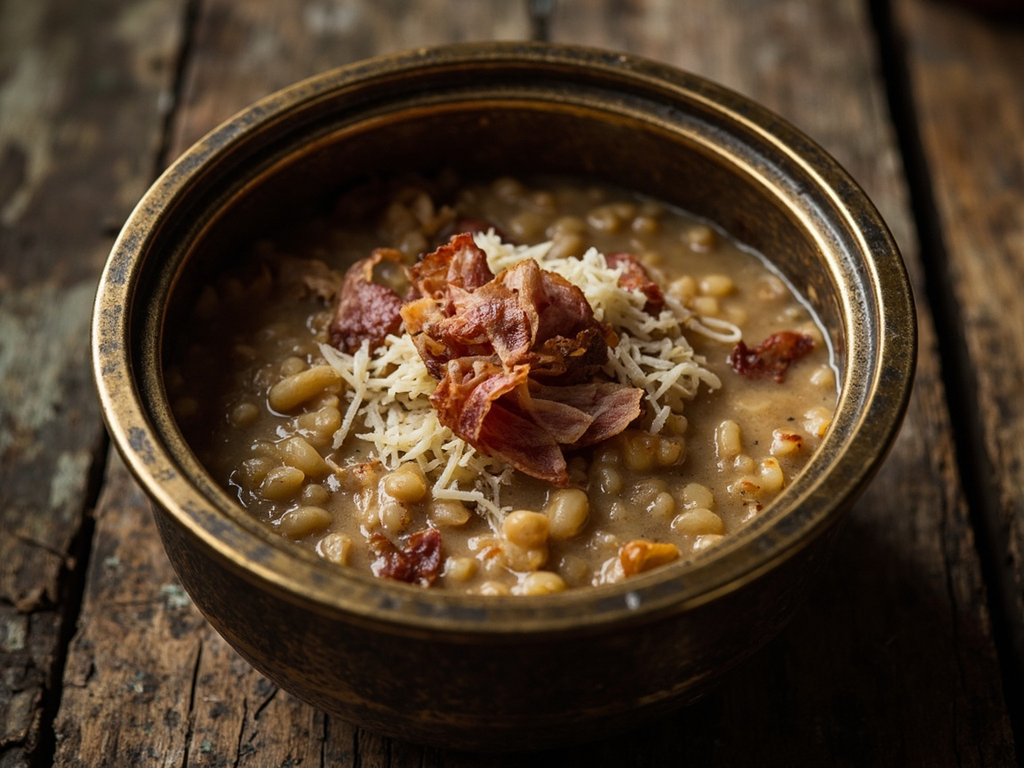 Everyday
Puls Castrensis, the Legionary's Barley Porridge
Camp Prandium (frugal soldier's meal on campaign)
🧂 🍄· 50 min
View the recipe
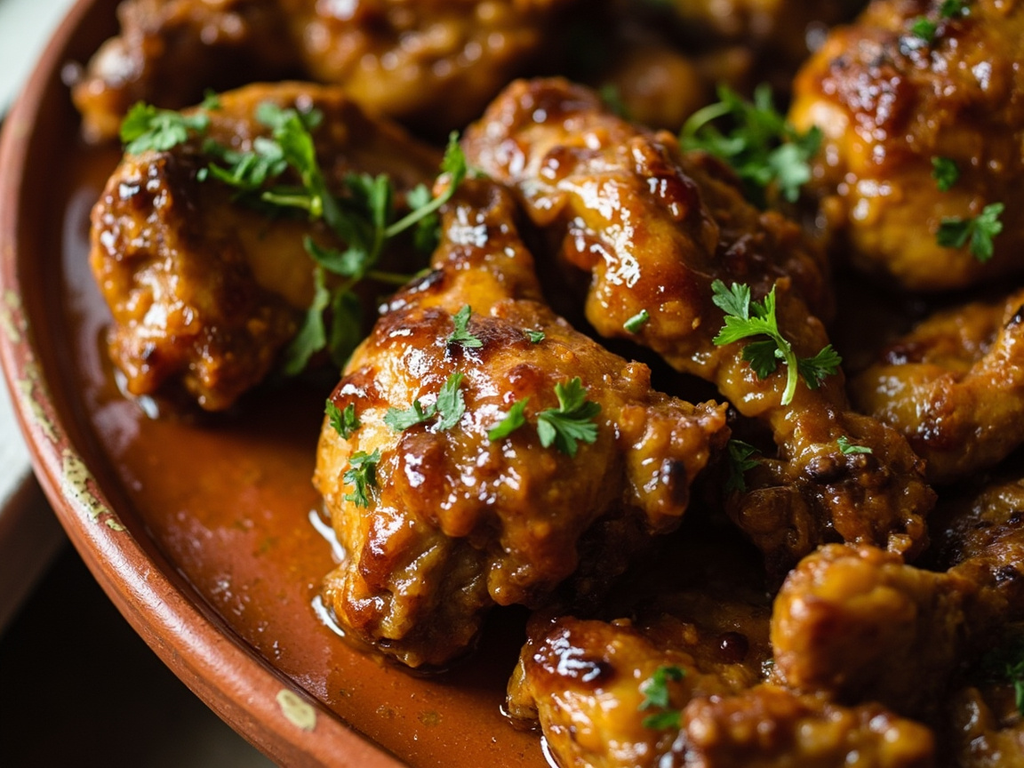 Festive
Pullum Oxyzomum, Chicken with Garum and Herbs for the Patrician Cena
Mensa Prima (main course of the aristocratic evening banquet)
🍄 🍋 🧂· 1 h
View the recipe
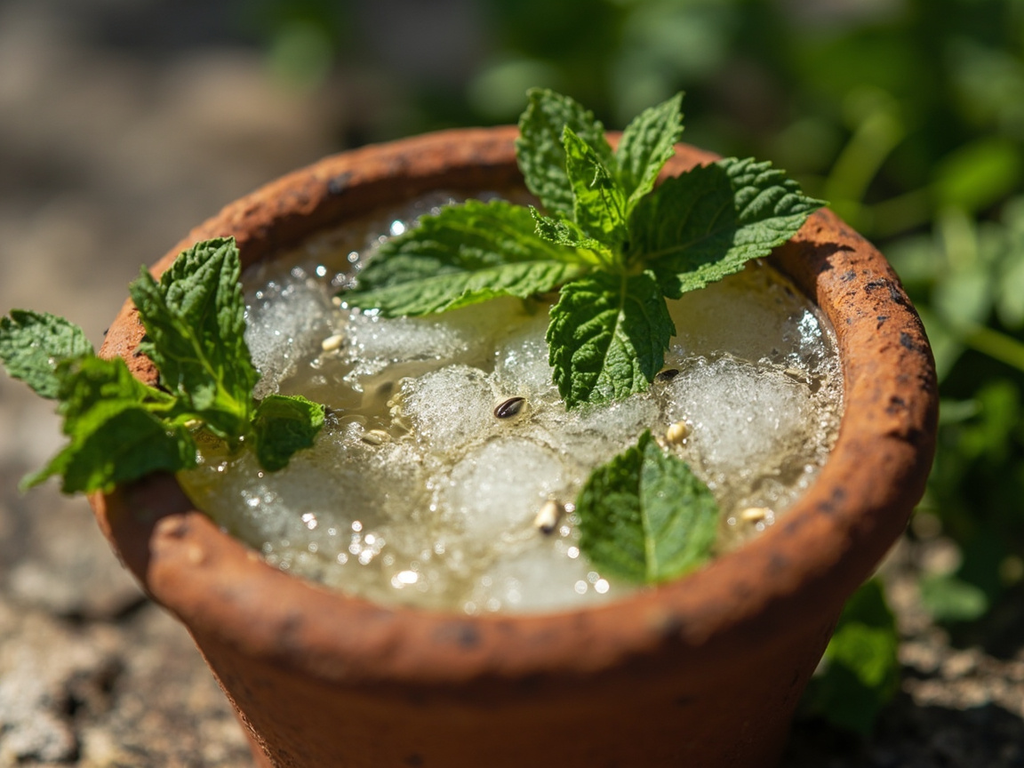 Drink
Posca, the Roman Soldier's Sour Drink
Potio Militaris (marching drink, consumed throughout the day)
🍋· 35 min
View the recipe
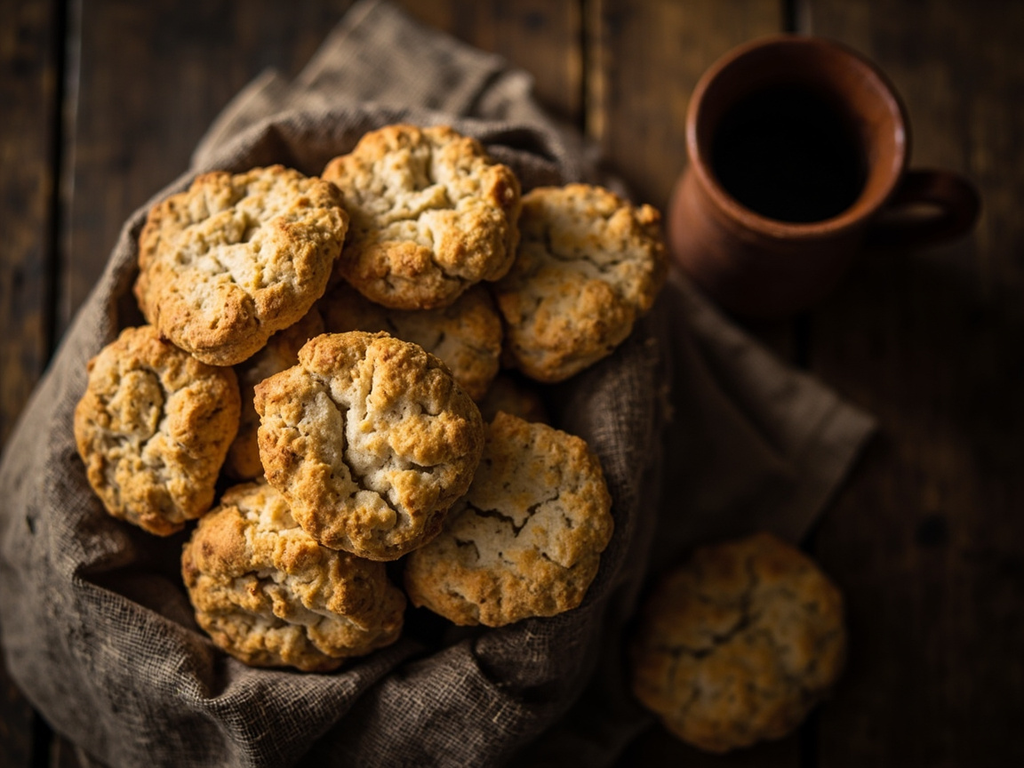 Travel
Buccellatum, the Legionary's Marching Biscuit
Cibaria Viatica (travel provisions, reserve ration)
🧂· 1 h 30
View the recipe