The Greek Meal: Ariston and Deipnon, with Sitos and Opson
In 4th-century BCE Athens, two meals were distinguished: the *ariston*, a light morning meal, and the *deipnon*, the main evening meal. Each plate was organized around the *sitos* (the cereal base: barley bread, flatbread, porridge) accompanied by *opson* (what "enhances" the bread: olives, vegetables, cheese, sometimes salted fish). Sweets and dried fruits (*tragemata*) closed the *deipnon*, often during the *symposion* where wine mixed with water was drunk.
Signature : Barley and Honey of Mount Hymettus
Barley (*krithê*) was the everyday grain of Athenians, transformed into *maza* or *kykeon*; the fragrant honey of Hymettus, near Athens, was the sweetener of all Greece before sugar. For a woman trained in medicine, barley was also a remedy: decoctions and digestible porridges were made from it for the sick and for women after childbirth.
Agnodice at the table
400 av. J.-C. — 360 av. J.-C.
5 period recipes
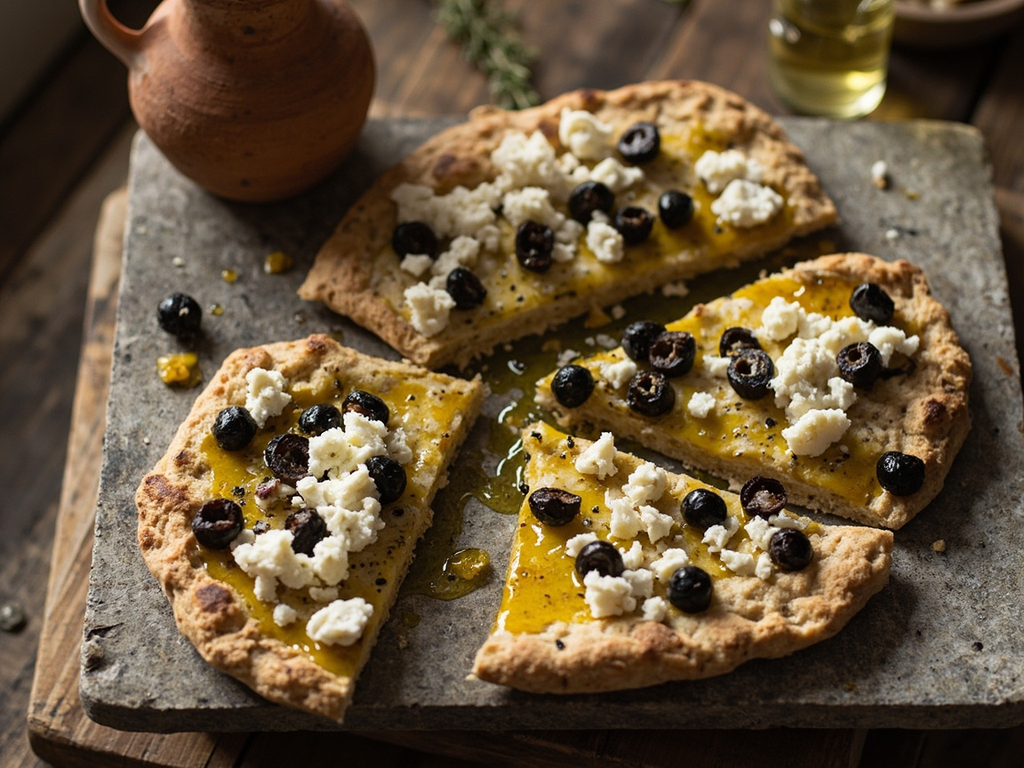 Everyday
Barley Maza with Olives and Sheep's Cheese
Sitos of Ariston (cereal base of the light morning meal)
🧂 🍄· 35 min
View the recipe
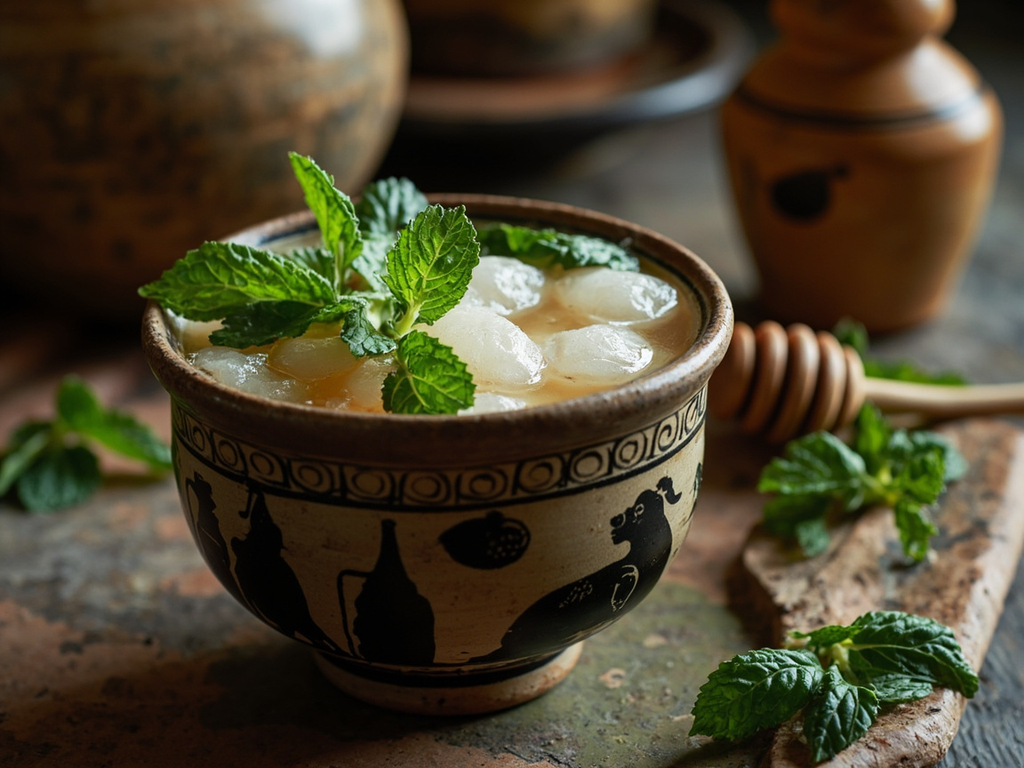 Remedy
Barley Kykeon with Honey and Mint
Poton (drink-meal), taken as remedy or refreshment
🍯 🍋· 20 min
View the recipe
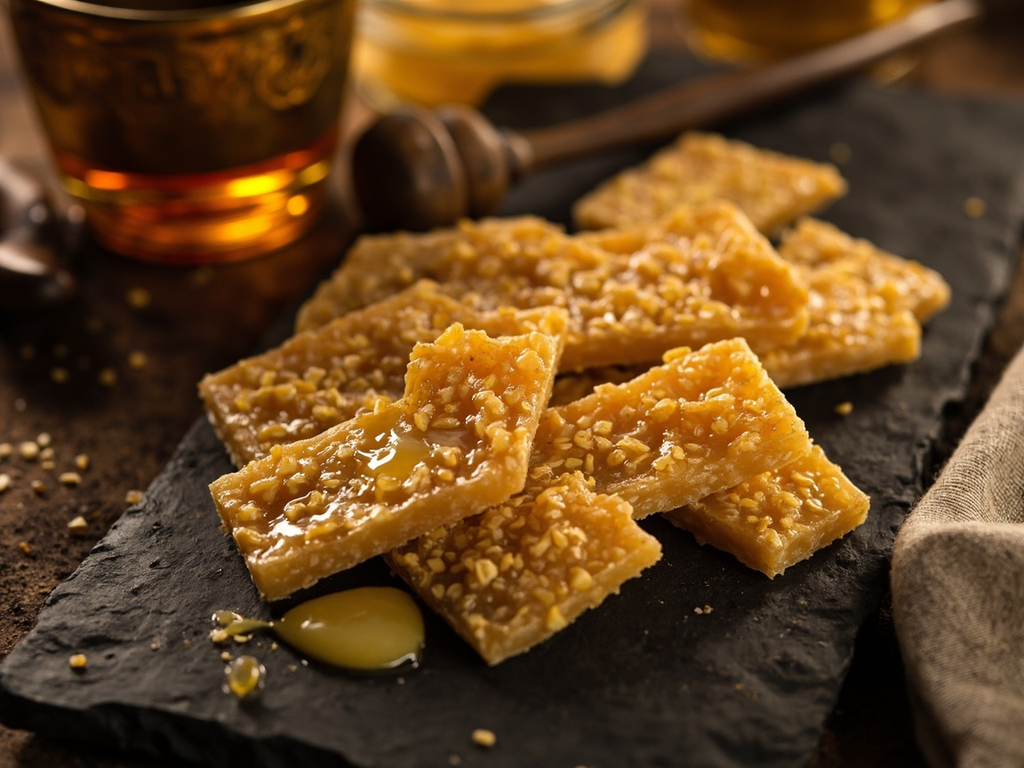 Festive
Sesame and Honey Itria
Tragemata (sweets of the "second tables," served at the symposion)
🍯· 30 min
View the recipe
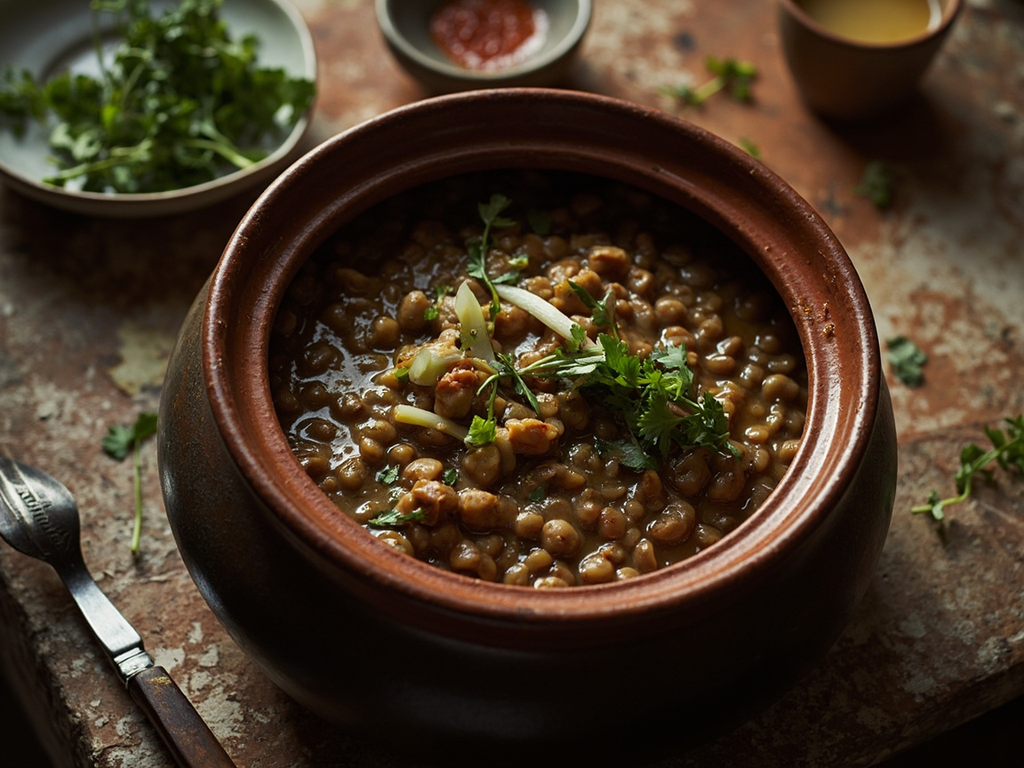 Everyday
Lentils with Oil, Vinegar, and Herbs
Nourishing Opson of the Deipnon (the stew-base of the evening meal)
🍋 🍄· 55 min
View the recipe
 Travel
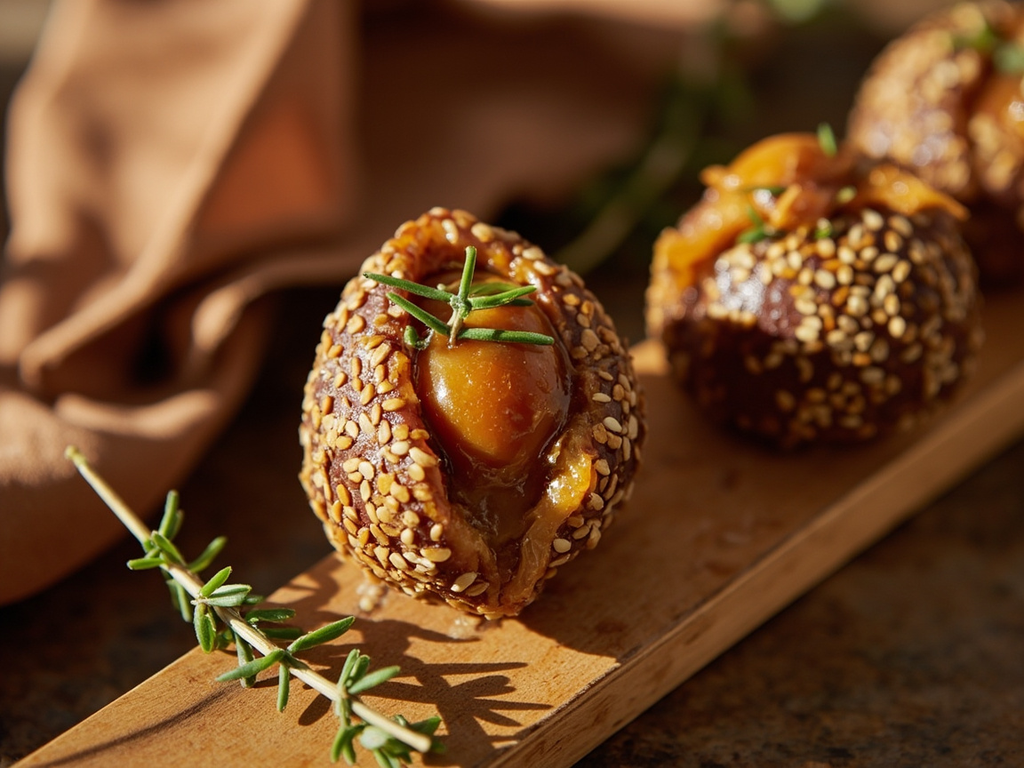
Dried Figs with Honey, Sesame, and Thyme
Travel Provision (ephodion) and Tragema
🍯 🍄· 25 min (plus drying)
View the recipe