The Roman Table: Soup and Accompaniment
In Rome at the beginning of the 17th century, the meal of an artisan painter revolved around bread, the true pillar of the table. One often began with a *minestra* (thick soup of legumes or pasta), then came the *companatico* — literally "what accompanies the bread": a bit of cheese, salted fish, or on good days, meat. Wine, almost always diluted with water, punctuated the meal. The Church imposed many "lean" days without meat, which set the rhythm of the kitchen calendar.
Signature : Pecorino Romano and Rosemary
Salted sheep's milk cheese (pecorino) served as both a *companatico*, a seasoning, and a cheap source of protein; rosemary, which grows everywhere in the Roman countryside, flavors meats, soups, and roasts. Together, they give popular Roman cuisine its salty and resinous signature.
Agostino Tassi at the table
1580 — 1644
5 period recipes
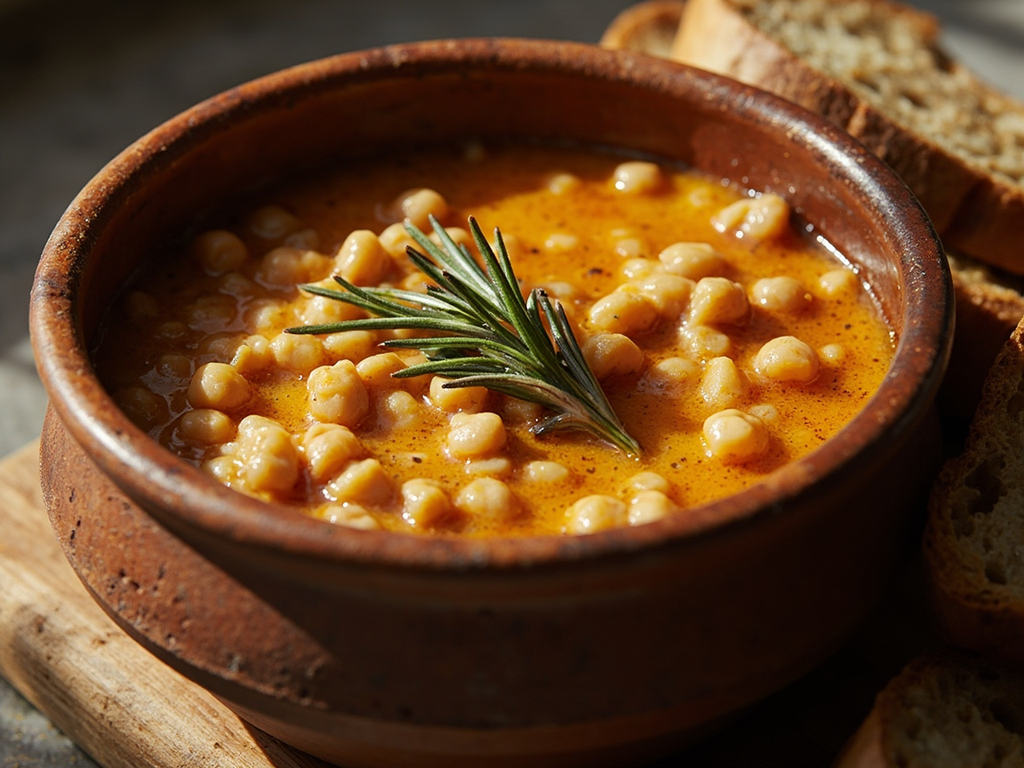 Everyday
Chickpea Minestra with Rosemary
Minestra (the soup that is the meal's base)
🧂 🍄· 2 h (plus soaking)
View the recipe
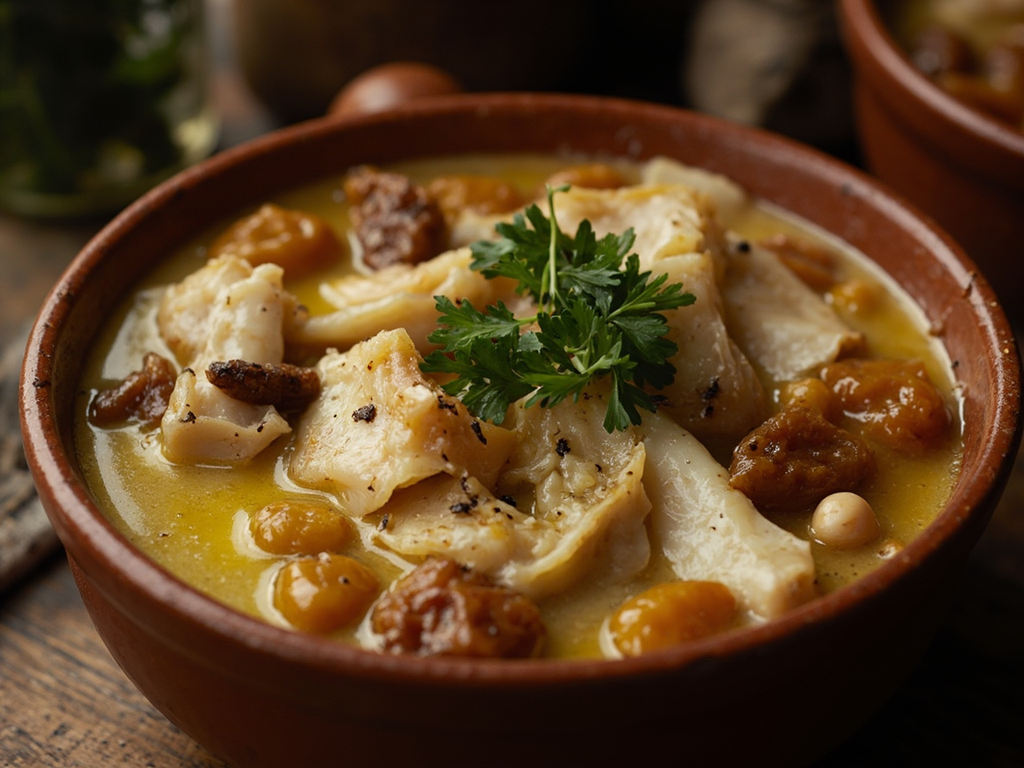 Preserving
Salted Cod with Raisins and Pine Nuts
Companatico di magro (the accompaniment for lean days)
🧂 🍄 🍋· 40 min (plus 48 h desalting)
View the recipe
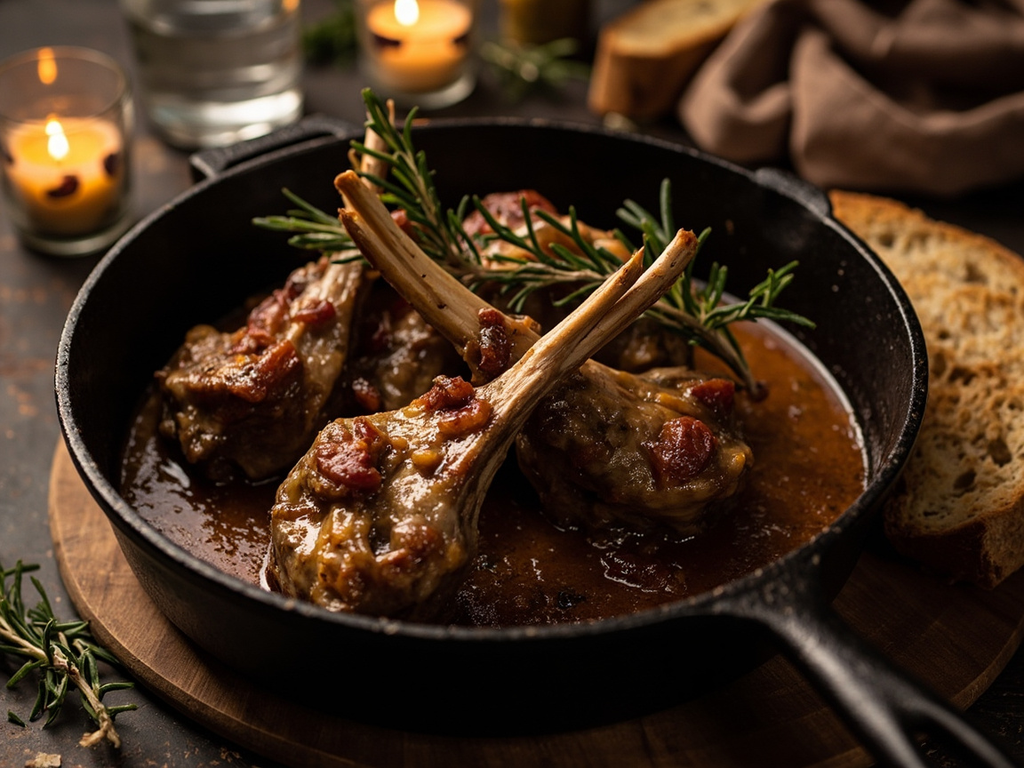 Festive
Roman-Style Roast Suckling Lamb with Rosemary and Anchovies
La pietanza di festa (the festive meat dish)
🧂 🍄 🍋· 1 h 30
View the recipe
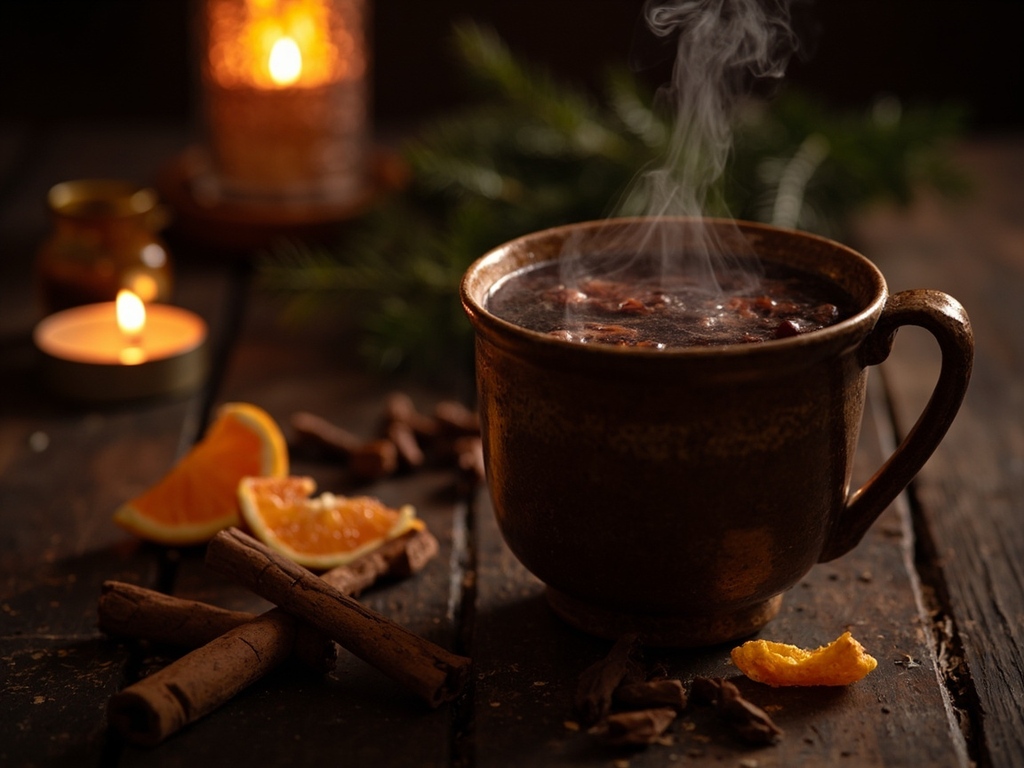 Drink
Spiced Mulled Wine with Honey (vino speziato)
La bevanda calda (the comforting workshop drink)
🍯 🌶️· 20 min
View the recipe
 Street food
Maritozzo with Raisins and Pine Nuts
Pane dolce da strada (the sweet bread you snack on outside)
🍯· 3 h (with rising)
View the recipe